Quick Facts
- Wear Time: Stelo (15 days) vs. Lingo (14 days)
- Update Frequency: Lingo (1 minute) vs. Stelo (15 minutes)
- Warm-up: Stelo (30 minutes) vs. Lingo (60 minutes)
- Core Goal: Stelo (Data Insight) vs. Lingo (Behavioral Coaching)
- Waterproof Rating: Stelo (8 feet / 24 hours) vs. Lingo (3 feet / 30 minutes)
- Price: Both roughly $89 per month (with subscription)
The primary differences in a Dexcom Stelo vs Abbott Lingo comparison involve how often data is updated and the depth of behavioral coaching provided. While the Lingo offers real-time biofeedback every minute to help users understand immediate blood sugar spikes, the Stelo focuses on long-term glucose trend analysis with a longer sensor life and more robust data-sharing capabilities for those focused on metabolic health tracking.
Hardware & Durability: The Spec Shootout
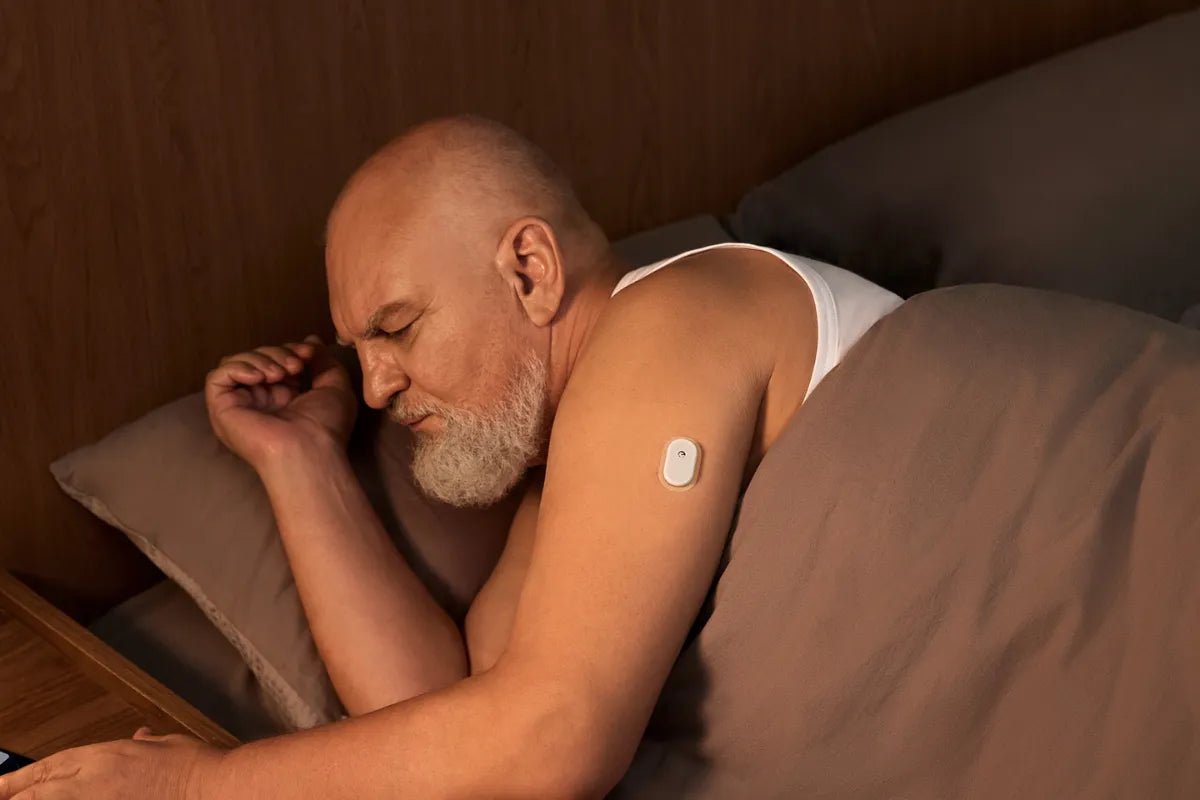
When selecting an over-the-counter CGM for wellness, the physical hardware is your constant companion for weeks at a time. The Dexcom Stelo and Abbott Lingo may look similar—small, circular patches worn on the back of the arm—but their technical specifications cater to slightly different lifestyles.
The Dexcom Stelo received FDA clearance in March 2024 as the first over-the-counter continuous glucose monitor available in the United States, followed shortly by the Abbott Lingo in June 2024. One of the most significant hardware advantages for Dexcom is the sensor longevity. The Dexcom Stelo sensor features a 15-day wear time and a 30-minute warm-up period, whereas the Abbott Lingo sensor is designed for a 14-day wear time with a 60-minute warm-up.
For those with an active lifestyle, the waterproof rating Dexcom Stelo vs Abbott Lingo is a deciding factor. The Stelo is rated for submersion up to 8 feet for up to 24 hours, making it a superior choice for swimmers or those who enjoy long soaks in the tub. The Lingo, conversely, is rated for up to 3 feet for 30 minutes.
| Feature | Dexcom Stelo | Abbott Lingo |
|---|---|---|
| Wear Time | 15 days | 14 days |
| Warm-up Time | 30 minutes | 60 minutes |
| Data Updates | Every 15 minutes | Every 1 minute |
| Waterproofing | 8 ft for 24 hrs | 3 ft for 30 mins |
| Application | One-piece applicator | Two-piece applicator |
The update frequency also represents a shift in technical philosophy. The Lingo streams data to your phone every minute, providing immediate real-time biofeedback. Stelo updates the app roughly every 15 minutes to conserve battery, though it still performs interstitial fluid monitoring continuously. This results in OTC CGM data update frequency differences that might matter if you want to see the immediate impact of a single bite of food versus seeing the general curve of a meal.
Software Philosophies: Data vs. Coaching
The choice between these two devices often comes down to how you prefer to interact with your health data. Abbott and Dexcom have taken divergent paths regarding smartphone app integration and user guidance.
The Abbott Lingo uses a proprietary system known as Lingo Count. Instead of just showing raw glucose numbers, it translates your glucose spikes into a daily "budget." When your blood sugar rises above a certain threshold, you earn Lingo Counts. The goal is to stay under a specific limit each day, turning metabolic health tracking into a gamified experience. This makes it an excellent choice for those who want a structured, self-guided wellness tool that feels like a fitness tracker.
In contrast, the Dexcom Stelo app features a more streamlined, data-centric interface. It focuses on glucose trend analysis by showing you where your levels are and where they are going. A major differentiator is that Stelo allows for sharing OTC CGM data with doctors directly through the app, making it a more functional bridge for those working with a nutritionist or primary care physician. Stelo also integrates more naturally with other health ecosystems, such as the Oura Ring, allowing users to see their glucose data alongside sleep and recovery metrics.

While the Abbott Lingo Count vs Dexcom Stelo app features debate often favors Lingo for beginners, Stelo is frequently preferred by those who want to own their data without the "gamification" layer.
Pricing & Long-Term Costs
For many, the decision between Stelo vs Lingo pricing and cost will be the deciding factor for long-term use. Since these are over-the-counter devices, they are generally not covered by insurance, making the out-of-pocket monthly expense a key consideration.
As of late 2024, both the Dexcom Stelo and Abbott Lingo are priced at $89 for a one-month supply (which includes two sensors) when purchased through a subscription model. If you prefer a one-time purchase without a recurring commitment, the Dexcom Stelo is typically priced at $99 per month.
When evaluating the Stelo vs Lingo monthly cost comparison, consider the cost-per-day:
- Dexcom Stelo: $89 for 30 days = $2.96 per day.
- Abbott Lingo: $89 for 28 days = $3.18 per day.
While the difference is minimal, the extra two days of wear time per month with Stelo adds up over a year of lifestyle medicine practice. Both companies offer "starter kits" that sometimes include a single sensor for a lower entry price, allowing you to test the technology before committing to a full month.
Use Case: Who Should Choose Which?
Choosing between Stelo and Lingo for metabolic health depends largely on your personal goals and how you handle information. Both devices are excellent for seeing how sleep, stress, and diet influence your internal chemistry, but they serve different "user archetypes."
The Lifestyle Learner (Choose Abbott Lingo)
- You want proactive coaching and "missions" to improve your habits.
- You prefer a gamified interface (Lingo Count) rather than analyzing raw graphs.
- You want to see the immediate effect of a walk or a snack with minute-by-minute updates.
The Data Integrator (Choose Dexcom Stelo)
- You already use health apps like Oura or Apple Health and want your data to sync.
- You want a longer-lasting sensor (15 days) and a faster warm-up.
- You want the ability to share reports with a healthcare provider or a coach.
It is vital to remember the safety profile for these devices. Both Dexcom Stelo vs Abbott Lingo for non-insulin users are specifically designed for adults who do not use insulin. They are not intended for people with Type 1 diabetes or those with Type 2 diabetes who are at risk for severe hypoglycemia. These are wellness tools, not diagnostic medical devices for acute disease management.
Value-Add: The First-Week CGM Protocol
If you are new to bio-wearable technology, the first week can feel overwhelming. To get the most out of your over-the-counter CGM comparison, I recommend following a "First-Week Baseline Protocol" to turn data into lifestyle medicine.
- Establish a Baseline (Days 1-2): Eat your normal diet without making changes. Observe how your body reacts to your current routine.
- Identify Your Spikes (Days 3-4): Pay close attention to blood sugar spikes after meals. Do certain "healthy" foods like oatmeal or grapes cause a larger rise than you expected?
- Test a "Glucose Hack" (Days 5-7): Try one intervention. For example, take a 10-minute walk immediately after your largest meal.

Using these tools to observe the relationship between movement and metabolism is a cornerstone of prediabetes management. By the end of your first month, you will likely have a completely different understanding of your body's unique "fuel gauge."
FAQ
What is the difference between Dexcom Stelo and Abbott Lingo?
The main differences lie in their software and data frequency. Lingo provides minute-by-minute updates and a coaching system called Lingo Count, while Stelo updates every 15 minutes, lasts for 15 days, and offers better data integration with other health platforms.
Do you need a prescription for Dexcom Stelo or Abbott Lingo?
No, neither device requires a prescription. Both are over-the-counter continuous glucose monitor for wellness options that can be purchased directly from the manufacturers' websites or through select retailers.
How much does Dexcom Stelo cost compared to Abbott Lingo?
Both are competitively priced at approximately $89 for a one-month supply when using a subscription model. Without a subscription, Stelo is roughly $99 for two sensors.
How long does the Dexcom Stelo sensor last?
The Dexcom Stelo sensor is approved for up to 15 days of continuous wear, providing a total of 30 days of monitoring per two-pack.
How long does the Abbott Lingo sensor last?
The Abbott Lingo sensor is designed to last for 14 days. A standard monthly kit contains two sensors, covering a 28-day period.
Can non-diabetics use Dexcom Stelo or Abbott Lingo?
Yes, both devices are specifically marketed toward non-diabetic adults or those with Type 2 diabetes who do not use insulin. They are popular among people interested in preventive care, weight management, and optimizing metabolic health.