Quick Facts
- Top Shoe: Salomon XA Pro 3D (Waterproof)
- Top Pack: REI Co-op Tarn (Available in 12L and 18L versions)
- Essential Layer: Merino wool base layers for moisture management
- Weight Limit: Children's packs should not exceed 10-15% of their body weight
- Core Protection: Breathable waterproof jackets and softshell trousers
- Safety Essential: Lightweight rechargeable headlamps with a safety whistle
Exploring the outdoors with family requires the right kids adventure gear to ensure safety and comfort. In 2026, the trend shifts toward functional exploration gear for children that combines durability with sustainable materials. The best hiking gear for active kids prioritizes durability and weather resistance. Essential items include waterproof hiking shoes like the Salomon XA Pro 3D, moisture-wicking merino wool socks, and versatile modular trousers. High-quality breathable waterproof jackets and lightweight rechargeable headlamps ensure children remain comfortable and safe during outdoor explorations.
Essential Footwear: All-Terrain Traction and Comfort
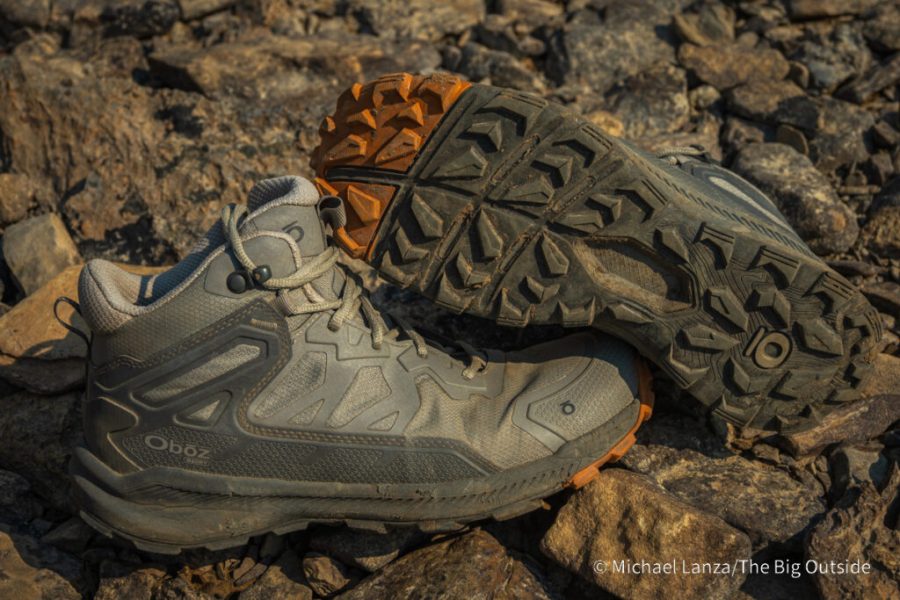
When we take our families into the wild, the foundation of a successful trip is literally under their feet. Footwear is more than just a purchase; it is a critical investment in blister-prevention. If a child’s feet are wet or sore, the hike ends before the best views appear. We have found that the best waterproof hiking shoes for kids 2026 are those that balance a rugged outsole with a flexible upper that does not require a long break-in period.
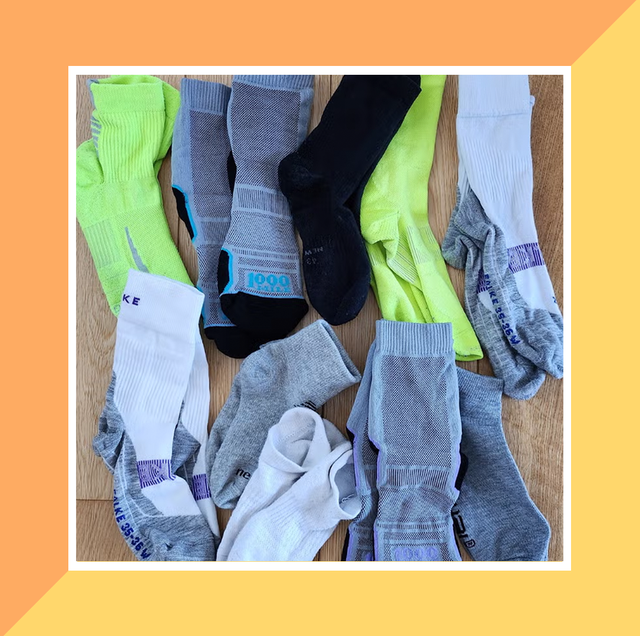
The Salomon XA Pro 3D has become the benchmark for durable children's hiking equipment because of its quick-lace system and dependable waterproof membrane. It provides the all-terrain traction needed for muddy slopes or slippery creek crossings. However, even the best shoes fail without the right socks. We highly recommend investing in merino wool socks for children's hiking clothes. Unlike cotton, which absorbs moisture and causes friction, merino wool pulls sweat away from the skin, keeping feet dry and comfortable throughout the day.
Footwear Comparison: Splurge vs. Save
| Feature | Splurge: Salomon XA Pro 3D | Save: Merrell Moab Speed Low |
|---|---|---|
| Waterproofing | Gore-Tex / High Performance | M-Select Dry / Standard |
| Closure | Quick-lace (No tying) | Traditional Laces |
| Traction | Contagrip MD (High grip) | Non-marking Rubber |
| Best For | Rugged mountain trails | Local park paths and light day hikes |
Advanced Apparel: The Layering System for Active Kids
Modern outdoor clothing for active kids has borrowed heavily from adult technical gear. We no longer rely on heavy denim or bulky coats. Instead, we teach parents to use a layering system that adapts to the child's energy levels and the changing weather. This system consists of a base layer for moisture management, a mid-layer for warmth, and a outer shell for protection.
For the base, merino wool is a miracle fabric. It provides excellent thermal insulation during chilly mornings but remains breathable when the sun comes out. A pro-tip from our testing team: use merino wool base layers as pajamas on camping trips to save weight in the pack. Over this, kids need abrasion-resistant materials in their mid-layers and trousers to withstand climbing over rocks and crawling through brush.
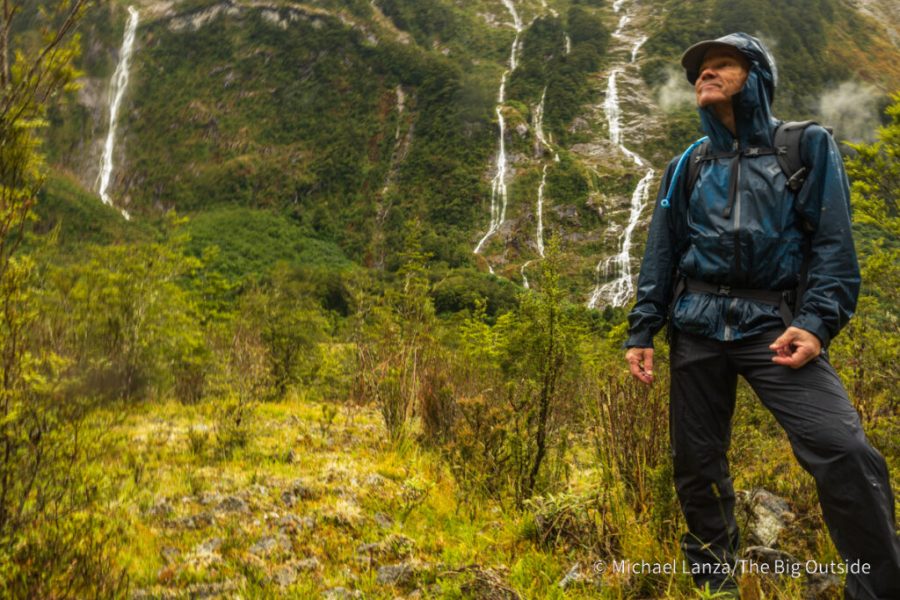
We particularly love convertible hiking trousers for active children. These zip-off pants allow junior explorers to start the morning in full-length trousers and switch to shorts as the temperature rises. For the outer layer, look for breathable waterproof jackets for active outdoor kids that offer a high waterproof rating without feeling like a plastic bag. These jackets should feature adjustable cuffs and a brimmed hood to keep rain off the face.
The demand for high-quality gear is growing rapidly. The global market for children's summer camp gear, including specialized tents, sleeping bags, and backpacks, was valued at USD 976 million in 2024. This surge reflects a broader movement toward nature-based education where parents prioritize functional exploration gear for children that can handle real-world conditions.
Choosing the Right Pack: Ergonomics and Hydration
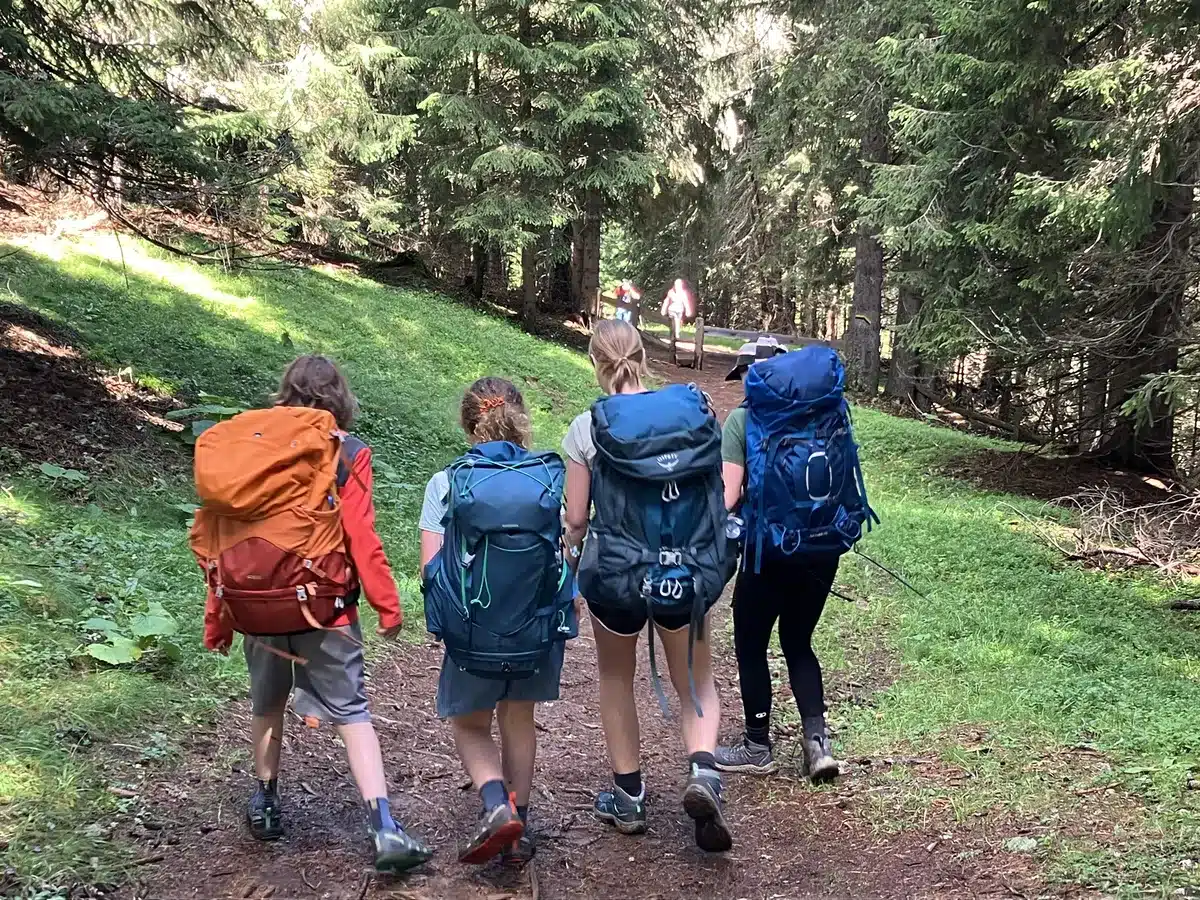
When considering how to choose a kids hiking backpack for day trips, the most common mistake is buying a pack that is too large. A pack that sags below the waist or pulls on the shoulders will quickly lead to fatigue. For children aged four to seven, a 12-liter pack is usually sufficient for carrying a light jacket and a snack. Older kids between the ages of eight and twelve typically require 18 to 28-liter capacities for longer family trekking adventures.
An ergonomic fit is essential. Look for adjustable waist belts that help distribute weight to the hips rather than just the shoulders. Another game-changer for keeping kids motivated is hydration bladder compatibility. When children can sip water through a tube without stopping to pull a bottle out of their pack, they stay better hydrated and maintain a more consistent pace on the trail.
Backpack Comparison: Splurge vs. Save
| Feature | Splurge: Osprey Jet 18 | Save: REI Co-op Tarn 18 |
|---|---|---|
| Adjustability | Highly adjustable harness | Standard adjustable straps |
| Durability | Premium high-tenacity nylon | Recycled polyester |
| Warranty | Lifetime "All Mighty Guarantee" | Limited 1-year warranty |
| Safety Features | Integrated whistle & reflective hits | Reflective accents |
Trail Safety and Exploration Tech
In 2026, safety gear has become more lightweight and user-friendly. We have moved away from heavy alkaline batteries toward lightweight rechargeable headlamps for kids camping. These USB-C compatible lights are easier for children to operate and reduce waste. We always look for models with a "red light" mode to preserve night vision during campfire stories and reflective safety details on the headband for easy spotting in the dark.
Safety isn't just about high-tech gadgets, though. Every child should carry a small survival kit in their pack. This builds confidence and teaches responsibility. According to recent data, outdoor recreation participation in the United States reached a record 175.8 million participants in 2023, representing 57.3% of the population aged six and older. With more families on the trail than ever, teaching children how to use their kids adventure gear safely is paramount.
The Junior Explorer’s Survival Kit
- A loud safety whistle (often built into the chest strap of quality packs)
- A small signal mirror for emergency signaling
- A basic first-aid kit with adhesive bandages and antiseptic wipes
- An emergency space blanket for thermal insulation
- A small, high-calorie snack like a granola bar
- A simple compass or discovery tools for nature-based education
FAQ
What gear do kids need for outdoor adventures?
The essential kit for any young explorer includes proper footwear with all-terrain traction, moisture-wicking clothing, a correctly sized backpack, and a reliable rain shell. Additionally, kids should have a source of light, a safety whistle, and plenty of water. Having the right kids adventure gear ensures that they stay focused on the fun of discovery rather than the discomfort of wet clothes or sore feet.
What are the best outdoor gear brands for children?
Brands like Salomon, REI Co-op, Osprey, and Patagonia are widely recognized for creating durable children's hiking equipment. These companies often use the same high-quality materials found in their adult lines, ensuring that the gear can withstand the rough-and-tumble nature of childhood exploration. Look for brands that offer warranties or repair programs, as these signify a commitment to long-lasting products.
How do I choose the right hiking boots for kids?
Start by measuring your child’s feet while they are wearing the specific socks they will use for hiking. Ensure there is about a thumb's width of space at the toe to prevent bruising during descents. Look for features like waterproofing and a lugged sole for grip. We recommend trying on boots in the afternoon when feet are naturally slightly swollen to get the most accurate fit.
What should be in a child's survival kit?
A basic kit should include a whistle, a small flashlight or headlamp, a light snack, a space blanket, and a simple first-aid kit. It is also helpful to include a "plan" card with your contact information. Teaching your child how to use these items is just as important as the items themselves, turning a safety tool into a lesson in nature-based education.
Is specialized outdoor gear necessary for kids?
While you can certainly hike in sneakers and a t-shirt for short park walks, specialized outdoor clothing for active kids becomes necessary for longer treks or variable weather. Technical fabrics like merino wool and waterproof membranes keep children dry and prevent chafing, which significantly improves their experience and safety. High-quality gear also tends to last through multiple siblings, making it a better long-term value.
How do I ensure my child's safety during outdoor activities?
Safety begins with preparation. Always check the weather forecast and trail conditions before heading out. Ensure your child is wearing reflective safety details if you will be out near dusk. Most importantly, teach them to "hug a tree" if they get separated from the group, staying in one place until they are found. Having them carry their own functional exploration gear for children helps them feel involved in the safety process.