Quick Facts
- Top Free Pick: Nike Run Club for guided runs and comprehensive baseline tracking.
- Top Premium Pick: Runna for highly structured and personalized training plans.
- Best for Data Deep-Dives: Runalyze for tracking VO2 Max and detailed training load.
- Best Social Experience: Strava, supporting a massive community of 195 million athletes.
- Market Insight: Research indicates that over 85% of recreational runners now use at least one mobile application or sports watch to plan and complete their workouts.
- Key 2026 Trend: AI coaching and biometric integration have become the industry standard for injury prevention.
- Primary Recommendation: For beginners in 2026, Nike Run Club and Runna are top choices due to their user-friendly interfaces and guided coaching.
Best running apps have evolved into comprehensive ecosystems. Whether you need free running apps with gps tracking and no subscription or advanced performance analysis apps for runners focusing on VO2 Max, 2026 offers AI-personalized tools for every stride. Research shows 85% of runners now use digital trackers to optimize their training load and recovery.
| App Name | Best For | Key Metric | Cost Tier |
|---|---|---|---|
| Nike Run Club | Beginners | Audio Coaching | Free |
| Runna | Half Marathon/Marathon | Personalized Training Plans | Subscription |
| Strava | Social & Segments | Segment Leaderboards | Freemium |
| Runalyze | Data Enthusiasts | VO2 Max & Marathon Shape | Free/Donation |
| WHOOP | Recovery & Load | Heart Rate Variability | Subscription |
The Evolution of Running Tech in 2026
The landscape of athletic performance has shifted dramatically over the last few years. As we move through 2026, we are seeing the fruition of years of investment in wearable tech and artificial intelligence. The global running apps market was valued at approximately $695.2 million in 2024 and is projected to expand at a compound annual growth rate of 18.20% through 2031. This growth is not just about counting steps; it is about the sophisticated interpretation of biometric data.
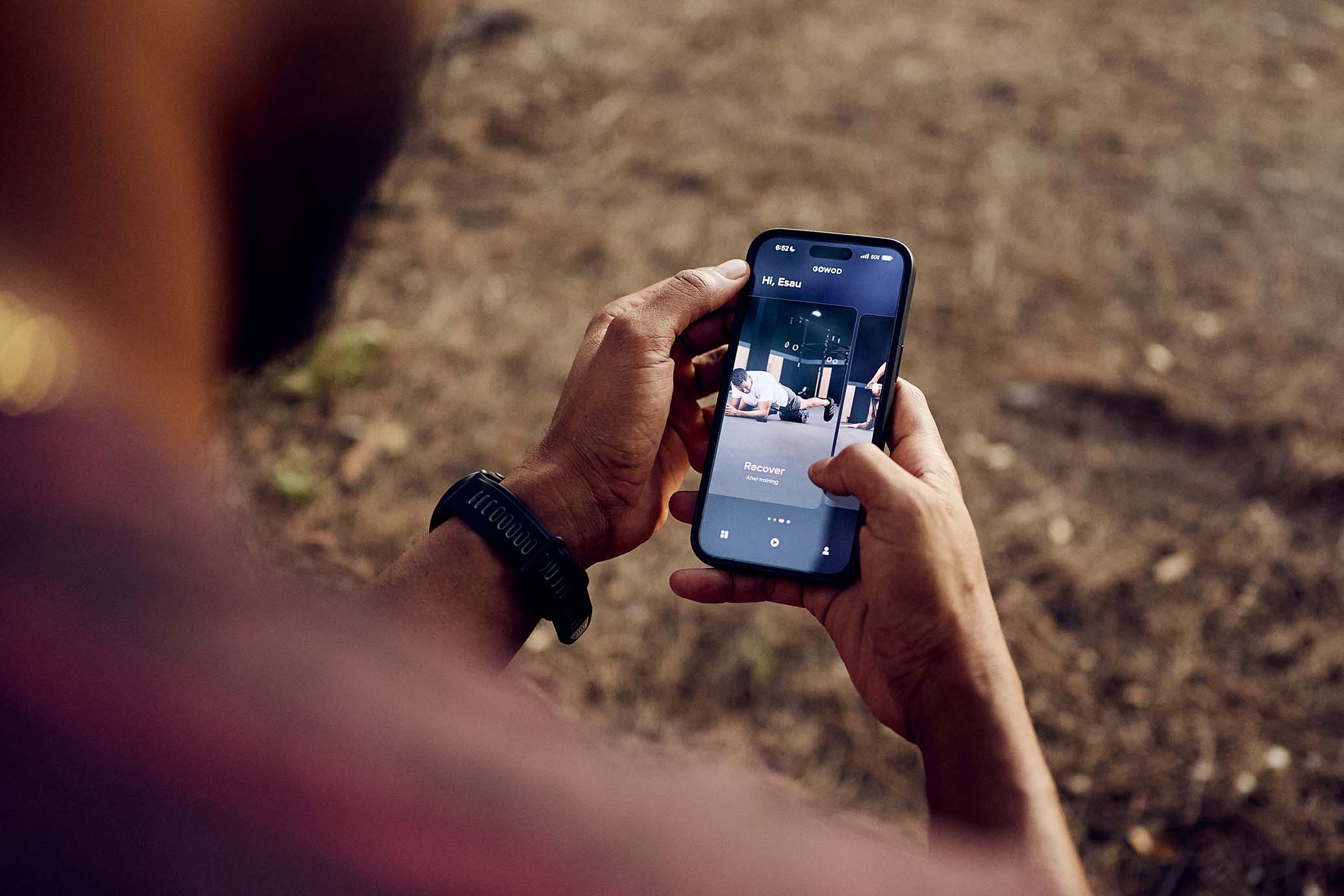
Today, the training programs segment of the running app market is expected to grow at a compound annual growth rate of 12.4% through 2034, driven by an increasing demand for AI-personalized coaching. This shift is vital because the historical injury rate for runners has often hovered near 80%. By using recovery monitoring apps for injury prevention, athletes can now look at their Heart Rate Variability and daily Training Load to decide if they should push for a personal best or take a much-needed rest day. These apps use biometric sensors to provide a holistic view of the athlete, ensuring that the work put in on the pavement is backed by scientific readiness.
Best Running Apps for Beginners: Building Confidence
For those just starting their journey, the barrier to entry used to be high. You needed a coach, a track, and a lot of guesswork. In 2026, the best running apps for beginners 2026 eliminate that friction. Leading the pack is Nike Run Club (NRC). It remains the gold standard for those looking for free running apps with gps tracking and no subscription.
What makes NRC stand out for a beginner is the Audio Coaching. Instead of staring at a watch and wondering if you are going too fast, you have elite coaches and athletes in your ear, guiding your pace and your mindset. This social motivation is coupled with a clean, indoor mode for treadmill sessions, making it versatile for any environment.
David’s Pro Tip: If you are starting from zero, don’t worry about distance. Focus on the guided runs in Nike Run Club that prioritize time. Learning to run for 15 minutes straight is a much bigger psychological win than hitting a specific mile marker.
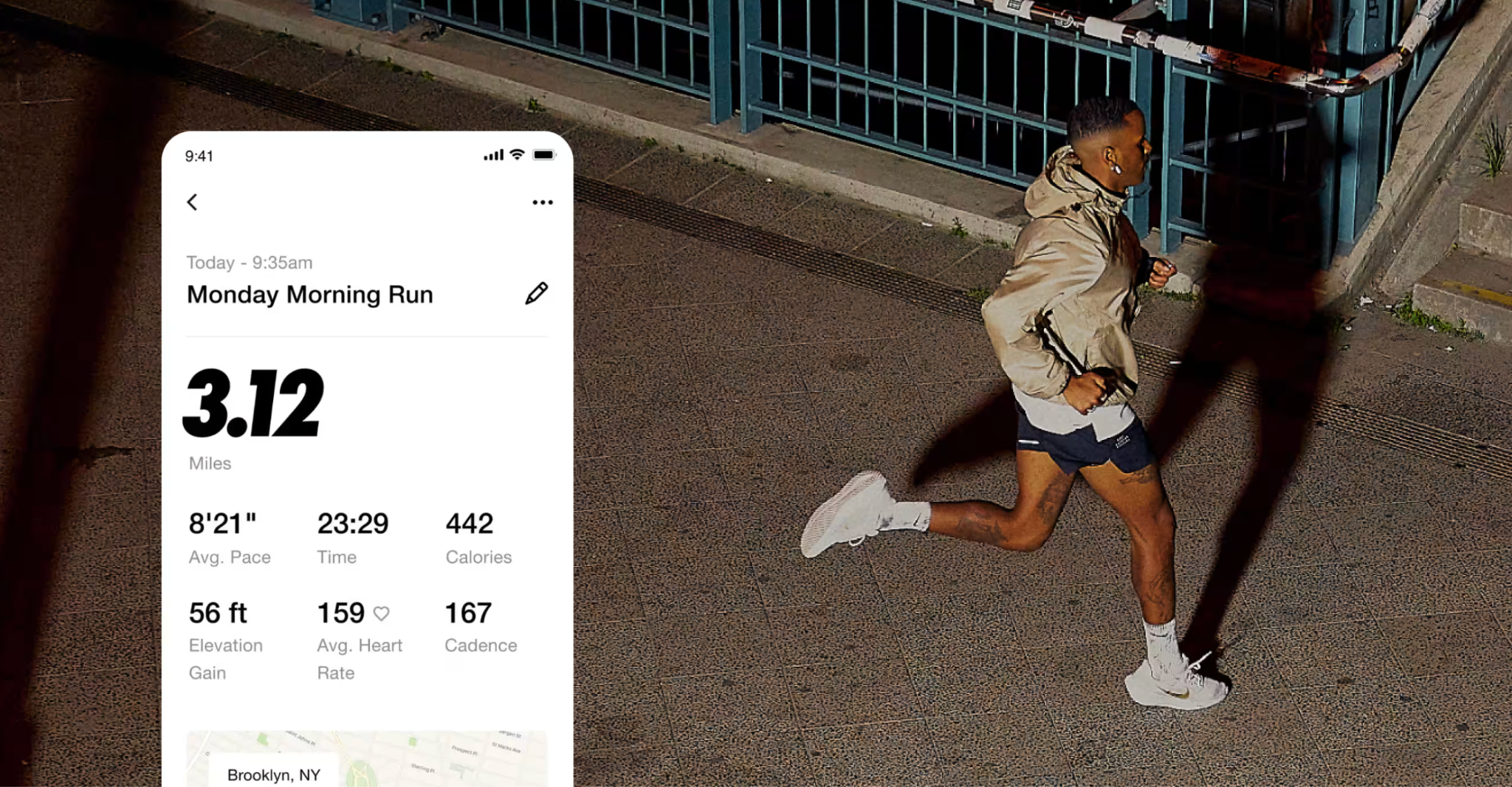
Perfect For: The Newbie
- App: Nike Run Club
- Best Feature: Audio-guided runs that teach you the "why" behind every workout.
- Why it works: It removes the "jargon barrier" and makes running feel accessible rather than a chore.
Scaling Performance: Best Running Apps for Half Marathons and Beyond
As you transition from casual jogs to specific race goals, the requirements for your tech stack change. This is where running training apps like Runna and Campus Coach come into play. These platforms specialize in providing personalized running plans that adapt in real-time. For instance, if you are using running training apps for half marathon goals, you need more than just a calendar of dates; you need a dynamic schedule that adjusts based on your actual performance in previous sessions.
Runna, which saw a significant surge in popularity following its deeper integration within the fitness ecosystem in 2024, uses athlete data to create a Race Pace Predictor. It looks at your current fitness level and your training volume to give you a realistic target for race day. These running apps with personalized training plans ensure that you aren't just running miles—you are running the right miles.
The focus here is on post-run analysis. After a hard tempo session, these apps analyze whether you hit your targets and adjust the intensity of your next endurance session accordingly. This level of precision was once reserved for professional athletes with personal coaches, but it is now available on your smartphone.
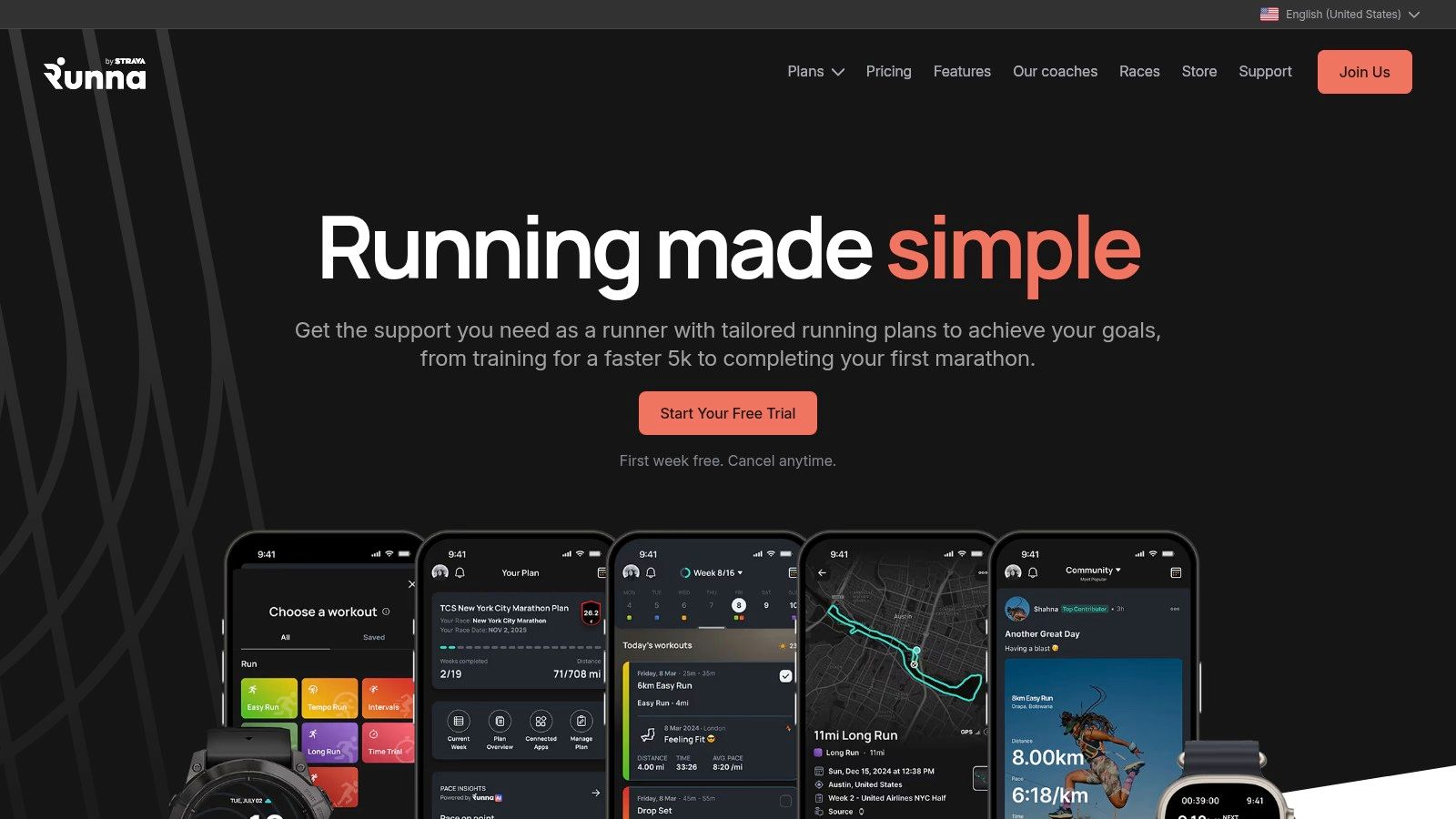
Perfect For: The Goal-Getter
- App: Runna
- Best Feature: Dynamic plan adjustment based on recent workout performance.
- Why it works: It takes the guesswork out of marathon prep, telling you exactly how fast to run every single interval.
The Data Deep-Dive: Advanced Metrics for Competitive Athletes
For the competitive athlete, data is the fuel for improvement. In 2026, advanced performance analysis apps for runners have moved beyond simple pace and distance. Tools like Runalyze and WHOOP are designed for the "data nerd" who wants to see the mechanical and physiological impact of their training.
These running progress trackers analyze complex metrics such as VO2 Max and Heart Rate Variability (HRV). VO2 Max is a primary indicator of aerobic fitness, and having an app that tracks its fluctuations over time allows you to see the direct results of your aerobic base building. Meanwhile, monitoring Heart Rate Variability provides a window into your nervous system's recovery.
- VO2 Max: Measures the maximum amount of oxygen your body can use during intense exercise.
- Training Load: A cumulative score of how much stress you are putting on your body.
- Heart Rate Variability: The variation in time between each heartbeat, used to measure recovery levels.
- Biometric Sensors: Integration with chest straps and optical sensors for high-fidelity data.
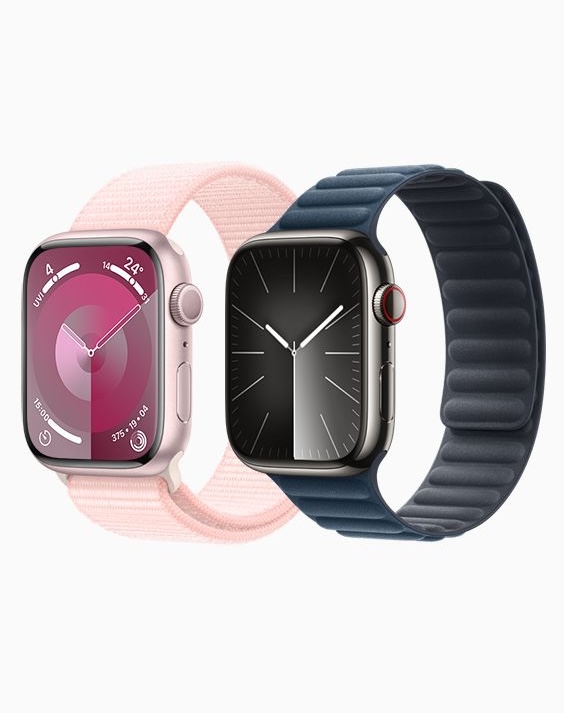
Many of these tools offer the best running apps for apple watch integration, allowing athletes to see live data on their wrist while the heavy-duty processing happens in the cloud. This allows for a precise balance between high-intensity training and the recovery needed to prevent overtraining.
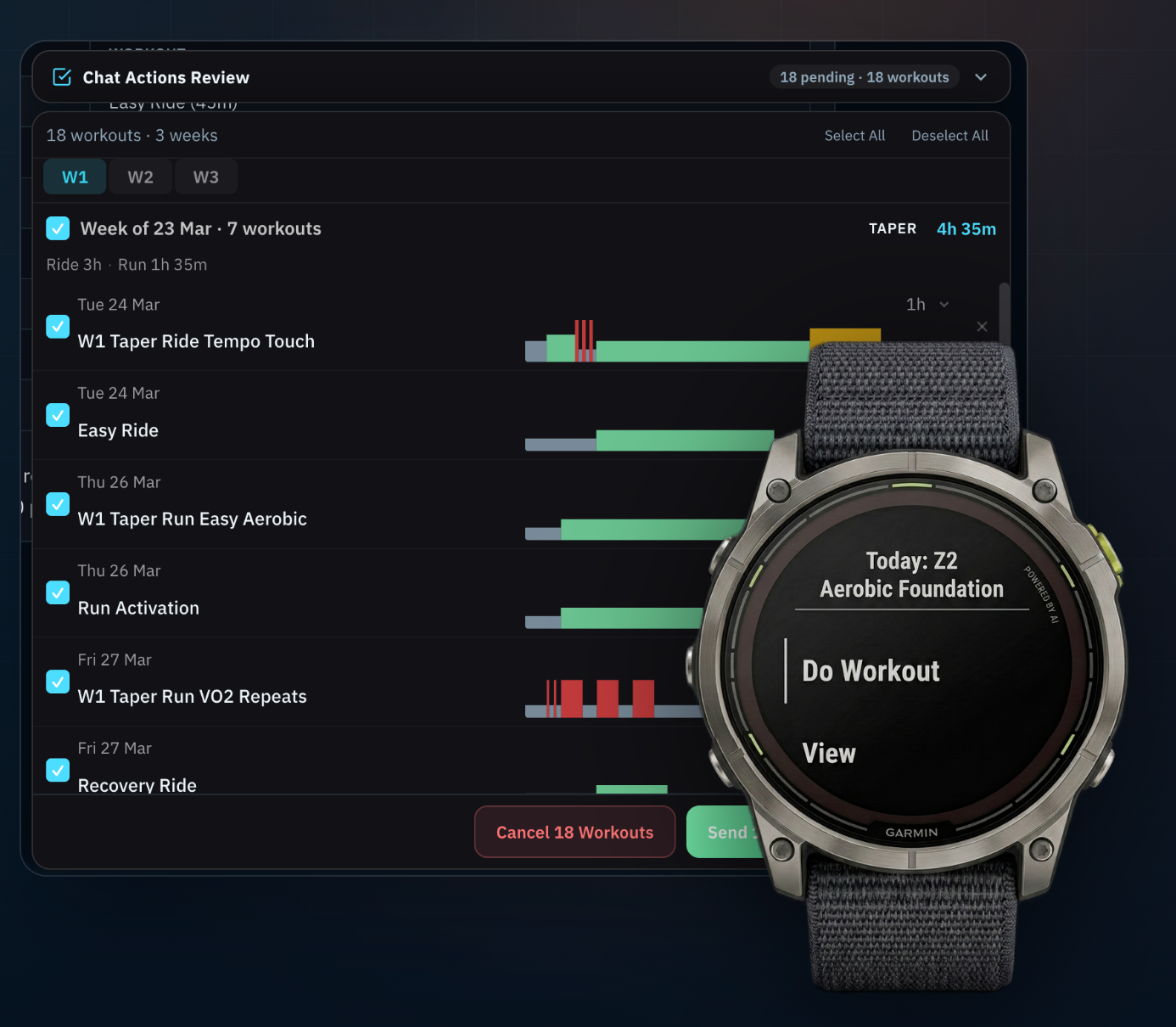
Perfect For: The Data Scientist
- App: Runalyze
- Best Feature: Detailed calculation of effective VO2 Max and marathon shape.
- Why it works: It provides a professional-grade analysis of every biometric data point collected by your sensors.
Choosing Your Running Tech Stack
Rarely does one app do everything perfectly. In 2026, most successful athletes use a tech stack. You might use Nike Run Club for the coaching, Strava for the social community and segment chasing, and Runalyze for the deep-dive post-run analysis.
When choosing your stack, consider the subscription tiers. While some apps are free, premium tools often cost around €17.99 per month. For a serious marathoner, this cost is a fraction of what a human coach would charge. However, for a casual runner, a free app with gps tracking is often more than enough.
The key is ensuring seamless integration. Your running progress trackers should all talk to each other. Whether you are using a Garmin, an Apple Watch, or just your phone, the data should flow into a central hub where you can view your long-term trends.
FAQ
What is the best free running app for beginners?
Nike Run Club is widely considered the best free option for beginners in 2026. It offers high-quality audio-guided runs, GPS tracking, and community challenges without requiring a monthly subscription, making it the perfect entry point for those new to the sport.
Are paid running apps worth the subscription cost?
Yes, if you have a specific goal like a half-marathon or marathon. Paid apps like Runna provide personalized training plans that adapt to your fitness level, which can significantly improve your performance and reduce the risk of injury compared to following a static, generic plan.
Which running app is the most accurate for tracking distance?
Accuracy depends more on your hardware (like your phone's GPS or a dedicated sports watch) than the app itself. However, apps like Strava and Runna that use advanced algorithms to smooth out GPS "noise" tend to provide the most consistent distance and pace data across different environments.
Can I use a running app on a smartwatch without a phone?
Most modern apps, including Nike Run Club and Strava, offer standalone versions for the Apple Watch and Wear OS devices. This allows you to track your run, view live metrics, and even listen to audio coaching using only your watch and Bluetooth headphones.
How do I choose the right running app for my fitness level?
Beginners should look for apps with audio coaching and simple interfaces (like NRC). Intermediate runners should prioritize apps with structured training plans (like Runna). Advanced athletes should seek out apps that offer deep biometric analysis and recovery tracking (like Runalyze or WHOOP).
Do running apps include heart rate monitoring features?
Almost all major running apps now include heart rate monitoring features, provided you have a compatible wearable device. They can track your heart rate zones in real-time to ensure you are training at the correct intensity for your specific workout goals.