Our Top Picks
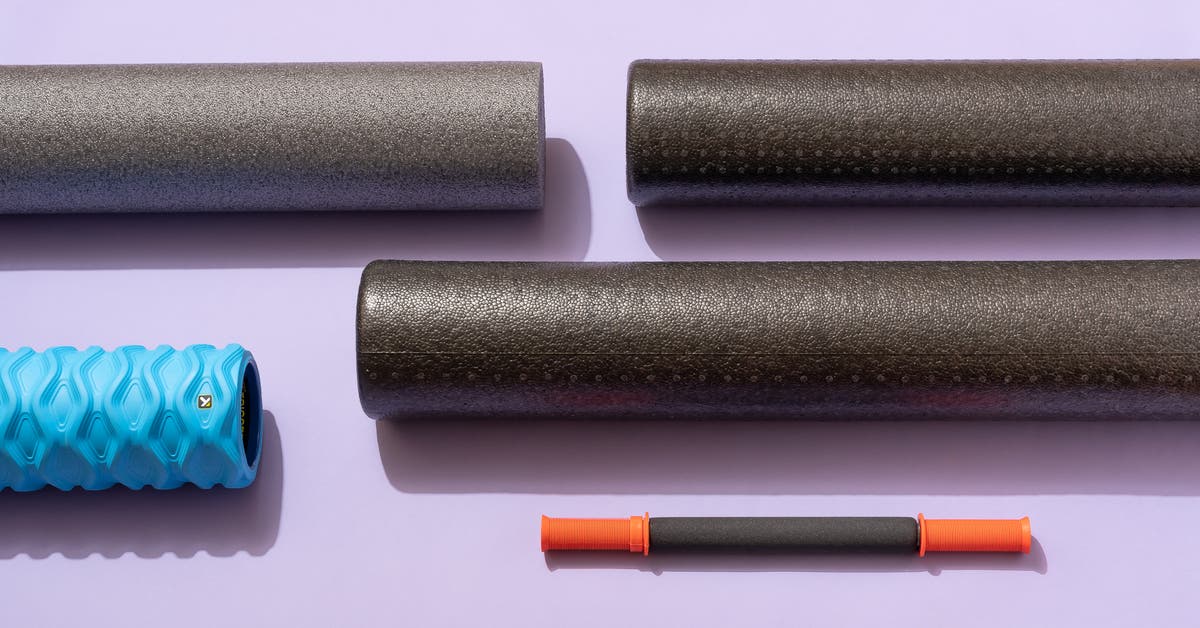
- Best Overall: TriggerPoint Performance Grid 1.0 — Unmatched durability and a multi-density surface that handles everyday use.
- Best for Runners: 321STRONG Medium Density Roller — Designed specifically to target IT bands and calves without being overly aggressive.
- Best High-Tech: Hyperice Vyper 3 — A vibrating powerhouse with high-intensity settings for rapid circulation.
- Best Value: Amazon Basics High-Density Roller — A simple, effective, and budget-friendly choice for any home gym.
- Best for Beginners: lululemon Double Roller — Features a softer exterior for sensitive muscles and a firmer interior for focused work.
The best foam rollers for muscle recovery in 2025 include the TriggerPoint Performance Grid 1.0 for overall versatility, the 321STRONG roller for runners, and high-density options like the LuxFit Premium for deep tissue work. Beginners often benefit from adjustable tools like the lululemon Double Roller, while those seeking advanced recovery may prefer vibrating models like the Zyllion or Hyperice Vyper Go for enhanced circulation. Choosing the right tool requires understanding your specific mobility needs and pain tolerance, ensuring you select expert tested foam rollers for muscle tension relief that you will actually use consistently.
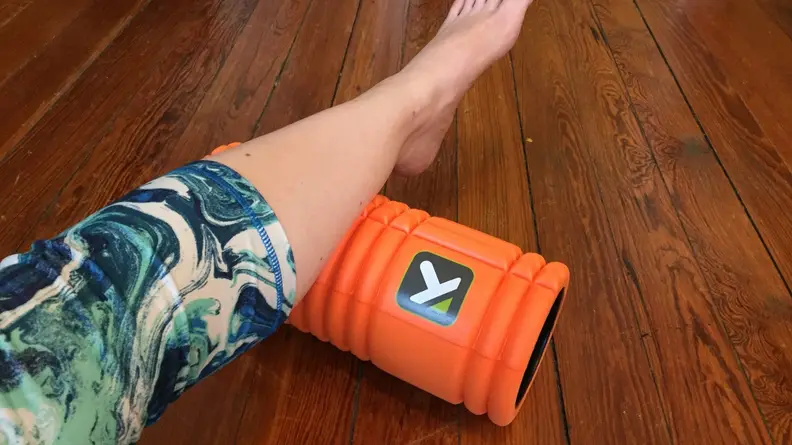
The Science of Recovery: Why Use a Foam Roller?
If you are training hard, you are creating microscopic tears in your muscle fibers. During the repair process, the fascia—the connective tissue surrounding your muscles—can become tight or develop what we call adhesions. Think of your muscle like a piece of rope; if there is a knot in the middle of that rope, stretching from the ends only makes the knot tighter. You have to physically press on that knot to break it up. This is the core principle of self-myofascial release benefits.
By applying controlled pressure to these trigger points, you are performing a self-massage that signals the nervous system to let the muscle relax. The global foam roller market is projected to reach a valuation of approximately $1.8 billion by 2025, and for good reason. It is no longer just for elite athletes; it is a foundational tool for anyone moving their body. Research indicates that post-exercise foam rolling can improve the recovery of strength performance by an average of 5.6% and reduce muscle pain perception by 6%.
Regular use of a foam roller for muscle recovery does more than just soothe aches. It helps flush out metabolic waste, increases blood circulation to the targeted area, and can significantly reduce the effects of delayed-onset muscle soreness. When you use the right myofascial release technique, you are essentially pre-habilitating your body, ensuring that muscle fascia stays supple and responsive for your next session.
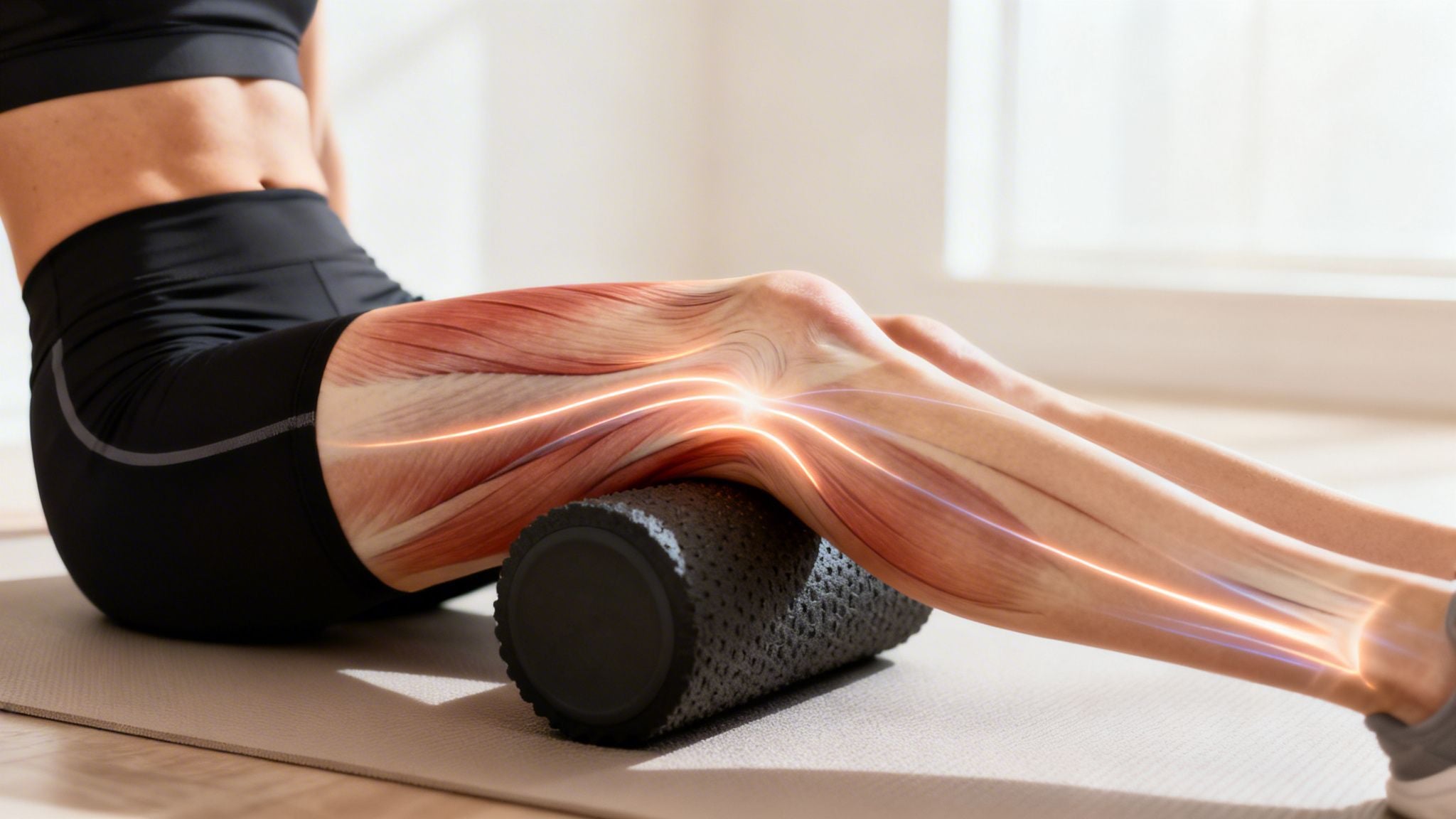
How to Choose: The Foam Roller Density Guide
Selecting the right foam roller density depends on your pain tolerance and specific recovery goals. Low-density or soft rollers are ideal for beginners and sensitive areas, providing a gentler massage. High-density, firm rollers are better suited for intermediate users and deep tissue release, as they maintain their shape under pressure to effectively target stubborn muscle knots and improve blood flow to massaged tissue.
| Material Type | Density Level | Best For |
|---|---|---|
| Polyethylene (PE) | Soft/Medium | Beginners, gentle recovery, spinal alignment |
| EVA Foam | Medium/Firm | All-purpose, grid patterns, high-traffic use |
| Expanded Polypropylene (EPP) | High/Extra Firm | Deep tissue massage, athletes, chronic knots |
If you are just starting, a smooth, low-density roller made of PE foam is your best bet. It offers more "give," which is essential if your muscles are particularly inflamed or if you have a lower pain threshold. As you progress, you will likely find the benefits of grid foam rollers vs smooth foam rollers to be significant. The grid design, usually built around a hollow core design, mimics the different parts of a human hand—fingertips, palms, and thumbs—to provide a more varied and effective massage.
For those who need to get deep into the muscle, high density foam roller benefits for deep tissue massage cannot be overstated. These rollers, often made of EPP, do not compress under the weight of your body, allowing you to pin down a trigger point and work through the tension. However, be cautious: jumping straight to an extra-firm roller can cause your muscles to tense up in response to the pain, which defeats the purpose of the exercise.
Expert-Tested Reviews: The 27 Best Foam Rollers of 2025
We have put dozens of models through the wringer, from the gym floor to the living room. In North America, more than 55% of gym-goers use foam rollers regularly, and our testing reflects the most common needs of this diverse group.
The All-Rounders: Best for Most People
- TriggerPoint GRID 1.0: The industry standard for a reason. The hollow core design prevents it from breaking down over time, and the EVA foam material is perfectly balanced between comfort and firmness.
- Gaiam Restore Compact: A shorter 12-inch version that is perfect for smaller living spaces without sacrificing the ability to hit the major muscle groups.
- ProSourceFit High Density: A no-frills EPP roller that is incredibly stiff. If you want the deepest possible pressure for the lowest price, this is it.
- TriggerPoint GRID 2.0: The 26-inch version of our top pick, offering more stability for rolling out the back and lats.
Best for Runners and Endurance Athletes
Running puts immense stress on the lower body, particularly the IT bands, quads, and calves. The best foam rollers for runners with tight IT bands often have a medium density to allow for consistent rolling without bruising the sensitive connective tissue.
- 321STRONG Medium Density: This roller features a unique triple-zone massage surface. It is soft enough for the IT band but has enough texture to get into the calves.
- Rollga Foam Roller: Its contoured shape is designed to fit your body's curves, protecting your spine and shins while you roll.
- The Stick (Travel Stick): While not a traditional roller, it is a runner's staple for targeted calf and quad work when you cannot get on the floor.
- Pro-Tec Athletics Orb: A spherical foam "ball" roller that allows for multi-directional movement, perfect for the glutes and piriformis.
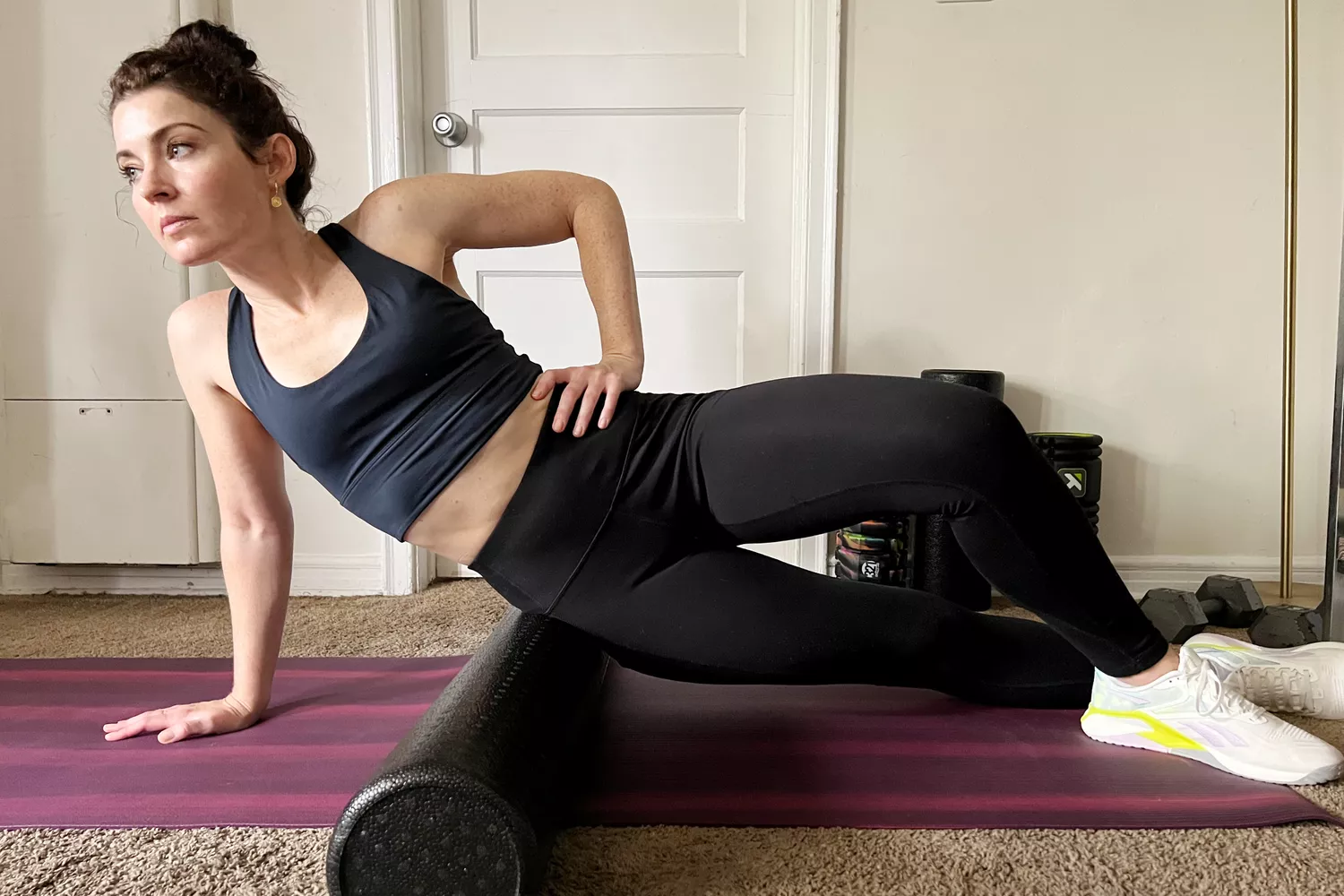
Best for Beginners and Sensitive Muscles
If you are new to athletic recovery, high-density rollers might feel like rolling on a brick. These low density foam rollers for beginners with sensitive muscles provide a much more approachable entry point.
- lululemon Double Roller: This is a genius two-in-one design. The outer layer is squishy and soft, while the inner pull-out roller is firmer for when you feel ready to level up.
- OPTP LOX Soft Roller: Used frequently in physical therapy offices, this roller is incredibly gentle and excellent for restorative yoga or light mobility exercises.
- Sklz Barrel Roller (Soft): Offers a larger surface area and a very forgiving foam that is perfect for rolling out after a long walk or a light workout.
- Amazon Basics Soft Roller: An affordable way to start your journey into self-myofascial release without a large investment.
Best for Upper Back and Neck Tension
Most of us spend too much time hunched over screens. The best foam rollers for upper back and neck tension are usually smaller or have a "peanut" shape to avoid direct pressure on the cervical spine.
- Rad Roller: A classic peanut shape that cradles the spine, allowing you to work the paraspinal muscles safely.
- TriggerPoint MB5: A large massage ball that acts like a foam roller but offers more precision for the upper traps and rhomboids.
- Blackroll Standard: A shorter, firmer German-engineered roller that is excellent for thoracic mobility work.
- Theragun Wave Solo: A vibrating ball that fits perfectly into the suboccipital muscles at the base of the skull.
Best High-Tech and Vibrating Rollers
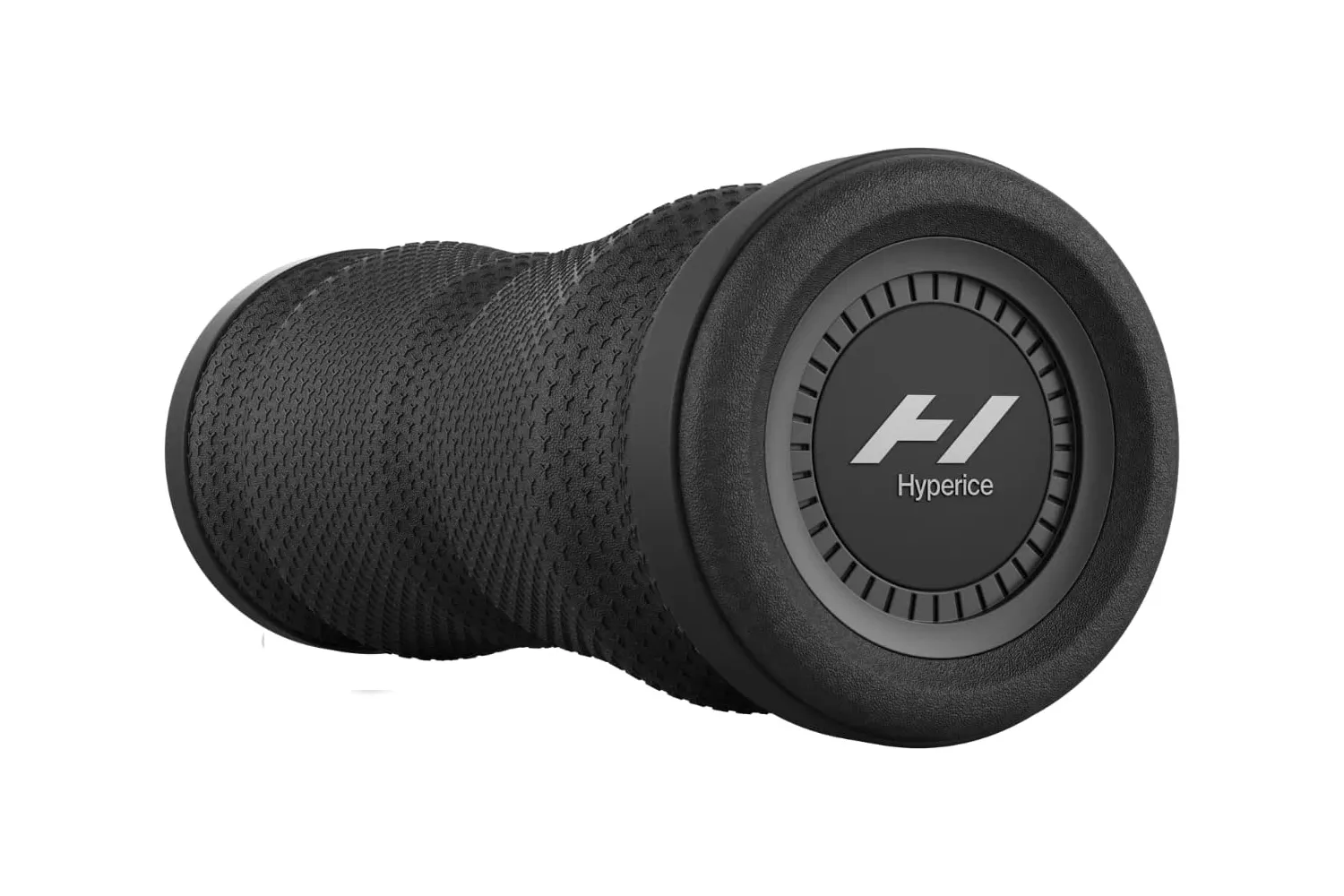
The debate of vibrating foam rollers vs traditional rollers for recovery is shifting toward tech. Vibration helps "distract" the nervous system, allowing you to apply more pressure with less discomfort while significantly increasing blood flow.
- Hyperice Vyper 3: The gold standard. With three speeds of high-intensity vibration and a 34W motor, it moves through tissue like nothing else.
- Zyllion Vibrating Foam Roller: A more budget-friendly vibrating option that still offers four intensity levels and a rechargeable battery.
- Therabody Wave Roller: Features a wave-shaped texture and Bluetooth connectivity to guide you through routines via an app.
- Vulken 4-Speed Roller: Known for its long battery life and high-frequency vibration, ideal for professional-level recovery.
- Hyperice Vyper Go: A smaller, more portable version of the Vyper 3 that doesn't compromise on power.
Best Portable and Travel-Friendly
Don't let your recovery routine slip just because you are on the road. Portable foam rollers for travel and gym bags have come a long way in terms of design.
- Brazyn Morph Trek: This incredible roller folds flat. You can slide it into a laptop sleeve, and it pops open into a full-sized, high-density roller in seconds.
- TriggerPoint GRID STK: A handheld version of the classic Grid, perfect for the quads and hamstrings while sitting in a car or on a plane.
- FitIndex Foldable Roller: Another collapsible option that is slightly heavier but offers a very firm rolling surface.
- Lululemon Mini Foam Roller: Only 10 inches long and very lightweight, making it an easy addition to any carry-on.
- RumbleRoller Beastie: While technically a ball, its aggressive spikes make it a travel-sized powerhouse for deep tissue work.
- GoFit 12-inch Go Roller: Comes with its own mesh carrying bag and a training manual, making it a complete travel kit.
Technique Matters: How to Foam Roll Properly
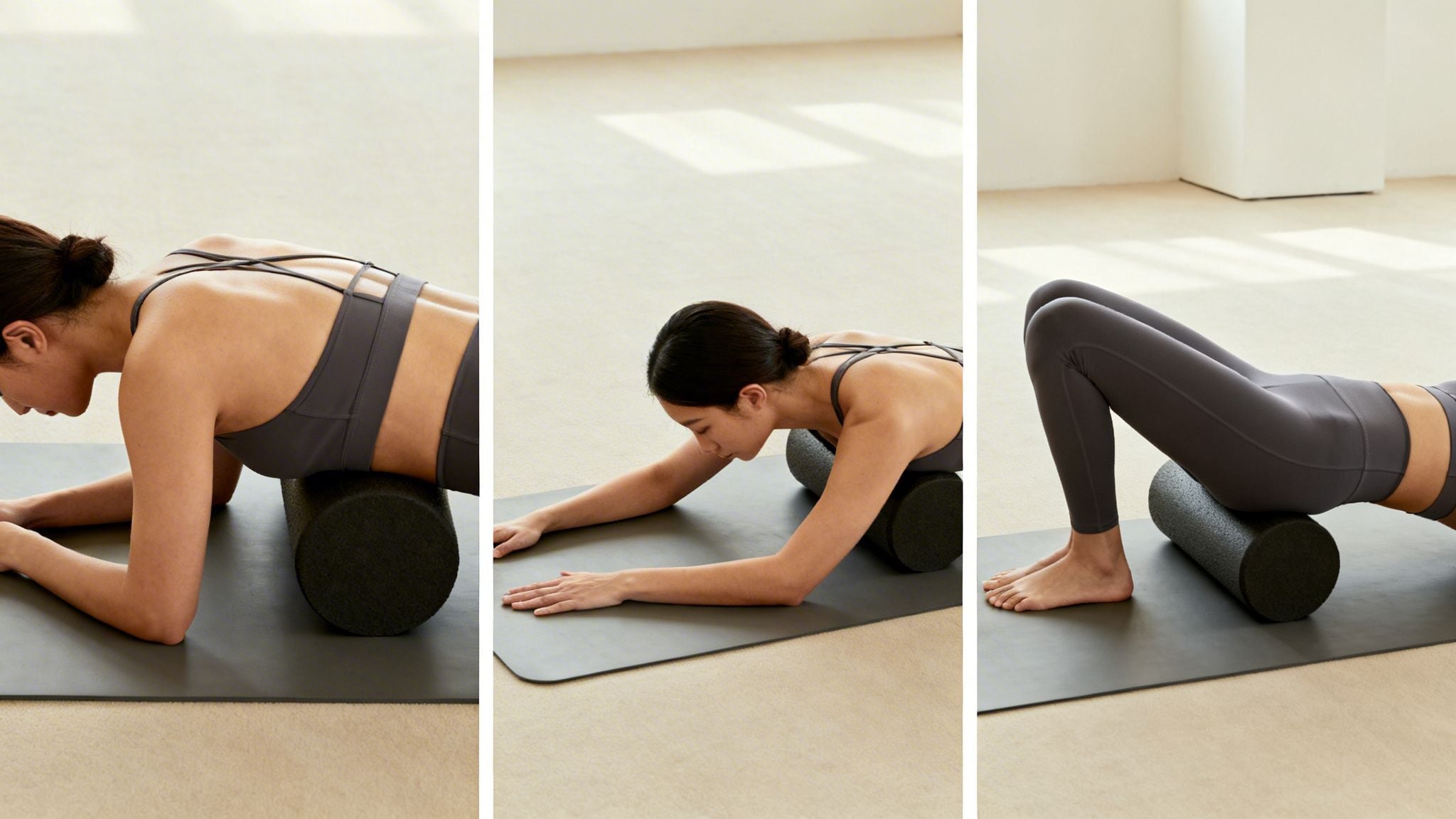
Buying the best tool is only half the battle; the rest is how you use it. I see people at the gym rolling back and forth at lightning speed, which does almost nothing for your connective tissue. Effective foam rolling for muscle recovery requires a slow, clinical approach.
Start by moving at a pace of roughly one inch per second. When you find a tender spot—what we call a trigger point—stop. Do not roll over it repeatedly. Instead, hold the pressure on that spot for 20 to 30 seconds. You might feel a slight "release" or a reduction in the dull ache; that is your fascia relaxing. Continue this for 30 to 60 seconds per muscle group.
Safety is paramount. Never roll directly over a bone or a joint. For example, if you are working your quads, stop just above the knee and just below the hip. Also, avoid rolling your lower back (lumbar spine) with a traditional large roller, as this can cause the spinal muscles to guard and seize up. Instead, stick to the meaty parts of your glutes, legs, and upper back.
FAQ
How do I choose the right foam roller?
Consider your experience level and your primary goal. If you are new to recovery, start with a medium-density smooth roller. If you are a serious athlete dealing with deep knots, look for a high-density roller with a grid texture. Size also matters; a 36-inch roller is best for back work, while a 12-inch model is better for limbs and travel.
Are hard or soft foam rollers better for beginners?
Soft foam rollers are generally better for beginners. They allow your body to get used to the sensation of myofascial release without causing excessive pain. A roller that is too hard can cause you to hold your breath and tense up, which prevents the muscle from actually relaxing.
What are the benefits of using a foam roller?
Using a foam roller improves blood flow, reduces muscle soreness after a workout, and increases your joint range of motion. It helps break up adhesions in the fascia, which can improve your overall movement quality and help prevent injuries caused by muscular imbalances.
Is a vibrating foam roller better than a regular one?
Vibrating foam rollers are not necessarily "better," but they are more efficient for certain goals. The vibration helps to desensitize the area, allowing you to reach deeper tissues with less perceived pain. It also increases local blood circulation faster than a static roller.
How often should you use a foam roller?
For the best results, consistency is key. You can safely foam roll every day. Many athletes find that a quick 5-minute session before a workout to wake up the muscles and a longer 10-15 minute session in the evening for recovery works best.
Should you foam roll before or after exercise?
You can do both. Before exercise, foam rolling acts as a dynamic warm-up to increase blood flow and mobility. After exercise, it helps flush out toxins and reduce the intensity of delayed-onset muscle soreness. If you only have time for one, post-workout is usually the most beneficial for recovery.
Ready to Recover?
Investing in a foam roller is one of the most cost-effective ways to improve your athletic performance and general well-being. Whether you choose the versatile TriggerPoint Grid or a high-tech vibrating model, the key is to make it a non-negotiable part of your routine. Start slow, focus on your breathing, and let the equipment do the work. Your muscles will thank you tomorrow.