Our Top Picks
- Best Overall for Value: Titan Fitness Economy H-PND — Delivers professional-grade spinal traction and heavy-duty steel construction at a price point accessible for most home gym owners.
- Best for Small Spaces: Freak Athlete Hyper Pro — A revolutionary 9-in-1 machine that provides the essential reverse hyper motion without the massive footprint of traditional industrial units.
- Best Mid-Range Professional Alternative: SPART H-PND — Offers a stable base and a exceptionally smooth pendulum motion that mimics the high-end machines found in elite powerlifting facilities.
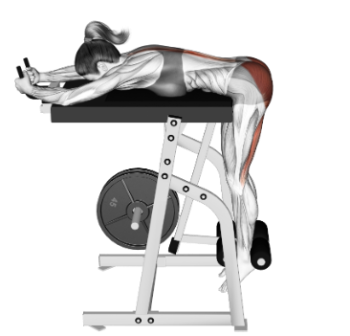
A reverse hyper machine strengthens the glutes, hamstrings, and lower back while providing essential spinal decompression. Unlike traditional exercises that compress the vertebrae, the pendulum-swing mechanism creates traction in the lumbar spine. This process promotes disc rehydration and relief from sciatica by flushing nutrients into avascular tissues, making it a vital tool for both injury rehab and powerlifting performance.
| Machine | Best For | Weight Capacity | Construction |
|---|---|---|---|
| Titan Fitness Economy H-PND | Value & Durability | 700 lbs | Steel Gauge: 11-gauge |
| Freak Athlete Hyper Pro | Compact Versatility | 450 lbs | Portability: High |
| SPART H-PND | Smooth Pendulum Feel | 500 lbs | Steel Gauge: 11-gauge |
The Science of Traction: Why Your Back Needs a Reverse Hyper
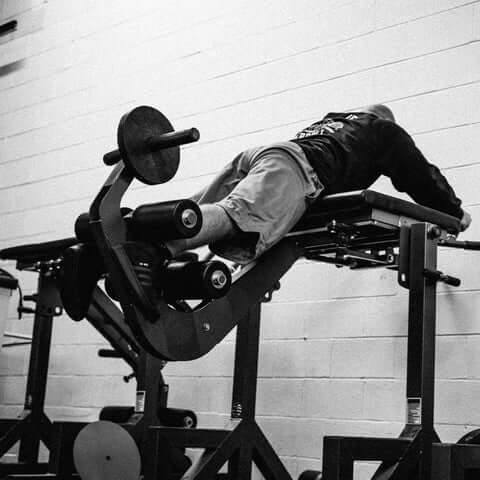
The story of the reverse hyper machine begins in 1973, when legendary powerlifter Louie Simmons fractured his vertebrae for the second time. Refusing surgery, he developed a device that allowed for the active rehabilitation of the lower back by reversing the traditional hyperextension. Instead of the upper body moving while the legs are fixed, the reverse hyper machine keeps the torso stationary while the legs swing, creating a tractioning effect.
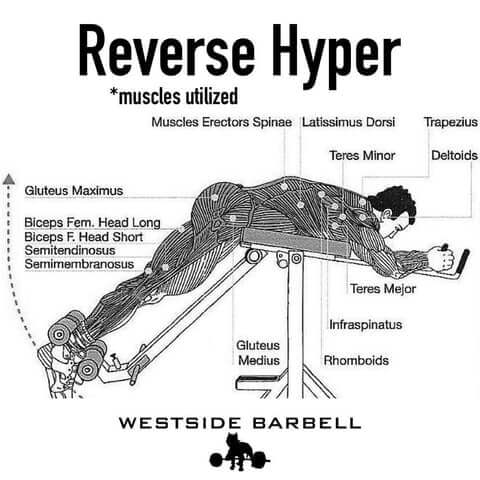
When you use a reverse hyper machine, you are engaging in a cycle of traction and contraction. During the eccentric phase (the downward swing), the weight pulls the legs forward, stretching the lumbar paraspinals and opening the joint space between vertebrae. This allows nutrient-rich fluid to enter the avascular structures of the lower spine, a process critical for disc rehydration. During the concentric phase (the upward lift), the glutes, hamstrings, and lower back must fire together to move the weight, building immense posterior chain power.
Cuthbert et al. Study Highlight A 2021 research study by Cuthbert et al. found that the Reverse Hyper machine produces greater peak Electromyography (EMG) muscle activation in the erector spinae, gluteus maximus, and biceps femoris compared to traditional hyperextension machines.
Further supporting this, research from 2019 indicates that the reverse hyper machine provides comparable erector spinae muscle activity to standard hyperextension equipment while placing significantly less stress on the lumbar spine. This makes it one of the most effective lower back decompression exercises available for athletes who want to train hard without accumulating spinal wear and tear. According to Louie Simmons at Westside Barbell, the machine is designed to facilitate spinal decompression and disc hydration by creating a tractioning effect that allows fluid to flush back into the discs.
1. Titan Fitness Economy H-PND: Best Overall for Value
For those seeking the best reverse hyper machine for home gym 2026 usage, the Titan Fitness Economy H-PND stands out as the most pragmatic choice. Titan Fitness has managed to condense the essential mechanics of a professional Westside Barbell unit into a frame that fits into a garage or spare room without sacrificing the heavy-duty steel tubing required for heavy lifting.
This model is constructed with high-quality Steel Gauge: 11-gauge steel, ensuring it doesn't wobble or shift even when loaded with several hundred pounds. The inclusion of long weight plate horns allows you to scale your training from high-rep restoration work to heavy posterior chain strengthening equipment sessions. It provides the core functionality of spinal traction at an accessible price point, making it my top recommendation for athletes who want results without a four-figure investment.
The footprint is efficient, yet the machine feels incredibly robust. The padding is firm enough to support the torso during heavy sets but soft enough to prevent discomfort during the long eccentric phase. For anyone looking for reverse hyperextension benefits for lower back decompression, this machine delivers the necessary pendulum swing mechanism to get the job done reliably every session.
2. Freak Athlete Hyper Pro: Best for Small Spaces
One of the biggest hurdles for home gym owners is the sheer size of professional strength equipment. The Freak Athlete Hyper Pro solves this by offering a compact reverse hyper machines for small workout spaces solution that doesn't compromise on movement quality. This unit is uniquely designed as a 9-in-1 tool, but its execution of the reverse hyper motion is what truly impresses me.
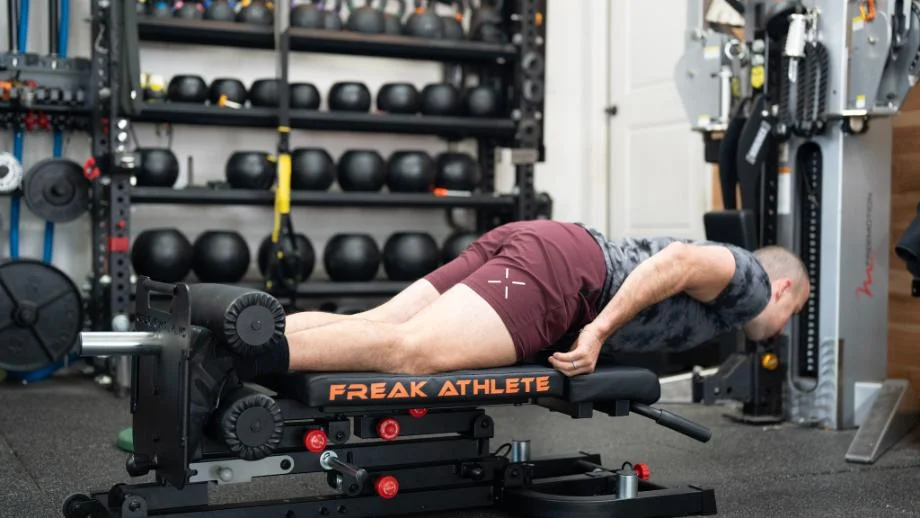
At roughly 108 lbs, it is significantly lighter than the 300+ lbs industrial units, yet it remains surprisingly stable. It utilizes a clever design that allows it to be folded or moved easily, which is a game-changer for those training in tight quarters. Despite its smaller size, it still provides the necessary concentric contraction required to build the glutes and hamstrings while offering the decompression benefits that users with lower back issues crave.
If you are choosing a reverse hyper machine for injury rehab but only have a corner of a room to work with, the Freak Athlete model is the way to go. It bridges the gap between a specialized medical tool and a versatile piece of strength equipment.
3. SPART H-PND: Best Mid-Range Professional Alternative
The SPART H-PND is a beast of a machine that leans closer to the industrial standards found in professional powerlifting gyms. This is the machine for the athlete who prioritizes a smooth pendulum motion above all else. When you are swinging weight to decompress the spine, any friction in the bearings can disrupt the traction effect. The SPART H-PND uses high-grade bearings to ensure the weight moves in a perfect, fluid arc.
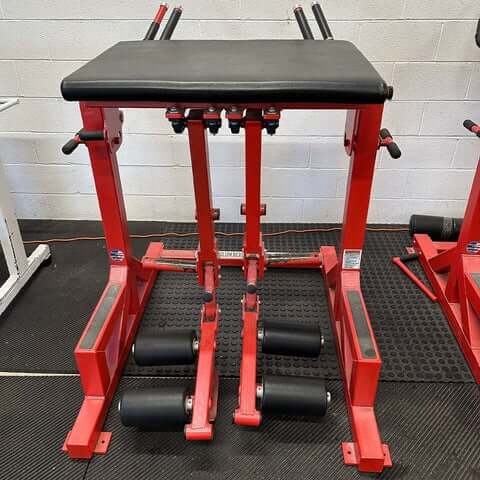
This machine is built with Steel Gauge: 11-gauge steel and features a wide, stable base that eliminates any tipping risk. It is a professional-grade alternative for those who want the Westside Barbell experience at a more competitive price. The hand grips are positioned to allow for maximum lat engagement, which is a key technical cue when performing this movement to protect the upper back and neck.
The SPART H-PND is particularly effective for those dealing with chronic issues like sciatica relief because of how consistently it maintains the pendulum swing mechanism throughout the set. It feels "locked in," allowing the user to focus entirely on the mind-muscle connection in the glutes and the relief in the lumbar spine.
Programming for Power and Restoration
Knowing how to program reverse hyper for posterior chain power is just as important as choosing the right machine. I typically categorize reverse hyper work into two buckets: restoration and strength.
For restoration and disc rehydration, the goal is high volume and low intensity. Perform 3 to 4 sets of 15 to 25 repetitions using roughly 25% of your max squat weight. The focus here is not on the burn, but on the traction. Let the weight pull your legs forward at the bottom to maximize the stretch in the lumbar paraspinals.
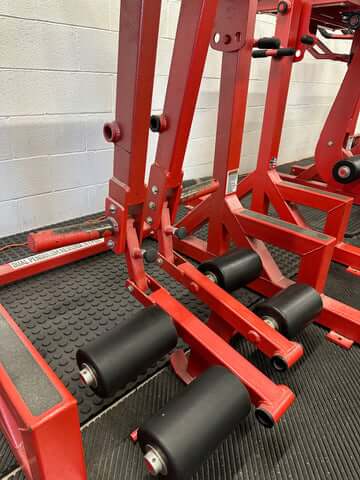
For building raw power and posterior chain strengthening equipment gains, increase the intensity. Aim for 4 sets of 10 to 12 repetitions using 50% or more of your max squat. Here, you want a powerful concentric contraction at the top, squeezing the glutes hard before controlling the descent. Avoid using uncontrolled momentum to "cheat" the weight up; the movement should be a rhythmic, controlled swing.
Common Mistakes to Avoid
Even the best reverse hyper machine can cause issues if your technique is flawed. To ensure you are getting the full reverse hyperextension benefits, watch out for these common errors:
- The Cheat: Using excessive momentum to throw the weight up. This bypasses the muscle activation in the glutes and hamstrings and can lead to jarring at the top of the movement.
- Forgetting the Lats: Your upper body must be an anchor. Grip the handles firmly and pull your chest into the pad to create a stable platform. This prevents your torso from sliding and ensures the movement happens at the hips.
- Overextending the Top: You do not need to swing your legs as high as possible. Going past a neutral spine position can cause compression at the top, which defeats the purpose of the exercise. Stop when your legs are in line with your torso.
- Missing the Traction: Many beginners stop the weight before it swings forward under the machine. You must allow the pendulum to swing through the bottom to experience the spinal traction that leads to sciatica relief and disc health.
FAQ
What are the primary benefits of using a reverse hyper machine?
The primary benefits include strengthening the entire posterior chain (glutes, hamstrings, and lower back) while simultaneously providing spinal decompression. By using a pendulum swing mechanism, the machine pulls the lower body to create traction, which helps in disc rehydration and increases blood flow to the lower back.
Does the reverse hyper machine help with lower back pain?
Yes, it is widely used for lower back pain relief, particularly for issues related to spinal compression, such as herniated discs or sciatica. The traction effect helps open up the vertebrae, reducing pressure on nerves and allowing nutrient-rich fluids to enter the spinal discs.
What is the difference between a hyper extension and a reverse hyper?
In a reverse hyper machine vs traditional back extension comparison, the main difference is the point of movement. In a traditional back extension, your legs are fixed and your upper body moves, which can cause spinal compression. In a reverse hyper, your torso is fixed and your legs move, which creates a tractioning effect that decompresses the spine.
Is the reverse hyper machine safe for people with herniated discs?
Generally, the reverse hyper machine is considered safer and more therapeutic for herniated discs than many other exercises because of its decompression properties. However, it is essential to start with very light weight and focus on a controlled range of motion. Always consult with a medical professional before starting a new rehab protocol for a diagnosed injury.
Is a reverse hyper machine worth it for a home gym?
If you suffer from chronic back tightness or participate in heavy strength training like squats and deadlifts, it is arguably one of the most valuable investments you can make. While it takes up more space than a kettlebell, the unique combination of strength building and spinal restoration is difficult to replicate with any other piece of equipment.