Our Top Picks
The Attune app is a game-changer for those seeking a calm signal in a world of data-heavy hardware. It offers a seamless, non-wearable health tracker experience that measures vital signs through a simple 60-second scan, making it the premier choice for individuals who want deep physiological insights without the discomfort of a physical watch.
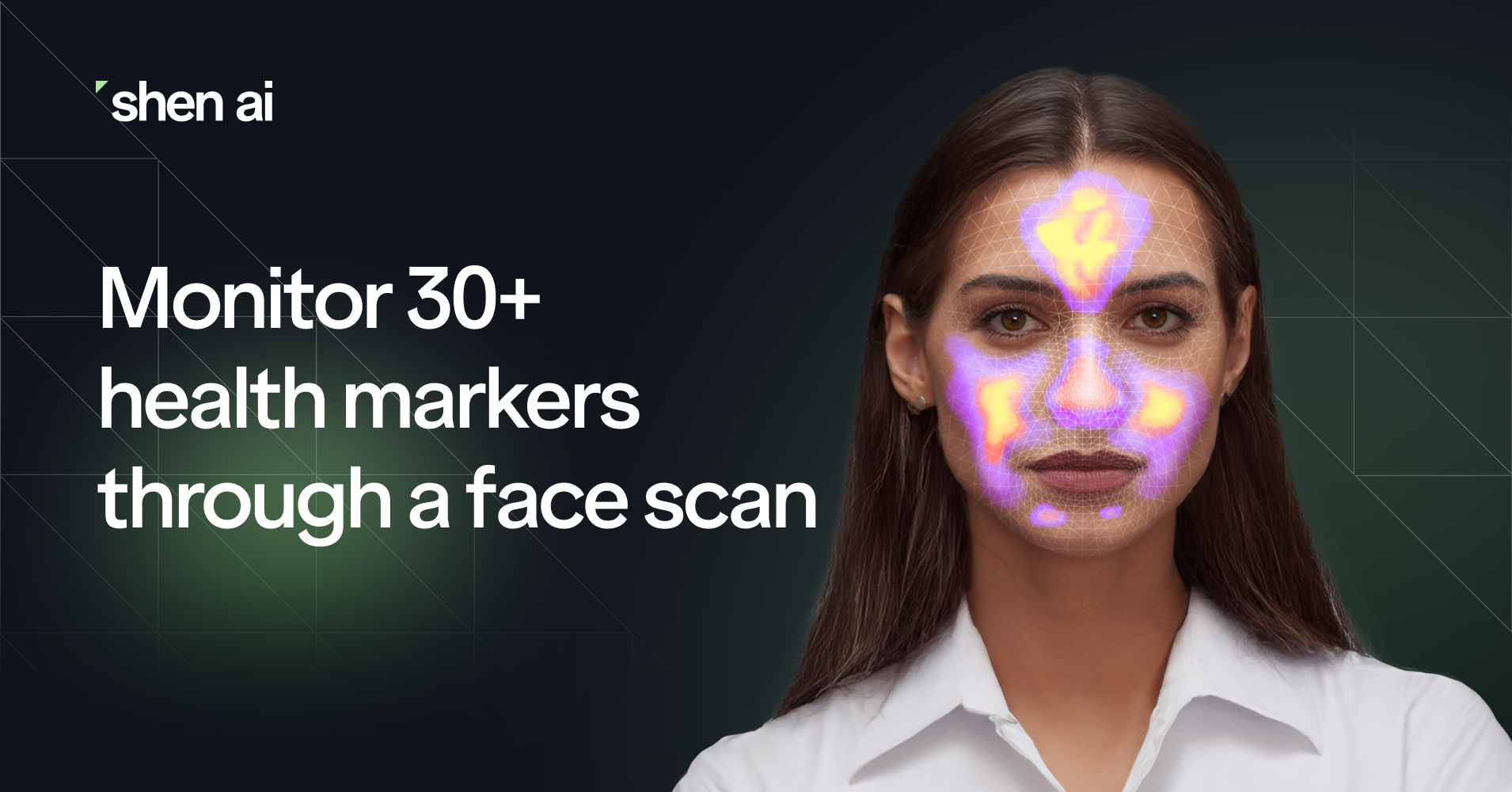
The Attune app review confirms that this non-wearable health tracker utilizes Remote Photoplethysmography (rPPG) and AI-driven face scanning to monitor vital signs through a smartphone camera. By analyzing light reflected from the skin surface, the app provides real-time readings of cardiovascular metrics and stress levels, offering a non-invasive way to track wellness data using machine learning algorithms.
For many of us in the preventive healthcare space, the constant tether of a smartwatch can feel more like a source of stress than a tool for relief. While a study in 2022 found that approximately 40% of Americans regularly incorporate smartwatches or fitness trackers into their daily routines, a growing number of people are looking for a way to unplug while staying informed. This is where the Attune app review for fitness watch replacement becomes a vital conversation for the modern wellness enthusiast.
The Technology: How AI Face Scanning Works
At the heart of Attune is a sophisticated technology known as Remote Photoplethysmography (rPPG). While it sounds complex, the application is elegantly simple. Every time your heart beats, blood flows to your face, causing tiny, invisible changes in skin color. The AI face scanning health app uses your smartphone camera sensor to detect these sub-perceptual fluctuations in light reflection.
To get an accurate reading, the user performs a 60-second video scan of their face while sitting still. During this minute, machine learning algorithms process the optical signals to determine how AI face scanning measures blood pressure and HRV with surprising precision.
One of the most comforting aspects of this technology for the privacy-conscious is that the processing happens entirely on the device. Your facial data never leaves your phone; the app uses edge computing to extract the biomarkers and then discards the video footage immediately. This ensures that your physiological journey remains your own.
The Science of rPPG Remote Photoplethysmography (rPPG) works by tracking the "plethysmographic" signal—the change in blood volume—through the red, green, and blue light channels of a standard camera. Because hemoglobin absorbs light differently than surrounding tissue, the app can see your pulse before you even feel it.
Monitoring Biomarkers: Accuracy and Metrics
When we look at Attune through the lens of a biohacking biomarker tracking app, the depth of data is what truly stands out. It provides a contactless alternative to traditional hardware by tracking more than eight distinct health biomarkers directly on your phone.
The app provides a comprehensive view of your cardiovascular health metrics, including:
- Heart Rate and Heart Rate Variability (HRV)
- Blood Pressure (Systolic and Diastolic)
- Oxygen Saturation (SpO2)
- Breathing Rate
- Pulse-Respiration Quotient (PRQ)
In terms of Attune app biomarkers accuracy vs wearable trackers, the results are impressive for a non-invasive tool. For heart rate, the error margin is often as low as 0.5 bpm when compared to medical-grade sensors. For those focused on stress reduction, the Attune app heart rate variability tracking for stress management is particularly useful. It analyzes the balance between your sympathetic nervous system (fight or flight) and parasympathetic activity (rest and digest), giving you a real-time look at your nervous system's resilience.
| Feature | Attune App | Traditional Wearable |
|---|---|---|
| Form Factor | Software-only (No hardware) | Physical wristband/ring |
| Privacy | 100% On-device processing | Often cloud-synced |
| Comfort | Zero skin irritation | Potential for rashes/bulk |
| Metric Depth | High (BP, HRV, SpO2) | Varies by price point |
| User Effort | 60-second daily scan | Passive, 24/7 monitoring |
User Experience: From Setup to Daily Wellness Scores
The transition from raw biological data to actionable lifestyle shifts is facilitated by the Wellness Score. This is a 1-10 metric that distills your complex cardiovascular and nervous system data into a single, understandable number.
Setting up the app is straightforward. New users choose the depth of their tracking, ranging from a quick check-in to a full biomarker deep dive. The benefits of non-wearable health tracking for daily wellness become apparent as you move through your morning routine. Instead of being bombarded by notifications all day, you take one intentional minute to check in with yourself.
Using Attune app for biohacking and health optimization allows you to see how your habits—like a late-night meal or a morning meditation session—directly impact your physiology. If your Wellness Score is low, the app might suggest a focus on parasympathetic activity through breathwork or improved sleep hygiene. It turns preventative wellness into a tangible, daily practice.
Value and Pricing: Is Attune Worth the Investment?
A high-end fitness watch can easily cost between $300 and $800, and many require ongoing monthly subscriptions to access your own data. Attune offers a significantly more accessible entry point for those serious about preventative monitoring.
The current pricing structure is designed for long-term health management:
- Annual Plan: $89.99 per year
- Bi-Annual Plan: $49.99 for 6 months
When you consider the cost of medical-grade blood pressure monitors and oxygen sensors, having these tools integrated into a single AI face scanning health app provides immense value. For families, the app often supports multiple profiles, making it a cost-effective way to monitor the well-being of the whole household without purchasing multiple wearable devices.
FAQ
Is the Attune app safe and legit?
The app is a legitimate wellness tool that uses peer-reviewed rPPG technology. It is safe to use because it is non-invasive and does not emit any radiation or signals; it simply uses the existing light and camera sensor on your phone. Furthermore, its commitment to on-device processing ensures your facial data remains private and secure.
Is the Attune app worth the cost?
For individuals who experience "wearable fatigue" or find physical trackers uncomfortable, Attune is well worth the investment. It provides high-level biomarkers like blood pressure and HRV that are typically only found in expensive, top-tier fitness watches, all for a fraction of the hardware cost.
What are the main features of the Attune app?
The core features include 60-second face scanning for vital signs, a daily Wellness Score, and detailed tracking of over eight biomarkers, including blood pressure, SpO2, and heart rate variability. It also provides historical data trends to help users identify patterns in their health over time.
Are there any pros and cons to using the Attune app?
The primary pros are the lack of hardware, the high level of privacy, and the depth of the cardiovascular data. The main con is that it requires an active, intentional scan rather than passive, 24/7 background tracking. It also requires a well-lit environment and a steady hand (or phone stand) to ensure the most accurate results.
How does the Attune app work for new users?
After downloading, a new user completes a brief profile regarding their health goals. The app then guides them through their first scan, ensuring the lighting and face positioning are optimal. Once the 60-second scan is complete, the app immediately displays a dashboard of vitals and a Wellness Score with tips on how to improve those metrics through lifestyle adjustments.
Whether you are looking to optimize your stress response or simply want a more mindful way to monitor your vitals, Attune provides a sophisticated, evidence-based bridge between technology and daily wellness. By removing the physical barrier of a watch, it allows us to stay "attuned" to our bodies in the most natural way possible.