Quick Facts
- Medical Gold Standard: Graduated compression (not anti-embolism) is the superior choice for mobile individuals.
- Primary Prevention: 15-20 mmHg is recommended for long-distance travel, while 20-30 mmHg is the standard for post-DVT recovery.
- Proven Efficacy: Wearing stockings on flights over five hours reduces the risk of symptomless deep vein thrombosis by 90% compared to not wearing them.
- Timing Tip: Measurements for fitting should always be taken first thing in the morning before any natural leg swelling occurs.
- Replacement Cycle: Most medical grade socks for clot prevention should be replaced every three to six months as the elastic fibers lose therapeutic pressure.
- Material Matters: Look for merino wool for natural moisture-wicking and synthetic blends for higher durability and consistent pressure.
For preventing and managing leg clots, compression stockings for blood clots function by applying graduated pressure to increase blood flow velocity and improve venous return. Medical-grade 20-30 mmHg pressure is the standard recommendation for high-risk scenarios like post-thrombotic syndrome and is a critical component of VTE prophylaxis for those prone to circulation issues.
The Science of Venous Return: How Compression Prevents Clots
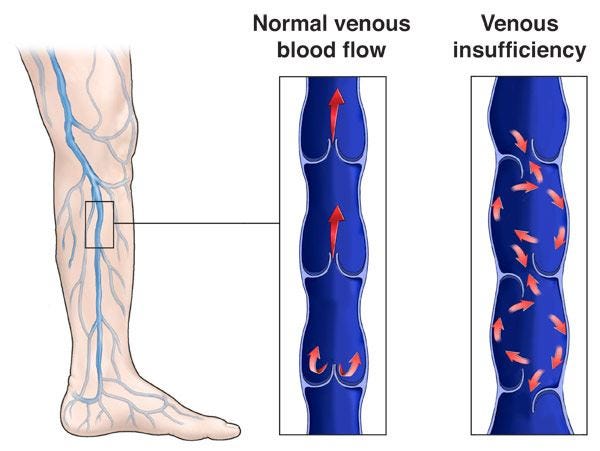
To understand why we use compression stockings for blood clots, we have to look at how our blood moves against gravity. Our veins have the difficult task of pushing blood from the feet all the way back to the heart. When we sit for too long or recover from surgery, blood flow can slow down—a state known as venous stasis. This is one of the three factors in Virchow’s triad, the primary drivers behind the formation of a thrombus.
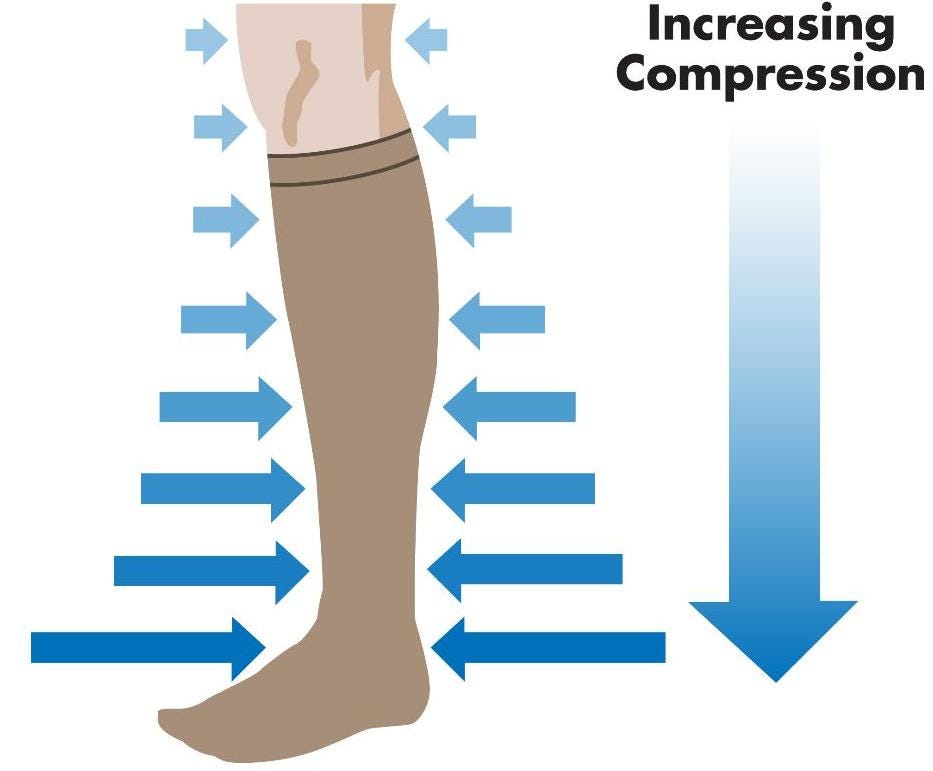
Graduated compression stockings for DVT work by applying mechanical pressure to the surface of the leg. This pressure narrows the diameter of the major veins, which in turn increases the speed and volume of blood flow. By boosting blood flow velocity, the stockings prevent blood from pooling in the lower extremities, effectively lowering the risk of a clot forming. The pressure is highest at the ankle and gradually decreases as the garment moves up the leg, mimicking the natural pumping action of the calf muscles.
The clinical evidence for this mechanical intervention is robust. In a systematic review of 19 clinical trials, the use of graduated compression stockings reduced the incidence of deep vein thrombosis in hospitalized surgical patients from 21.2% to 9.8%. By simply providing a consistent external squeeze, these garments significantly alter the physiological environment of the leg to favor healthy circulation over clotting.
Understanding Compression Pressure Levels for Leg Clots
Choosing the right pressure level is the most critical decision in your preventive care routine. Compression is measured in millimeters of mercury (mmHg), and the level you need depends entirely on your specific risk factors and clinical history.
For many of my readers who are looking for general wellness or protection during a long flight, 15-20 mmHg is a perfect starting point. However, if you have already experienced a clot or are managing post-thrombotic syndrome, your physician will likely move you into medical grade socks for clot prevention.
| Compression Level | Pressure Range | Typical Use Cases |
|---|---|---|
| Mild / Over-the-Counter | 15-20 mmHg | Long-distance travel, mild varicose veins, and tired, achy legs. |
| Moderate / Medical Grade | 20-30 mmHg | DVT prevention, post-thrombotic syndrome management, and moderate edema. |
| Firm / Prescription | 30-40 mmHg | Severe chronic venous insufficiency, active ulcer management, and high-risk VTE prophylaxis. |
The 20-30 mmHg compression socks for post-thrombotic syndrome are often considered the "sweet spot" for therapy. They provide enough force to significantly reduce venous hypertension without being so restrictive that they are impossible to put on. For cases involving severe peripheral edema or advanced skin changes, a 30-40 mmHg level may be prescribed, but these require professional clinical fitting to ensure they do not accidentally impede arterial circulation.
TED Hose vs. Graduated Compression: Crucial Differences
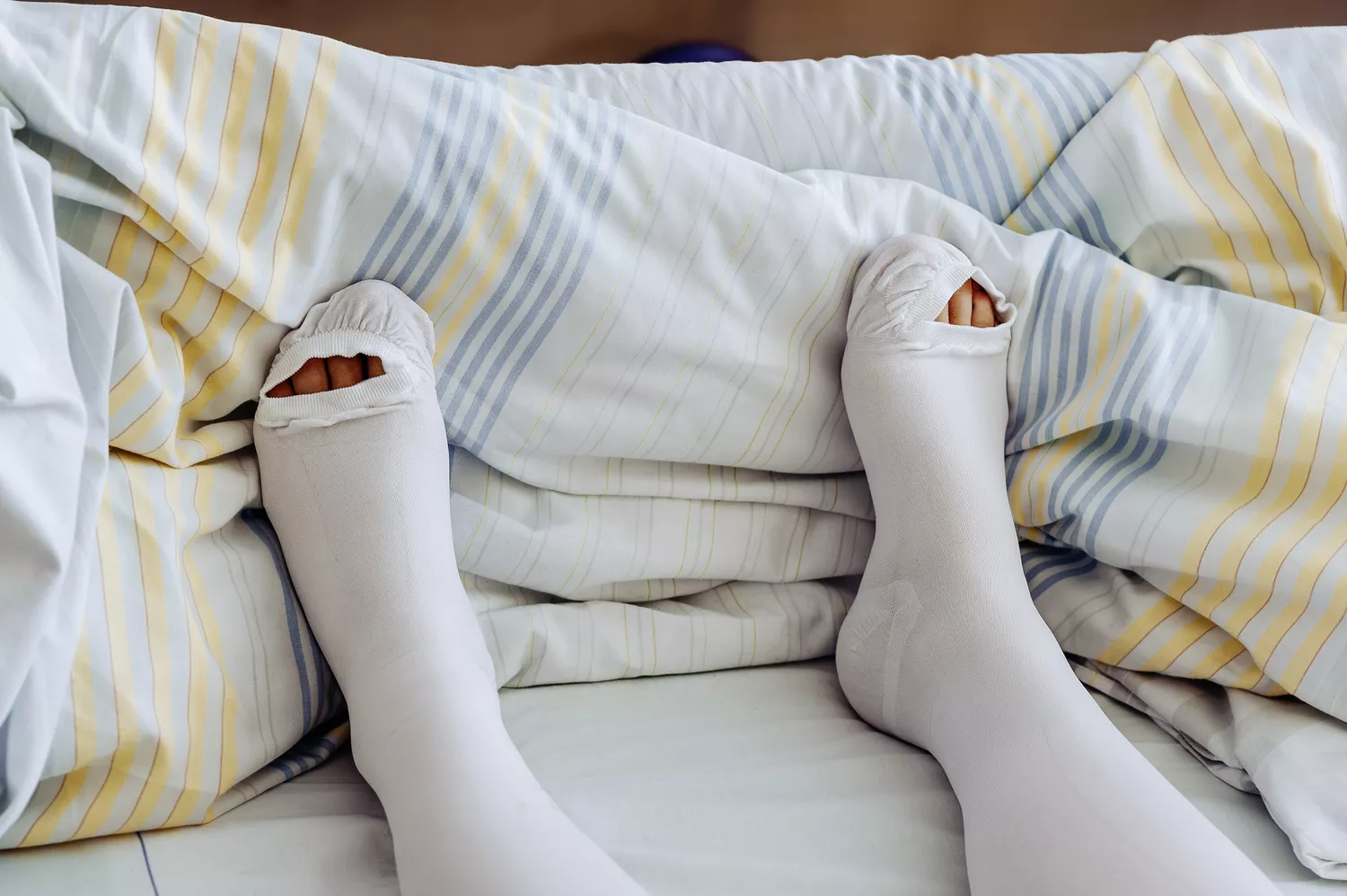
One of the most frequent mistakes I see in clinical settings and home care is the confusion between TED hose (anti-embolism stockings) and graduated compression stockings. While they may look similar, their purposes are fundamentally different, and using the wrong one can actually be counterproductive.
The difference between anti-embolism stockings and graduated compression socks lies in the patient's mobility level:
- TED Hose: These are designed specifically for patients who are bedridden or non-ambulatory. They apply a lower level of pressure (usually around 8-15 mmHg) designed to prevent clots while a person is lying flat.
- Graduated Compression: These are for people who are mobile, sitting, or standing. They are engineered to work with the force of gravity and the muscle pump of the calf.
If you are walking around your house or traveling on a plane, TED hose are generally insufficient. You need the higher, graduated pressure of medical grade socks for clot prevention to combat the increased venous pressure that occurs when you are upright. Using a stocking meant for a bedridden patient while you are active may not provide enough support to increase blood flow velocity effectively.
Targeted Solutions: Best Stockings for Travel, Surgery, and DVT
Wellness is not one-size-fits-all. Depending on your lifestyle, the best compression stockings for blood clots will vary. Here is how I categorize recommendations for my readers:
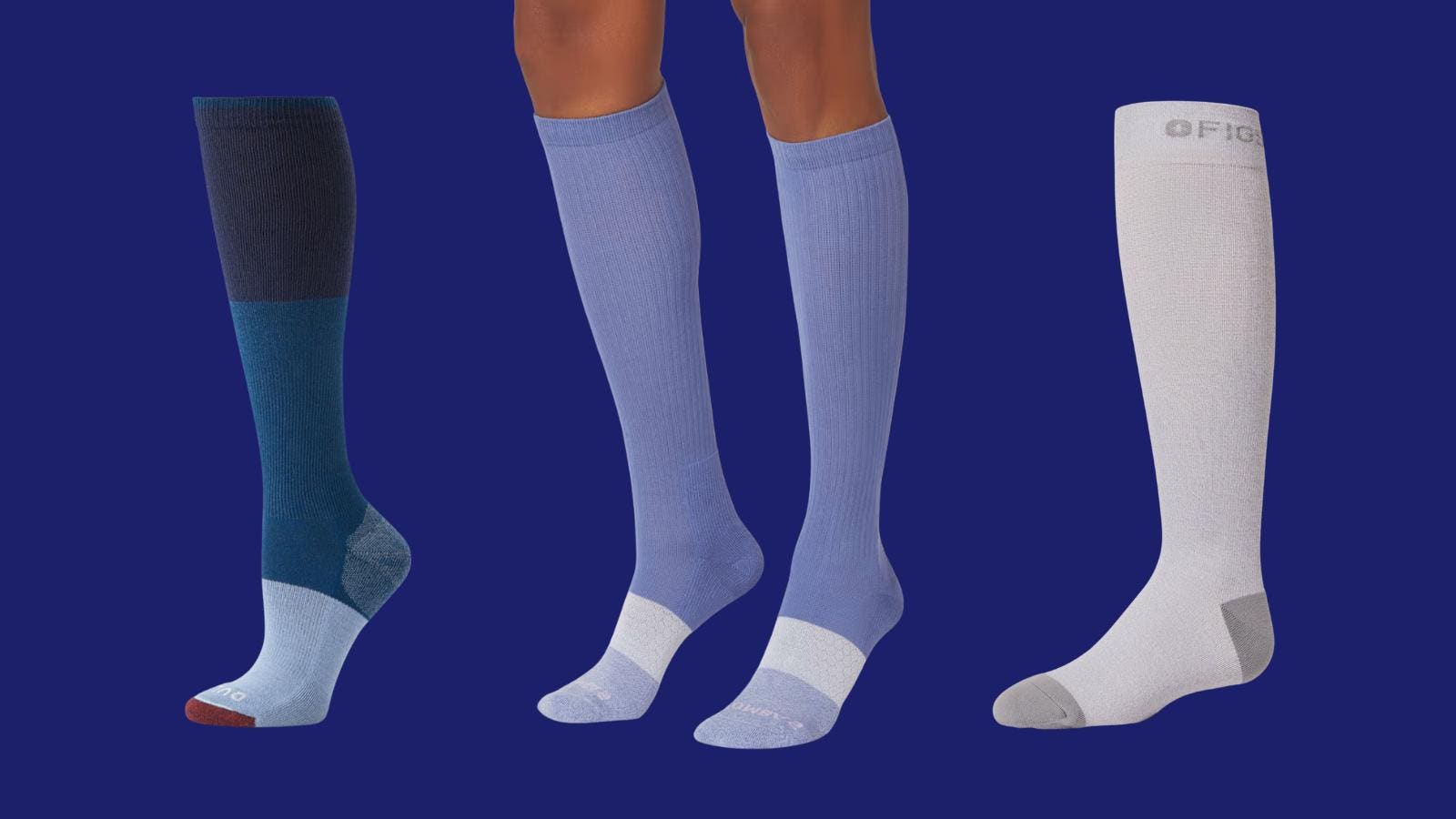
The Frequent Flyer For those on long-haul journeys, the best compression socks for preventing blood clots during long flights are often knee-high styles in a breathable 15-20 mmHg blend. Look for moisture-wicking fabrics like merino wool or specialized synthetics. A Cochrane review of 12 clinical trials found that wearing compression stockings on flights lasting five hours or more reduced the risk of symptomless deep vein thrombosis by 90% compared to not wearing them.
The Post-Surgical Patient Recovery often requires a more aggressive approach. Compression stockings for leg clot prevention after surgery are typically 20-30 mmHg. Research indicates that graduated compression stockings have been shown to reduce the relative risk of deep vein thrombosis by 64% in general surgical patients and by 57% in patients who have undergone total hip replacement surgery.
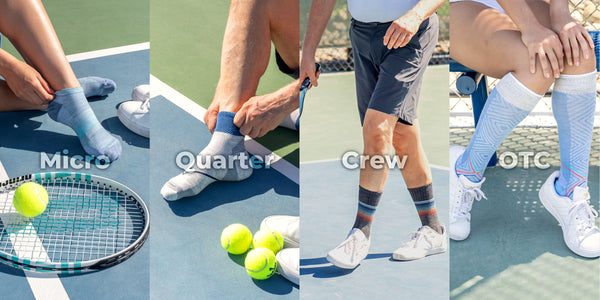
The DVT Survivor For those managing the aftermath of a clot, the choice between knee high vs thigh high compression stockings for DVT depends on where the clot was located. If the clot was in the calf, knee-highs are usually sufficient. If the clot was above the knee, thigh-high stockings may be recommended to provide full-leg coverage.
How to Measure and Don Your Stockings for Maximum Efficacy
The efficacy of your compression stockings for blood clots is entirely dependent on the fit. If they are too loose, they won't provide the necessary venous return. If they are too tight, they can act as a tourniquet and increase the risk of skin breakdown or impaired circulation.
Knowing how to measure for medical grade compression stockings at home is a skill every wellness-focused individual should have. Follow this protocol for the most accurate results:
- Timing: Measure first thing in the morning before any peripheral edema has a chance to develop.
- Ankle Circumference: Measure the narrowest part of the ankle, just above the ankle bone.
- Calf Circumference: Find the widest part of your calf muscle and wrap the tape measure around it.
- Length: For knee-highs, measure from the floor to the bend of the knee. For thigh-highs, measure from the floor to the gluteal fold.
Because medical-grade fabrics are designed to be quite stiff, many people find it difficult to pull them on. I highly recommend using donning aids such as "rubber donning gloves" or a "stocking butler." These tools help you grip the fabric and slide it over the heel without straining your back or tearing the garment with your fingernails.
Maintenance and Safety: When to Replace and When to Avoid
Even the highest quality compression stockings for blood clots have a shelf life. Over time, the constant stretching and washing break down the elastic fibers. To maintain therapeutic pressure, you should replace your stockings every three to six months. If you notice they are becoming easier to put on, or if they start sliding down your leg, it is a sign that they are no longer providing the medical-grade support you need.
Safety Warning: Contraindications While compression is a lifestyle essential for many, it is not for everyone. You should avoid compression stockings or consult a specialist if you have:
- Severe Peripheral Artery Disease (PAD)
- Advanced Peripheral Neuropathy (due to loss of sensation)
- Congestive Heart Failure (where moving fluid back to the heart too quickly could cause complications)
- Active skin infections or weeping dermatitis
To care for your stockings, wash them in cool water with a mild detergent. Avoid fabric softeners at all costs, as they coat the elastic fibers and cause them to lose their "snap." Air drying is always preferred to maintain the integrity of the moisture-wicking fabrics.
FAQ
Do compression stockings prevent blood clots?
Yes, they are a primary tool for prevention. By applying graduated pressure, they increase the velocity of blood flow and prevent venous stasis, which is one of the main causes of clot formation. This mechanical support significantly lowers the risk of DVT and subsequent complications like a pulmonary embolism.
How long should you wear compression stockings after a blood clot?
Most clinical guidelines recommend wearing them for at least six months to two years following a DVT to prevent post-thrombotic syndrome. However, many individuals with chronic venous insufficiency find that wearing them daily as a lifelong habit provides the best long-term wellness outcomes and leg comfort.
What level of compression is best for DVT?
For active prevention or management after a clot has occurred, 20-30 mmHg is the medical standard. This moderate pressure effectively manages venous hypertension. Lower levels like 15-20 mmHg are better suited for general travel or mild swelling, whereas 30-40 mmHg is reserved for more severe clinical cases.
How tight should compression stockings be for blood clots?
They should feel like a firm, consistent squeeze, particularly around the ankle. They should not be so tight that they cause pain, numbness, or a tingling sensation in your toes. If you see a deep indent or "shelf" in your skin at the top band, the stockings may be too small or the pressure level too high for your current needs.
How often should you replace compression stockings?
For maximum efficacy, replace them every three to six months. The elastic properties are what provide the therapeutic benefit, and these fibers inevitably degrade with daily wear and washing. Consistent replacement ensures you are always receiving the exact mmHg pressure listed on the package.