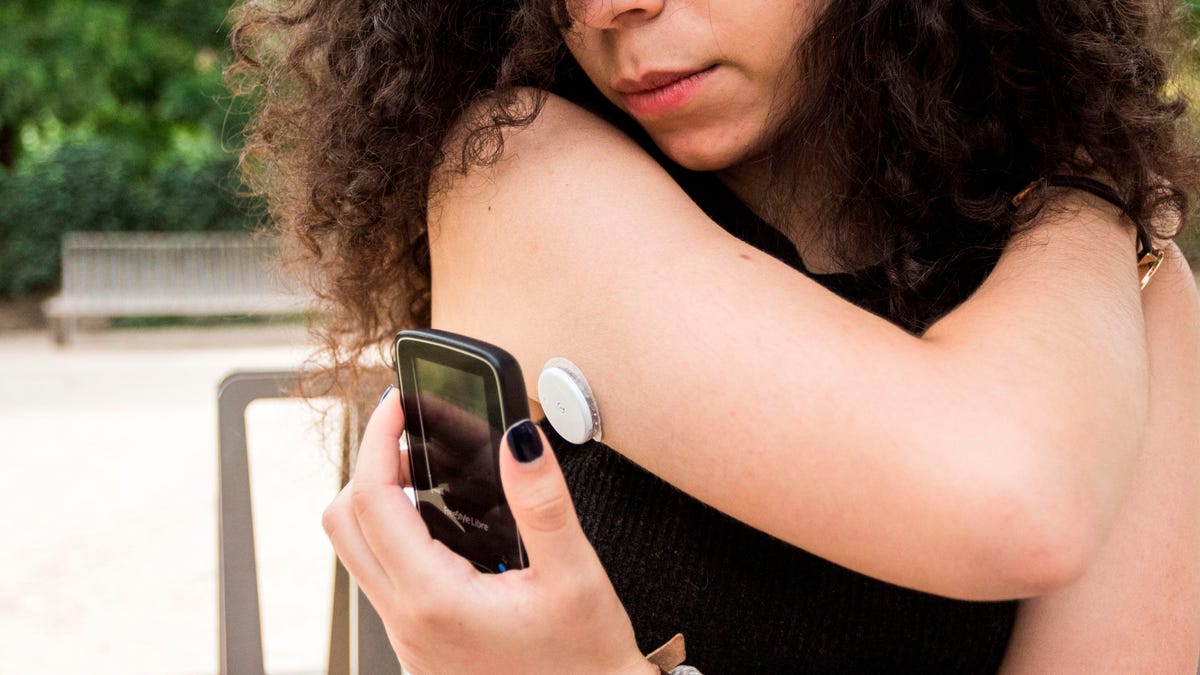
Our Top Picks
- Best for Integration: Dexcom G7 offers the most seamless connection with insulin pumps and smartwatches, featuring a rapid 30-minute warmup.
- Best for Discretion: FreeStyle Libre 3 stands out as the smallest and thinnest sensor available, providing minute-by-minute updates.
- Best for Long-Term Wear: Eversense 365 provides a fully implantable solution that lasts an entire year, reducing the frequency of sensor changes.
- Best Non-Prescription Option: Dexcom Stelo is the premier choice for metabolic health tracking for those who do not require insulin.
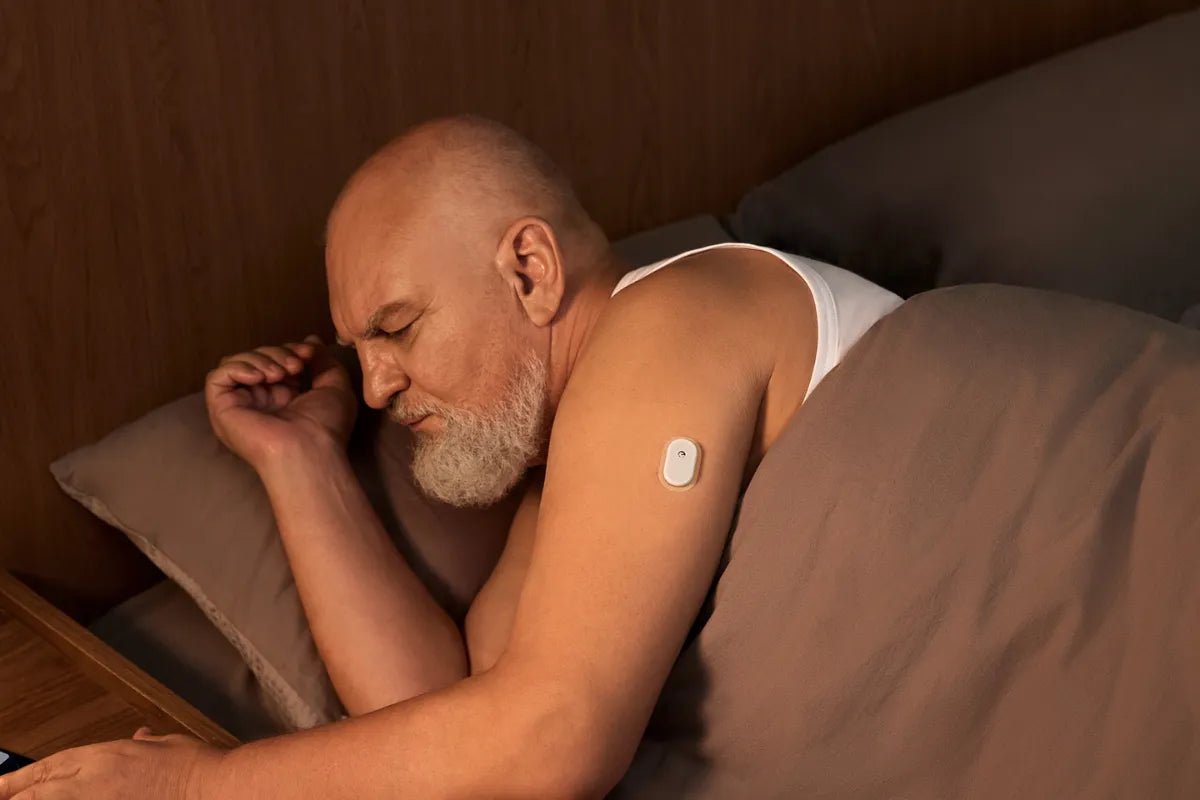
In 2026, the best continuous glucose monitors for real-time data include the Dexcom G7 and Abbott FreeStyle Libre 3. These devices provide continuous updates to smartphones or smartwatches by measuring glucose levels in interstitial fluid every few minutes. They offer high accuracy as measured by MARD scores and eliminate the need for routine fingersticks by sending data via Bluetooth to connected apps.
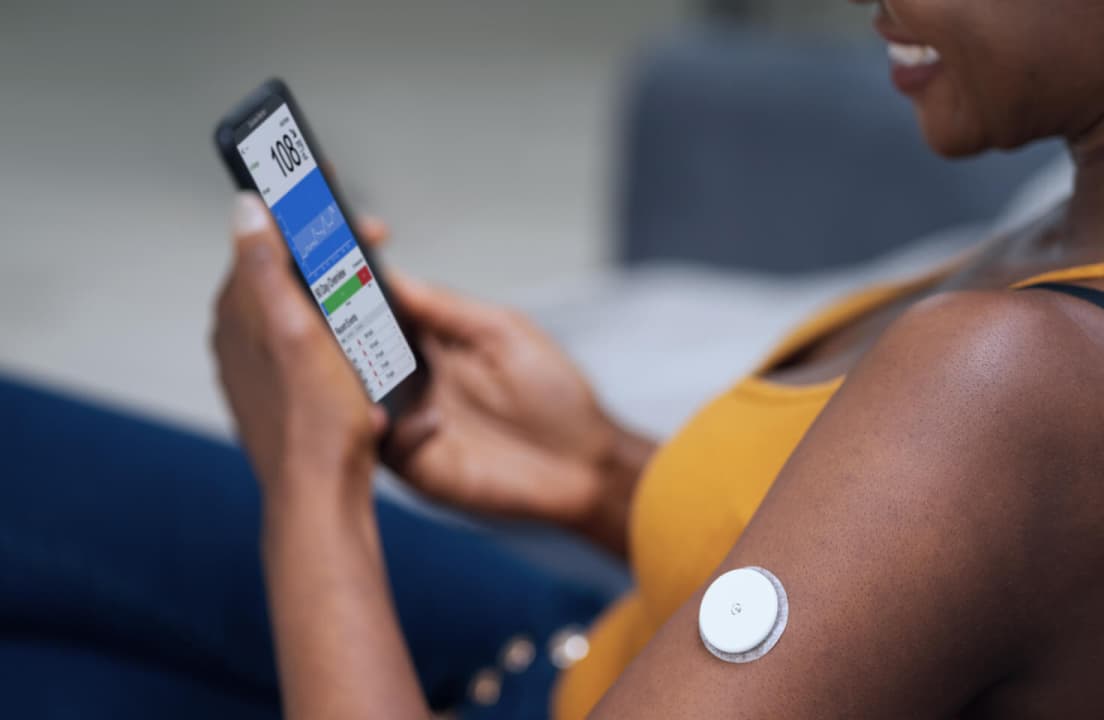
The Gold Standard: CGM Sensor Accuracy Comparison
When you are looking for top-rated CGM devices 2026, accuracy is the most critical factor. In the world of metabolic health, we measure this using the Mean Absolute Relative Difference, or MARD score. A lower MARD percentage indicates that the device's readings are closer to a laboratory blood glucose test. For anyone relying on real-time glucose data sync for hypoglycemia alerts, knowing that your device is precise can be the difference between a proactive correction and a medical emergency.
The Dexcom G7 and FreeStyle Libre 3 provide industry-leading accuracy for real-time glucose tracking, with manufacturer-reported Mean Absolute Relative Difference (MARD) scores of 8.2% and 7.9% for adult users, respectively. While both are exceptional, these numbers show that the Libre 3 has a slight edge in raw statistical precision. However, accuracy isn't just about the number; it’s about how that data reaches you. These systems use advanced Bluetooth Low Energy connectivity to ensure your levels are visible on your phone or watch without you having to scan a sensor manually.
Using the best continuous glucose monitors to eliminate routine fingersticks has become a reality for millions. By tracking glucose in the interstitial fluid—the fluid surrounding your cells—these sensors provide a holistic view of your glycemic variability throughout the day. This perspective is far more valuable than the single-point-in-time snapshot provided by a traditional finger prick.
Best Overall: Dexcom G7 & Insulin Integration
For those managing Type 1 or insulin-dependent Type 2 diabetes, the Dexcom G7 is often the preferred choice. The primary reason is its unparalleled ability to work within a larger ecosystem. It is designed for insulin pump integration and functions as the "eyes" for hybrid closed-loop systems. This means the monitor can talk directly to your pump to adjust insulin delivery in real time based on your current levels.
One of the most significant lifestyle upgrades in this model is the sensor warmup period. The Dexcom G7 features one of the shortest sensor warm-up periods among top-tier monitors at 30 minutes, while the Abbott FreeStyle Libre 3 requires a 60-minute warm-up period before transmitting real-time data. For a busy professional or a parent, that 30-minute window means less time spent "in the dark" and more time with active protection.
The G7 also simplifies the hardware. Unlike previous versions, the transmitter and sensor are a single, disposable unit. This streamlined approach makes the application process much easier. When we look at a Dexcom G7 vs FreeStyle Libre 3 feature comparison, the G7’s predictive glucose alerts are often cited as a favorite. The system doesn’t just tell you that you are low; it can predict you will be low in 20 minutes, giving you a crucial head start to consume some fast-acting glucose.
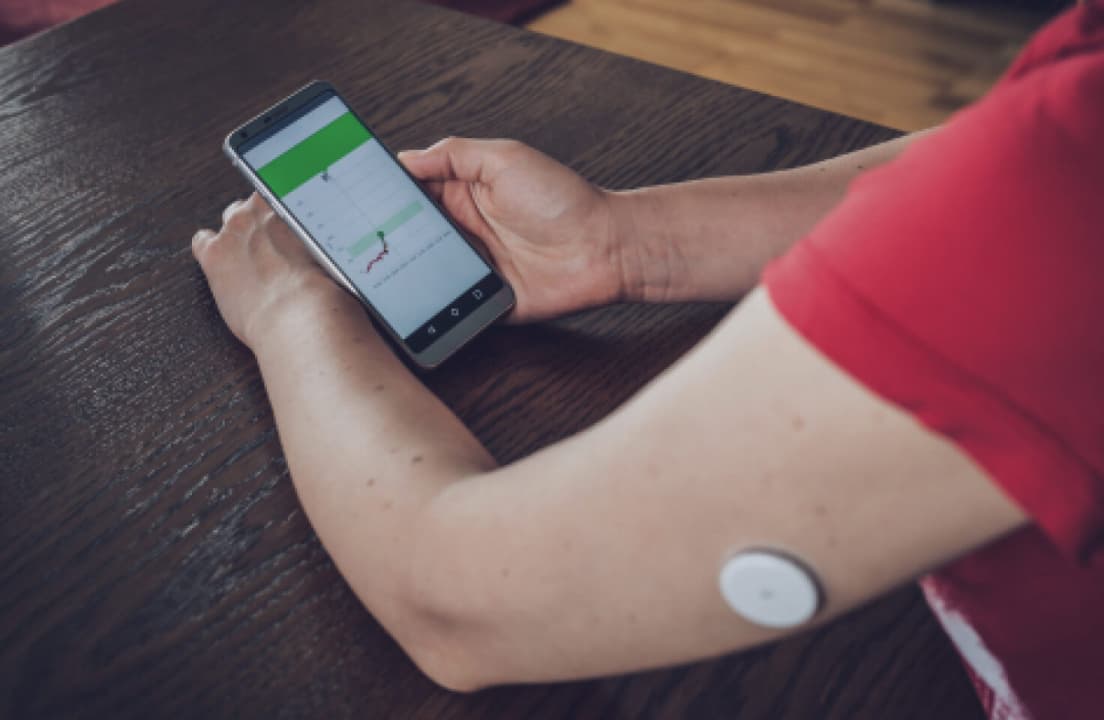
Best Discreet: FreeStyle Libre 3 Series
If your priority is a device that disappears into your daily life, the Abbott FreeStyle Libre 3 is remarkable. It currently holds the title for the most discreet and smallest continuous glucose monitor sensors on the market. About the size of two stacked pennies, it is significantly thinner than its predecessors and its competitors. This small profile makes it less likely to catch on clothing or be bumped during exercise, which is a major win for active users.
The Libre 3 provides readings every single minute, which is the fastest frequency available for consumer CGMs. This granularity is excellent for postprandial monitoring—seeing exactly how a specific meal, like a bowl of pasta or a green salad, impacts your blood sugar. It uses a 15-day wear time, which is longer than the 10-day cycle of the Dexcom G7, meaning you only have to apply a new sensor twice a month.
Safety Alert: While the Libre series is highly reliable, users should be aware of a specific FDA recall in early 2026 affecting certain sensor lots that provided intermittently high readings. Always check your sensor's serial number against the manufacturer's database if you notice unexpected results that don't match how you feel.
The real-time glucose data sync capabilities of the Libre 3 ensure that your data is always on your smartphone. While it was slower to integrate with insulin pumps than Dexcom, the "Libre 3 Plus" version has bridged that gap, offering compatibility with several automated insulin delivery systems.
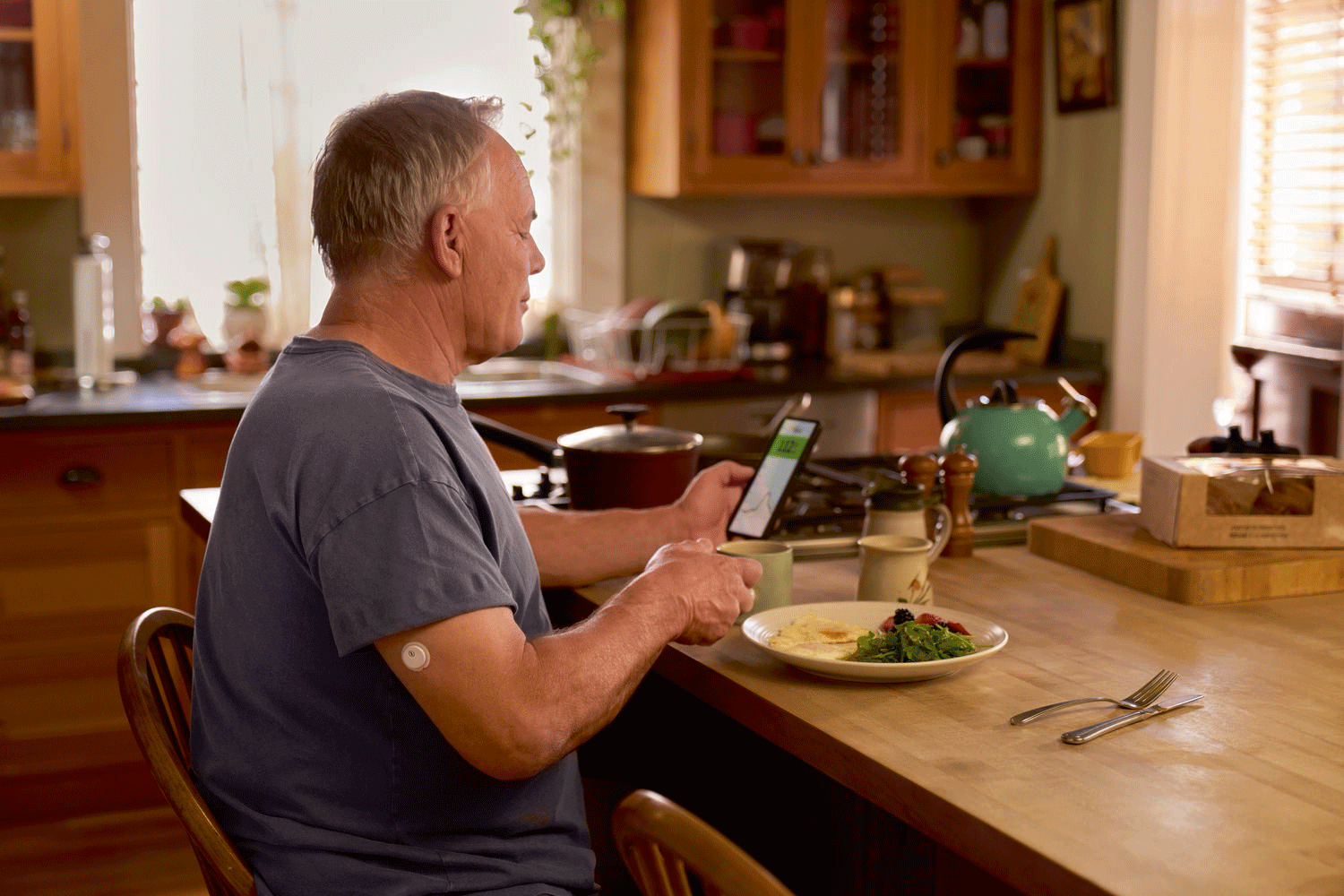
Long-Term & OTC: Eversense 365 vs Dexcom Stelo
For those who suffer from "sensor fatigue" or have sensitive skin that reacts to adhesives, the long term implantable continuous glucose monitor reviews for the Eversense 365 are worth a look. Unlike the Dexcom or Libre, which you apply yourself at home, the Eversense sensor is a tiny rod placed under the skin of the upper arm by a healthcare provider. It stays there for 365 days, providing a full year of data with just one minor procedure. You still wear a removable transmitter over the site, but you can take it off to shower or swim without wasting a sensor.
On the other end of the spectrum is the rise of the "worried well" and those with Type 2 diabetes not on insulin. The Dexcom Stelo has emerged as the best over the counter CGM for metabolic health. It is the first FDA-cleared CGM that you can purchase without a prescription. It focuses less on urgent hypoglycemia alerts and more on Time-in-Range (TIR) and lifestyle trends.
Stelo is perfect for people who want to understand their metabolic health but don't need the intensive medical features of the G7. It often uses a subscription-based pricing model, making it more accessible for those paying out of pocket. By using wearable biosensors like Stelo, you can see how stress, sleep deprivation, and exercise immediately alter your glucose curves, allowing for a truly holistic approach to wellness.

Safety First: Interfering Substances & Limitations
While the best continuous glucose monitors are incredibly advanced, they are not infallible. One of the most important things to understand is the "lag time." Because these sensors measure interstitial fluid rather than direct blood, there is usually a 5 to 15-minute delay between what is happening in your veins and what shows up on your screen. This is particularly important to remember when your glucose is rising or falling rapidly.
Chemical interference is another technical hurdle. Your choice of supplements and medications can actually trick the sensor:
- Vitamin C (Ascorbic Acid): High doses can cause the FreeStyle Libre 3 to report falsely high glucose readings.
- Acetaminophen (Tylenol): While the Dexcom G7 is much more resistant to this than older models, very high doses can still occasionally affect sensor accuracy.
- Tetracyclines: These antibiotics can interfere with the chemistry of the Eversense implantable sensor, leading to inaccurate data.
Always confirm a reading with a fingerstick if your symptoms do not match the number on your app. If you feel shaky and sweaty but your CGM says you are stable, trust your body first.
FAQ
Which continuous glucose monitor is the most accurate?
The FreeStyle Libre 3 and Dexcom G7 are currently the most accurate sensors available to consumers. Based on clinical trials, the Libre 3 has a MARD score of approximately 7.9%, while the Dexcom G7 sits at 8.2%. Both are considered highly reliable for making treatment decisions without routine fingersticks.
Do you need a prescription for a continuous glucose monitor?
For most medical-grade CGMs like the Dexcom G7 and FreeStyle Libre 3, a prescription is required in the United States. However, in 2026, new categories of wearable biosensors like the Dexcom Stelo have been cleared for over-the-counter use for adults who are not using insulin.
How much does a continuous glucose monitor cost without insurance?
Without insurance, the cost typically ranges from $75 to $200 per month for the sensors. The Dexcom G7 often carries a higher retail price, while the FreeStyle Libre 3 is generally more affordable for cash-paying customers. Many manufacturers offer discount programs to help lower the out-of-pocket cost.
Can non-diabetics use continuous glucose monitors for health?
Yes, non-diabetics are increasingly using CGMs to optimize their metabolic health, athletic performance, and weight management. These devices help users understand how specific foods and lifestyle habits impact their blood sugar stability, which is a key pillar of preventive care and longevity.
How long does a CGM sensor typically last?
Most disposable CGM sensors last between 10 and 15 days. The Dexcom G7 is rated for 10 days of wear with a 12-hour grace period, whereas the FreeStyle Libre 3 lasts for 15 days. The exception is the Eversense 365, which is an implantable sensor that lasts for one year.