Quick Facts
- Top for Data: Dexcom Stelo (updates every 15 mins, native Oura integration).
- Top for Coaching: Abbott Lingo (updates every 1 min, lifestyle challenges).
- Longevity: 14-15 days per sensor wear time.
- Accuracy: ~8.8% MARD (clinical-grade precision).
- Price: Approximately $89–$99 per month; HSA/FSA eligible.
- Connectivity: Stelo allows direct data sharing with doctors; Lingo focuses on consumer biohacking.
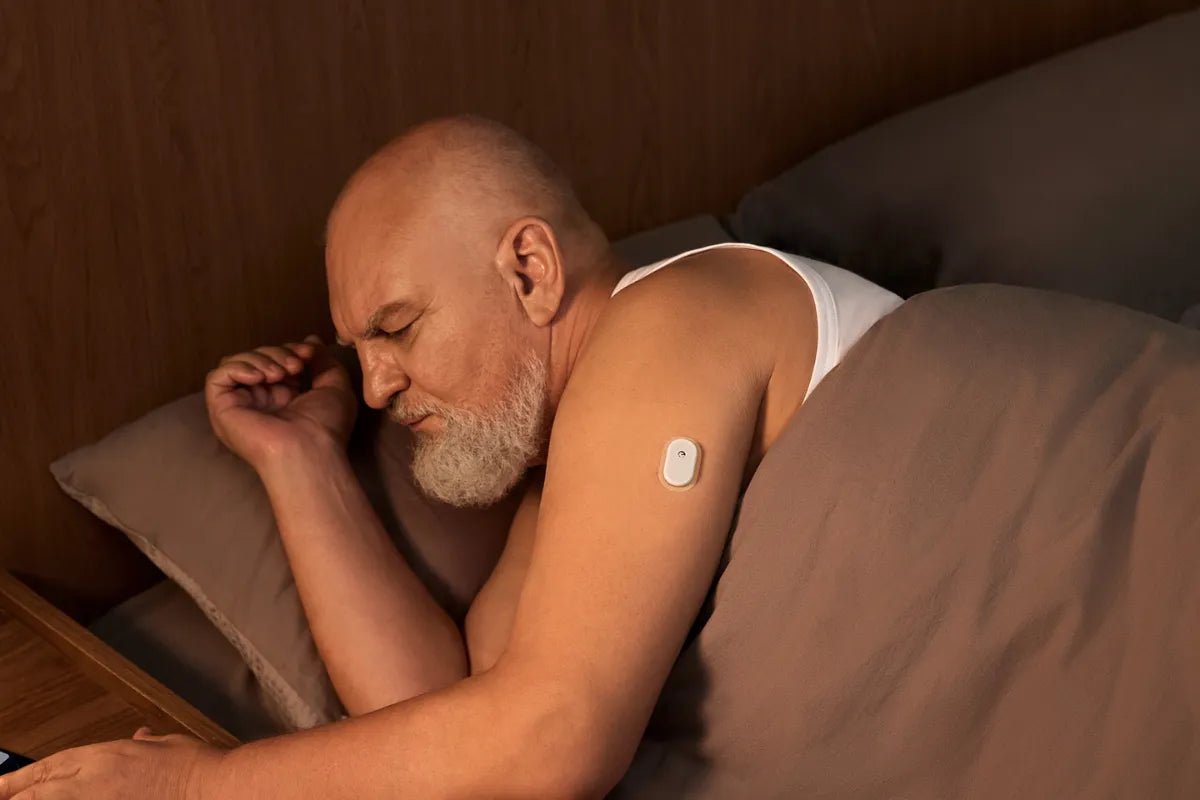
As of 2026, the market for over-the-counter continuous glucose monitors has evolved into a two-horse race between Dexcom and Abbott. If you're looking for an OTC CGM comparison, this guide breaks down the data frequency, sensor longevity, and overall cost of the Dexcom Stelo vs Abbott Lingo. In the 2026 OTC CGM comparison, Dexcom Stelo and Abbott Lingo offer distinct data frequencies and durability features; Stelo is ideal for data integration, while Lingo focuses on real-time lifestyle coaching.
Are You Ready for a CGM? 4 Questions to Ask
Before diving into the hardware, it is helpful to determine if a wearable sensor fits your current health journey. In my years covering preventive care, I have found that these devices are most effective when used as tools for curiosity rather than anxiety. Ask yourself:
- Do you experience midday energy crashes? If you feel a "slump" after lunch, tracking your postprandial spikes can help identify which specific carbohydrates are causing your energy to dip.
- Are you curious about how sleep affects your hunger? Poor sleep can decrease insulin sensitivity, making your blood sugar higher the next day even if you eat the same foods.
- Do you have Type 2 diabetes but do not use insulin? The FDA has indicated that devices like Abbott's Libre Rio and Dexcom's Stelo are specifically for adults aged 18 and older with Type 2 diabetes who do not use insulin.
- Are you focused on general wellness? If you do not have diabetes but want to optimize your metabolic health tracking wearables comparison, Abbott's Lingo is marketed for general health and wellness.

Many of my readers ask for the best over the counter glucose monitor for non-diabetics to help them understand their unique response to exercise and stress. While these biowearables were once reserved for medical management, they are now powerful tools for anyone looking to refine their daily routine.
Dexcom Stelo: The Data Integration Powerhouse
The Dexcom Stelo arrived with a significant splash as the first over-the-counter continuous glucose monitor to receive FDA clearance on March 5, 2024. It is designed for those who want a reliable, "set-it-and-forget-it" experience.
One of its most impressive features is the sensor longevity. The Dexcom Stelo offers a maximum wear time of 15 days, which simplifies the monthly routine to just two sensor changes. It also boasts a rapid 30-minute warm-up period, meaning you get back to seeing your data quickly after a sensor swap.
For my readers with an active lifestyle, the Stelo is often the preferred choice. It features superior water resistance, rated for up to 24 hours of submersion, making it arguably the best OTC glucose monitor for active lifestyles and swimming.
Furthermore, the Stelo excels at data visualization through its integration ecosystem. It is the only over-the-counter option that supports sharing Dexcom Stelo data with doctors directly through the Dexcom Clarity platform. For those who use the Oura Ring to track sleep and recovery, the native integration between these two platforms allows you to see how your glucose levels correlate with your sleep stages in one unified view.

Abbott Lingo: The Real-Time Lifestyle Coach
Following closely behind, Abbott's Lingo and Libre Rio systems received clearance on June 10, 2024. While Stelo focuses on deep data integration, the Abbott Lingo is built around real-time coaching and behavior change.
The standout technical feature here is the Abbott Lingo vs Dexcom Stelo sensor update frequency. While Stelo updates every 15 minutes, Lingo provides real-time telemetry, streaming data to your phone every single minute. This is incredibly useful for spotting the exact moment postprandial spikes begin after a meal, allowing you to take immediate action, like going for a short walk.
The Lingo app uses a proprietary metric called Lingo Counts. This gamifies your metabolic health by giving you a daily "budget" for glucose spikes, encouraging you to keep your levels stable through lifestyle choices rather than just staring at raw numbers. However, the Abbott Lingo sensor is rated for 14 days of continuous use, and it requires a longer 60-minute warm-up period compared to the Stelo.
Technical Comparison & The Cost Paradox
When we look at the OTC CGM comparison from a technical lens, both devices use a small filament to measure glucose in the interstitial fluid rather than the blood. This results in a slight delay compared to a finger-stick, but provides a much more complete picture of your glycemic variability throughout the day.
| Feature | Dexcom Stelo | Abbott Lingo |
|---|---|---|
| Wear Time | 15 Days | 14 Days |
| Warm-up Time | 30 Minutes | 60 Minutes |
| Data Frequency | Every 15 Minutes | Every 1 Minute |
| Water Resistance | Up to 24 Hours | Up to 30 Minutes |
| Data Sharing | Direct to Provider | Within App Only |
| Cost (approx.) | $99 for 2 sensors | $89/mo or $49/sensor |
| HSA/FSA Eligible | Yes | Yes |
There is an interesting "Cost Paradox" to consider regarding the cost of over the counter CGM without insurance 2026. While both Stelo and Lingo are priced between $89 and $99 per month and are HSA/FSA eligible, they may not always be the cheapest option.
For some users, obtaining a prescription for a higher-end model like the FreeStyle Libre 3 and using a manufacturer coupon can bring the price down to around $70 per month. However, the OTC models are significantly easier to obtain because they do not require a doctor's visit, making them the most accessible entry point for those tracking Dexcom Stelo vs Abbott Lingo for metabolic health tracking.
Actionable Strategy: Your First Baseline Week
If you decide to try a biowearable, I always recommend a "Baseline Week." This is a crucial step in my holistic wellness strategy.
During your first seven days, do not change your diet or exercise habits. Simply wear the sensor and live your life. This allows you to see your current biological baseline. Map your meals to your spikes and observe how your body handles different foods. You might find that oatmeal causes a massive spike for you, while sourdough bread does not.
In the second week, you can begin making small changes. For instance, try "sequencing" your meals—eating fiber and protein before carbohydrates—to see how it flattens your glucose curve. This approach moves the focus from "dieting" to "data-driven lifestyle adjustment."

Safety First: Who Should Avoid OTC CGMs?
It is vital to remember that these over-the-counter models are not intended for medical management of serious conditions. Most OTC models, including Stelo and Lingo, do not include clinical high or low glucose alarms. If you are at risk for severe hypoglycemia, these devices are not a substitute for a prescription-grade system.
These sensors are also restricted to users aged 18 and older. If you use insulin, you must continue to use the medical-grade monitors prescribed by your healthcare provider. For general wellness enthusiasts, these tools are wonderful for biohacking and preventive care, but they should always be used as a supplement to, not a replacement for, professional medical advice.
FAQ
What is the difference between OTC and prescription CGMs?
Prescription CGMs are designed for the medical management of diabetes and include urgent alarms for dangerously high or low blood sugar. Over-the-counter versions are simplified for those not using insulin, focusing on health optimization and data trends rather than life-saving alerts.
Are over-the-counter CGMs covered by insurance?
Generally, no. Most insurance providers do not cover CGMs for individuals who do not have a medical diagnosis requiring insulin. However, both Dexcom Stelo and Abbott Lingo are typically HSA/FSA eligible, allowing you to use pre-tax dollars for your purchase.
How long does an OTC CGM sensor last?
The Dexcom Stelo sensor is rated for up to 15 days of wear. The Abbott Lingo sensor is designed to last for 14 days. After this period, the adhesive usually begins to wear off, and the sensor filament may lose accuracy, requiring a replacement.
Who are over-the-counter CGMs designed for?
These devices are designed for adults 18 and older. This includes individuals with Type 2 diabetes who do not use insulin, as well as health-conscious individuals without diabetes who want to monitor their metabolic health, energy levels, and response to diet.
Which over-the-counter CGM is the most accurate?
Both Dexcom and Abbott maintain a Mean Absolute Relative Difference (MARD) of approximately 8.8%, which is the gold standard for clinical accuracy. While individual readings may vary slightly, both provide high-quality data sufficient for tracking metabolic trends and lifestyle impacts.