Quick Facts
- Top Medical Pick: Dexcom G7 (MARD 8.2%, 15-day wear)
- Longest Wear: Eversense 365 (1-year implantable)
- Best OTC Option: Dexcom Stelo ($89-$99/month)
- Accuracy Benchmark: FreeStyle Libre 3 (MARD 7.9%)
- Safety Alert: Avoid non-invasive smartwatches for medical dosing (FDA 2024 Warning)
High-accuracy wearable glucose monitors like the Dexcom G7 and the 180-day implantable Eversense system lead the market in 2026. Accuracy is typically measured by the MARD accuracy rating, with lower percentages indicating better performance. These systems measure glucose levels in the interstitial fluid, providing real-time data and hypoglycemia alerts to help users maintain their Time in Range (TIR) and manage HbA1c levels effectively.
Choosing the right wearable glucose monitor in 2026 depends on whether you need medical-grade precision or metabolic health insights. Leading models like the Dexcom G7 and FreeStyle Libre 3 offer unparalleled accuracy with MARD ratings below 9%, while new OTC options like Stelo and Lingo provide non-diabetics with real-time data syncing for biohacking. This guide explores the most accurate continuous glucose monitoring systems and the reality of non-invasive sensors available today.
Understanding the Tech: MARD, TIR, and Interstitial Fluid
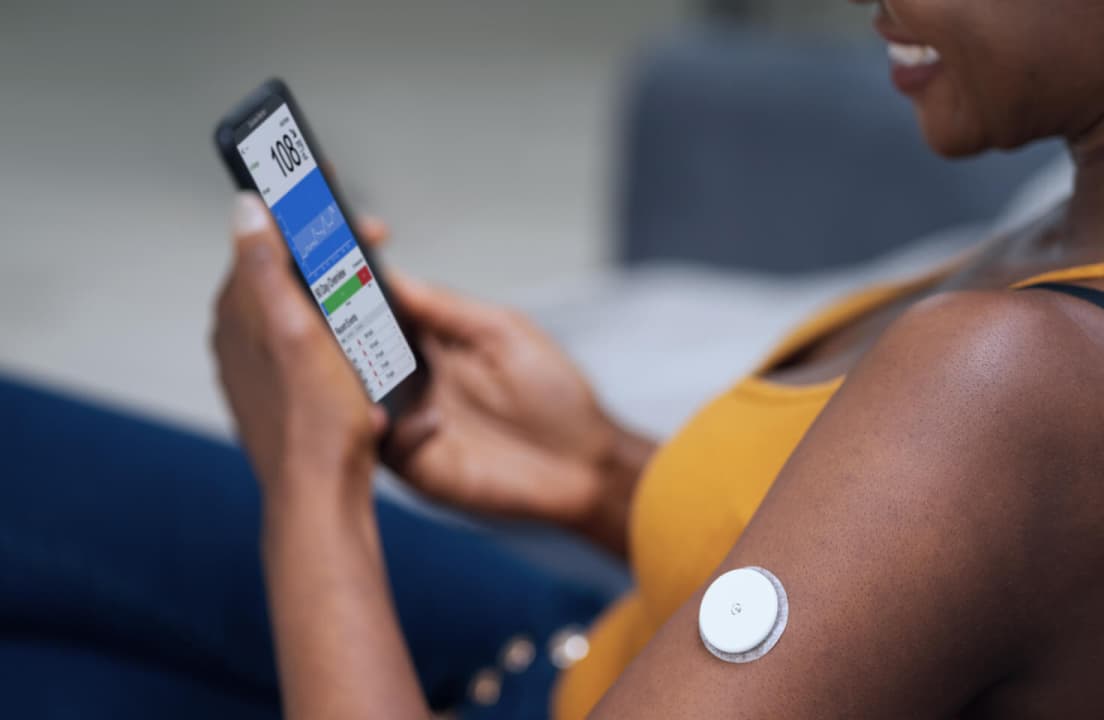
To manage your metabolic health effectively, you need to understand that a wearable glucose monitor does not actually measure your blood. Instead, these devices sit just under the skin to sample interstitial fluid, the liquid surrounding your cells. Because glucose takes time to travel from the bloodstream into this fluid, there is often a slight lag of 5 to 15 minutes compared to a traditional finger-prick test.
In the world of longevity and preventive care, we look at the MARD accuracy rating to judge a device. MARD stands for Mean Absolute Relative Difference; the lower the percentage, the closer the device is to a lab-grade blood test. As of 2026, the gold standard for success is no longer just a single HbA1c levels reading every three months, but rather your Time in Range (TIR). This metric tracks the percentage of time your glucose stays between 70 and 180 mg/dL. By minimizing glycemic variability, you reduce the oxidative stress on your cardiovascular system and improve long-term vitality.
The FreeStyle Libre 3 system has a Mean Absolute Relative Difference (MARD) of 7.9% for adults, while the Dexcom G7 system reports a MARD of 8.2%, with lower percentages indicating higher accuracy compared to laboratory blood glucose tests.
Top Prescription Systems: Comparing Dexcom G7 vs Eversense 365
For those managing type 1 or insulin-dependent type 2 diabetes, precision and reliability are life-saving requirements. When comparing dexcom g7 vs eversense for long-term tracking, the choice often comes down to how much maintenance you are willing to perform.
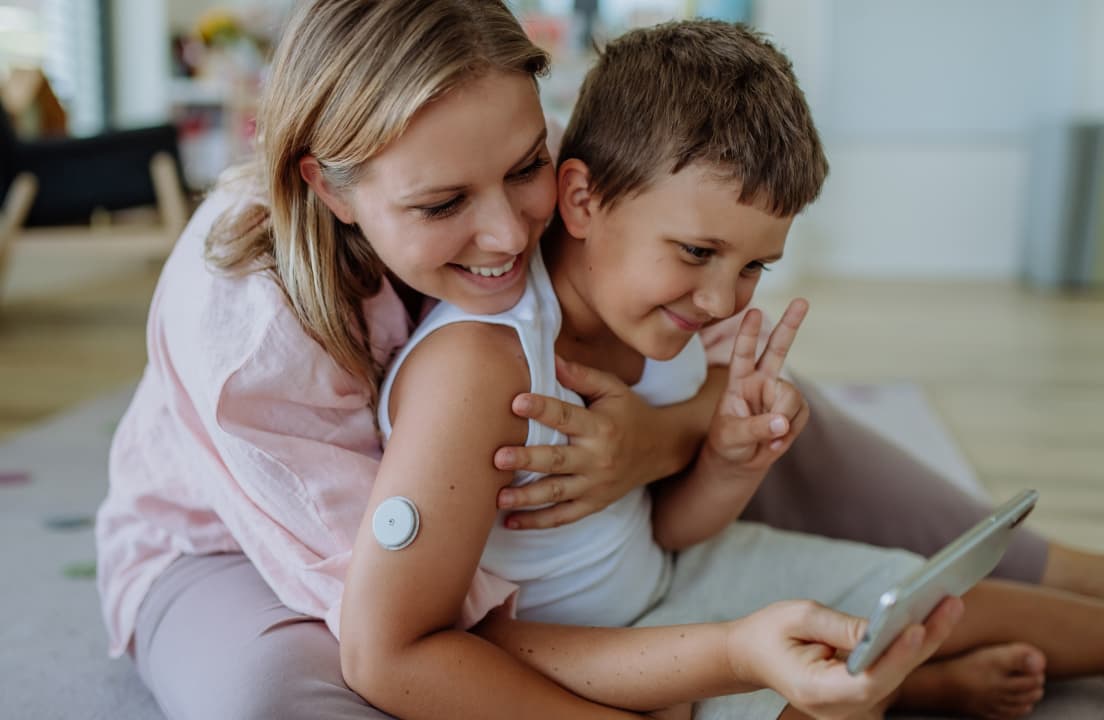
The Dexcom G7 is an all-in-one wearable glucose monitor that is 60% smaller than its predecessor. It features a rapid 30-minute warm-up time and a 12-hour grace period at the end of its 15-day sensor life, making the transition between sensors seamless. For those with sensitive skin, the G7 uses medical-grade adhesives designed to minimize irritation, though third-party allergy-prevention patches are a popular accessory for those with extreme reactivity.
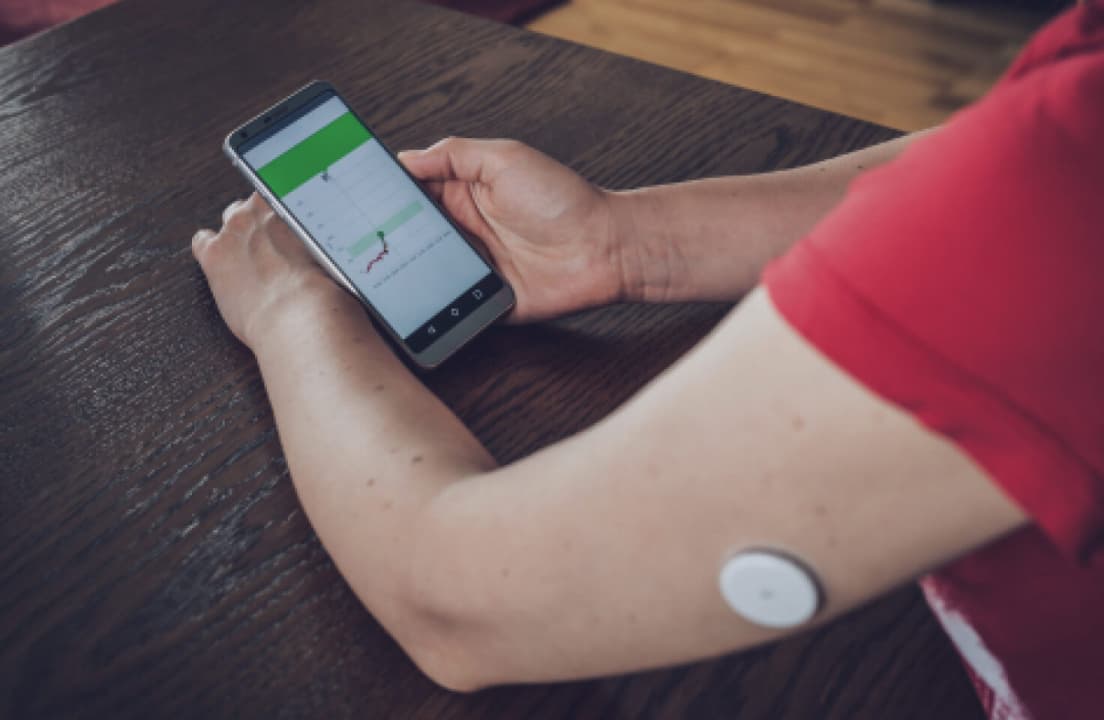
Alternatively, the Eversense 365 represents the pinnacle of diabetes tracking wearables for those who hate weekly sensor changes. It is a tiny sensor implanted under the skin of the upper arm by a healthcare provider. It lasts for an entire year, paired with a removable smart transmitter that provides hypoglycemia alerts via on-body vibrations—even if your phone isn't nearby.
Kevin’s Longevity Tip: If you are using these systems for longevity rather than insulin dosing, focus on your post-prandial (after-meal) spikes. Keeping those spikes under 140 mg/dL is a primary goal for preventing prediabetes and maintaining vascular health.
| Feature | Dexcom G7 | Eversense 365 | FreeStyle Libre 3 |
|---|---|---|---|
| Sensor Life | 15 Days | 365 Days | 14 Days |
| MARD Rating | 8.2% | ~8.5% | 7.9% |
| Warm-up Time | 30 Minutes | 24 Hours | 60 Minutes |
| Integration | Apple Watch/Garmin | Mobile App | Apple/Android |

As of 2025, the global continuous glucose monitoring market is highly concentrated, with Abbott Laboratories and Dexcom controlling 56.30% and 35.10% of shipments respectively. This dominance ensures that these devices have the best real-time data syncing capabilities with other health apps and wearable ecosystems.
The Rise of OTC Sensors: Best Wearable Glucose Monitors 2026 for Non-Diabetics
The most significant shift in the last two years has been the democratization of glucose data. In March 2024, the U.S. Food and Drug Administration granted clearance to the Dexcom Stelo Glucose Biosensor System as the first continuous glucose monitor available for over-the-counter use without a prescription.
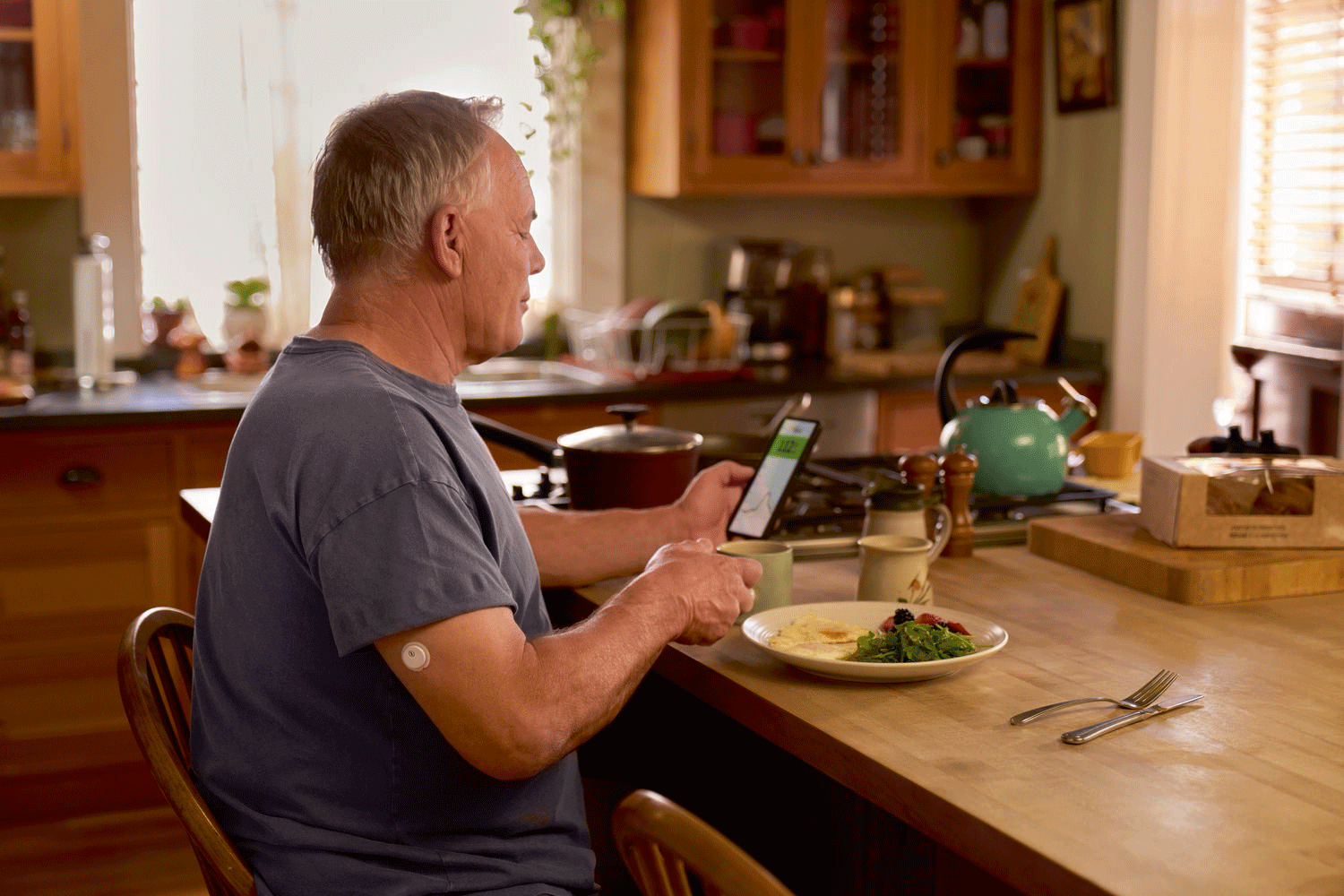
The best wearable glucose monitors 2026 for non-diabetics include Dexcom Stelo and Abbott Lingo. These devices are tailored for biohacking and prediabetes management. Unlike medical-grade systems, they may not feature loud alarms for low blood sugar, as they are intended for users who do not take insulin. Instead, they focus on how lifestyle choices—like that late-night pizza or a morning sprint—impact your metabolic health.
When considering the cost of wearable glucose monitors without insurance coverage, these OTC options are much more accessible. Typically, a monthly subscription for Stelo or Lingo ranges from $89 to $99, providing two 15-day sensors. This is significantly cheaper than paying the out-of-pocket cash price for a prescription-only G7, which can exceed $300 per month without insurance.
Reality Check: The Truth About Non-Invasive Glucose Sensors
I often get asked about smartwatches or rings that claim to measure blood sugar without needles. We need to have a serious talk about the most accurate non-invasive blood glucose sensors available—because, as of early 2026, they still don't quite exist for clinical use.
Most non-invasive glucose sensors found in cheap smartwatches use transcutaneous technology or optical sensors to estimate sugar levels through the skin. However, the FDA issued a stern warning in 2024 against using any smartwatch or smart ring that claims to measure blood glucose levels non-invasively. The Accuracy-Regulatory Gap is too wide; these devices often fail to detect dangerous hypoglycemia.
While researchers are working on Near Field Communication (NFC) and infrared spectroscopy to bridge this gap, current non-invasive options should only be used for general trend monitoring. If you need a wearable glucose monitor to make medical decisions, stick to the needle-inserted sensors that measure interstitial fluid.
Performance & Lifestyle: How to Choose a Continuous Glucose Monitor for Athletes
For the athletes and weekend warriors reading this, your requirements are different. You need a wearable glucose monitor that won't fly off during a transition in a triathlon or lose accuracy when you're dripping in sweat.
When looking at how to choose a continuous glucose monitor for athletes, prioritize waterproof wearable glucose monitors for swimmers like the FreeStyle Libre 3 or the Dexcom G7. Both have high water-resistance ratings (IP68), meaning they can withstand immersion for up to 30 minutes. However, the real challenge is the adhesive. High-intensity exercise increases sweat and heat, which can loosen medical-grade adhesives. I recommend using an overpatch, such as those from Skin Grip or Not Just a Patch, to ensure the sensor stays put during a heavy workout.
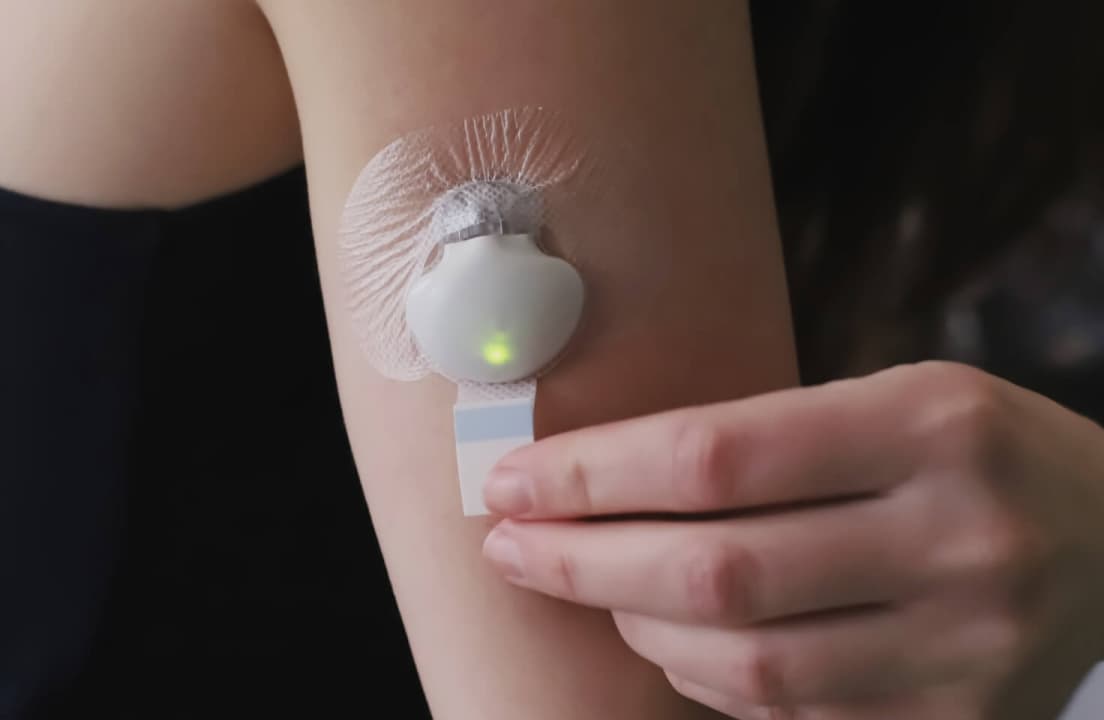
Smart health integration is also key. Many athletes now use real-time data syncing to see their glucose levels directly on their Apple Watch, Garmin, or cycling computer. This allows for mid-race fueling adjustments, ensuring you never "bonk" because your glycogen stores ran dry. The ability to see your glycemic variability in the same dashboard as your heart rate and power output is a game-changer for performance optimization.
FAQ
Can non-diabetics use wearable glucose monitors for health tracking?
Yes, non-diabetics increasingly use these devices for biohacking and metabolic health optimization. New over-the-counter options like Dexcom Stelo and Abbott Lingo are specifically designed for people without diabetes to help them understand how diet, sleep, and exercise affect their blood sugar levels.
Are wearable glucose monitors more accurate than finger sticks?
Not necessarily. While a wearable glucose monitor provides more continuous data, it measures interstitial fluid rather than capillary blood. This creates a slight time lag. Finger sticks remain the clinical standard for confirming a high or low reading before making a significant insulin dosing decision, though the MARD of modern sensors is now very close to blood meter accuracy.
How much does a wearable glucose monitor cost without insurance?
Without insurance, a prescription wearable glucose monitor like the Dexcom G7 can cost between $300 and $400 for a one-month supply. However, the newer over-the-counter versions for non-diabetics are much more affordable, typically costing between $80 and $100 per month.
Can you shower or swim with a wearable glucose monitor?
Most modern sensors are water-resistant and designed for daily life, including showering and swimming. The Dexcom G7 and FreeStyle Libre 3 are rated for immersion in up to 8 feet of water for up to 30 minutes. For frequent swimmers, using an additional waterproof adhesive patch is recommended to prevent the sensor from peeling off.
How long does a wearable glucose sensor last?
The duration depends on the model. Most disposable sensors like the FreeStyle Libre 3 and Dexcom G7 last between 10 and 15 days. The Eversense system is a long-term alternative, with an implantable sensor that can last anywhere from 180 to 365 days before needing replacement by a professional.