Our Top Picks
The Dexcom Stelo is the premier choice for the Data Enthusiast, offering medical-grade sensor heritage in an accessible, prescription-free format. With its 15-day wear life and seamless app integration, it provides the most reliable window into your metabolic health currently available over the counter.
The Dexcom Stelo Review reveals that this device is the first FDA-cleared over-the-counter continuous glucose monitor designed for adults with type 2 diabetes who do not use insulin, as well as those focused on metabolic health. By providing over-the-counter CGM benefits like real-time tracking and long-term pattern recognition, it empowers users to manage their wellness without a doctor’s visit. Built on the Dexcom G7 platform, the sensor is applied subcutaneously to the arm or stomach to measure glucose levels in interstitial fluid. Unlike traditional CGMs, it focuses on identifying long-term glucose patterns and spikes rather than providing immediate alerts for life-threatening hypoglycemia.
| Feature | Dexcom Stelo Specifications |
|---|---|
| Prescription Required | No (Over-the-Counter) |
| Sensor Wear Life | 15 days |
| Warm-up Time | 30 Minutes |
| Accuracy (MARD) | 8–9% |
| Target Population | Type 2 (Non-Insulin), Prediabetes, Metabolic Wellness |
| Hypoglycemia Alerts | None (Software optimized for patterns) |
| App Compatibility | iOS and Android |
Hardware and Accuracy: The G7 Heritage
When we look at the core of the Dexcom Stelo, we are essentially looking at the sophisticated architecture of the Dexcom G7. For those of us in the nutrition science world, accuracy is the non-negotiable foundation of any dietary intervention. The Stelo utilizes the same core technology as its medical-grade sibling, maintaining a Mean Absolute Relative Difference of approximately 8–9%. In clinical terms, this precision is exceptional for a consumer-facing device.
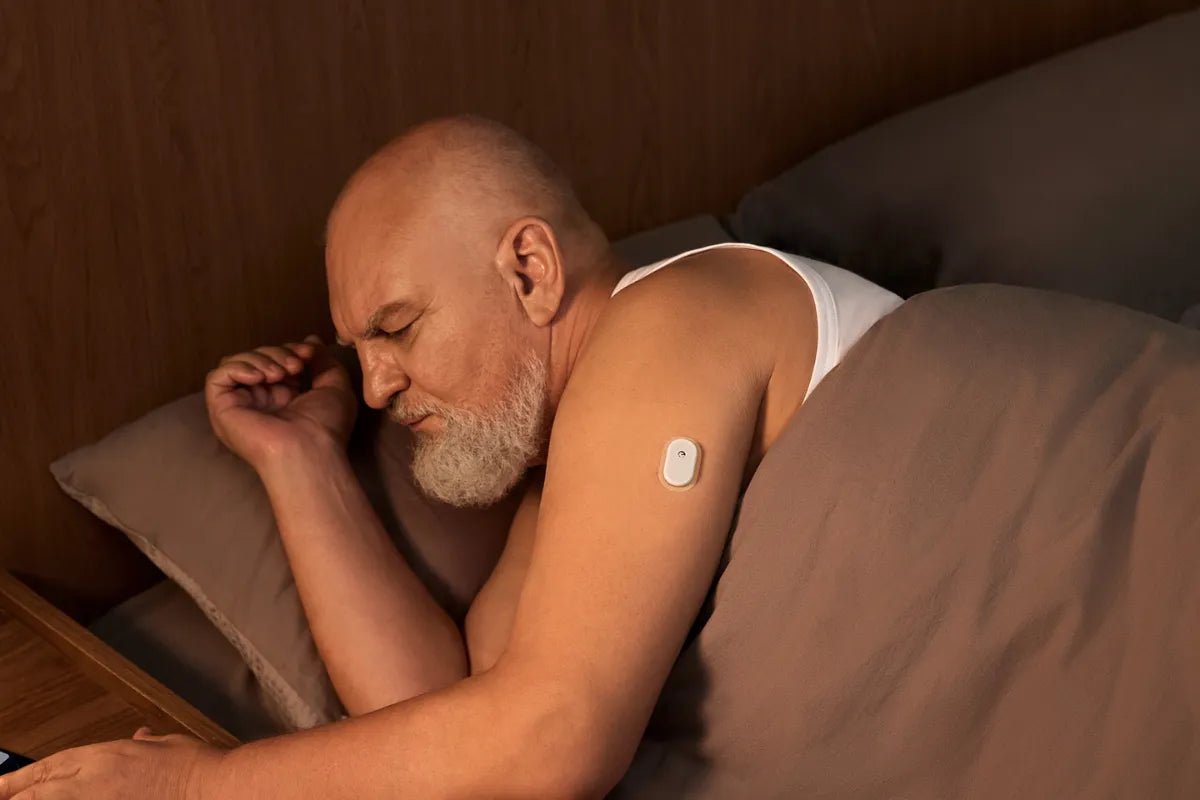
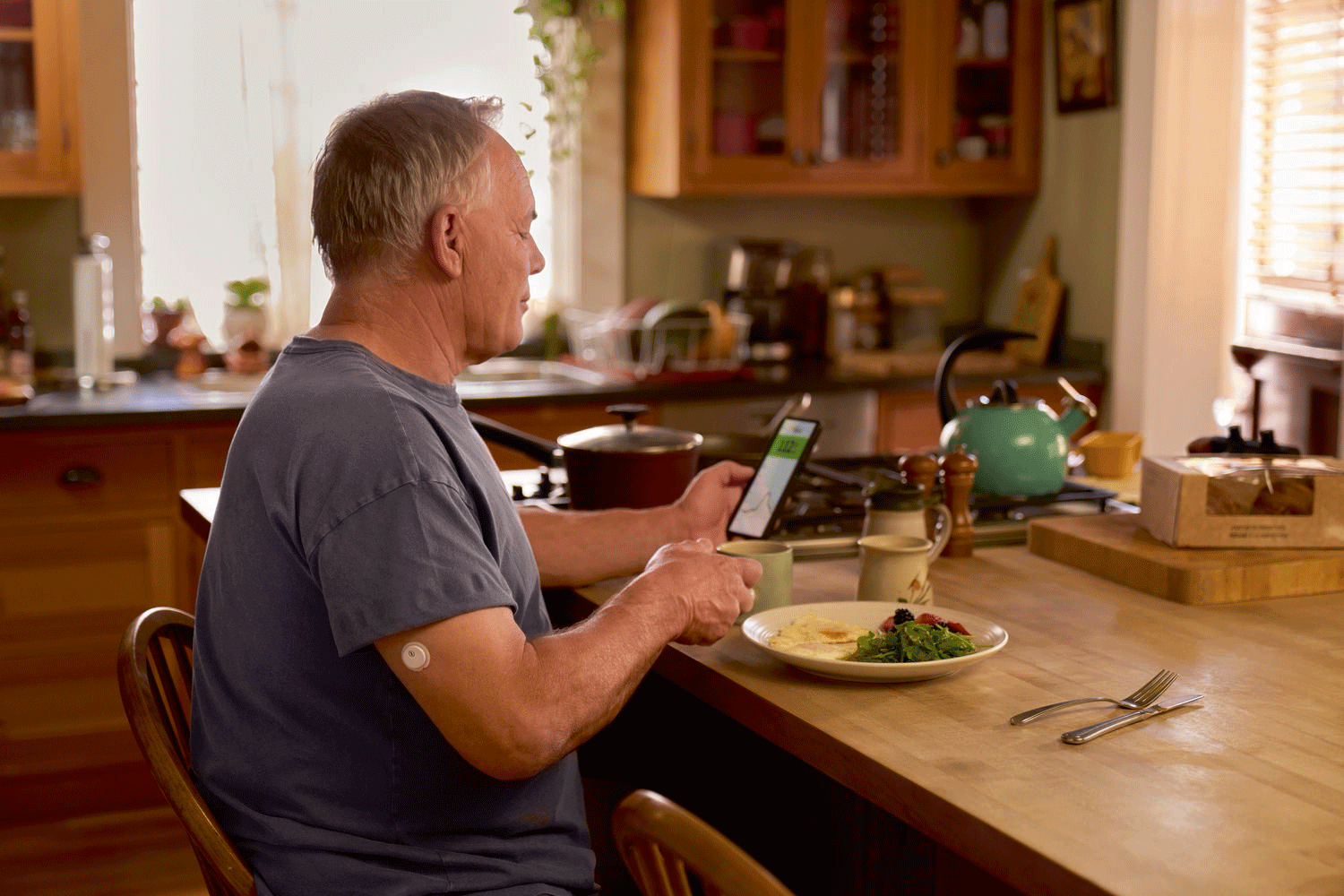
The hardware itself is a small, all-in-one sensor and transmitter that is roughly the size of three stacked quarters. Application is remarkably simple: you use a plastic applicator to "stamp" the sensor onto the back of your upper arm. After a 30-minute warm-up period—one of the fastest in the industry—the device begins streaming data to your smartphone. The biosensor system measures glucose in the interstitial fluid, which is the fluid surrounding your cells, providing a continuous read on how your body is processing fuel.
In testing, the Stelo biosensor demonstrated a 93% accuracy rate, meaning 93% of its readings fell within 20% of the gold standard Yellow Springs Instrument laboratory glucose values. This high level of non-prescription continuous glucose monitor accuracy is what sets the Stelo apart from cheaper, uncertified alternatives. It provides a reliable baseline for monitoring metabolic health, allowing you to trust the data when you see a spike after a "healthy" smoothie or a dip after a brisk walk.
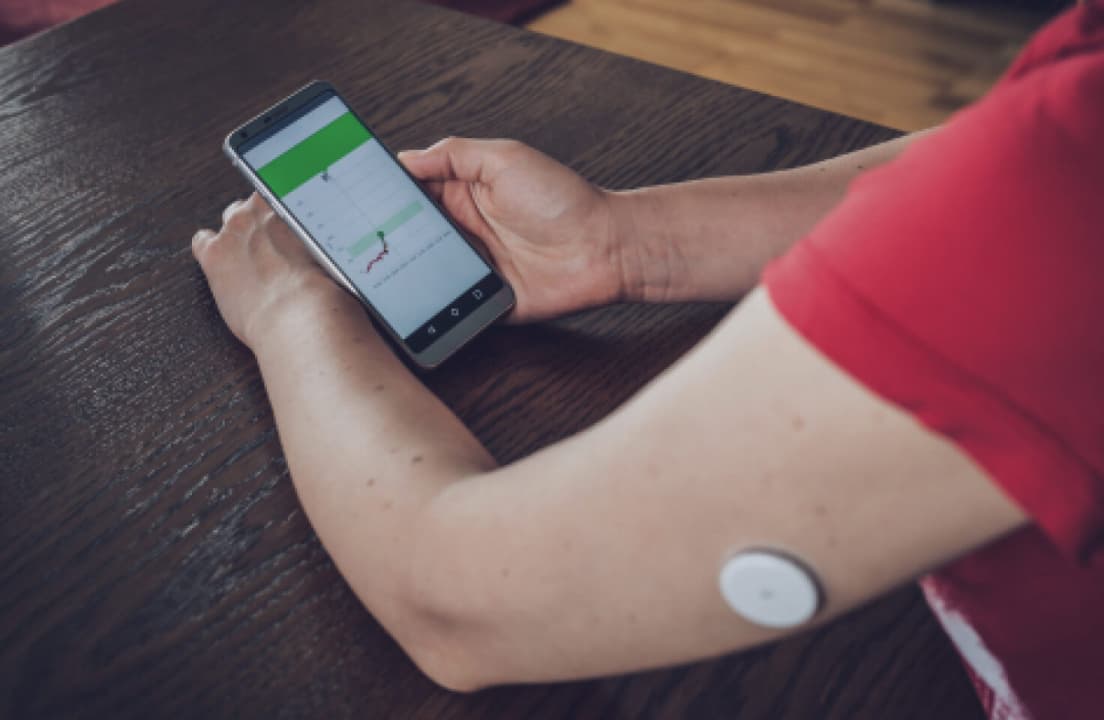
Knowing how accurate is dexcom stelo without a prescription is vital because it changes how you interact with the data. You aren't just looking at a number; you are looking at a trend line. Because each sensor provides a 15-day wear life, you get a full two weeks of data to observe your body’s unique circadian rhythms and hormonal responses to food. This is a significant advantage over many 10-day sensors, as it allows you to capture three full weekends—times when dietary habits often deviate from the norm.
Metabolic Intelligence: Tracking Spikes and Variability
As a nutrition editor, I often see clients frustrated because they follow a "standard" healthy diet but still feel sluggish or gain weight. This is where metabolic health and glucose variability come into play. The Stelo is designed for a target population of approximately 25 million Americans with type 2 diabetes who do not use insulin, but its utility for prediabetes management and nutritional optimization is where it truly shines.
The primary goal of using Dexcom Stelo for non-insulin users is to identify postprandial spikes—the sharp rise in blood sugar that occurs after eating. Frequent, high spikes can lead to systemic inflammation, insulin resistance, and long-term cardiovascular issues. By using this glucose biosensor, you can finally see the "invisible" impact of your meals. For example, you might find that brown rice spikes your sugar just as much as white rice, or that a late-night snack disrupts your glucose levels for the entire following morning.
To help manage these insights, I recommend implementing a structured dietary framework alongside your sensor data.
The 30/30/10 Rule for Metabolic Stability
- 30g Protein at Breakfast: Essential for stabilizing your baseline and preventing mid-morning crashes.
- 30g Net Carb Limit per Meal: A helpful ceiling to prevent significant postprandial spikes while you learn your tolerances.
- 10g Fiber per Meal: Fiber acts as a "metabolic buffer," slowing the absorption of glucose into the bloodstream.
By tracking how to interpret dexcom stelo glucose patterns, you can see the 30/30/10 rule in action. You will likely notice that a meal containing 30g of carbs with 10g of fiber creates a gentle hill on your graph, whereas 30g of "naked" carbs creates a sharp, jagged peak. This real-time biofeedback is far more powerful than any generic diet book because it is based on your specific biology.
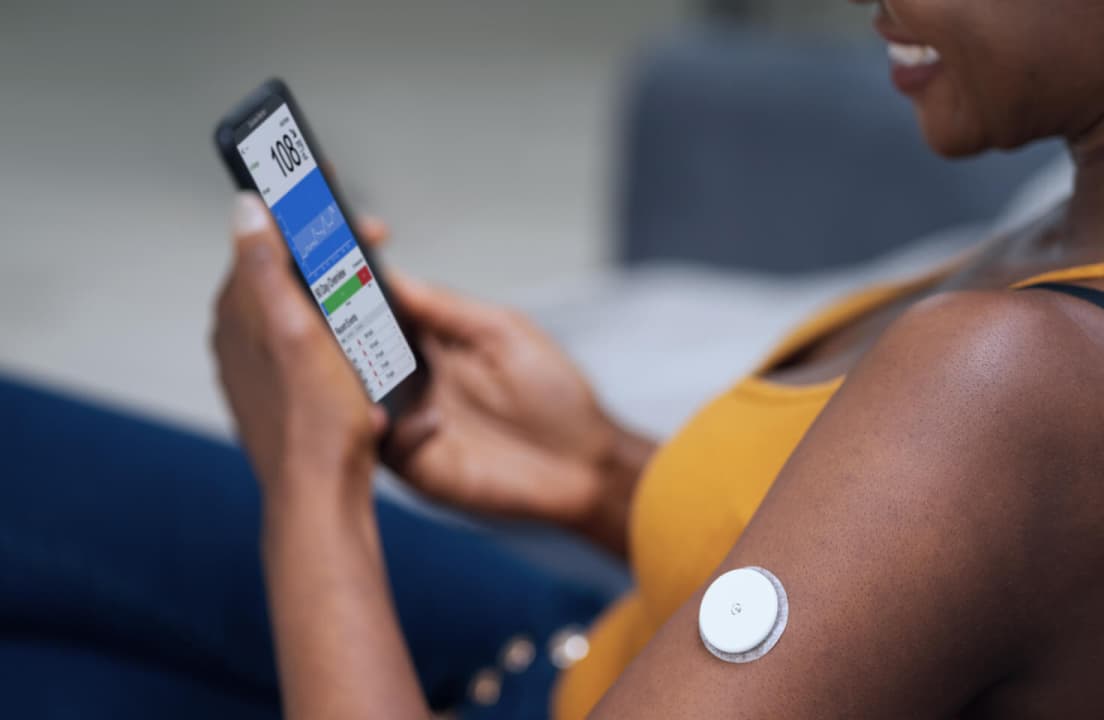
For those using the Dexcom Stelo review for non-insulin type 2 diabetes, the focus shifts from crisis management to lifestyle design. The app doesn't just show numbers; it categorizes your day into "Time in Range," helping you understand the percentage of the day your body spent in a healthy metabolic state. This shift from "monitoring a disease" to "optimizing a system" is a psychological breakthrough for many users.
App Experience and Ecosystem Integration
One of the most exciting aspects of the Stelo launch is how it fits into the broader wellness ecosystem. Dexcom has moved away from the clinical, "patient-only" feel of its previous apps toward a more lifestyle-oriented interface. The Stelo app features real-time data visualization that is intuitive and clean, emphasizing trends rather than just momentary snapshots.
A standout feature is the Oura Ring integration. By syncing your glucose data with your sleep and activity data from Oura, you can begin to see the interplay between your metabolism and your recovery. For instance, you might observe that a high-glucose spike in the evening correlates with a higher resting heart rate and lower "Readiness" score the next morning. This holistic view is essential for anyone asking is dexcom stelo worth it for non-diabetics. If your goal is longevity and peak performance, seeing how your food choices impact your sleep is invaluable.
However, it is crucial to note the limitations. Because this is an over-the-counter device, it lacks the urgent hypoglycemia (low sugar) alerts found in the Dexcom G7. This is a deliberate safety choice by the FDA to ensure the device is used for pattern recognition rather than making critical medical decisions. If you are prone to dangerous lows, you still need a prescription-grade CGM. For everyone else, the absence of frequent "beeping" alerts is actually a benefit, as it reduces "alarm fatigue" and allows you to focus on the broader picture of nutritional optimization.
Market Comparison: Stelo vs. Abbott Lingo
The world of over-the-counter CGMs is expanding rapidly, with the Dexcom Stelo vs Abbott Lingo for metabolic health being the primary comparison most consumers will make. Both devices received FDA clearance on March 5, 2024, but they cater to slightly different personas.
Abbott Lingo is often positioned as a "Habit Builder." It uses a "Lingo Count" system that gamifies glucose management, turning complex data into a daily score. It is excellent for people who want to be told exactly what to do. The Stelo, on the other hand, is for the "Data Enthusiast." It provides more granular data and leverages the long-standing reputation of Dexcom’s clinical accuracy.
| Comparison Metric | Dexcom Stelo | Abbott Lingo |
|---|---|---|
| Monthly Cost | ~$99 (for two 15-day sensors) | ~$89 (for two 14-day sensors) |
| Sensor Life | 15 days | 14 days |
| Heritage | Based on G7 (Clinical) | Based on Libre (Consumer) |
| Primary Strength | Accuracy and ecosystem integration | Gamification and habit coaching |
While Lingo might be slightly cheaper per month, the Stelo offers an extra two days of data per month due to its 15-day wear cycle. Furthermore, the dexcom stelo vs dexcom g7 differences for users are minimal in terms of hardware, meaning you are getting medical-grade hardware for a consumer price.
Ultimately, if you want a tool that integrates with other high-end wearables and offers the most precise Mean Absolute Relative Difference in the OTC market, the Stelo is the superior choice.

FAQ
How much does Dexcom Stelo cost?
The Dexcom Stelo typically costs around $99 for a pack of two sensors, which covers a 30-day period. This subscription-style pricing makes it one of the most affordable ways to access continuous glucose data without insurance coverage.
Do you need a prescription for Dexcom Stelo?
No, the Dexcom Stelo is the first FDA-cleared CGM available over the counter. You can purchase it directly from the manufacturer or authorized retailers without a doctor's note, provided you are 18 years or older and not using insulin.
How long does a Dexcom Stelo sensor last?
Each Stelo sensor is designed for a 15-day wear life. After 15 days, the app will notify you to replace the sensor, and the transmitter will automatically shut off.
Who is the Dexcom Stelo intended for?
The device is specifically designed for adults with type 2 diabetes who manage their condition through diet, exercise, or oral medications (non-insulin users). It is also highly effective for individuals with prediabetes or health-conscious adults looking to optimize their metabolic health.
Is Dexcom Stelo accurate for glucose monitoring?
Yes, the Stelo is highly accurate, utilizing the same underlying technology as the Dexcom G7. It maintains an 8–9% MARD and has a 93% accuracy rate when compared to laboratory standards, making it a reliable tool for tracking trends and spikes.
What is the difference between Dexcom G7 and Dexcom Stelo?
The primary difference lies in the software and target audience. The G7 is a prescription device for insulin-dependent diabetics and includes low-glucose (hypoglycemia) alarms. The Stelo is an over-the-counter device that omits those urgent alarms to focus on long-term glucose variability and lifestyle-driven patterns.
Conclusion and Health Action Plan
The Dexcom Stelo is more than just a gadget; it is a mirror reflecting your internal metabolic state. For the millions of Americans navigating type 2 diabetes or prediabetes without insulin, it offers a level of clarity that finger pricks simply cannot match. By focusing on glucose variability rather than just "passing" a morning test, you gain the power to reverse negative trends before they become chronic issues.
If you are ready to start your journey with the Stelo, I recommend the First Week Baseline plan:
- Days 1–7 (Observation): Change nothing about your diet or exercise. Wear the sensor and simply log your meals. This establishes your "true north" and identifies which of your current habits are causing the most significant spikes.
- Days 8–12 (Experimentation): Pick one "problem meal" identified in week one and apply the 30/30/10 rule. Watch how the trend line changes.
- Days 13–15 (Refinement): Introduce "Glucose Hacks," such as a 10-minute walk after your largest meal, to see how physical activity blunts the postprandial spike.
The data provided by the Stelo is a gift of insight. When you stop guessing and start seeing, your path to optimal metabolic health becomes much clearer.