Quick Facts
- Durability: Walking shoes typically last 300-500 miles on pavement, while hiking shoes are built for 400-650 miles of rugged thru-hiking.
- Weight: Walking models are featherlight (8.5oz), whereas hiking shoes can exceed 2 lbs to provide necessary stability.
- Traction: Hiking footwear utilizes 5mm deep outsole lugs for mud and loose dirt, while walking shoes use smooth treads for maximum surface contact on asphalt.
- Protection: Hiking shoes include a rock plate and reinforced toe caps for rocky terrain; walking shoes prioritize heel-to-toe flexibility.
- Support: Walking shoes focus on motion control for flat surfaces; hiking gear emphasizes torsional rigidity for uneven grades.
- Price: Expect to invest $80 - $140 for quality walking gear and $120 - $220 for technical hiking footwear.
The primary difference between hiking vs walking shoes lies in their construction for specific terrains. Hiking shoes feature deep outsole lugs for traction on slippery trails and stiffer midsoles for stability, while walking shoes prioritize lightweight flexibility and EVA foam cushioning for comfort on flat pavement. Choosing the right pair depends on whether your environment demands impact absorption on hard surfaces or aggressive grip and protection on technical terrain.
Biomechanics: Pavement Momentum vs. Trail Stability
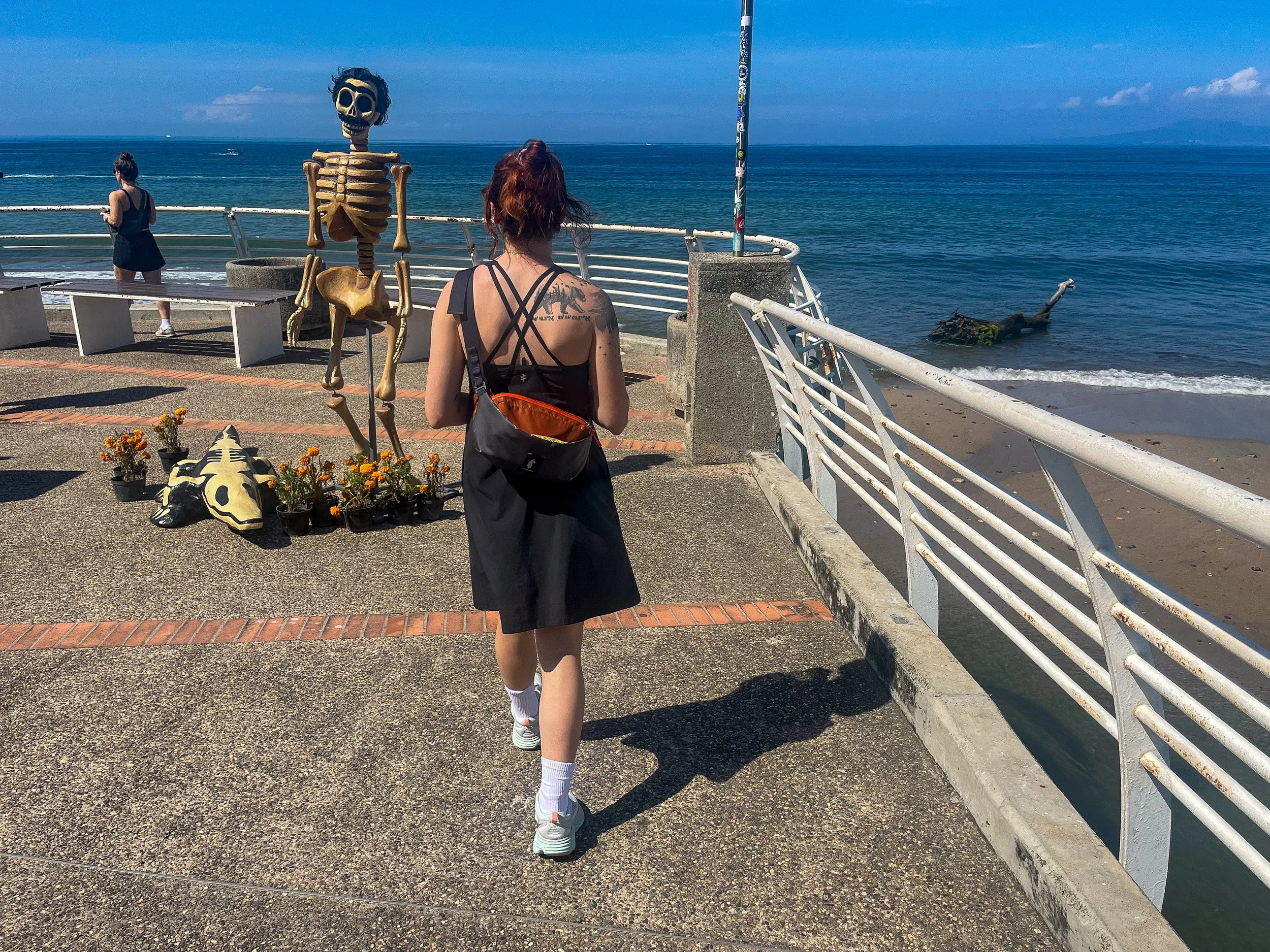
When we analyze the physics of a stride, the requirements for fitness walking on a sidewalk are fundamentally different from navigating a mountain pass. Walking is a repetitive, linear motion. Your foot follows a predictable heel-to-toe strike pattern thousands of times per mile. To facilitate this, walking shoes are engineered with a rocker-style bottom. This curved sole shape encourages forward momentum, acting like a wheel to transition your weight smoothly. Because pavement offers zero "give," these shoes rely heavily on EVA foam cushioning to manage the constant impact on your joints.
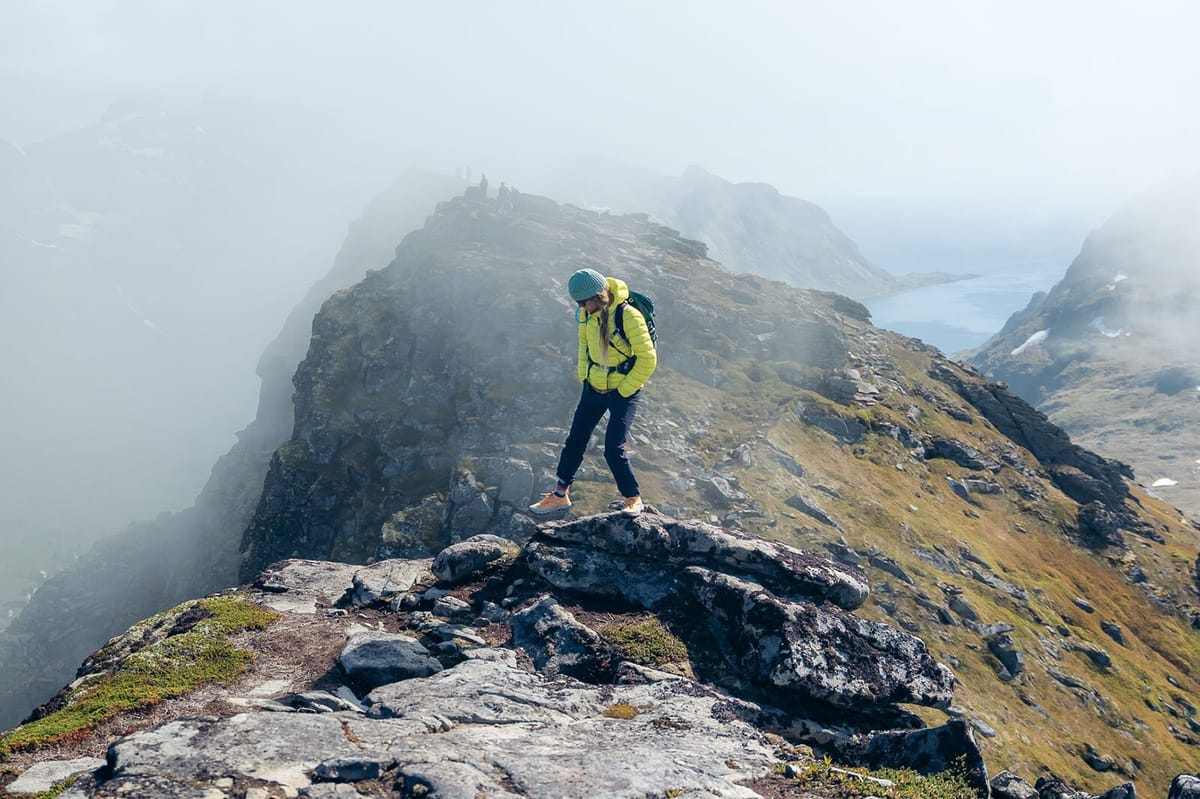
In contrast, hiking involves lateral movements, steep inclines, and unpredictable surfaces. If you wear a highly flexible walking shoe on a technical trail, your foot muscles will fatigue rapidly as they struggle to maintain balance on uneven rocks. Hiking shoes provide torsional rigidity—a fancy term for the shoe's resistance to twisting. A stiffer midsole acts as a platform, protecting your arch and reducing the strain on your connective tissues.
Stack height also plays a critical role in your performance. Many modern walking shoes feature high stack heights (up to 42mm) to maximize comfort. While this is great for urban environments, a high center of gravity can be a liability on the trail, increasing the risk of an ankle roll. For those seeking hiking shoes vs walking shoes for plantar fasciitis relief, the choice depends on where you walk. Walking shoes often provide better motion control and arch support for those with flat feet on level ground, whereas hiking shoes offer the necessary stiffness to prevent the fascia from overstretching on inclines.
Traction and Protection: Lugs, Rock Plates, and Toe Caps
If you take a standard walking shoe onto a wet, muddy incline, you will likely lose your footing. The outsole of a walking shoe is designed for high-friction contact with smooth surfaces like asphalt or concrete. However, on the trail, you need mechanical grip. This is where hiking vs walking shoe traction becomes the deciding factor.
Hiking shoes are equipped with aggressive outsole lugs, often made from specialized compounds like Vibram rubber. These lugs act like cleats, biting into soft dirt, mud, and gravel. A standard 5mm lug depth is often the benchmark for versatility, providing enough bite for steep climbs without feeling too clunky on hard-packed fire roads.
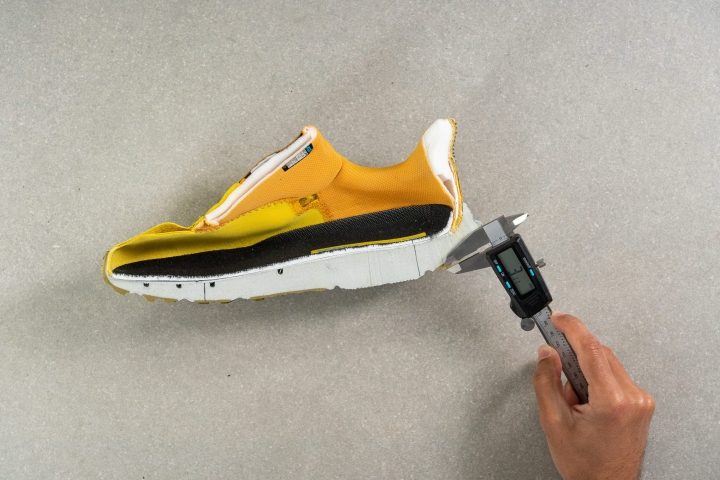
Protection is another area where hiking footwear excels. Most dedicated hiking models include a rock plate—a thin, puncture-resistant layer (usually TPU or carbon fiber) embedded in the midsole. This plate prevents sharp stones from bruising the bottom of your feet. Furthermore, you will find durable hiking shoes with reinforced toe caps for rocky terrain. When you are fatigued and accidentally kick a granite slab, a rubberized toe bumper can be the difference between a minor stumble and a broken toe. Walking shoes, designed for debris-free environments, usually feature soft mesh uppers that offer virtually zero protection against external impacts.
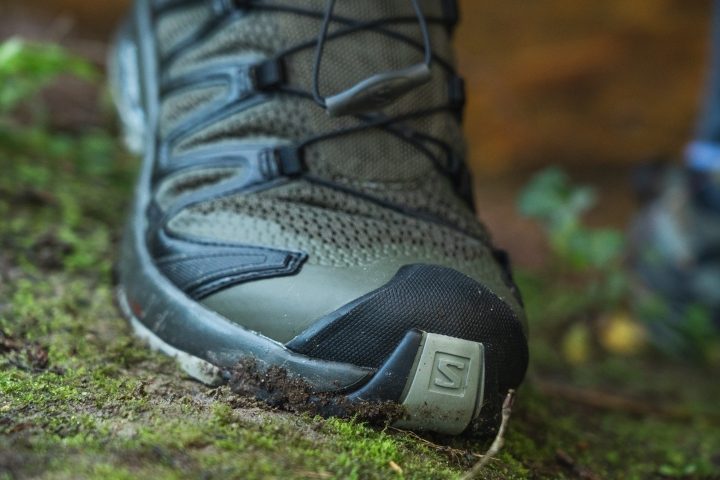
When considering walking shoes vs hiking boots for ankle support, remember that "support" is often more about the stiffness of the sole than the height of the collar. However, on technical terrain, the added physical barrier of a boot can protect your malleolus (the bony bump on your ankle) from scrapes and impact.
The Waterproofing Dilemma: Mesh vs. Gore-Tex
One of the most debated topics in the gear world is whether to opt for a waterproof membrane. The decision usually comes down to breathable walking shoes vs waterproof hiking gear. Most high-end hiking shoes offer a version with a Gore-Tex membrane. This technology is excellent for keeping your feet dry during shallow stream crossings or early morning walks through dewy grass.
However, waterproofing is a double-edged sword. While it keeps external water out, it also traps sweat inside. In hot conditions, a waterproof shoe can lead to "swamp foot," which softens the skin and increases the likelihood of blisters. For this reason, many experienced long-distance hikers prefer breathable mesh. Mesh allows moisture-wicking socks to do their job effectively and ensures that if the shoes do get submerged, they will dry out within an hour of walking.
If you are looking for the best waterproof hiking shoes for rainy conditions 2026, prioritize brands that use advanced membranes with high "breathability ratings" (measured in g/m²/24h). But if you are fitness walking in a dry climate or planning a summer thru-hike, the weight savings and cooling properties of a non-waterproof mesh shoe are usually the superior choice.
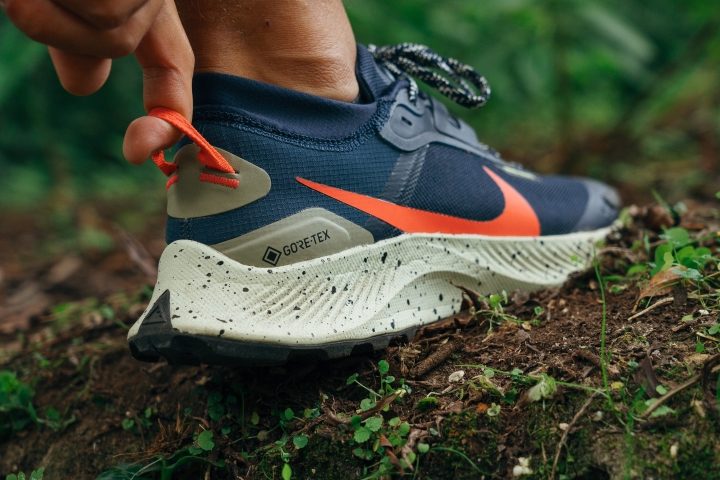
Decision Matrix: Choosing Shoes for Trail vs. Pavement Walking
To make the best choice, you need to be honest about where you spend 90% of your time. If your "hiking" consists of well-maintained gravel paths in a local park, a full-blown hiking boot is overkill. In fact, it might hinder your performance. Studies on metabolic cost indicate that every pound of weight added to a person's footwear is equivalent to carrying five pounds on their back, and it can take up to 6.5 times more energy to maintain a pace with heavier shoes.
Here is how to categorize your needs:
- Pavement and Sidewalks: Stick with walking shoes. You need the impact absorption of EVA foam and a flexible forefoot to maintain a brisk pace.
- Gravel Paths and Light Trails: Consider a trail runner or a hybrid shoe. These offer a middle ground with modest outsole lugs and better durability than a standard trainer without the weight of a boot.
- Rugged, Off-Trail, or Multi-day Trips: This is where you need hiking vs walking shoes designed for the long haul. Torsional stability, rock plates, and deep lugs are non-negotiable for safety.
The shift in preference toward lighter gear is undeniable. A survey of Appalachian Trail thru-hikers found that approximately 75 percent chose trail running shoes for their journey, while less than 10 percent utilized traditional hiking boots. This reflects a broader trend in the industry. The global hiking footwear market was valued at approximately 30.1 billion dollars in 2024 and is projected to reach over 45 billion dollars by 2035, with much of that growth driven by lightweight, high-performance models that blur the lines between categories.
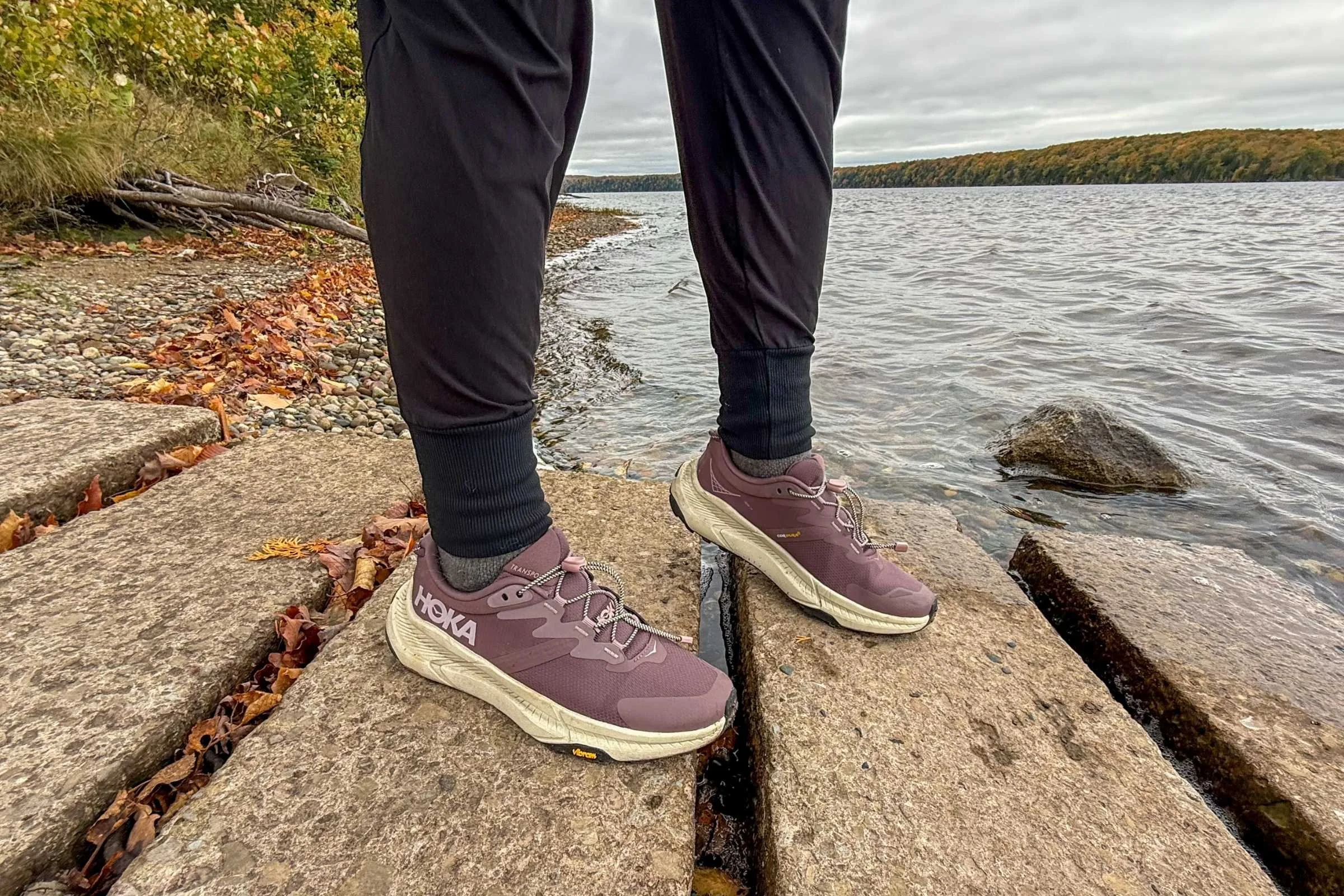
When choosing shoes for trail vs pavement walking, always consider your pack weight. If you are carrying a 30lb backpack, the extra stability of a dedicated hiking shoe becomes significantly more important to prevent fatigue and injury. If you are unladen, the agility of a lighter shoe often wins.
FAQ
What is the main difference between hiking shoes and walking shoes?
The primary difference lies in the terrain they are built for. Hiking shoes have deep outsole lugs for grip on soft surfaces and rock plates for protection, whereas walking shoes use smooth rubber and high-rebound foam for comfort on hard, flat pavement.
Can I wear walking shoes for hiking?
You can wear walking shoes on flat, dry, well-groomed trails. However, it is not recommended for steep, muddy, or rocky terrain because walking shoes lack the necessary traction and toe protection to prevent slips and injuries.
Are hiking shoes heavier than walking shoes?
Yes, hiking shoes are generally heavier because they use denser rubber compounds, reinforced uppers, and internal structural components like shanks or rock plates to provide stability on uneven ground.
Do hiking shoes provide better grip than walking shoes?
Hiking shoes provide better grip on loose, wet, or uneven surfaces like mud and scree due to their aggressive lug patterns. However, on dry asphalt, a walking shoe with a flatter sole may actually provide more surface contact and better friction.
Is it okay to wear walking shoes on rough terrain?
It is generally not okay to wear walking shoes on rough or technical terrain. The lack of torsional rigidity can lead to foot fatigue or rolled ankles, and the thin uppers offer no protection against sharp rocks or thorns.