Quick Facts
- Core Difference: The primary distinction between joggers vs yoga pants involves fit and intensity; joggers utilize a relaxed, tapered fit for lower-intensity training, while yoga pants offer high-stretch support for maximum mobility.
- Top Performance Pick: Yoga pants are the superior choice for high-impact mobility and compression-heavy sessions.
- Top Comfort Pick: Joggers win for recovery sessions, outdoor warm-ups, and long-distance travel.
- Market Insight: Recent data shows sales for traditional leggings in the United States declined by 5% in 2024 as athletes pivot toward looser silhouettes.
- Economic Value: The global market for joggers and sweatpants was valued at $14.7 billion in 2025 and is expected to nearly double by 2034.
- Durability Markers: High-quality athletic gear should feature flatlock seams and a gusseted crotch to handle mechanical stress.
- Fit Inclusivity: Performance brands now offer a wide fit range, with inseams typically spanning from 25.5" to 34.5".
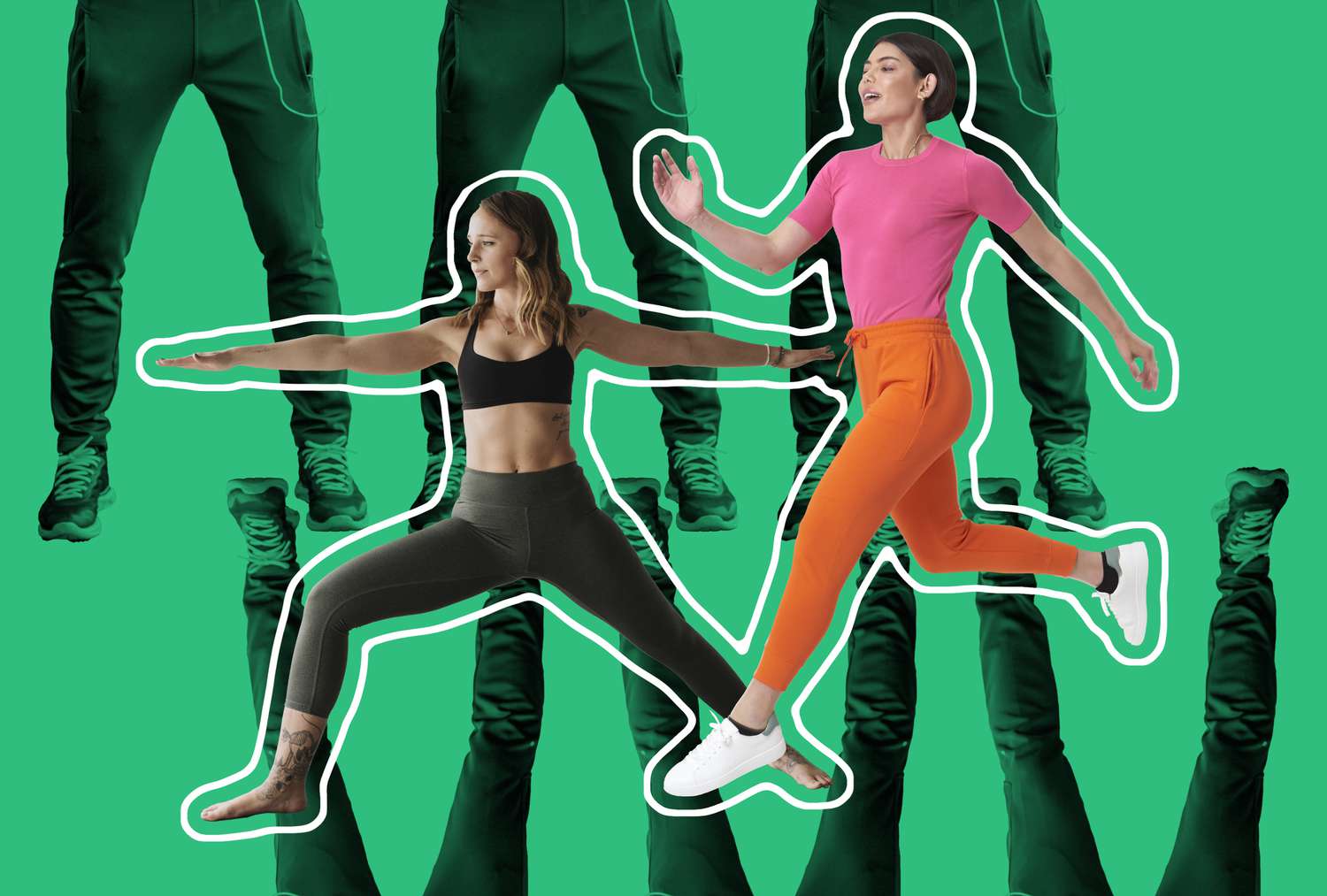
The primary difference between joggers vs yoga pants lies in their fit and fabric construction. Joggers typically feature a looser fit around the hips and thighs with a tapered ankle cuff, making them ideal for walking or casual wear. In contrast, yoga pants are form-fitting with high-stretch fabrics like elastane, designed to provide a full range of motion and moisture management for activities like Pilates and stretching.
Fabric Science: Construction and Mobility
When you are deep in a training cycle, the technical composition of your gear is just as important as your macro intake. The difference in performance between these two garments starts at the molecular level. Most premium yoga pants utilize a blend of roughly 81% nylon and 19% Lycra or elastane. This specific ratio is engineered to provide four-way stretch, allowing the fabric to expand and contract both crosswise and lengthwise. This is the cornerstone of yoga pants fabric benefits, as it ensures the garment moves with you during a deep lunge or a downward dog without restriction.
Beyond just stretching, fabric science focuses heavily on moisture management. High-performance yoga pants are designed to pull sweat away from the skin to the outer layer of the fabric where it can evaporate quickly. This is critical for maintaining body temperature during high-intensity sessions. Furthermore, elite manufacturers prioritize squat-proof opacity, a metric that ensures the fabric remains thick enough to prevent transparency even when stretched to its limit.
Joggers, on the other hand, often prioritize temperature regulation over pure compression. While many performance joggers use moisture-wicking synthetic blends, others utilize heavier cotton-polyester weaves. These materials are excellent for outdoor training in cooler climates because they trap a thin layer of air against the skin for insulation. However, because they lack the high elastane content of yoga pants, they rely on a looser cut to provide a range of motion. To prevent chafing during long-duration movement, high-quality joggers will include flatlock seams, which lay flat against the skin rather than rubbing against it.
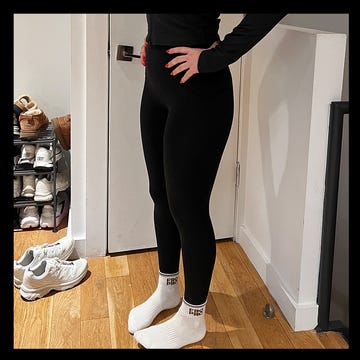
Fit and Silhouette: Core Support vs. Airflow
The silhouette of your workout gear dictates more than just your gym aesthetic; it influences your biomechanics. When comparing high waisted yoga pants vs drawstring joggers for core support, the differences are immediate. Yoga pants often feature a wide, high-rise waistband designed to provide mild compression and midsection stability. This core support is invaluable during balance-heavy exercises or overhead lifts where spinal alignment is paramount. The lack of external hardware like buttons or zippers also makes them safer for floor-based mobility work.
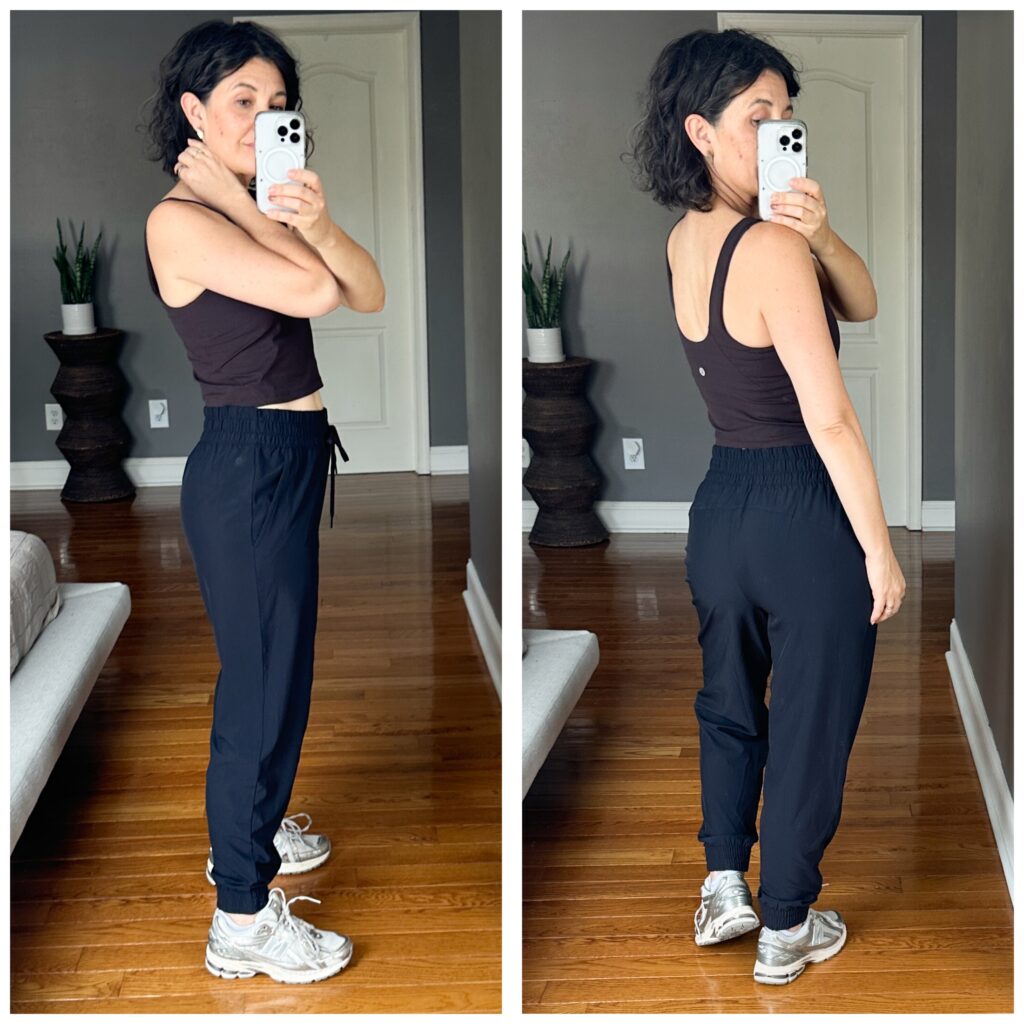
Joggers utilize a completely different design philosophy. The tapered silhouette is the defining characteristic here. By keeping the fabric loose around the thighs but tight at the ankle, joggers prevent excess material from interfering with your stride or getting caught in gym equipment like rowers or stationary bikes. The inclusion of a drawstring allows for an adjustable fit, which is particularly useful for athletes whose waist measurements may fluctuate during different phases of a training block.
The rise of the athleisure trend has blurred the lines between gym wear and street clothes, leading to the popularity of tapered joggers vs flared yoga pants for casual athleisure. Flared yoga pants provide a relaxed look that mimics traditional trousers while retaining the technical yoga pants fabric benefits for mobility and stretching. Meanwhile, performance features of athletic joggers, such as zippered pockets for secure storage of keys and phones, make them the more practical choice for a lifestyle that transitions from a morning run to a coffee meeting.
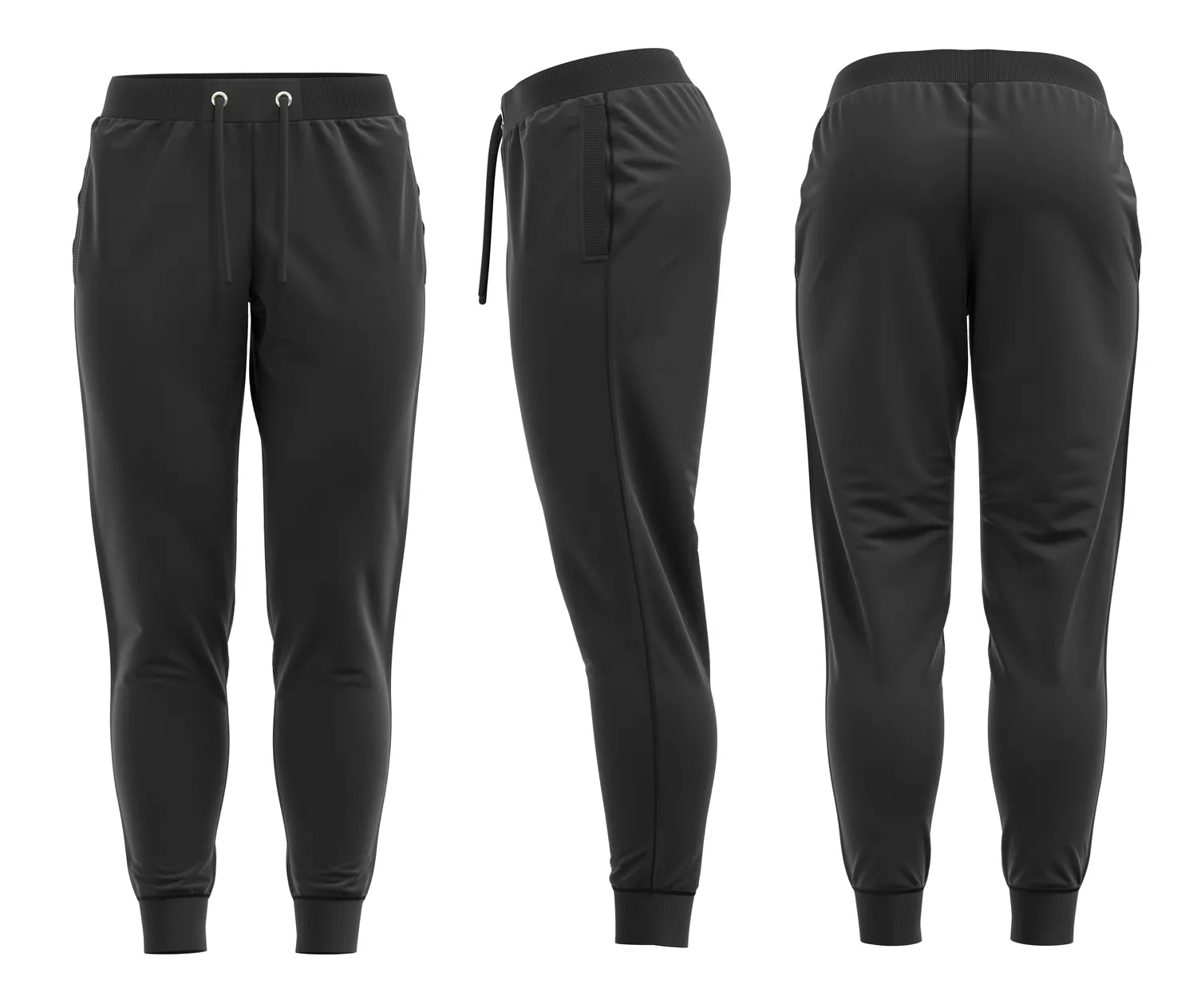
Activity Mapping: Workout Pants for Different Exercise Intensities
Choosing the right tool for the job is a hallmark of an advanced athlete. If you are debating joggers vs yoga pants for high intensity workouts, the answer usually leans toward the latter. The compression offered by yoga pants reduces muscle oscillation during plyometric movements, which can help minimize fatigue.
When we look at performance features of athletic joggers for running, they serve a specific niche. For a recovery run or a cold-weather warm-up, the airflow and temperature regulation of joggers are superior. However, for distance running where friction becomes an issue, the second-skin fit of yoga pants or performance leggings is better at preventing inner-thigh chafing.
For those focused on strength, selecting the best workout pants for weight training and squats requires a balance of durability and flexibility. You need a garment that can handle the friction of a barbell against the thighs without pilling or tearing.
| Activity Type | Recommended Gear | Primary Benefit |
|---|---|---|
| HIIT / Cross-Training | Yoga Pants | Compression and friction reduction |
| Powerlifting / Squats | Yoga Pants (Compression) | Squat-proof opacity and core support |
| Outdoor Running | Joggers | Temperature regulation and wind protection |
| Yoga / Pilates | Yoga Pants | Maximum four-way stretch and range of motion |
| Active Recovery | Joggers | Relaxed fit for circulation and comfort |
| Hiking / Walking | Joggers | Utility pockets and durable fabric |
To determine if your current gear is up to par, I recommend the Home Mobility Test. Perform a full-depth bodyweight squat and a lateral lunge in front of a mirror. If the waistband of your joggers slides down or the fabric of your yoga pants becomes sheer, you are not wearing the right workout pants for different exercise intensities.
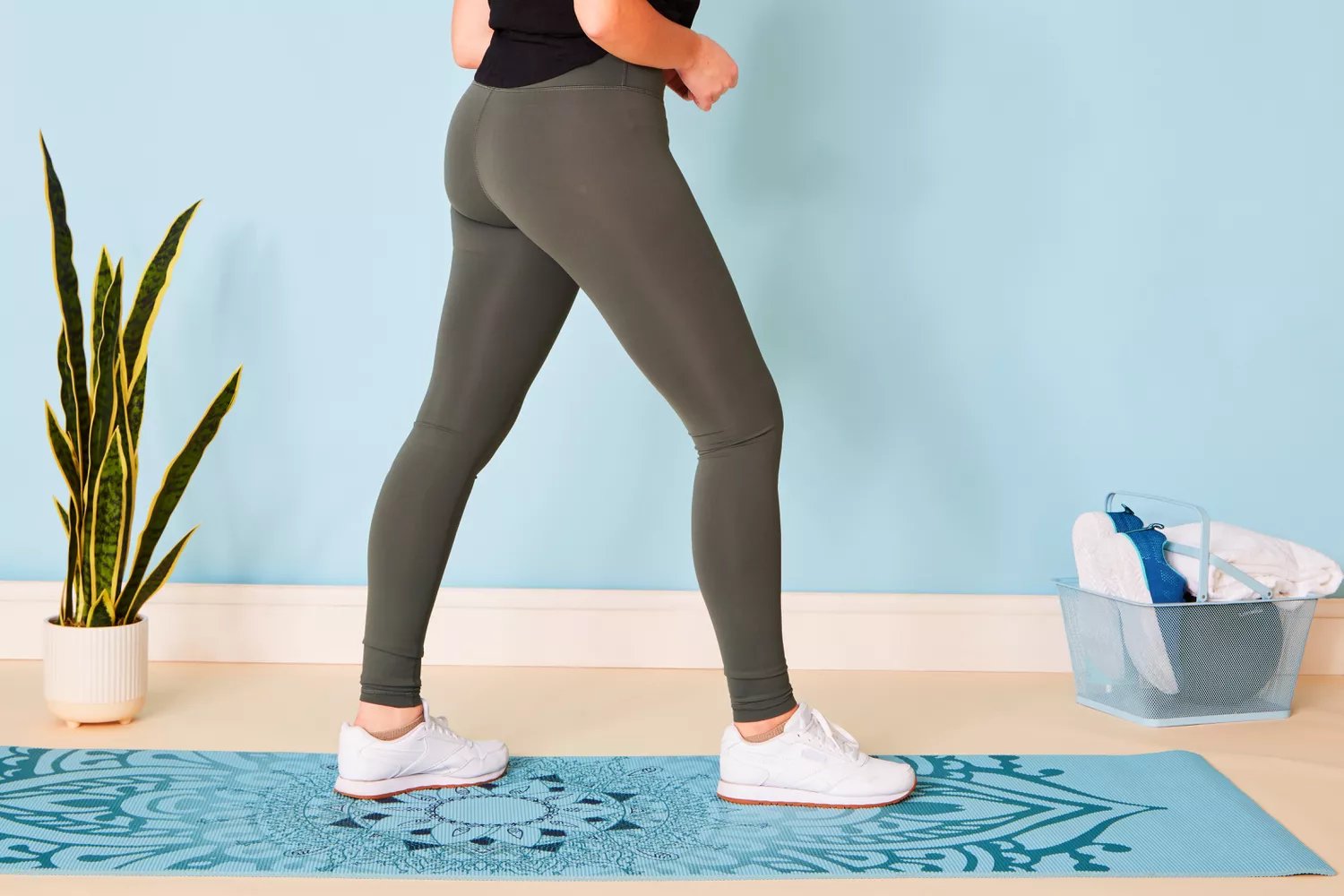
Quality Checklist: Technical Markers to Look For
As an editor who has tested hundreds of pieces of gear, I can tell you that the devil is in the details. Price doesn't always equal quality, but technical markers do. Whether you are buying joggers or yoga pants, check for these specific construction points:
- Gusseted Crotch: This is a triangular piece of fabric sewn into the crotch area. It redistributes stress away from the seams, allowing for a greater range of motion and preventing the dreaded "camel toe" or seam failure during deep squats.
- Flatlock Seams: Unlike traditional overlock seams that have a raised edge inside the garment, flatlock seams are stitched flat. This is essential for preventing skin irritation during high-intensity training.
- Moisture Management Labels: Look for synthetic blends that explicitly mention sweat-wicking properties. Avoid 100% cotton for high-intensity work as it retains moisture and becomes heavy.
- Inseam Options: A proper fit is non-negotiable. Look for brands that offer multiple lengths. A 25.5" inseam is typically perfect for petite athletes, while a 34.5" inseam accommodates taller frames without the "high-water" look.
- Pocket Integration: For joggers, ensure pockets are placed toward the side-back to prevent contents from hitting your quads during movement. For yoga pants, look for a hidden waistband pocket for small essentials.
FAQ
What is the main difference between joggers and yoga pants?
The fundamental difference is the fit and the intended movement profile. Joggers are characterized by a relaxed fit that tapers to a cuffed ankle, designed for comfort and low-to-moderate activity. Yoga pants are form-fitting, skin-tight garments made from high-stretch elastane blends designed for maximum range of motion and muscle support.
Are joggers or yoga pants better for working out?
It depends entirely on the activity. For high-intensity interval training, yoga or heavy lifting, yoga pants are usually better because they offer compression and won't get caught on equipment. For walking, light jogging, or outdoor training in cool weather, joggers are often the superior choice due to their breathability and temperature regulation.
Can you wear joggers for yoga?
You can, but it is not ideal for an advanced practice. The loose fabric of joggers can bunch up during inversions or slide down your legs during poses like downward dog. Additionally, the lack of four-way stretch in some jogger materials can limit your mobility in deep stretches.
Are yoga pants more flattering than joggers?
Flattery is subjective, but the two styles serve different aesthetic goals. Yoga pants highlight the silhouette of the lower body and provide a streamlined look. Joggers offer a more casual, athletic vibe that can be more forgiving if you prefer a silhouette that doesn't cling to the skin.
Are joggers suitable for running?
Yes, joggers are suitable for running, especially for shorter distances or warm-up laps. Many modern performance joggers are made from lightweight, sweat-wicking materials specifically for this purpose. However, for long-distance running, many athletes prefer the friction-free experience of yoga pants or tight leggings.
Which is more comfortable for lounging: joggers or yoga pants?
Most people find joggers more comfortable for lounging and recovery sessions because of the relaxed fit and soft, breathable fabrics. While yoga pants provide great support, the constant compression can feel restrictive during long periods of rest compared to the airy feel of a well-made pair of joggers.