Quick Facts
- Primary Tech: Uses non-invasive Transcutaneous VNS (tcVNS) to target the cervical nerve through the skin.
- FDA Status: Handheld devices like gammaCore have been cleared for acute and preventive use since 2018.
- Clinical Win: PRESTO trials showed 21-30% pain freedom at 60 minutes for episodic migraine patients.
- Age Range: Medical-grade devices are cleared for patients aged 12 and older.
- Treatment Window: Most effective when used within a window of 30 minutes before to 60 minutes after symptom onset.
- Drug-Free: A safe, holistic option for pregnant or breastfeeding users who need to avoid systemic medications.
Vagus nerve stimulation (VNS) for migraines works by delivering low-voltage electrical impulses to the cervical vagus nerve, modulating the parasympathetic nervous system to inhibit pain signals. This non-invasive neuromodulation is an effective abortive therapy for acute attacks and a daily preventative measure to reduce headache frequency.
Vagus Nerve Stimulation: Future of Migraine Care
Vagus nerve stimulation (VNS) is no longer confined to surgical implants; non-invasive neuromodulation for migraines is transforming at-home care. For those of us who have spent years in darkened rooms waiting for a prescription to kick in, the arrival of at-home nerve stimulation devices feels like a quiet revolution. These wearable devices offer a drug-free alternative for both acute relief and long-term migraine prevention, bridging the gap between clinical intervention and daily self-care.
As a lifestyle editor focused on preventive healthcare, I have seen many trends come and go. However, the shift toward bioelectronic medicine is different. It targets the root cause of neurological distress—the communication between your brain and your body—rather than just masking the symptoms. By tapping into the body's natural "off switch" for pain, we are seeing a significant move toward chronic pain management that respects the body's delicate equilibrium.
The Science: How Wearables Modulate the Vagus Nerve
To understand why this technology is so effective, we have to look at the cervical vagus nerve. Think of this nerve as the primary highway of the nervous system. It runs from the brainstem down through the neck to the chest and abdomen, carrying messages that control your heart rate, digestion, and your stress response. In the context of a migraine, this highway becomes congested with "pain traffic."
The technical mechanism of VNS involves sending a specific pulse frequency—often around 25Hz—to the nerve. This electrical signal acts like a detour sign for pain. Through neurotransmitter modulation, the stimulation increases the release of inhibitory signals like serotonin and norepinephrine while suppressing the overactive signals that lead to cortical spreading depression, the phenomenon often responsible for the migraine aura.
By using transcutaneous stimulation, these devices reach the nerve through the skin of the neck without the need for needles or surgery. This process engages the parasympathetic nervous system, shifting your body from a state of "fight or flight" into "rest and digest." For a migraine sufferer, this shift can be the difference between a three-day ordeal and a manageable afternoon.
Acute Relief vs. Preventive Care: Choosing Your Strategy
One of the most frequent questions I receive is how to use vagus nerve stimulation for acute migraine relief compared to daily prevention. The beauty of these devices lies in their dual-purpose nature. They can be used as an abortive therapy—something you reach for the moment you feel the first flicker of a headache—or as part of a ritual for migraine prevention with wearable tech.
Clinical efficacy for acute relief is well-documented. During an attack, the goal is to stop the pain signals before they become "locked in." Most users find that a 2-minute stimulation cycle on each side of the neck provides the best results. If you are wondering how long to use VNS wearables for headache pain reduction, most clinical protocols suggest a series of two or three 2-minute sessions separated by short breaks during the onset of symptoms.
For those dealing with chronic episodes, the focus shifts to patient compliance and daily routine. Just as you might take a daily vitamin, using a VNS device twice a day (once in the morning and once at night) can lower the baseline excitability of your nervous system. Clinical research indicates that regular use of non-invasive vagus nerve stimulation wearables can reduce the frequency of migraine attacks by 30% to 50% in patients with episodic migraine.
Trial Data Comparison: Medical-Grade VNS Efficacy
| Trial Name | Condition | Primary Outcome | Clinical Result |
|---|---|---|---|
| PRESTO | Episodic Migraine | Pain freedom at 60 mins | 21% - 30.4% success rate |
| ACT-1 | Cluster Headache | Reduction in attack intensity | Significant pain relief vs. sham |
| EVENT | Chronic Migraine | Reduction in headache days | 2.5 - 4 day reduction per month |
Market Guide: FDA-Cleared Medical Devices vs. Wellness Wearables
As the market expands, it is crucial to distinguish between medical-grade technology and general wellness tools. The market for external vagus nerve stimulation devices is projected to grow at a compound annual growth rate (CAGR) of 11.9% through 2030, which means you will see a lot of new products appearing in your social feeds.
When looking for the best non-invasive neuromodulation devices for migraine prevention, start with FDA clearance. Devices like gammaCore are specifically cleared for the treatment and prevention of migraine and cluster headaches. These are high-output devices that require a prescription in many regions because they deliver a therapeutic dose of electricity directly to the nerve.
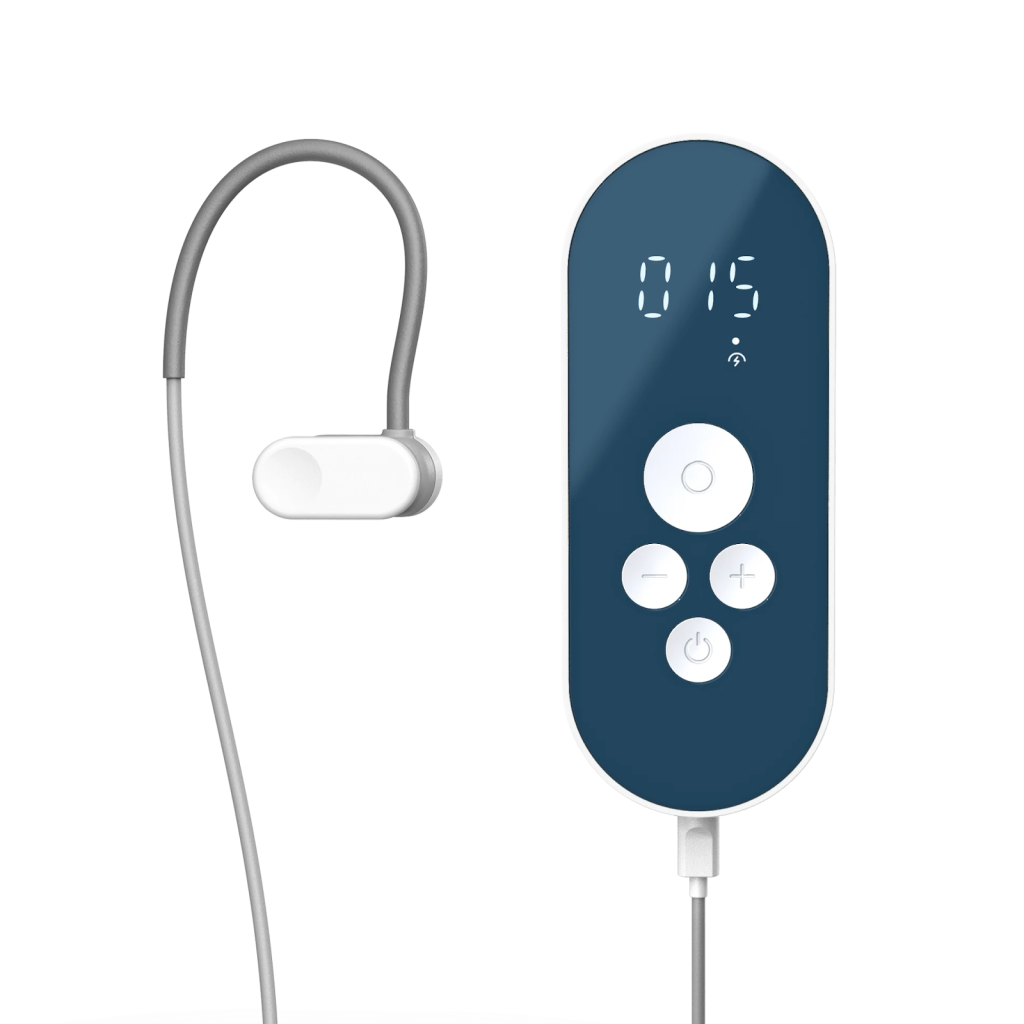
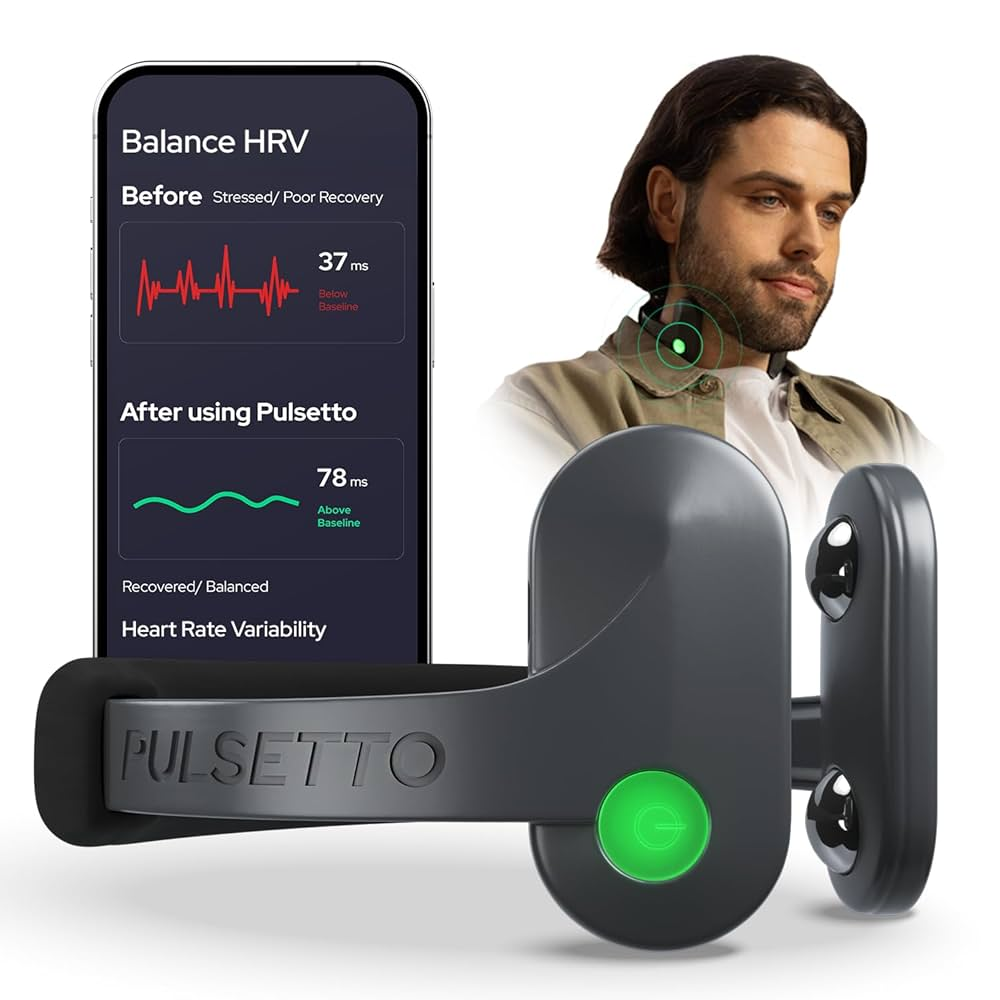
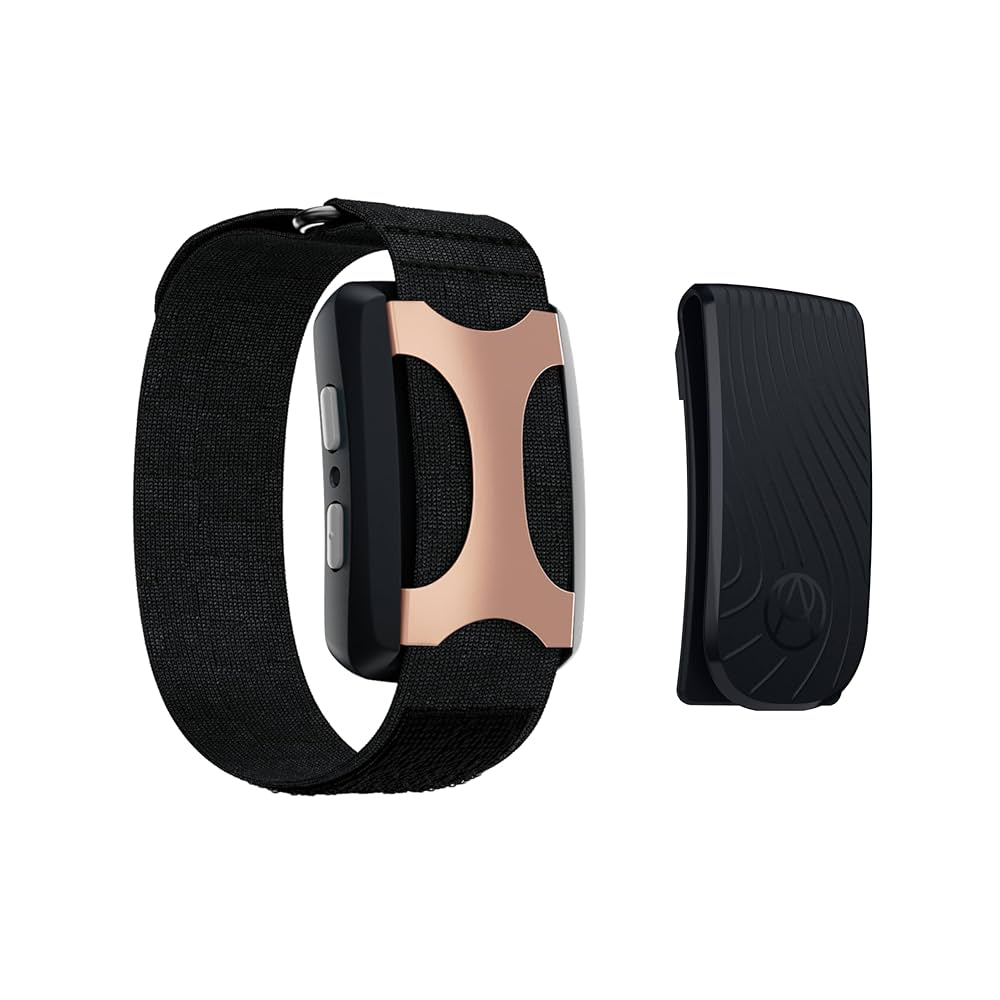
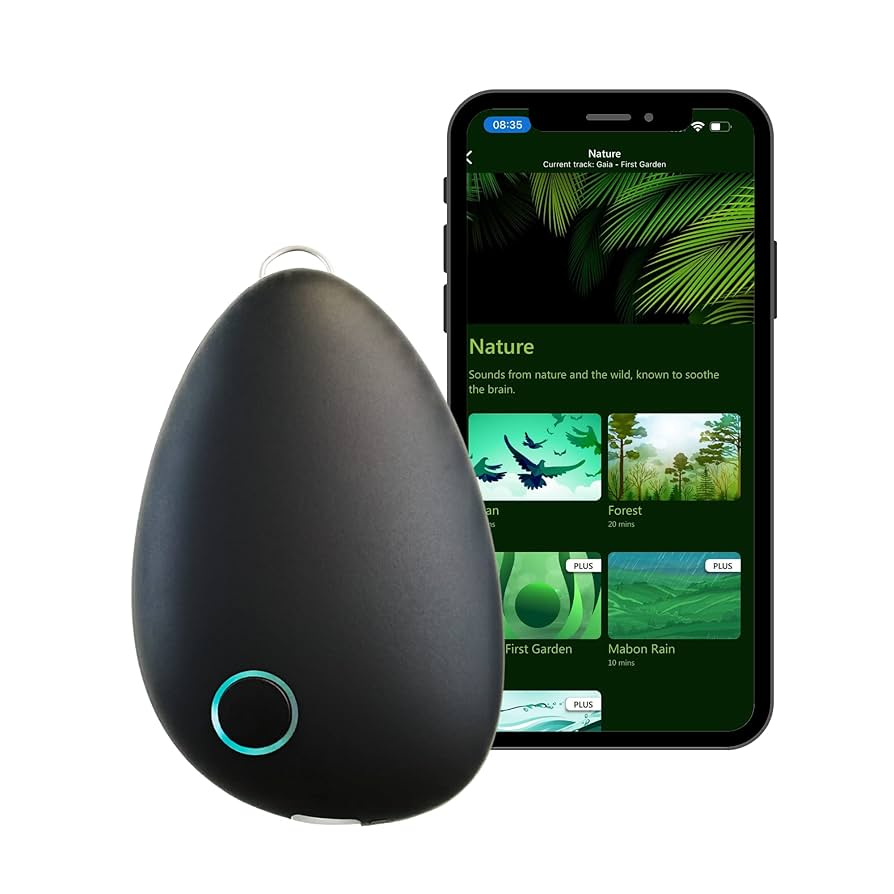
In contrast, when comparing handheld vs. wearable vagus nerve stimulators, you may encounter wellness-oriented wearables like Apollo or Pulsetto. While these may not always have the same specific migraine clearances as a gammaCore, they are excellent for general stress reduction and nervous system regulation. Some of these devices use vibration rather than electrical impulses, making them a gentler choice for those sensitive to electrical sensations.
For patients seeking at-home vagus nerve stimulation for cluster headache management, the handheld medical-grade options are currently the gold standard. These allow for precise placement on the neck during a cluster attack, which is essential for interrupting the intense pain cycles associated with this condition.
Patient Safety and Long-Term Cost of Ownership
While vagus nerve stimulation is a breakthrough in chronic pain management, it is not for everyone. Because these devices use electrical impulses, people with implanted medical devices like pacemakers or those with metal implants in the neck should avoid them. Common side effects are generally mild and localized, including:
- Temporary skin irritation or redness at the site of stimulation.
- A slight "pulling" sensation in the neck muscles.
- Occasional throat tightness or voice hoarseness during the 2-minute cycle.
- Mild tingling that dissipates immediately after the session ends.
One aspect often overlooked in the excitement of new medical-grade technology is the total cost of ownership. Some devices require a monthly subscription to "refill" the number of stimulations allowed, while others require specialized conductive gels to ensure the signal reaches the nerve effectively. When choosing an FDA cleared at-home vagus nerve stimulators for headaches, calculate the cost over three years. While a $600 upfront cost may seem high, it often pales in comparison to the years of co-pays, lost workdays, and pharmaceutical expenses associated with traditional migraine care.
FAQ
How does vagus nerve stimulation work?
The process works by sending gentle electrical impulses to the vagus nerve, which tells the brain to release chemicals that naturally block pain. It helps rebalance the nervous system so it doesn't overreact to the triggers that usually cause a migraine.
What are the side effects of vagus nerve stimulation?
Most people only experience minor issues like skin tingling or a slight twitch in the neck muscles during use. These sensations usually stop as soon as the device is turned off.
How much does a vagus nerve stimulator cost?
The price can vary significantly. Medical-grade devices often cost between $400 and $800, plus the ongoing cost of conductive gel or activation refills. Wellness-focused wearables usually range from $200 to $400.
Is vagus nerve stimulation painful?
It shouldn't be painful. Most users describe it as a vibrating or pulsing sensation. You can usually adjust the intensity of the device so that it feels strong but comfortable.
Who is a candidate for vagus nerve stimulation?
It is ideal for people who haven't had success with medications, those who want to avoid drug side effects, or people who suffer from both migraines and high stress. Always check with your doctor if you have any heart conditions or metal implants.
The Future of Migraine Management
As we look toward 2026 and beyond, the trend is clear: we are moving away from the "pill for every ill" mentality and toward personalized, non-invasive neuromodulation for migraines. By empowering patients to manage their symptoms at home with medical-grade technology, we are giving them back their time and their quality of life.
If you are tired of the cycle of medications and side effects, I encourage you to discuss VNS options with your neurologist. Whether you choose a handheld device for acute relief or a wearable for daily prevention, the goal is the same: a calmer nervous system and more pain-free days. The future of migraine care isn't just about stopping the pain; it's about reclaiming your life from it.