Quick Facts
- The Gold Standard: Adhering to Mediterranean diet principles remains the single most effective nutritionist recommendation for long-term organ health.
- The Visual Guide: Utilize the balanced plate method by filling 50% of your plate with vegetables, 25% with lean protein, and 25% with whole grains.
- The Fiber Gap: While the average adult consumes only about 15 grams per day, your liver and digestive system require between 25 and 38 grams to function optimally.
- The Coffee Benefit: Clinical data suggests that drinking 1 to 3 cups of coffee daily can significantly lower the risk of developing liver fibrosis.
- The 5-10% Rule: Achieving a modest weight loss of 5% to 10% of total body weight is often enough to reverse significant fat accumulation in liver tissues.
- Immune Connection: Since 70% to 80% of the human immune system is located in the gut, supporting the gut-liver axis is vital for overall resistance to illness.
Start your journey toward metabolic health with these 10 expert-approved liver health tips. Supporting gut and liver health is essential for energy and longevity. Experts recommend a Mediterranean diet rich in cruciferous vegetables and prebiotic fiber to manage steatotic liver disease risks. Supporting the gut-liver axis involves a diet rich in prebiotic fiber and bioactive compounds that promote a healthy gut microbiome. Nutritionist recommendations emphasize consuming cruciferous vegetables and seasonal whole foods to stimulate bile production and enhance detoxification pathways. Proper hydration strategies, such as drinking water or green tea, further assist the liver in processing metabolic waste efficiently.
1. Master the Balanced Plate Method
One of the most effective liver health tips I share with my clients is to move away from restrictive calorie counting and toward visual portion control. The balanced plate method for fatty liver management is a simple yet powerful framework that ensures you are getting the nutrients you need without overtaxing your metabolism. When you look at your lunch or dinner, aim for a specific architectural breakdown: half of your plate should be covered in non-starchy vegetables, one quarter should be dedicated to high-quality protein, and the final quarter should contain complex whole grains.
This structural dietary framework is designed to stabilize insulin levels. When insulin spikes frequently due to high-carbohydrate or sugary meals, the liver is signaled to store excess energy as fat. By prioritizing fiber-rich vegetables like leafy greens or colorful peppers, you slow down the absorption of glucose. This anti-inflammatory diet approach reduces the metabolic load on your system, allowing your liver to focus on its primary roles of filtration and nutrient processing rather than constant fat storage.
The Balanced Plate Visual
- 50% Non-Starchy Vegetables: Spinach, arugula, bell peppers, zucchini, or green beans.
- 25% High-Quality Protein: Lentils, chickpeas, wild-caught fish, or skinless poultry.
- 25% Whole Grains: Quinoa, brown rice, farro, or a small sweet potato.
2. Incorporate Bitter and Sour Pigments
Nature provides specific biochemical triggers that help our digestive organs perform their duties. Incorporating bitter and sour foods is one of the best nutritionist recommendations for liver function because these flavors stimulate the release of saliva and gastric juices. More importantly, they signal the gallbladder to release bile. Bile is the primary vehicle the liver uses to export fat-soluble toxins and waste products out of the body.
Specifically, compounds like cynarin found in earthy artichokes and various polyphenols in tangy citrus fruits like lemon and grapefruit act as natural catalysts. During the warmer months, looking for seasonal foods for liver health in spring and summer can make this practice even easier. Try adding dandelion greens to your salads or starting your morning with a glass of warm water and a squeeze of fresh lemon. These bitter and sour foods for liver detoxification enzymes help prime your system for better digestion and more efficient waste removal.
3. Prioritize Cruciferous Vegetables for Detox
If there is one food group that acts as a powerhouse for supporting gut and liver health, it is the cruciferous family. Broccoli, Brussels sprouts, kale, cauliflower, and cabbage are rich in sulforaphane and other sulfur-containing compounds. These substances are essential for the liver's Phase II detoxification pathways, where toxins are neutralized and made water-soluble so they can be excreted.
Beyond detoxification, these crispy cruciferous vegetables are packed with chlorophyll, which has been studied for its ability to bind to heavy metals and environmental toxins. By including a serving of these vegetables in at least two meals a day, you provide your body with the raw materials needed to combat oxidative stress. This is a key strategy in preventing long-term inflammation and maintaining a resilient gut-liver axis.
4. Smart Swaps: High Fiber & Low Sugar
Managing metabolic health often comes down to the small, daily choices we make in the pantry. Making liver friendly diet swaps is an actionable way to reduce the hepatic load. Many processed snacks are "hidden sugar bombs" that contribute to the buildup of fat in liver cells. Instead of reaching for a sugary granola bar or processed crackers, consider nutritionist recommendations for liver function like a handful of raw walnuts or a bowl of antioxidant-rich blueberries.
To make this easier, I recommend following a simple numerical benchmark when reading food labels. Look for items that provide more than 5 grams of fiber per serving and contain fewer than 8 grams of added sugar. This 5g/8g rule ensures that you are feeding your gut microbiome the prebiotic fiber it needs while avoiding the fructose spikes that lead to liver stress. These liver friendly diet swaps for better digestion will help keep your energy levels stable throughout the day.
The 5g/8g Label Reading Rule When shopping for packaged foods (like bread, cereal, or snacks), check the Nutrition Facts panel:
- Fiber: Aim for >5g per serving.
- Added Sugar: Aim for <8g per serving.
5. Leverage the Protective Power of Coffee
In a world full of complex health advice, the fact that your morning brew is actually a liver-protective agent is often a welcome surprise. Scientific studies indicate that approximately 76% of hepatologists recommend coffee consumption to their patients. Coffee contains a unique blend of antioxidants and chemical compounds that help reduce inflammation and prevent the buildup of collagen, which is the precursor to liver scarring or fibrosis.
For the best results, aim for 1 to 3 cups of filtered coffee daily. To keep it a liver-friendly habit, avoid adding heavy creams or high-sugar syrups, which can negate the benefits. By keeping your coffee "clean," you leverage its ability to reduce oxidative stress and support metabolic health, making it one of the most enjoyable liver health tips to implement.
6. Support the Gut-Liver Axis with Prebiotics
We now understand that the gut and liver are in constant communication. This gut-liver axis is the highway through which nutrients and bacteria travel from the digestive tract to the liver. When the gut lining is compromised, or the microbiome is out of balance, the liver is forced to deal with an influx of harmful bacteria and toxins. This is why nutritionist recommendations for liver function and gut health always include a focus on prebiotic fiber.
Prebiotics are essentially food for your "good" gut bacteria. Foods like garlic, onions, leeks, and slightly under-ripe bananas provide the fuel your microbiome needs to thrive. A healthy microbiome produces short-chain fatty acids that help protect the liver from inflammation and reduce the risk of developing steatotic liver disease. Integrating fermented foods like unsweetened yogurt or kimchi further supports this delicate ecosystem.
7. Strategic Hydration & Non-Alcoholic Alternatives
Hydration is the unsung hero of detoxification. Water is necessary for the liver to process metabolic waste and for the kidneys to flush it out. However, hydration isn't just about volume; it is also about the quality of the non-alcoholic drinks for liver and gut health support that you choose. Green tea, for instance, is rich in catechins, a type of antioxidant known to improve liver enzyme levels and protect against oxidative damage.
During social seasons, I often recommend the "Pre-Party Hydration Rule." Before heading out to an event where alcohol or heavy foods might be served, consume 16 ounces of water and a small fiber-rich snack. This prevents dehydration and slows the absorption of toxins. Swapping out a second alcoholic drink for hibiscus water or sparkling water with a splash of bitters is a great way to reduce the hepatic load while still participating in the social atmosphere.

8. Maintain Muscle with High-Quality Protein
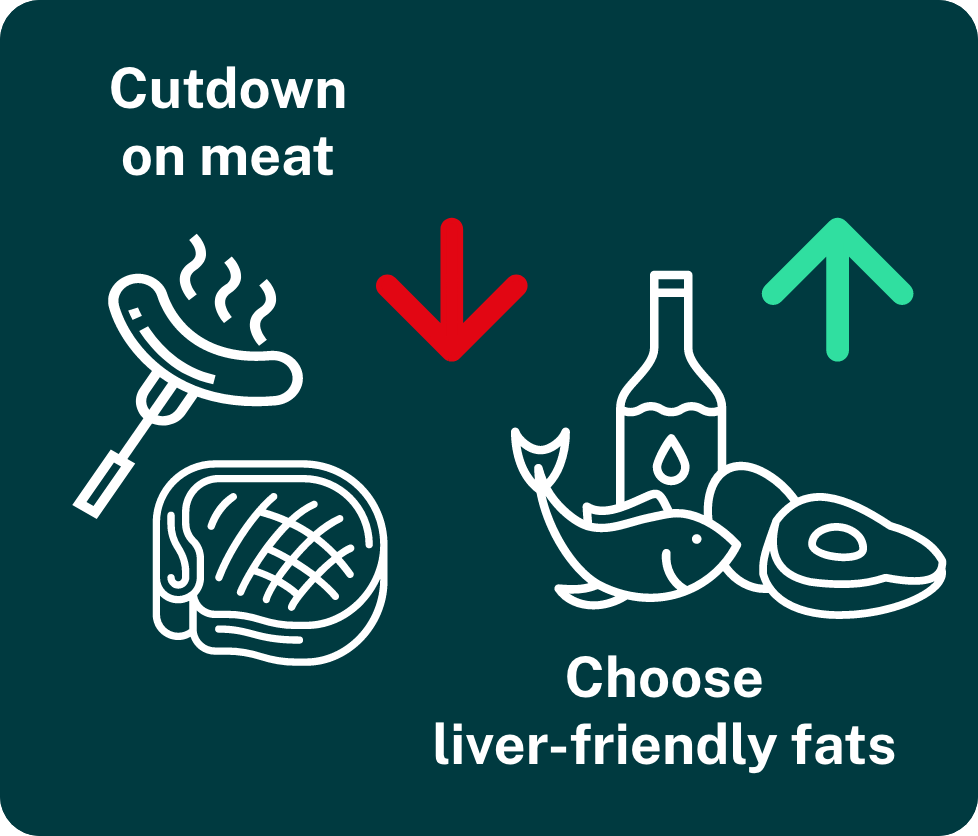
There is a common misconception that people with liver concerns should strictly limit their protein intake. On the contrary, high-quality protein is essential for liver repair and the prevention of muscle wasting, also known as sarcopenia. The key is the source. Following Mediterranean diet principles, you should prioritize plant-based proteins and oily fish over red meats and processed deli meats.
Aim for a target of 1.2 to 1.5 grams of protein per kilogram of body weight. Sources like lentils, wild-caught salmon, and lean poultry provide the amino acids necessary for the liver to produce essential proteins like albumin. These liver-loving protein sources for weight management help maintain lean muscle mass, which in turn improves your body's overall insulin sensitivity and metabolic rate.
9. Follow the 5-10% Weight Loss Threshold
For those dealing with excess fat in the liver, clinical research has established a very clear goal. Non-alcoholic fatty liver disease affects approximately one in four adults globally, with metabolic risk factors and dietary choices serving as primary drivers. However, losing just 5% to 10% of your total body weight can lead to a significant reduction in liver fat and inflammation.
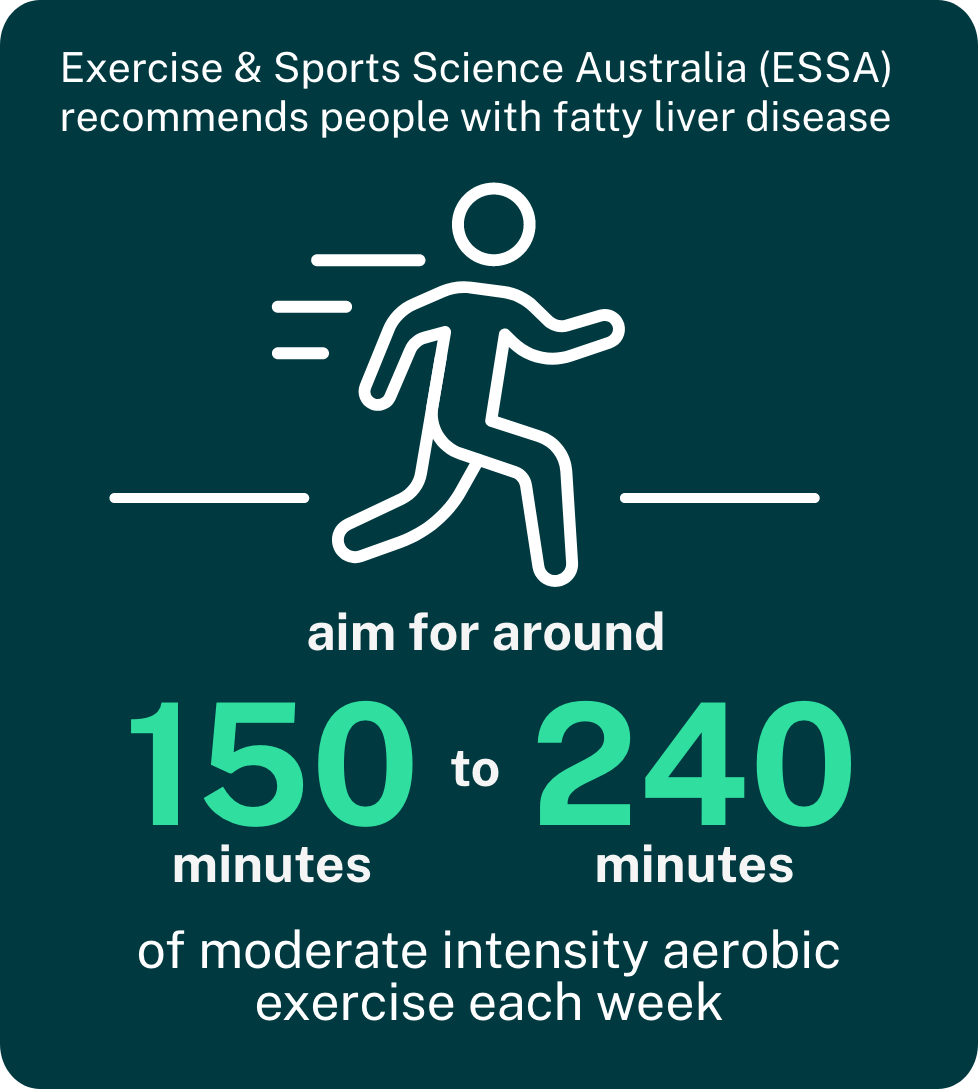
Instead of focusing on drastic "detox diets" or crash programs, emphasize daily habits to improve liver and digestive health naturally. Sustainable weight management is about consistency rather than intensity. Small, repeatable changes—like walking for 30 minutes after dinner or replacing soda with sparkling water—are far more effective at achieving the 5-10% threshold than any temporary juice cleanse.
10. Focus on Holistic Recovery Days
Your liver is a remarkably regenerative organ, but it needs time to recover from metabolic stress. I suggest designating specific "recovery days" following periods of overindulgence or high stress. On these days, focus on light, easy-to-digest meals such as bone broths or steamed vegetables with lemon. This allows your digestive system a much-needed break and directs energy toward cellular repair.
Recovery isn't just about what you eat; it's also about sleep and stress management. High levels of cortisol can contribute to fat deposition in the liver. By linking liver health tips with improved sleep hygiene and mental clarity, you create a holistic environment for your body to thrive. Remember, your liver works 24/7 to keep you clean; giving it a "day off" from processed foods and alcohol is the best way to ensure it functions well for years to come.
FAQ
How can I improve my liver health naturally?
Focus on adopting the balanced plate method by consuming 50% non-starchy vegetables and 25% lean protein. Increasing your daily fiber intake to the recommended 25-38 grams and staying hydrated with green tea or water are also essential daily habits to improve liver and digestive health naturally. Reducing your intake of added sugars and processed fats allows the liver to regenerate and function more efficiently without being overwhelmed by metabolic waste.
What are the early warning signs of liver damage?
Early signs can be subtle and often include persistent fatigue, a general feeling of being unwell, or unexplained digestive issues like bloating and nausea. Some people may notice a dull ache in the upper right side of the abdomen or skin changes like itchiness. Because the liver often doesn't show significant symptoms until damage is advanced, it is important to monitor metabolic health through regular check-ups and blood tests.
Which foods are best for liver repair?
Cruciferous vegetables like broccoli and Brussels sprouts are top choices because they help stimulate detoxification pathways. Oily fish rich in omega-3 fatty acids, such as salmon or sardines, help reduce inflammation and fat accumulation. Additionally, eating foods high in prebiotic fiber, like garlic and onions, supports the gut microbiome, which is a critical part of supporting the gut liver axis with whole foods.
What drinks help flush out the liver?
Pure water is the most important drink for assisting the liver in processing and excreting waste. Green tea is also highly recommended due to its high concentration of catechins, which have been shown to improve liver function. Hibiscus tea and warm water with lemon are other excellent non-alcoholic drinks for liver and gut health support that can stimulate bile production and provide antioxidant protection.
Is coffee good for your liver?
Yes, scientific evidence strongly suggests that coffee has a protective effect on the liver. It contains antioxidants that reduce oxidative stress and can help prevent the progression of liver fibrosis and scarring. Most hepatologists recommend 1 to 3 cups of filtered coffee per day, though it is best to drink it black or with very little added sugar to maximize the benefits.
Can fatty liver be reversed with diet and exercise?
In many cases, yes. Reversing fatty liver is often achievable by reaching a 5% to 10% weight loss threshold through sustainable dietary changes and regular physical activity. By following nutritionist recommendations for liver function—such as adopting a Mediterranean diet and reducing refined carbohydrates—you can significantly reduce the amount of fat stored in liver cells and lower inflammation levels.
Summary
Taking care of your liver and gut is not about a one-time cleanse; it is about the sustainable, daily habits that support your body's natural detoxification systems. By utilizing the balanced plate method, prioritizing cruciferous vegetables, and making smart liver friendly diet swaps, you can protect your metabolic health and boost your energy. Remember that your gut and liver work as a team—when you feed one well, you support the other. Start with one or two of these liver health tips this week and build toward a healthier, more vibrant you.