Quick Facts
- Target Fasting Glucose: 70-90 mg/dL (Functional Health Standard)
- Post-Meal Peak: Below 140 mg/dL (Ideally <120 mg/dL)
- The 90-Minute Rule: Return to baseline within 90 minutes after eating
- Exercise Timing: Walking 20 minutes before a peak reduces insulin by 28.7%
- Cost: $49 to $400 per month
- Summary: CGM for non-diabetics is a tool for metabolic health optimization, allowing users to track glucose response to food and implement lifestyle interventions before chronic disease develops.
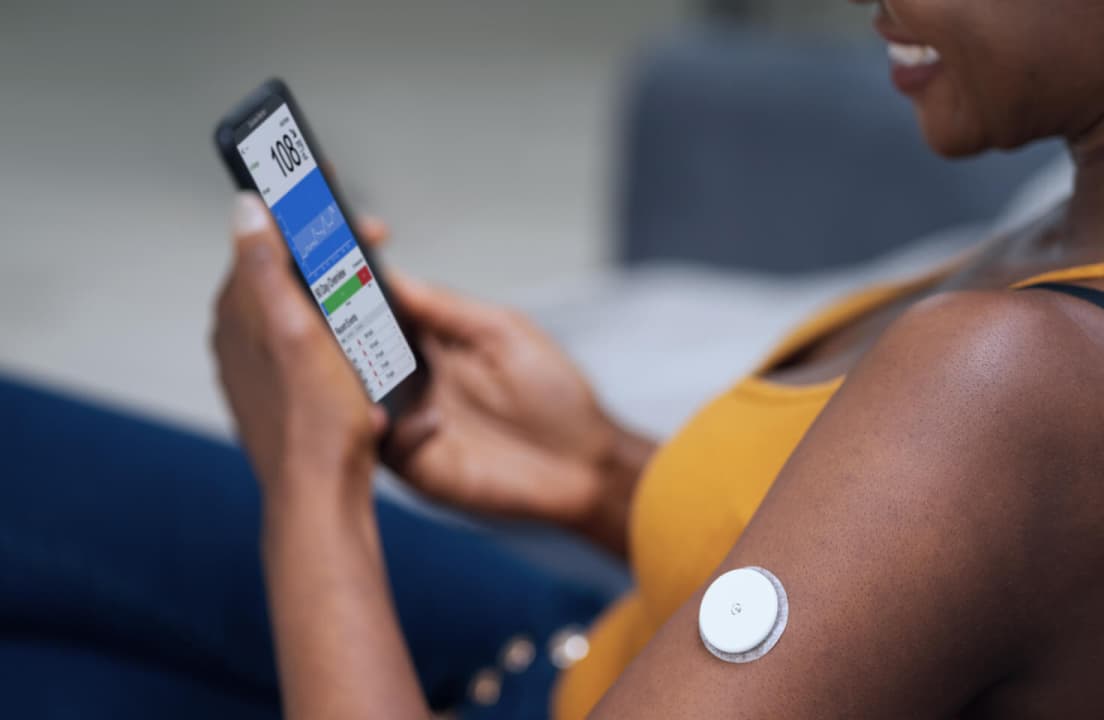
CGM for non-diabetics provides real-time biofeedback to optimize metabolic health and track how specific foods impact blood sugar. Monitoring glycemic variability helps identify habits that may lead to inflammation or insulin resistance. For those without diabetes, target glucose ranges generally include fasting levels of 70-90 mg/dL and post-meal peaks below 140 mg/dL. Using a CGM allows individuals to monitor these patterns and improve metabolic flexibility, though data should be interpreted with clinical guidance to ensure proper context and health safety.
The Science: Why Monitor Glucose if You Are Healthy?
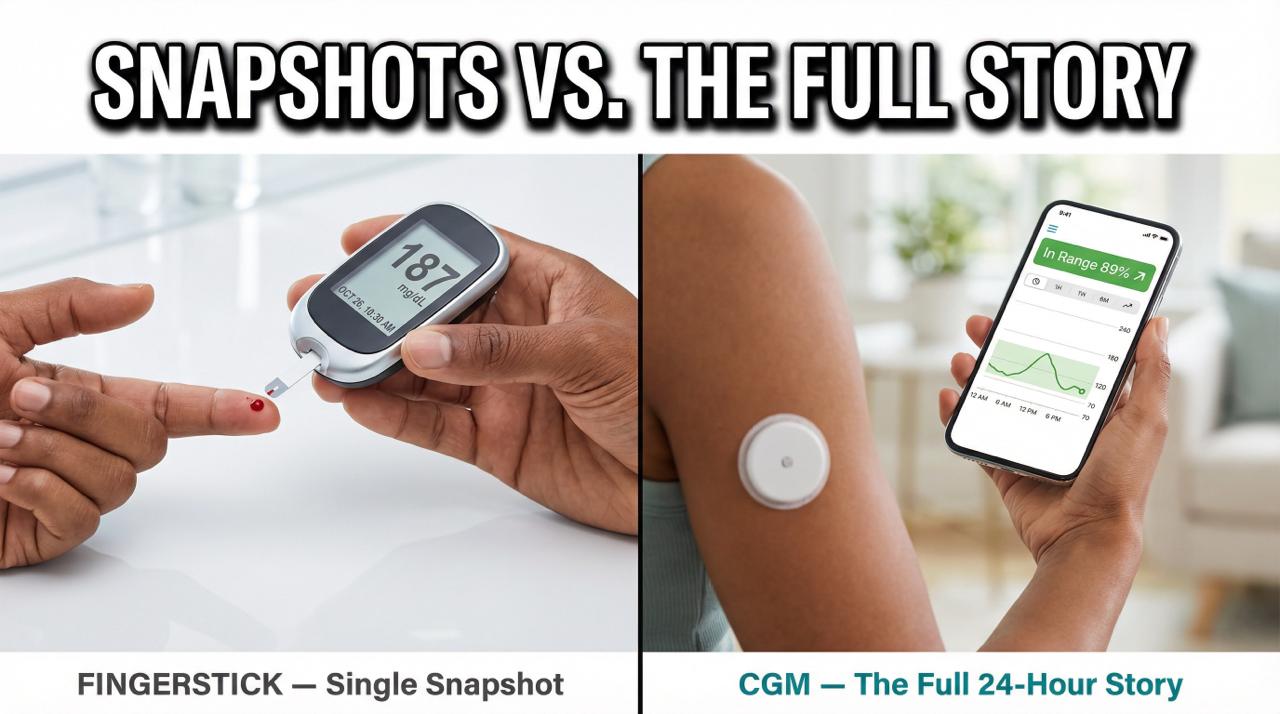
As a nutrition editor, I often hear the question: "Why should I track my blood sugar if I don't have diabetes?" The answer lies in the concept of metabolic health optimization with CGM. Traditional blood tests, like fasted glucose or HbA1c, offer a single snapshot in time. They can tell you if you are already in a disease state, but they often miss the subtle fluctuations that occur throughout the day.
The real value of CGM for non-diabetics is the ability to see glycemic variability—the "peaks and valleys" of your blood sugar. High glycemic variability is linked to oxidative stress, which can accelerate biological aging and contribute to systemic inflammation. Even if your average glucose looks fine, frequent sharp spikes can damage your blood vessels over time.
The data suggests that many people who believe they are healthy are actually experiencing significant blood sugar swings. A research analysis of 665 non-diabetic individuals found that 15% of participants experienced blood glucose excursions into the diabetic range and 36% reached levels consistent with pre-diabetes. This highlights the role of preventive medicine; by catching these patterns early, we can address subclinical insulin resistance before it progresses.
This growing awareness has led to a shift in the market. As of 2023, non-diabetic consumers accounted for an estimated 15% to 20% of total global sales in the continuous glucose monitoring market. People are increasingly using these tools not to manage an illness, but to refine their wellness strategy and support long-term longevity and preventing inflammation.
Personalizing Your Plate: Tracking Glucose Response to Food
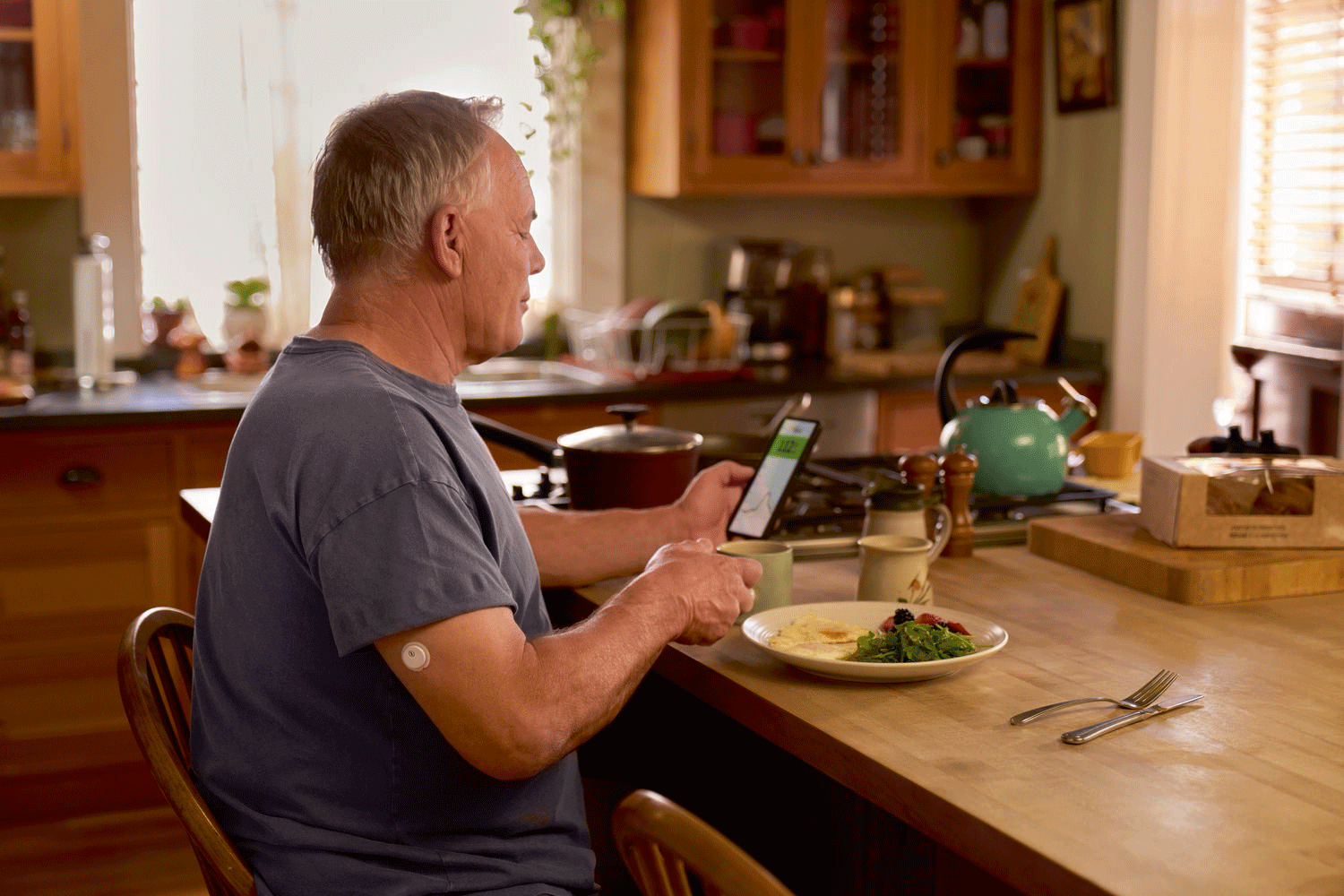
One of the most powerful benefits of wearing a CGM without diabetes is the immediate biofeedback it provides after a meal. We all process carbohydrates differently based on our unique gut microbiome, genetics, and activity levels. While a banana might cause a mild rise for one person, it could cause a significant postprandial spike for another.
When you start tracking glucose response to food, I recommend a "Baseline Week." Eat your normal diet and observe how your body reacts. You may discover that your "healthy" morning oatmeal is actually driving your glucose to 160 mg/dL, leading to an energy crash two hours later.
To improve your results, focus on glycemic load and macronutrient sequencing. Eating fiber or healthy fats before carbohydrates can significantly dampen the glucose response. This is why a salad before a pasta dish is a scientifically sound strategy for metabolic flexibility.
Strategies for Stable Glucose
- Fiber First: Always start your meal with greens or non-starchy vegetables.
- The 90-Minute Rule: Aim to have your glucose return to its pre-meal baseline within 90 minutes of eating.
- Smart Swaps: If a specific grain causes a spike, try substituting it with options that have a lower glycemic load.

Metabolic Health Optimization: Weight Loss and Exercise
Beyond diet, how to interpret CGM data for non-diabetics often involves looking at lifestyle habits like sleep and exercise. High levels of stress or a poor night’s sleep can raise cortisol, which in turn raises your fasting glucose. By seeing this in real-time, you can prioritize recovery.
For those using CGM for weight loss and metabolic health, the tool helps manage hunger cues. When your blood sugar is stable, you are less likely to experience the intense cravings that lead to overeating. Stable glucose levels support fat oxidation, making it easier for your body to access stored energy.
Chrono-nutrition and Exercise Timing
One of the most effective ways to use biofeedback is timing exercise for better glucose control non-diabetic. Traditional advice suggests working out whenever you can. However, "chrono-exercise" suggests that the timing matters. Walking for just 20 minutes before a predicted glucose peak—usually about 30 minutes after you finish eating—can reduce the total insulin required by your body by nearly 29%. This proactive intervention helps maintain insulin sensitivity and prevents the post-meal slump.
Choosing the Right Tool: OTC CGMs (Stelo vs. Lingo)
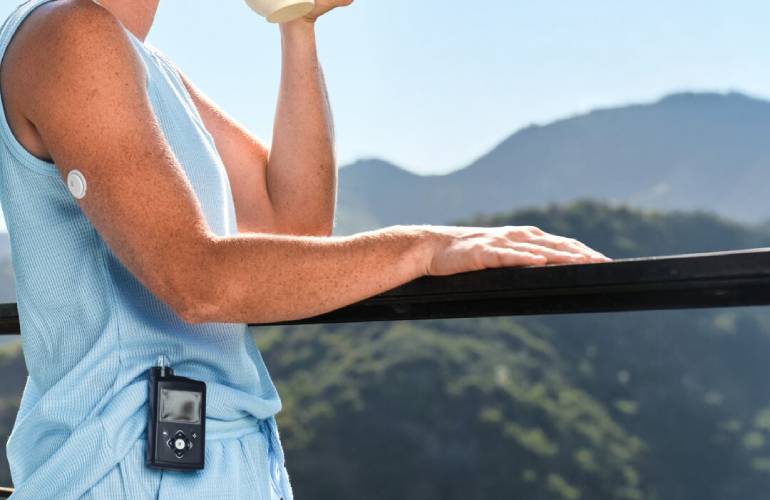
Until recently, obtaining a CGM required a prescription and was often reserved for those with a medical diagnosis. However, the landscape has changed with the release of over-the-counter (OTC) options specifically designed for wellness. These devices focus on education rather than medical management.
| Feature | Dexcom Stelo | Abbott Lingo |
|---|---|---|
| Primary User | Type 2 (non-insulin) & Health Conscious | Wellness & Performance Focused |
| Cost | ~$99 per month (2 sensors) | ~$49 per sensor |
| Wear Time | 15 days | 14 days |
| App Focus | Metabolic health trends | "Lingo Count" coaching system |
| Hypoglycemia Alarms | No | No |
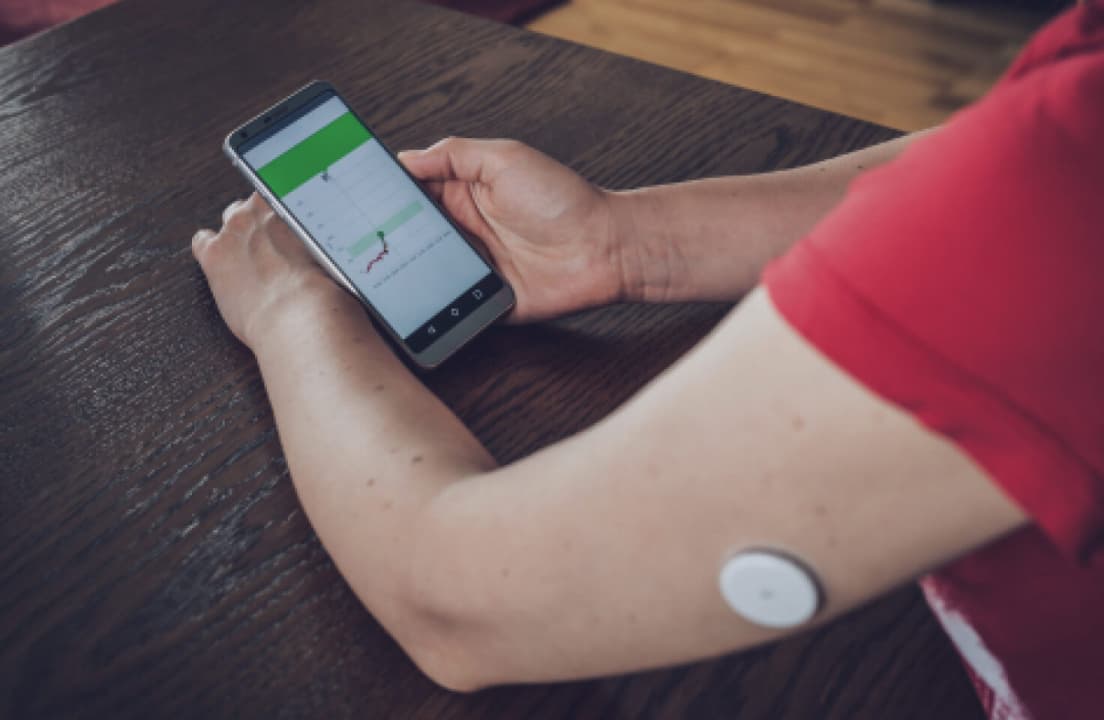
When selecting a device, consider your persona. Are you "The Data Tracker" who wants raw numbers and interstitial fluid glucose graphs? Or are you "The Lifestyle Improver" who prefers gamified goals and coaching? These OTC tools provide the same sensor technology as medical-grade devices but remove the high-urgency alarms, making them much more suitable for the general population.
FAQ
Is a CGM useful for non-diabetics?
Yes, a CGM is highly useful for non-diabetics as a preventive tool. It provides real-time data on how your body handles different foods, stress, and sleep. This allows you to make precise lifestyle changes to improve insulin sensitivity and reduce the risk of future chronic diseases.
Can I get a continuous glucose monitor without a prescription?
Currently, in the United States, several new devices like Dexcom Stelo and Abbott Lingo are available over-the-counter without a prescription. These are specifically marketed for health-conscious individuals and those with Type 2 diabetes who do not use insulin.
What are the benefits of using a CGM if you are healthy?
The primary benefits of using a CGM if you are healthy include identifying "hidden" glucose spikes from supposedly healthy foods, optimizing the timing of your workouts, improving your energy levels by avoiding sugar crashes, and gaining a deeper understanding of your metabolic flexibility.
Can using a CGM help with weight loss?
A CGM can assist with weight loss by helping you identify which foods cause the highest insulin response. Since insulin is a storage hormone, keeping it stable through better food choices can make it easier for your body to burn fat. It also helps you understand the connection between glucose drops and intense hunger cravings.
What should blood sugar levels look like for a non-diabetic on a CGM?
For a non-diabetic, a normal glucose range for non-diabetics using CGM typically includes a fasting glucose between 70-90 mg/dL. After eating, you should ideally stay below 140 mg/dL, with the most optimal health seekers aiming to stay under 120 mg/dL and returning to baseline within two hours.
What can a non-diabetic learn from wearing a glucose monitor?
A non-diabetic can learn exactly how their body responds to specific variables like caffeine, late-night meals, intense exercise, and high-stress situations. It removes the guesswork from nutrition, showing you that while a sweet potato might be great for your friend, it might be something you should only eat after a workout.