Why a Continuous Glucose Monitor Beats Finger Pricks
Quick Facts
- Reduction in Pain: Replaces over 3,000 annual finger pricks with one sensor every 10-15 days.
- Clinical Outcome: Users see an average HbA1c reduction of 0.97% compared to traditional testing.
- Data Density: Captures approximately 288 readings daily versus the standard 4-6 manual checks.
- Safety First: Automated alerts for nocturnal hypoglycemia prevention keep users safe during sleep.
- Accessibility: New over-the-counter options available for non-insulin users starting in 2024 and expanding through 2026.
- Metabolic Insight: Visualizes how specific meals and stressors impact glucose trends immediately.
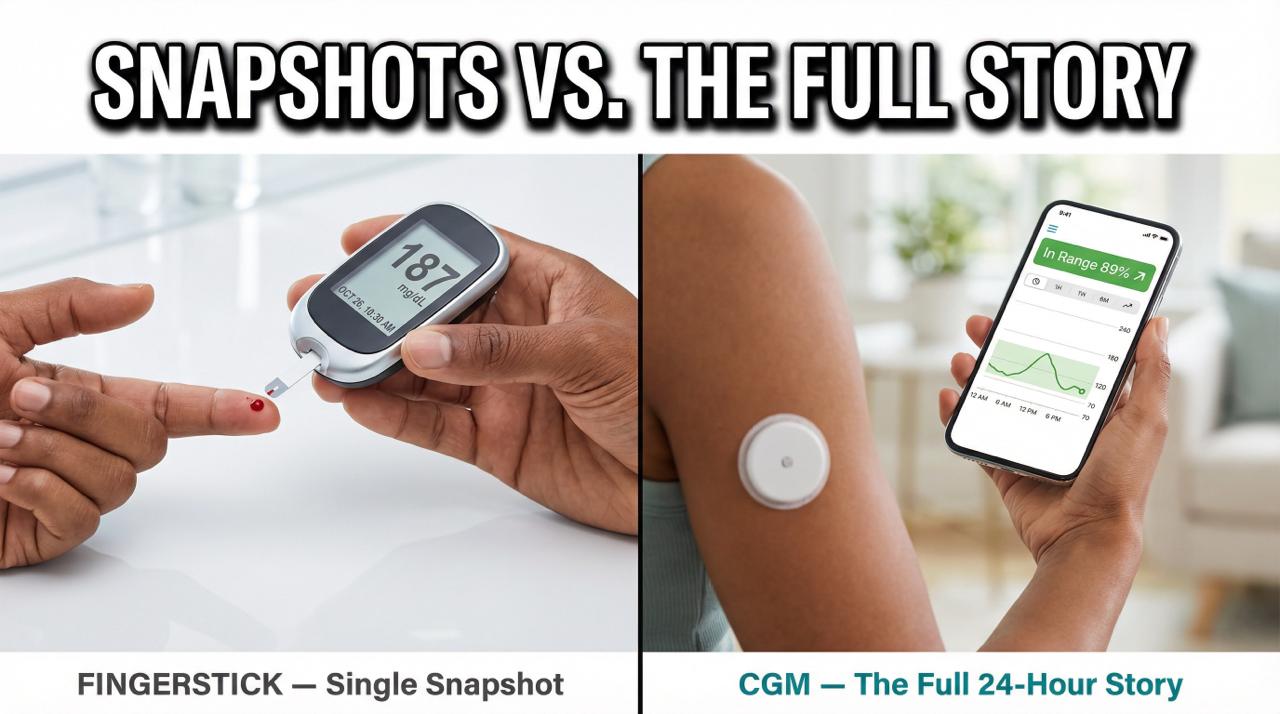
A continuous glucose monitor (CGM) provides real-time glucose levels every few minutes, offering a comprehensive view of trends that traditional finger-prick testing misses. Unlike the single-point snapshot of a glucometer, CGMs track glycemic variability and time in range, helping users and healthcare providers make more informed decisions about insulin dosing, diet, and exercise.
From Snapshots to Movies: The Data Revolution
For decades, managing blood sugar felt like trying to understand a complex film by looking at four or five blurry polaroids taken hours apart. You would see a number at breakfast and another at lunch, but the dramatic peaks and valleys happening in between remained a mystery. This is the fundamental limitation of finger-prick testing alternatives; they provide data points, but they do not tell a story.
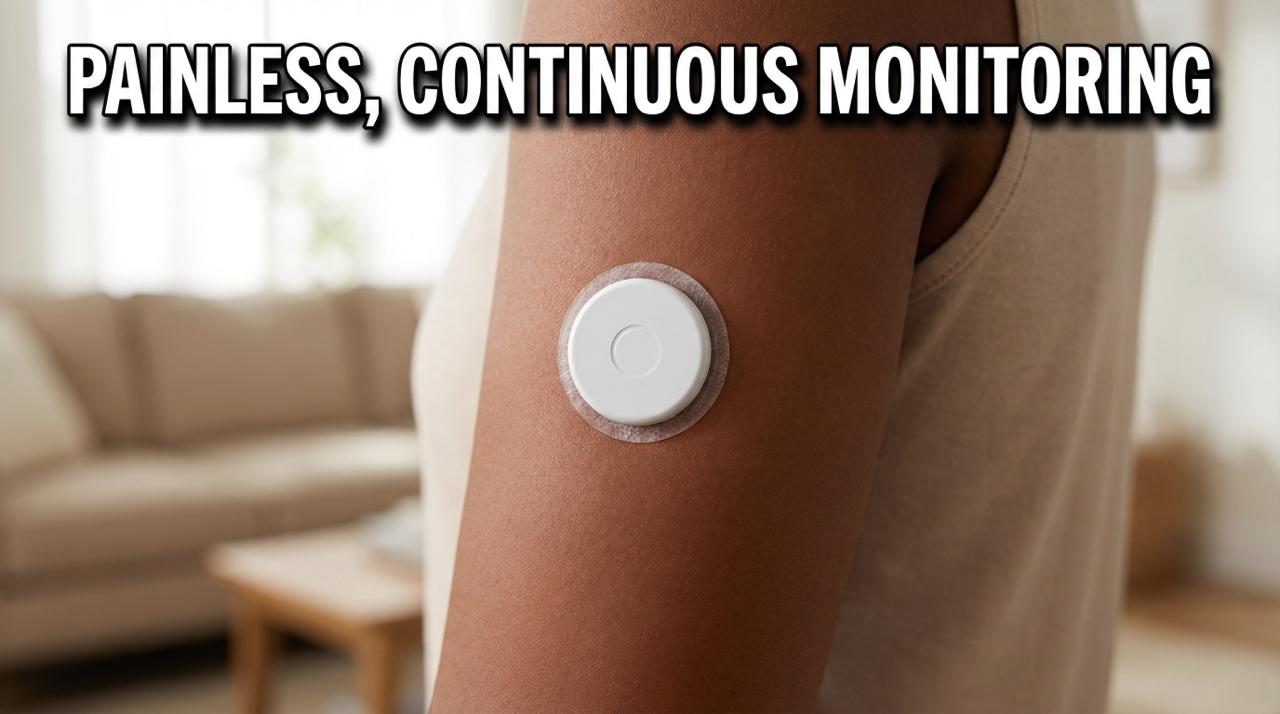
The transition to a continuous glucose monitor changes the narrative from snapshots to a high-definition movie. At the heart of this technology is a tiny sensor filament, usually thinner than a human hair, that sits just beneath the skin. Rather than drawing blood, it measures glucose levels in the interstitial fluid—the fluid surrounding your cells. Because it stays in place for 10 to 14 days, it captures real-time glucose levels every few minutes, providing a stream of data that reveals the true impact of your lifestyle choices.
One of the most significant blood glucose monitoring benefits is the ability to track time in range vs a1c for diabetes management. While an A1c test gives you a three-month average, it can hide dangerous volatility. You could have a "perfect" A1c but spend half your day in a state of high glycemic variability, swinging between highs and lows. A continuous glucose monitor highlights these swings, allowing you to see exactly how a stressful morning meeting or a midnight snack affects your metabolic health. This data empowers you to make proactive adjustments rather than reactive corrections.
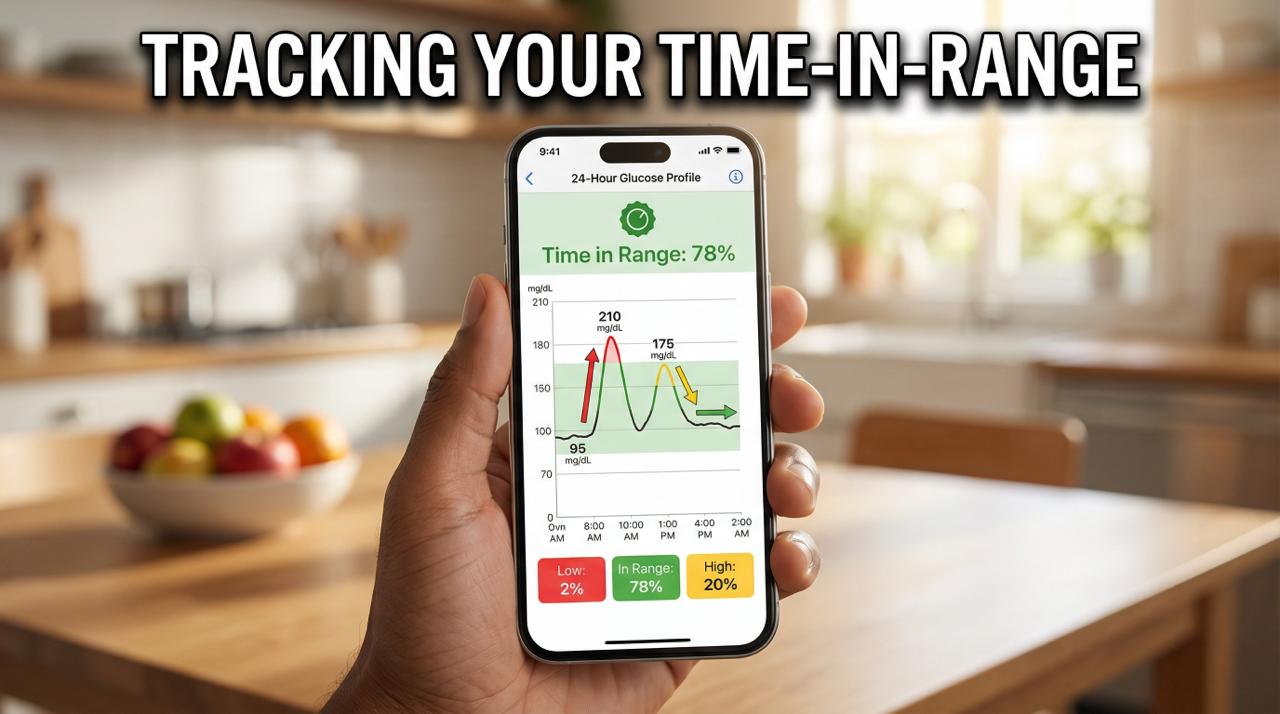
By visualizing these trends, users often discover that certain "healthy" foods trigger unexpected spikes, or that a simple ten-minute walk after dinner can drastically flatten their glucose curve. This is the essence of preventive healthcare—using diabetes technology to bridge the gap between abstract medical advice and personalized daily routines.
Precision Metrics: Understanding MARD and Accuracy
When patients first consider how to switch from finger pricks to cgm, the first question is usually about accuracy. How can a sensor measuring fluid under the skin be as reliable as a drop of blood? The answer lies in the evolution of Mean Absolute Relative Difference, or MARD.
MARD is the primary metric used to evaluate the accuracy of glucose sensors. A lower percentage indicates higher accuracy. In the early days of wearable biosensors, MARD scores were often above 15%, meaning they were helpful for trends but less reliable for dosing. However, modern systems have achieved MARD scores as low as 7.9% to 8.2%, providing accuracy levels that rival traditional finger-prick tests.
| Feature | Traditional Glucometer | Continuous Glucose Monitor |
|---|---|---|
| Reading Frequency | 4-8 times per day (manual) | ~288 times per day (automated) |
| Data Type | Static point-in-time | Continuous trend arrows |
| Measurement Source | Capillary blood | Interstitial fluid |
| MARD (Accuracy) | ~5% - 10% | 7.9% - 8.2% (latest models) |
| Alerts/Alarms | None | Real-time high/low alerts |
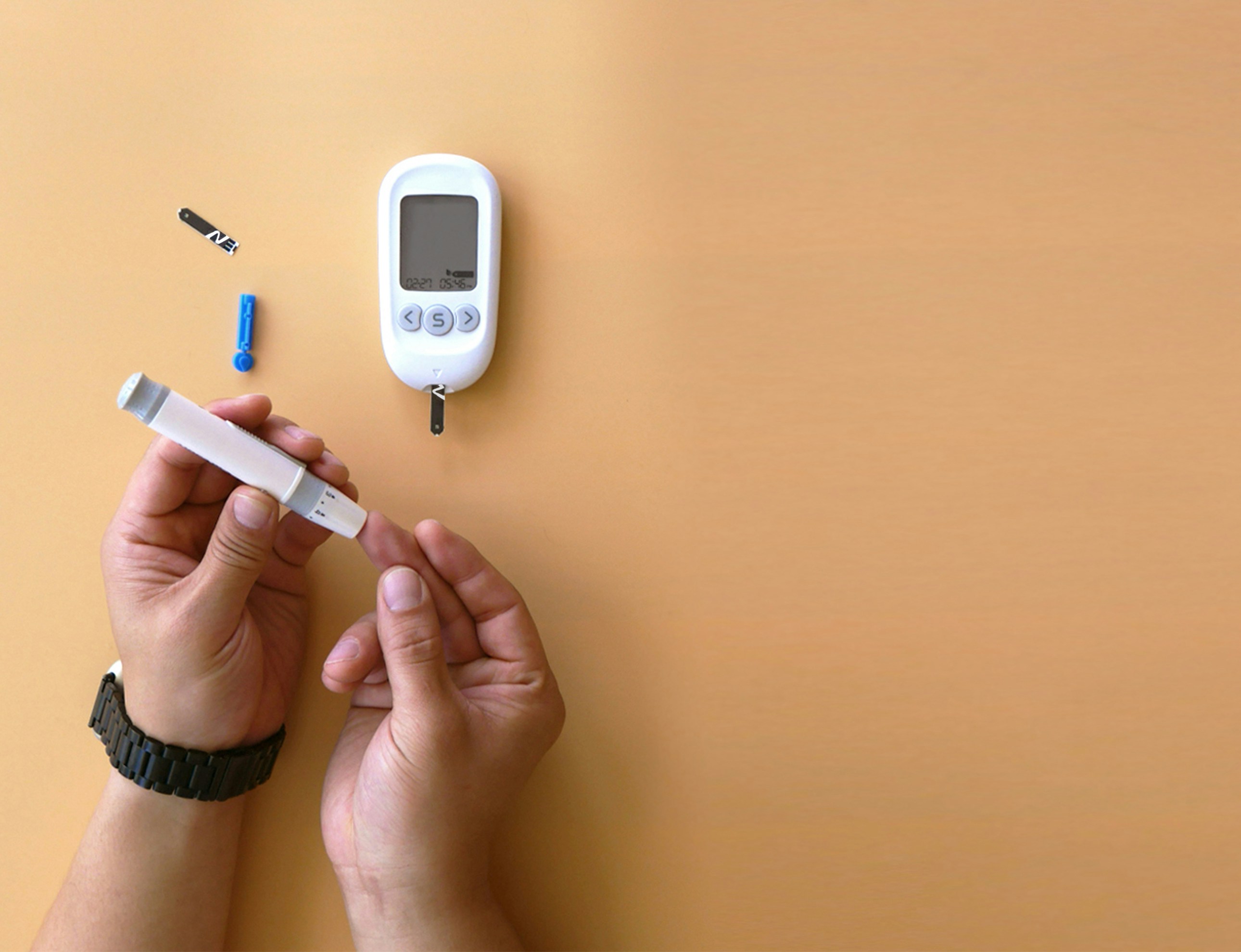
| Pain Level | High (multiple daily pricks) | Low (one insertion every 10 days) |
While the accuracy is impressive, it is important to understand the concept of physiological lag. Because the sensor measures interstitial fluid rather than direct blood, there is typically a 5 to 9 minute delay in the readings. During steady states, this lag is negligible. However, understanding cgm vs finger stick accuracy during rapid glucose changes is vital for safety. If your blood sugar is dropping or rising extremely fast—such as immediately after a high-carb meal or intense exercise—the sensor might be a few minutes behind your actual blood level.
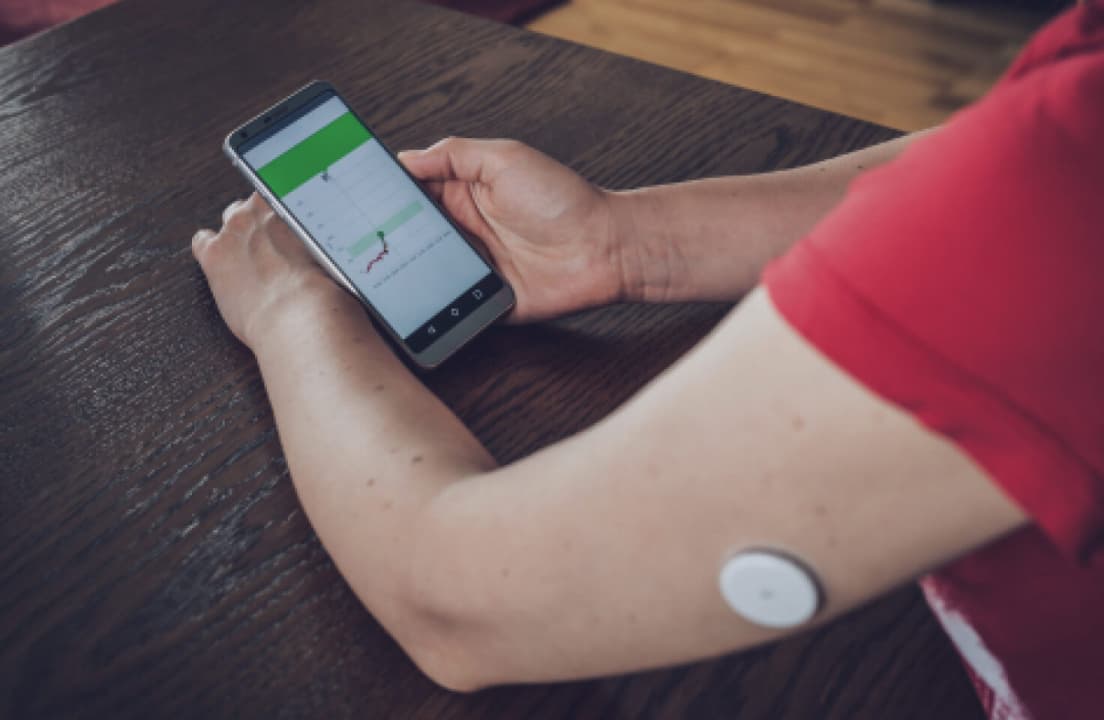
Safety Alert: The Lag Factor Always verify with a traditional glucometer if your symptoms (such as feeling shaky or dizzy) do not match the reading on your sensor. During rapid fluctuations, your blood glucose changes faster than the interstitial fluid measured by the sensor.
The Shift to OTC: Accessibility for All
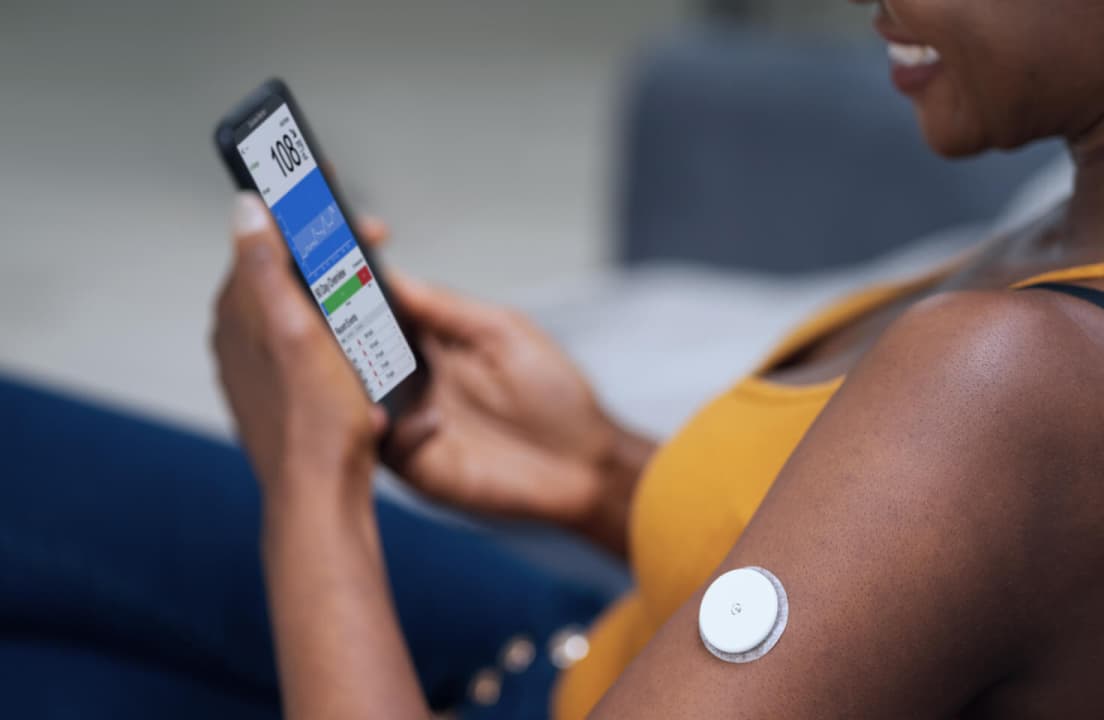
Perhaps the most exciting development in lifestyle medicine is the recent shift toward over-the-counter (OTC) availability. For years, a continuous glucose monitor was a tool reserved strictly for those with Type 1 diabetes or insulin-dependent Type 2 diabetes. That is changing rapidly.
Between 2024 and 2026, the arrival of devices like Dexcom’s Stelo and Abbott’s Lingo marks a new era for metabolic health. These wearable biosensors are designed specifically for non-insulin users, including those with Type 2 diabetes managed by diet or oral medication, and even "pre-diabetics" looking to prevent disease progression. Knowing how to use otc continuous glucose monitors for non-insulin users is becoming a core skill for health-conscious individuals.
The benefits of real-time glucose monitoring for type 2 diabetes extend far beyond basic sugar tracking. It serves as a powerful tool for therapy adherence. When you can see the immediate negative impact of certain habits and the immediate positive impact of others, you are much more likely to stick to your wellness plan. It turns an invisible internal process into a visible, actionable dashboard.
For those focused on weight loss or longevity, these sensors offer a window into how the body processes fuel. By minimizing glucose spikes, you can reduce insulin resistance and chronic inflammation. The sensor adhesive becomes a badge of proactive health management, allowing users to fine-tune their biology in a way that was previously impossible without constant clinical supervision.
When Finger Pricks Are Still Necessary: The Hybrid Reality
Despite the technological leap, we haven't quite retired the lancing device just yet. A successful transition to modern monitoring involves embracing a hybrid reality where the continuous glucose monitor does 99% of the heavy lifting, but the glucometer remains a necessary backup for specific scenarios.
Knowing when to use finger sticks with a continuous glucose monitor is essential for clinical safety. You should reach for your traditional kit in the following situations:
- Initial Calibration: Some older sensor models require a manual entry once or twice a day to maintain accuracy. Even "factory-calibrated" sensors may benefit from a check if the readings seem slightly off during the first 24 hours of wear.
- Symptom Mismatch: If you feel the symptoms of hypoglycemia—sweating, confusion, or palpitations—but the sensor shows you are in range, always trust your body and verify with a finger prick.
- Rapid Fluctuations: During "free-fall" or "rocket-ship" glucose changes, the physiological lag mentioned earlier makes the finger prick more accurate for immediate dosing decisions.
- Sensor Errors: If the app displays a "Sensor Error" or "Wait" message, the manual check is your only reliable source of information.
The physical burden of care is still drastically reduced. Instead of a sore fingertip every few hours, you are only using your lancing device as a precision instrument for verification. This reduction in daily friction significantly improves quality of life, reducing the mental fatigue that often accompanies chronic condition management.
FAQ
How does a continuous glucose monitor work?
A continuous glucose monitor works by using a small, water-resistant sensor applied to the back of the arm or the abdomen. A tiny sensor filament is inserted just under the skin to measure glucose levels in the interstitial fluid. The sensor sends data wirelessly to a smartphone or a dedicated receiver every few minutes, providing a constant stream of information and trend arrows that show whether your levels are rising, falling, or stable.
Do you still need to do finger pricks with a CGM?
Yes, but much less frequently. You still need to perform finger pricks if your symptoms do not match the sensor readings, during periods of very rapid glucose change, or if the specific sensor model you are using requires manual calibration to ensure accuracy. It acts as a safety backup rather than the primary source of daily data.
What are the benefits of using a continuous glucose monitor?
The primary blood glucose monitoring benefits include a significant reduction in painful finger sticks, the ability to see real-time glucose trends, and automated alerts for dangerous highs or lows. Clinically, it often leads to a lower HbA1c and more time in range. It also provides personalized insights into how sleep, stress, and specific foods affect your unique metabolism.
Can you buy a CGM without a prescription?
As of 2024 and moving into 2026, several over-the-counter options have become available in the United States and other markets. These are generally marketed toward non-insulin users and those interested in metabolic health. However, most high-end clinical models used for Type 1 diabetes management still require a prescription from a healthcare provider.
Is a CGM more accurate than a blood glucose meter?
In terms of a single data point, a high-quality blood glucose meter is often slightly more accurate because it measures capillary blood directly. However, a continuous glucose monitor is considered more effective for overall management because it provides hundreds of data points and shows the direction and speed of glucose changes, which a static meter cannot do.
How much does a continuous glucose monitor cost out of pocket?
The out-of-pocket cost can vary significantly depending on the brand and whether you are purchasing a clinical system or an OTC wellness sensor. Generally, monthly costs range from $80 to $300 without insurance coverage. Many manufacturers offer subscription programs or discount coupons to make the technology more accessible as it becomes a standard of care.