Quick Facts
- Top Pick for Muscle: Edamame leads the group with 31.3 grams of protein per cooked cup.
- Best for Weight Loss: Lentils provide 18 grams of protein and a significant 31% satiety boost.
- Calorie Efficiency: Soy-based options like edamame and tempeh offer the highest protein-to-calorie ratio.
- Muscle Support: High soluble fiber content reduces glycemic spikes, protecting lean mass from being used as fuel.
- Preparation Tip: Rinsing canned beans can reduce sodium content by up to 40% and help limit digestive discomfort.
- Health Outcome: Regular bean consumers have a 22% lower risk of obesity compared to non-consumers.
High protein beans like edamame and lentils are essential for preserving lean muscle during weight loss. These highest protein legumes provide up to 18g of protein per cup, supporting muscle protein synthesis while keeping satiety levels high due to their rich soluble fiber content.
Why High Protein Beans are Essential for Muscle Retention
When you are in a calorie deficit to lose weight, your body is in a catabolic state, meaning it may look to break down muscle tissue for energy. To prevent this, focusing on the thermic effect of food is a brilliant strategy. Protein has a thermic effect of 20-30%, meaning your body burns a significant amount of calories just to digest it. Integrating high protein beans into your daily meals ensures that you are providing the building blocks necessary for muscle protein synthesis while naturally boosting your metabolic rate.
The magic of legumes lies in the combination of plant-based protein and dietary fiber. Unlike animal proteins, beans provide a high volume of food with low caloric density. The soluble fiber found in these legumes slows down digestion, leading to stable satiety levels and preventing the blood sugar spikes that often lead to cravings.
Scientific evidence supports this approach. According to Research based on National Health and Nutrition Examination Survey (NHANES) data, adult bean consumers have a 22% lower risk of being obese and a 23% reduced risk of an increased waist size. By choosing muscle sparing plant based proteins for weight loss, you are not just cutting calories; you are fundamentally changing how your body manages hunger and energy.
Ranking the 12 Best High Protein Beans for Weight Loss
To build a lean muscle diet beans should be a staple in your pantry. Below is the definitive ranking of legumes based on their protein density and nutritional profile for muscle retention.
1. Edamame (Boiled Soybeans)
Protein per Cup: 31.3g Calories: 296 Muscle Benefit: According to USDA data, boiled soybeans are the gold standard of high protein beans, providing 63% of the Daily Value for protein in just one cooked cup. They contain all essential amino acids, making them a complete protein source for muscle repair.
2. Lentils
Protein per Cup: 17.9g Calories: 230 Muscle Benefit: Lentils are the best beans for high protein low calorie diet plans because they are incredibly easy to digest and quick to cook. A systematic review in the American Journal of Clinical Nutrition found that a single daily serving of pulses like lentils can increase fullness by 31 percent.
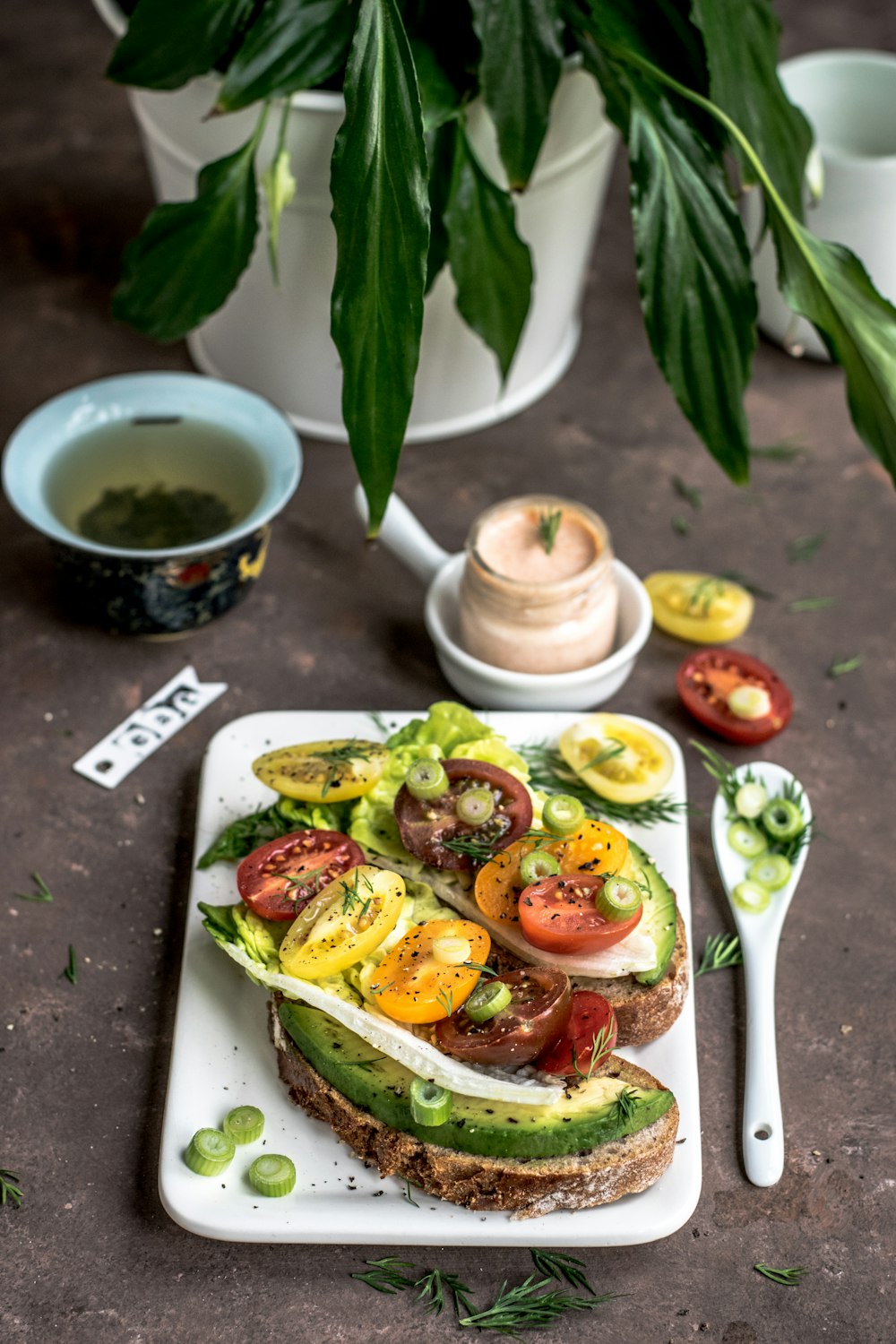
3. Black Beans
Protein per Cup: 15.2g Calories: 227 Muscle Benefit: These are excellent filling high protein beans for appetite control. Their dark pigment indicates high antioxidant levels, which help reduce inflammation after a workout, aiding muscle recovery.
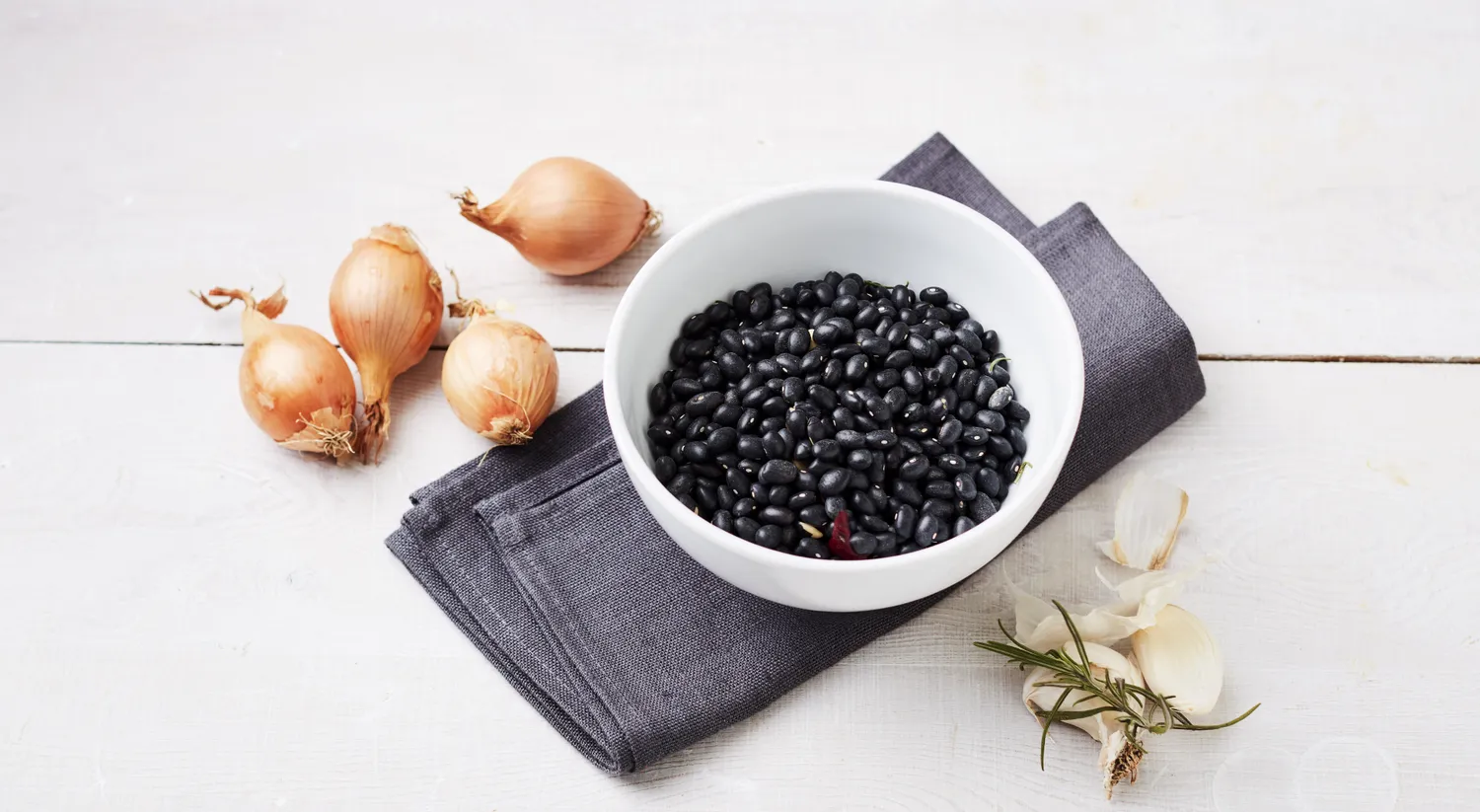
4. Pinto Beans
Protein per Cup: 15.4g Calories: 245 Muscle Benefit: Pinto beans are rich in molybdenum and folate. When ranking beans by protein content per cup, pinto beans sit near the top, offering a creamy texture that makes them an ideal meat alternative in stews.
5. Chickpeas (Garbanzo Beans)
Protein per Cup: 14.5g Calories: 269 Muscle Benefit: Chickpeas are high in iron and magnesium, minerals essential for muscle contraction and energy metabolism during heavy lifting sessions.
6. Kidney Beans
Protein per Cup: 13.4g Calories: 225 Muscle Benefit: Kidney beans are a staple in lean muscle diet beans lists due to their high fiber and resistant starch content, which helps regulate the glycemic index of your entire meal.
7. Navy Beans (White Pea Beans)
Protein per Cup: 15.0g Calories: 255 Muscle Benefit: Navy beans are notably high in manganese and potassium, supporting heart health and muscle function.
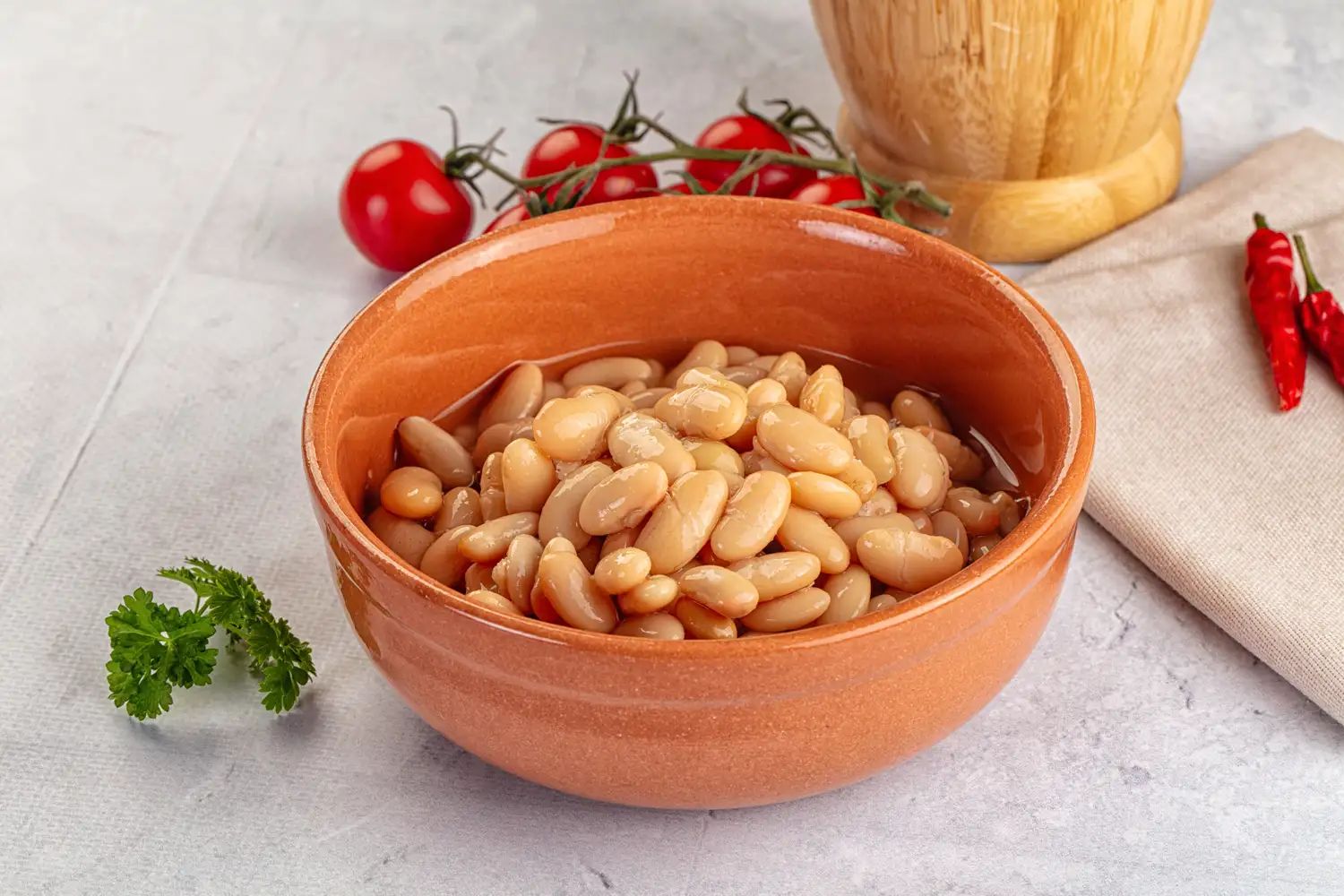
8. Fava Beans (Broad Beans)
Protein per Cup: 12.9g Calories: 187 Muscle Benefit: These beans are relatively low in calories while maintaining a solid protein profile, making them perfect for those on a strict cutting phase.
9. Lima Beans
Protein per Cup: 11.6g Calories: 209 Muscle Benefit: Lima beans are an excellent source of copper and soluble fiber, which helps maintain steady energy levels throughout the day.
10. Mature Soybeans
Protein per Cup: 28.6g Calories: 298 Muscle Benefit: While similar to edamame, mature soybeans are often used for soy milk or tofu. They offer incredible bioavailability for plant-based athletes.
11. Mung Beans
Protein per Cup: 14.2g Calories: 212 Muscle Benefit: Common in Asian cuisine, mung beans are very high in antioxidants and help prevent heat stroke and muscle cramping.
12. Adzuki Beans
Protein per Cup: 17.3g Calories: 294 Muscle Benefit: These small red beans have a high protein density and are often used in both sweet and savory dishes to hit protein goals.
Maximizing Bioavailability: Beans vs. Meat and Soy Alternatives
A common concern when using highest protein legumes for fat loss and muscle retention is whether plant protein is as effective as animal protein. While meat typically offers a more complete amino acid profile in a smaller volume, beans provide the added benefit of zero cholesterol and high fiber.
For those wondering how to hit protein goals with beans while cutting, the secret is variety. Combining different types of high protein beans throughout the day ensures you receive a full spectrum of essential amino acids. If you are looking for even higher protein density, soy-based alternatives like tempeh can provide up to 44 grams of protein per cup, rivaling the protein content of chicken breast while remaining a lean protein source.
Furthermore, research comparing pea protein to whey protein has shown that plant-based options can be just as effective for muscle gains during high-intensity interval training (HIIT) as long as total protein intake is sufficient. By integrating these meat alternatives, you reduce your intake of saturated fats, which is beneficial for cardiovascular health during a weight loss journey.
Practical Meal Prep: High Protein Beans without the Bloat
The primary barrier for many people adding more beans to their diet is digestive discomfort. However, with the right meal prep strategies, you can enjoy highest protein legumes without the bloat.
If you are using best canned beans for high protein muscle building, always start by draining and rinsing them under cold water. This simple step removes the complex sugars (oligosaccharides) that lead to gas and reduces the sodium that can cause water retention and hide muscle definition.
Emily's Pro-Tip: If you prefer dried beans, soak them overnight with a pinch of baking soda. This further breaks down the gas-producing compounds and significantly reduces cooking time.
To integrate these beans into your daily routine, consider these simple swaps:
- Replace half of the ground beef in your chili with black beans or kidney beans.
- Use smashed chickpeas instead of mayo-heavy tuna salad for a high-volume, low-calorie lunch.
- Add chilled lentils to your morning green salad to increase the satiety levels and keep you full until dinner.
FAQ
Which beans have the highest protein content?
Edamame (boiled soybeans) contains the highest protein content of all legumes, offering approximately 31.3 grams per cooked cup. Mature soybeans follow closely with about 28 grams, while lentils and navy beans offer roughly 15 to 18 grams per cup.
Are beans a good source of complete protein?
Most beans are considered incomplete proteins because they are low in the essential amino acid methionine. However, soy-based beans like edamame and soybeans are complete proteins. For other beans, simply consuming them with grains, nuts, or seeds at some point during the day creates a complete amino acid profile for muscle building.
How do beans compare to meat for protein?
Per cooked cup, beans generally have less protein than a similar weight of meat but significantly more fiber and no saturated fat. While a cup of chicken might have 40+ grams of protein, a cup of edamame provides 31 grams plus 10 grams of fiber, which helps with weight loss by increasing fullness.
Which is higher in protein, lentils or beans?
Generally, lentils are higher in protein than most common beans like chickpeas or kidney beans, providing about 18 grams per cup. However, they are lower in protein than soy-based options like edamame.
Which beans are highest in protein and lowest in carbohydrates?
Soybeans and edamame have the best protein-to-carbohydrate ratio. They are higher in protein and healthy fats while being relatively lower in net carbs compared to starchy beans like garbanzo or pinto beans.
What is the best way to prepare beans to maximize protein?
Cooking methods don't significantly change the protein content, but sprouting beans or fermenting them (like in tempeh) can improve the bioavailability of the protein and minerals, making it easier for your body to use the nutrients for muscle repair.
Conclusion & Muscle Building Action Plan
Maintaining muscle during weight loss requires a strategic approach to nutrition. By prioritizing high protein beans, you provide your body with the essential amino acids and fiber needed to stay lean and satisfied. My recommendation is to aim for at least 1.5 to 2 cups of legumes per week as a starting point, eventually working up to daily consumption.
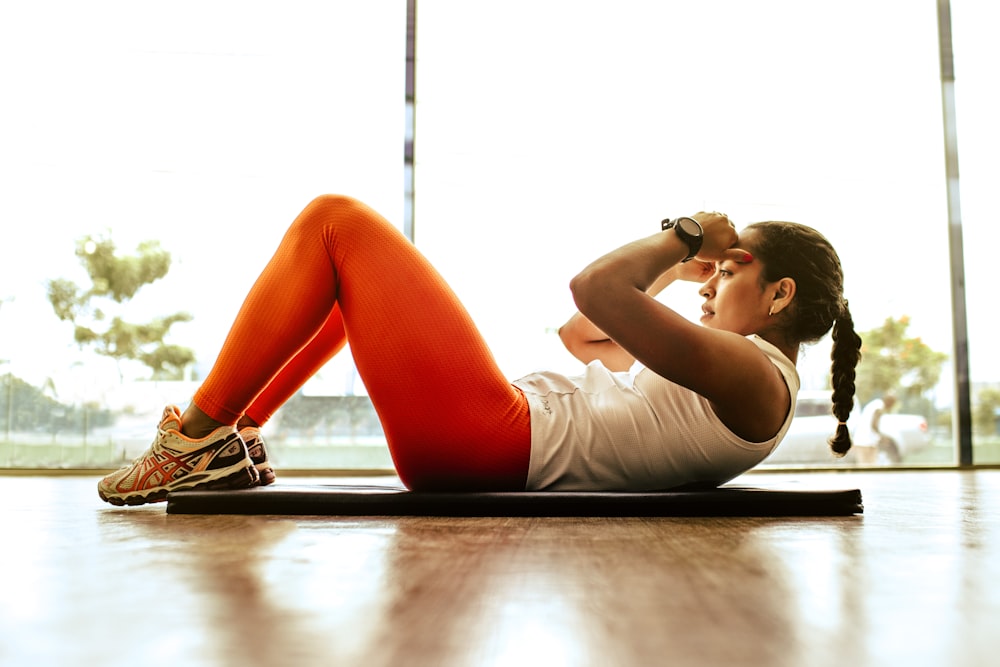
The road to a stronger, leaner physique isn't just about what you remove from your diet; it's about the nutrient-dense foods you add. Diversify your intake between lentils, black beans, and edamame to ensure you hit all your nutritional bases. When paired with consistent resistance training, these plant-based powerhouses will be your greatest ally in achieving your body composition goals.