Quick Facts
- The Hydration Rule: Drinking 500ml of water immediately upon waking helps trigger the gastrocolic reflex and supports stool consistency.
- The Light Trigger: Exposure to 10 to 15 minutes of morning sunlight resets the internal biological clock, signaling the body to begin enzyme production.
- The Fiber Target: A daily intake of 25 to 38 grams is recommended to maintain regular motility and feed beneficial gut bacteria.
- The Diversity Goal: Consuming 30 different plant foods per week is the gold standard for achieving high microbial balance and long-term metabolic health.
- The 60-Minute Window: Consuming a breakfast rich in fiber and protein within one hour of waking helps stabilize blood sugar and maintains digestive momentum.
- The Gut-Brain Link: Practicing stress-reduction techniques like deep breathing helps prevent the gut-brain axis from disrupting early morning motility.
Start your day with better digestion by mastering your morning gut health. Incorporating the right morning habits for digestion—from hydration to fiber-rich breakfast ideas—can transform your metabolic health. By aligning with your circadian rhythm and digestion cycles, you trigger natural processes like the gastrocolic reflex for a smoother start.
Phase 1: The Wake-Up Protocol (Hydration & Movement)
The foundation of a healthy gastrointestinal tract is laid the moment you open your eyes. During sleep, your body enters a state of mild dehydration and digestive rest. To restart the system, the most effective tool is a simple glass of water. Research suggests that drinking approximately 500ml of water immediately upon waking can activate the gastrocolic reflex. This reflex is a physiological signal where the act of filling the stomach triggers contractions in the colon, effectively signaling the body that it is time for a bowel movement. This hydration routine for morning bowel movements is essential for softening stool and ensuring that the transition from rest to activity is seamless for your internal organs.
Beyond hydration, your morning habits for digestion must account for the environment. Your gastrointestinal tract does not function in a vacuum; it is deeply intertwined with your biological clock. Morning sunlight exposure and circadian rhythm digestion are linked via the production of cortisol and the suppression of melatonin. When natural light hits your retinas, it sends a signal to the brain to reset the circadian rhythm, which in turn tells the gut to begin secreting digestive enzymes and increasing muscle contractions. Without this light trigger, your gut may remain in a "sleep state," leading to sluggishness or that heavy feeling often associated with chronic bloating.
To further encourage these physical contractions, or peristalsis, incorporating light physical activity is highly recommended. You do not need an intense workout to see results. Simple movements like the Cat-Cow stretch or a brisk 10-minute walk are sufficient to massage the internal organs and promote blood flow to the digestive system. This gentle stimulation helps the body maintain a consistent schedule for bowel movements, reducing the likelihood of discomfort later in the day.


Phase 2: Building the Ultimate Fiber-Rich Breakfast
Once the system is hydrated and physically primed, the next step is providing the right fuel. Breakfast is often called the most important meal of the day, and from a digestive perspective, this holds true. Data shows that regular breakfast consumption is associated with a significantly higher daily intake of essential nutrients for digestion, including fiber and calcium.
When considering fiber-rich breakfast ideas for gut health, I recommend a strategy called nutritional stacking. This involves layering different types of fiber with probiotics and lean protein to ensure blood sugar stability and sustained energy. Although medical experts recommend a daily fiber intake of approximately 25 to 38 grams, research indicates that over 90% of Americans fail to meet these nutritional guidelines. To bridge this gap, your morning meal should be a powerhouse of plant diversity.
Understanding Your Fiber Sources
To optimize nutrient absorption and stool consistency, you need a balance of both soluble and insoluble fiber.
| Fiber Type | Function in the Gut | Common Breakfast Sources |
|---|---|---|
| Soluble Fiber | Dissolves in water to form a gel; slows digestion; feeds beneficial bacteria. | Oats, chia seeds, apples, berries, flaxseeds. |
| Insoluble Fiber | Adds bulk to the stool; helps food pass more quickly through the stomach and intestines. | Whole grain bread, wheat bran, skins of fruits, nuts. |
A probiotic breakfast recipes with greek yogurt and berries is a classic example of nutritional stacking. The Greek yogurt provides live cultures that support microbial balance, while the berries and seeds provide the prebiotic fibers that these bacteria need to thrive. These bacteria ferment the fiber to produce short-chain fatty acids, which strengthen the gut lining and support overall metabolic health.
The 30 Plant Challenge
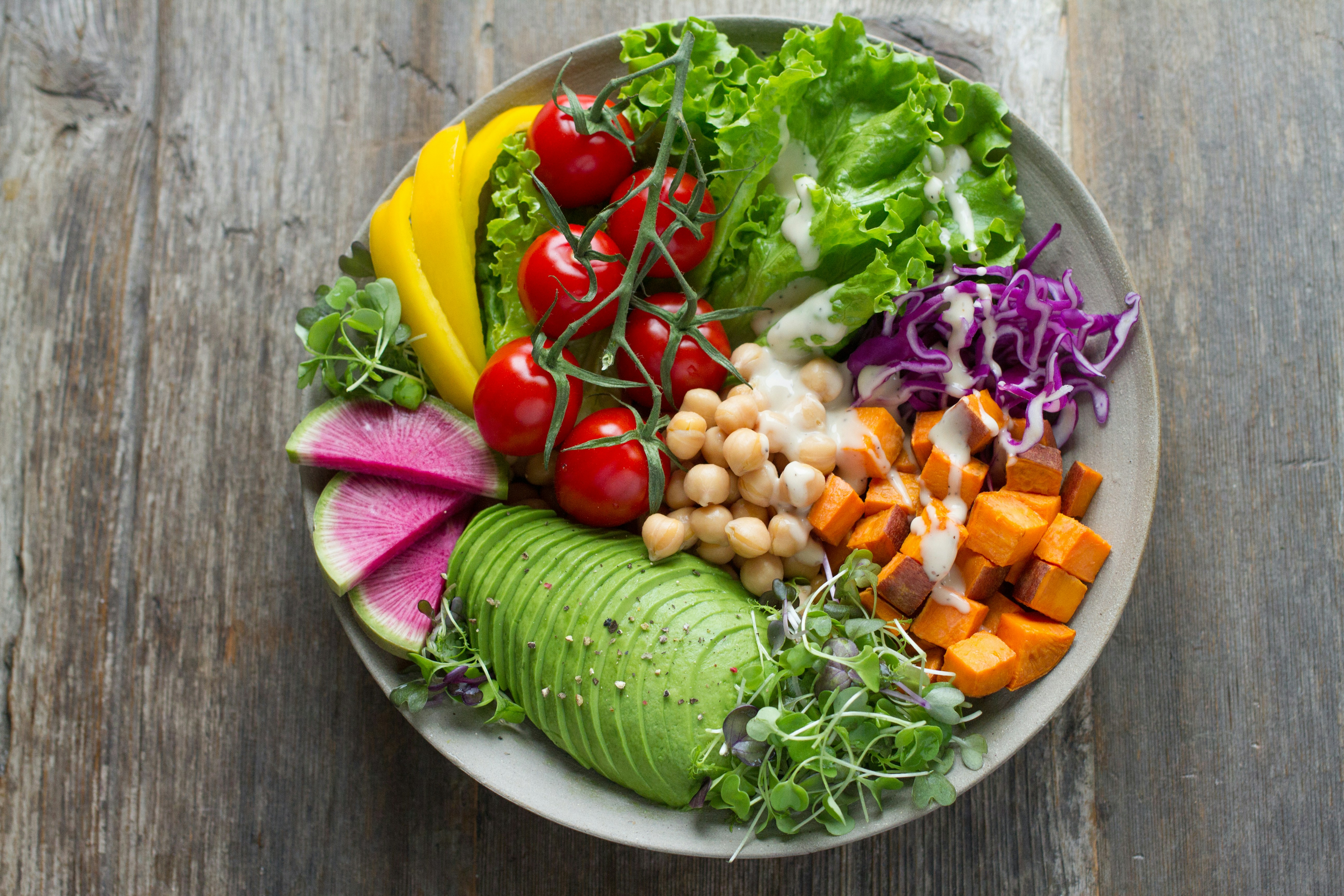
To reach the gold standard of microbiome health, aim for 30 different plant foods per week. You can make significant progress toward this goal before 9:00 AM by adding variety to your breakfast bowl. Consider these examples for microbiome diversity breakfast ideas with 30 plant foods:
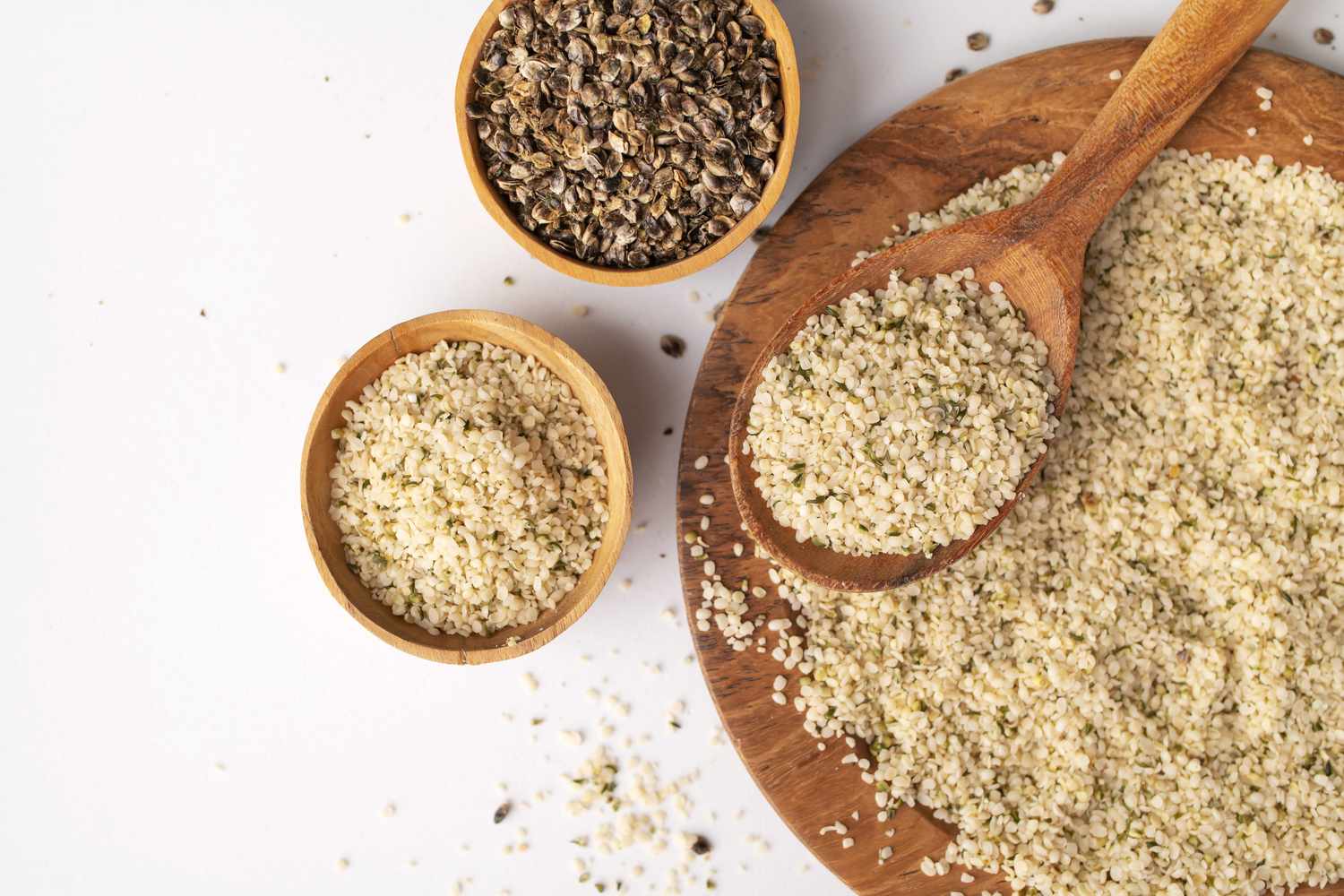
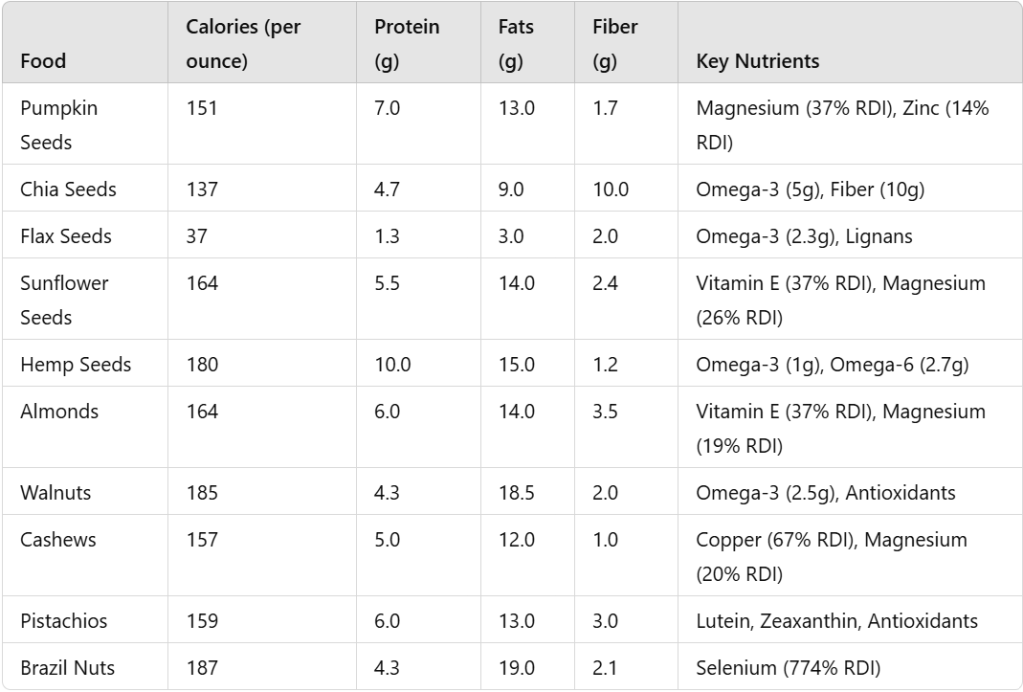
- Nuts and Seeds: Walnuts, almonds, pumpkin seeds, hemp hearts, and sunflower seeds.
- Fruits: Blueberries, raspberries, sliced kiwi, pomegranate arils, and bananas.
- Grains and Legumes: Steel-cut oats, quinoa flakes, buckwheat groats, and even black beans in a breakfast burrito.
- Spices and Herbs: Cinnamon, ginger, turmeric, and fresh mint.
Phase 3: The Gut-Brain Axis and Mindful Mechanics
We often think of digestion as a purely mechanical process that happens in the stomach, but it actually begins in the brain. The gut-brain axis is a two-way communication highway, primarily facilitated by the vagus nerve. If you are rushing through your morning, checking stressful emails, or eating while standing up, your body stays in "sympathetic" (fight or flight) mode. In this state, the body diverts blood away from the gut, inhibiting the secretion of digestive enzymes and slowing down the gastrointestinal tract.
To combat this, a simple morning routine for chronic bloating relief must include a transition into "parasympathetic" (rest and digest) mode. This is where mindful eating and breathwork become clinical tools rather than just wellness trends. By calming the nervous system, you allow the vagus nerve to signal the gut to prepare for food.
Pro-Tip: The 4-7-8 Breathing Technique Before your first bite of food, sit down and take a moment to center yourself. Inhale through your nose for a count of 4, hold your breath for a count of 7, and exhale forcefully through your mouth for a count of 8. Repeat this four times. This simple exercise stimulates the vagus nerve, lowering cortisol and preparing your gastrointestinal tract for optimal nutrient absorption.
Mindful chewing is another underrated aspect of morning habits for digestion. Aim to chew each bite 20 to 30 times. This mechanical breakdown not only makes the job easier for your stomach but also allows saliva to mix thoroughly with the food, starting the chemical digestion of carbohydrates via salivary amylase. This prevents large, undigested food particles from reaching the lower gut, which is a common cause of gas and bloating.

Troubleshooting Your Morning Routine
Even with the best intentions, certain morning habits can act as disruptors. A common question I receive as an editor is whether coffee on an empty stomach is detrimental to morning gut health. For some, the acidity and the stimulatory effect of caffeine can trigger acid reflux or excessive motility, leading to loose stools. If you find yourself sensitive, try eating a small amount of fiber—like a few walnuts or a piece of whole-grain toast—before your coffee to buffer the acid.
For those with specific food sensitivities, high quality gut health supplements for morning energy might include targeted digestive enzymes. If you struggle with lactose or specific fermentable carbohydrates (FODMAPs), taking the appropriate enzyme with your breakfast can prevent the fermentation that leads to bloating. However, supplements should complement, not replace, a foundation of whole foods.
Tracking your progress is essential for personalization. I recommend keeping a brief symptom journal for one week. Note your hydration levels, what you ate, and your stool consistency. This data will help you identify which fiber-rich breakfast ideas work best for your unique microbial balance and which habits might be triggering discomfort.

FAQ
What is the best thing to drink in the morning for gut health?
The most effective morning beverage is 500ml of plain, room-temperature water. This volume is specifically required to trigger the gastrocolic reflex and rehydrate the body after sleep. While some prefer adding lemon for vitamin C or a splash of apple cider vinegar, the hydration itself is the most critical factor for supporting bowel movements and metabolic health.
How can I improve my gut health every morning?
Consistency is the primary driver of gut health. You can improve your digestion by aligning your schedule with your circadian rhythm: wake up at the same time, expose yourself to morning sunlight, hydrate immediately, and consume a fiber-rich breakfast within 60 minutes. These rhythmic triggers train your gastrointestinal tract to maintain a predictable and healthy schedule.
Is coffee on an empty stomach bad for your gut?
It depends on the individual. Coffee stimulates the production of gastrin and stomach acid, which can be helpful for some but may cause heartburn or "jittery gut" in others. If you experience discomfort or urgency, it is better to consume your coffee alongside or after a breakfast containing protein and fiber to slow the absorption of caffeine and buffer the acid.
What foods should I eat for breakfast to support gut health?
Focus on a combination of prebiotic fibers, probiotics, and lean protein. Excellent choices include overnight oats with chia seeds and berries, Greek yogurt with flaxseeds, or a vegetable omelet with spinach and avocado. Aiming for plant diversity helps nourish a wide variety of beneficial gut bacteria.
Does drinking warm water in the morning help digestion?
Warm water can be particularly soothing for the digestive system as it helps to dilate blood vessels and may encourage smoother muscle contractions in the gut compared to ice-cold water. While the temperature is a personal preference, the volume and timing are more scientifically significant than whether the water is warm or room temperature.