Quick Facts
- Reset Duration: 7 Days
- Primary Goal: Reduce bloating and manage water retention
- Daily Hydration: 2-3 Liters of water with electrolyte balance
- Key Nutrient Strategy: High potassium-sodium ratio to flush excess fluids
- Daily Movement: 20 minutes of walking to stimulate the lymphatic pump
- Foods to Prioritize: Probiotic-rich foods and fiber-rich vegetables
- Foods to Avoid: Refined sugars, excess salt, and alcohol
Feeling puffy or stressed before a big trip? A strategic 7-day travel wellness reset is the secret to arriving at your destination feeling light and energized. By following a dedicated pre-travel nutrition plan, you can actively reduce bloating before travel and manage water retention. To effectively beat the bloat, focus on a low-sodium, fiber-rich pre-travel hydration and diet that supports the gut microbiome and stimulates lymphatic drainage through gentle movement starting one week before your flight.
The Science of Travel Bloat and the Lymphatic System
To understand why we feel so heavy after a flight, we have to look at how our body manages fluid. Most people assume travel puffiness is just about the salt in airport pretzels, but it is actually a complex physiological response involving your lymphatic system and stress hormones. Unlike your circulatory system, which has the heart to pump blood, the lymphatic system has no pump. It relies entirely on your muscles to move fluid. When you are busy finishing work projects and then sitting in a pressurized cabin, that fluid stays stagnant, leading to significant water retention in the legs and abdomen.
Another major driver is cortisol regulation. Travel, even the fun kind, is a stressor. When cortisol levels rise, your body tends to hold onto sodium and excrete potassium, which shifts the delicate balance of fluid inside and outside your cells. By implementing a low sodium diet plan for pre-flight water retention early, you give your kidneys a head start in clearing out that excess volume. We want to optimize fluid circulation well before you ever step foot in the terminal.

Days 1-3: Building the Gut Foundation
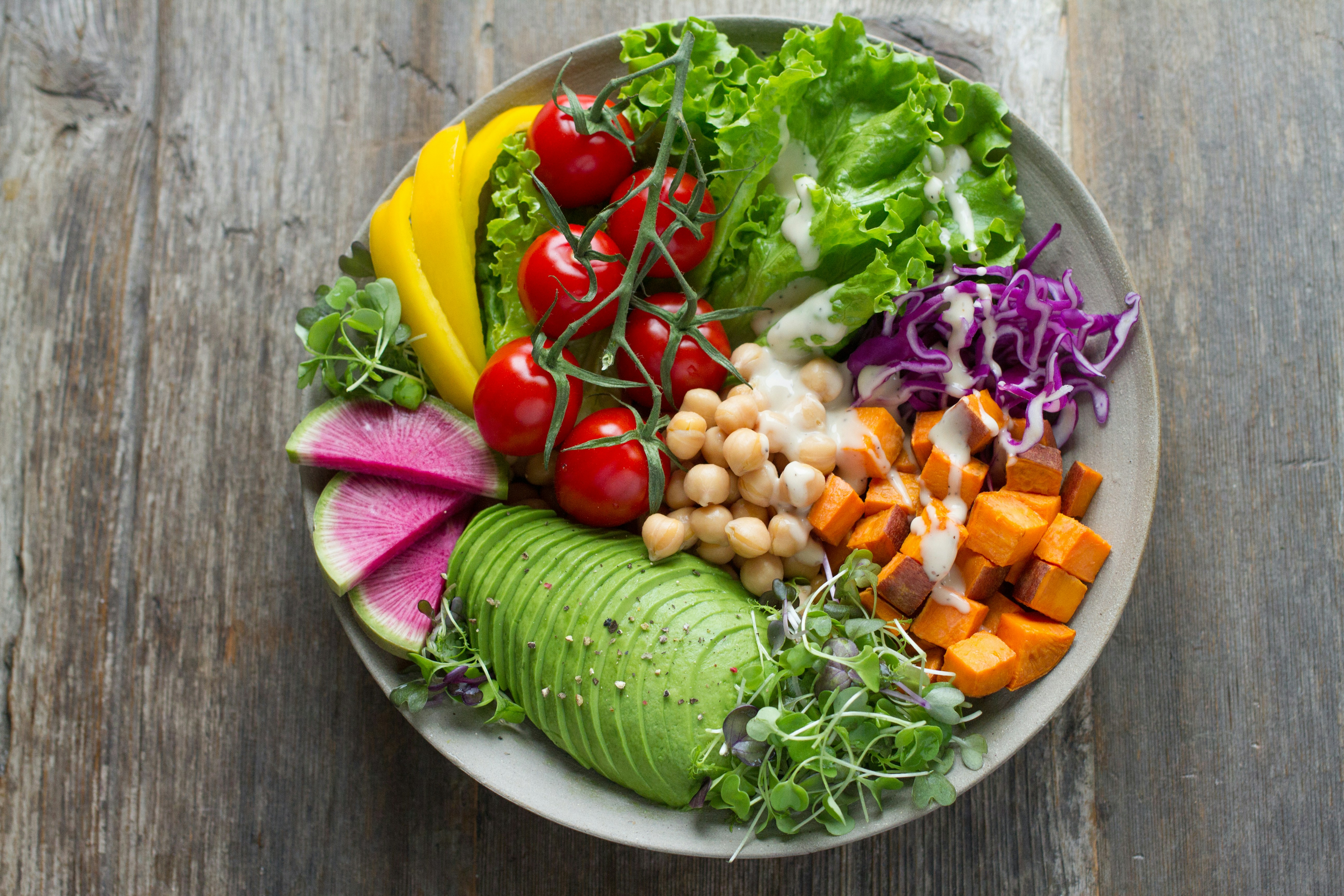
The first three days of your pre-travel nutrition plan are about additive nutrition. Rather than focusing on what to take away, we focus on what to include to support your gut microbiome. A healthy gut is your best defense against the digestive slowing that often accompanies travel. During this phase, your primary goal is to flood your system with fiber-rich vegetables and probiotic-rich foods. This ensures that your digestive enzymes are primed and your transit time is consistent.
I always recommend starting with a morning anchor. This is a simple, non-negotiable habit that signals to your body that the day has begun.
During these first 72 hours, how to prep your gut for international travel involves more than just eating salad. You want a variety of fermented foods like unpasteurized sauerkraut, miso, or kefir. These introduce beneficial bacteria that help combat the inflammation caused by travel stress.

Daily Micro-Habits for Days 1-3
- Eat one serving of fermented food with lunch or dinner.
- Aim for 30 different plant types across the week to diversify the gut microbiome.
- Walk for 20 minutes after your largest meal to aid gastric emptying.
- Drink 500ml of water immediately upon waking.
Days 4-6: Fluid Dynamics and Smart Hydration
As you move into the middle of the week, the focus shifts toward pre-travel hydration and diet that targets the potassium-sodium ratio. Sodium acts like a sponge, pulling water into your tissues. To counter this, we increase our intake of potassium-rich foods like spinach, avocado, and bananas. This encourages the kidneys to flush out the excess water that causes that "heavy" feeling.
This is also the time to refine your strategy for how to stay hydrated before long haul flights. Many travelers make the mistake of chugging massive amounts of plain water, which can actually dilute your electrolyte balance and lead to more swelling. Instead, focus on smart hydration. This means sipping water consistently throughout the day and adding a pinch of sea salt or an electrolyte powder to one or two of your glasses.

During days 4 through 6, prioritize anti-inflammatory meals for travel preparation. Focus on omega-3 fatty acids from wild-caught fish or chia seeds, and use spices like turmeric and ginger. These ingredients help keep systemic inflammation low, making your body more resilient to the cabin pressure changes you will face.
Smart Swaps for Reduced Inflammation
| Instead of... | Try... | Why? |
|---|---|---|
| Salted Nuts | Raw Walnuts or Almonds | Reduces sodium-induced water retention. |
| Sugary Yogurt | Plain Greek Yogurt with Berries | Avoids insulin spikes that cause the body to hold salt. |
| White Bread/Pasta | Quinoa or Roasted Sweet Potato | Provides complex fiber and higher potassium levels. |
| Sparkling Water | Flat Water with Cucumber/Mint | Reduces gas in the digestive tract before flying. |
Day 7: The Final 24-Hour Prime
The final day of your 7-day travel wellness reset is all about simplicity and timing. Your digestive system needs to be in a state of ease. Focus on light, easily digestible meals—think steamed fish, well-cooked vegetables, and simple grains. Avoid raw cruciferous vegetables like broccoli or kale today, as these can cause gas and discomfort once the plane reaches altitude.
A fascinating piece of evidence-based strategy involves your circadian rhythm alignment. Research suggests that strategically adjusting meal timing and increasing breakfast size for three days can decrease the duration of jet lag symptoms by up to 44%. On this final day, eat a substantial, protein-rich breakfast and keep your dinner light and early.
Finally, eliminate alcohol and significantly reduce caffeine. Both are dehydrating and can disrupt your sleep patterns right when you need them most. Swap your afternoon coffee for a soothing cup of ginger or peppermint tea.

The Traveler’s Hand-Portioning Guide
Consistency is key to a successful pre-travel nutrition plan. Instead of obsessing over calories, use your hand as a guide to ensure you are getting the right balance of nutrients to support metabolic health and reduce bloating before travel.
- Protein (Your Palm): Focus on lean sources like chicken breast, white fish, or tofu to support muscle maintenance without the heavy fats.
- Vegetables (Your Fist): Aim for two fists of non-starchy, fiber-rich vegetables at every meal.
- Carbohydrates (Your Cupped Hand): Choose slow-burning grains like brown rice or berries to keep energy stable.
- Fats (Your Thumb): Use healthy fats like olive oil or avocado to support brain health and satiety.
FAQ
What should I eat before a long flight?
On the day of your flight, focus on best foods to reduce bloating before a flight, which include lean proteins and cooked vegetables. Avoid heavy, greasy meals or large amounts of dairy, which can be difficult to digest when sitting for long periods. A simple turkey wrap with spinach or a bowl of oatmeal with fruit are excellent choices for maintaining energy without the heaviness.
How many days before a trip should I start a pre-travel diet?
While even two or three days can make a difference, a full 7-day pre-travel nutrition schedule for beginners is ideal. This timeframe allows your body to flush out excess sodium, stabilize the gut microbiome, and regulate the lymphatic system effectively before the physical stress of flying begins.
How can I prepare my gut for international travel?
To prepare your gut, incorporate probiotic-rich foods like kefir and yogurt into your daily routine starting at least a week before you depart. This builds a robust population of beneficial bacteria. Additionally, staying hydrated and consuming adequate fiber ensures your digestive system remains active, preventing the constipation often triggered by changing time zones.
What foods should I avoid before flying to prevent bloating?
Avoid high-sodium processed foods, refined sugars, and carbonated beverages. You should also limit gas-producing foods like beans, lentils, and raw cruciferous vegetables (cabbage, cauliflower) in the 24 hours leading up to your flight. Alcohol should also be avoided as it dehydrates the body and leads to significant puffiness.
How do I stay hydrated before a long-haul journey?
The best way to stay hydrated is to sip 2-3 liters of water daily in the week leading up to your trip. Incorporate electrolytes—either through food like bananas and coconut water or through supplements—to ensure your body actually absorbs the fluid rather than just passing it through. Consistent, moderate intake is far more effective than drinking large amounts right before boarding.
Starting your journey feeling light and comfortable isn't just about what happens on the plane; it’s about the foundation you build in the days prior. By focusing on your lymphatic health, gut microbiome, and fluid balance, you are setting yourself up for a more vibrant, bloat-free travel experience. Start your reset today and feel the difference at 30,000 feet.