Quick Facts
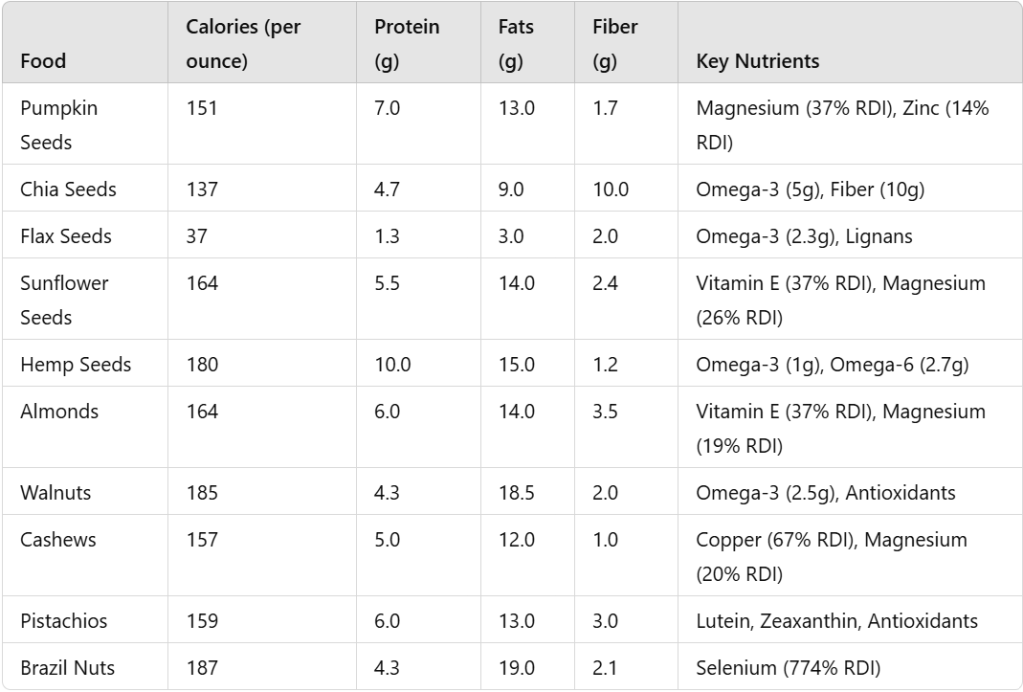
- Winner for Magnesium: Pumpkin seeds (37% RDI per ounce)
- Winner for Iron: Pumpkin seeds (8.8mg vs 6.7mg per 100g)
- Winner for Healthy Fats: Cashews (primarily MUFAs)
- Copper Powerhouse: Cashews (67% RDI per ounce)
- Sleep Support: Pumpkin seeds (L-tryptophan + Magnesium)
- Phytosterol Content: Higher in pumpkin seeds for cholesterol management
- Mineral Density: Pumpkin seeds lead in magnesium, zinc, and iron concentration
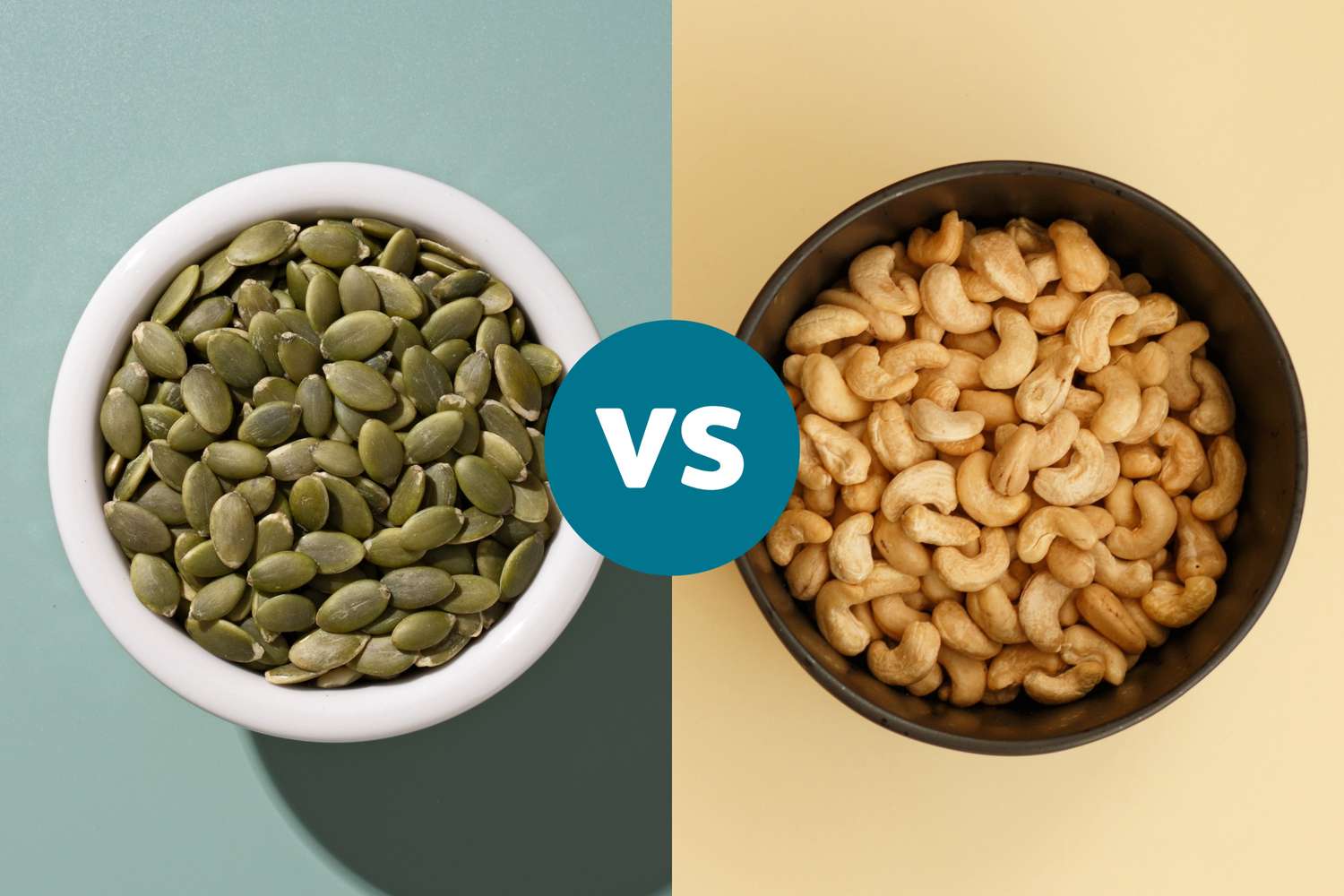
When evaluating the pumpkin seeds vs cashews debate, it is clear that pumpkin seeds offer a significantly higher mineral density than cashews, particularly regarding magnesium, zinc, and iron content. While cashews provide essential monounsaturated fats and are a powerhouse of copper, pumpkin seeds are superior for those looking to boost their micronutrient profile to support immune health and muscle function.
Mineral Density: Iron, Zinc, and Magnesium Showdown
In the world of nutrition science, mineral density of pumpkin seeds compared to cashews is one of the most striking comparisons we can make. For clients focusing on bone health, metabolic function, and sleep quality, the numbers tell a compelling story. Pumpkin seeds are significantly more concentrated in magnesium than cashews, providing approximately 150 mg per 1-ounce serving (37% of the Daily Value) compared to roughly 72 to 80 mg in cashews (18-19% of the Daily Value).
This difference is particularly relevant when discussing magnesium in pumpkin seeds vs cashews for sleep. Magnesium plays a critical role in regulating the neurotransmitters that calm the nervous system and is a precursor to melatonin. While both snacks contribute to your daily intake, the concentration in pumpkin seeds makes them a more efficient tool for those struggling with evening restlessness.
| Nutrient (per 100g) | Pumpkin Seeds (Pepitas) | Cashews |
|---|---|---|
| Magnesium | ~535 mg | ~292 mg |
| Iron | 8.8 mg | 6.7 mg |
| Zinc | 10 mg | 5.8 mg |
| Copper | 1.3 mg | 2.2 mg |
| Protein | 30 g | 18 g |
The cashew vs pumpkin seed iron content also favors the seed. Iron is essential for oxygen transport in the blood, and for those on plant based diets, finding high-density sources is vital. In terms of trace minerals, pumpkin seeds contain approximately 8.8 mg of iron per 100 grams, whereas cashews offer lower amounts at roughly 6.7 mg of iron. Furthermore, the zinc content in pumpkin seeds vs cashews for immune health is a clear win for the seeds, with 10 mg of zinc compared to 5.8 mg of zinc in cashews. Zinc is a cornerstone of T-cell function and wound healing, making pumpkin seeds an excellent addition to a winter wellness dietary strategy.
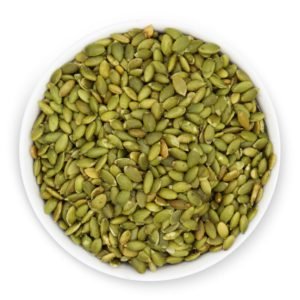
Healthy Fats and Heart Health Profiles
While minerals might favor the seeds, the lipid composition presents a more nuanced picture. Both options provide heart-healthy fats, but their lipid compositions differ corely. Cashews are primarily rich in monounsaturated fats, specifically oleic acid, which is the same monounsaturated fatty acids found in olive oil. These fats are celebrated for their ability to lower LDL cholesterol while maintaining HDL levels.
In contrast, pumpkin seeds contain a higher proportion of polyunsaturated fats, specifically essential linoleic acid. These essential fatty acids are crucial because the body cannot produce them on its own. When considering pumpkin seed and cashew nutrition for heart health, both play a role, but their mechanisms differ. Cashews have a slightly higher saturated fat ratio (around 11-12%), which is still within healthy limits for most people but worth noting for those on strict cardiovascular protocols.
Another factor to consider is the presence of phytosterols. Pumpkin seeds are an abundant source of these plant compounds, which are structurally similar to cholesterol. By competing for absorption in the digestive tract, phytosterols can help lower blood cholesterol levels. This makes the healthy fats in pumpkin seeds and cashews a complementary pair rather than an either-or choice. If your goal is to reduce systemic inflammation, the polyunsaturated fatty acids in seeds are beneficial, whereas the oleic acid in cashews is excellent for general vascular health.
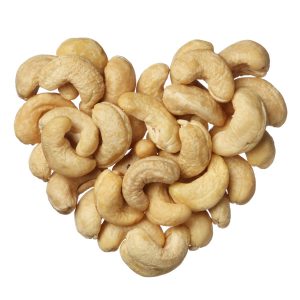
Weight Management: Protein and Satiety Index
For many of my readers, the question of whether pumpkin seeds or cashews are better for weight loss is a top priority. Both are calorically dense, coming in at approximately 150-160 calories per ounce. However, the macronutrient breakdown influences how long you stay full.
The pumpkin seeds vs cashews for plant based protein comparison shows that pumpkin seeds offer more protein per gram. High protein intake is linked to an increased satiety index, as it triggers the release of fullness hormones like PYY and GLP-1.
- Pumpkin Seeds: Approximately 8.5 grams of protein per ounce.
- Cashews: Approximately 5 grams of protein per ounce.
The higher protein and fiber content in pumpkin seeds can assist with blood sugar management by slowing the absorption of carbohydrates. This prevents the insulin spikes that can lead to fat storage. Cashews, while lower in protein, have a creamy texture that can be more satisfying in smaller quantities for some people, potentially preventing overeating. However, if we look at the pure metabolic math, the higher protein-to-calorie ratio in pumpkin seeds makes them a slightly more favorable option for weight management and lean muscle preservation.
Maximizing Nutrition: Bioavailability and Intake
It is not just about what you eat, but what you absorb. Both seeds and nuts contain phytic acid, often referred to as an anti-nutrient because it can bind to minerals like zinc and iron, reducing their bioavailability. To maximize the absorption of the rich micronutrient profile found in these foods, I often recommend a few simple preparation techniques.
- Roasting: Lightly roasting your seeds or nuts can reduce phytic acid levels.
- Sprouting: Soaking them in water for a few hours before drying or consuming can significantly enhance the bioavailability of the minerals.
- Acidic Pairing: Consuming your iron-rich pumpkin seeds with a source of Vitamin C (like citrus or bell peppers) helps overcome the inhibitory effects of phytates.
The best way to eat pumpkin seeds and cashews for mineral absorption is to choose sprouted or dry-roasted versions without excessive added oils or sodium. In the kitchen, pumpkin seeds (often sold as pepitas) are a versatile substitution for cashews in pestos or as a salad topper. While cashews are prized for their ability to become creamy when blended—making them ideal for vegan sauces—pumpkin seeds can provide a similar texture with a more earthy, nutty flavor and a superior mineral boost.
FAQ
Which has more magnesium, pumpkin seeds or cashews?
Pumpkin seeds contain significantly more magnesium than cashews. A standard one-ounce serving of pumpkin seeds provides about 150 mg of magnesium, which fulfills 37% of the Daily Value, while the same amount of cashews provides approximately 72 to 80 mg, or about 18-19% of the Daily Value.
Which contains more zinc, cashews or pumpkin seeds?
Pumpkin seeds are the clear winner for zinc content. They contain approximately 10 mg of zinc per 100 grams, whereas cashews offer roughly 5.8 mg per 100 grams. This makes pumpkin seeds a much more concentrated source for supporting immune function.
Are pumpkin seeds better for weight loss than cashews?
Pumpkin seeds may have a slight edge for weight loss due to their higher protein and fiber content, which contributes to a higher satiety index. While both are similar in calories, the 8.5 grams of protein in an ounce of pumpkin seeds compared to 5 grams in cashews helps keep you full for longer and supports blood sugar management.
Which has more protein, pumpkin seeds or cashews?
Pumpkin seeds contain more protein than cashews. Per 28-gram (one ounce) serving, pumpkin seeds provide roughly 8.5 grams of plant based protein, while cashews provide about 5 grams. This makes pumpkin seeds an excellent choice for those looking to increase their protein intake from plant sources.
Can I substitute pumpkin seeds for cashews in recipes?
Yes, pumpkin seeds can often be substituted for cashews, especially in recipes like pesto, granolas, or as a crunchy topping for salads and soups. While they lack the specific creaminess of cashews when blended into sauces, they offer a deeper, nuttier flavor and a significantly higher mineral density.
Choosing the Right Snack for Your Goals
Ultimately, the choice between pumpkin seeds and cashews depends on your specific health objectives. If you are looking to improve your sleep quality, boost your immune system, or manage your iron levels, pumpkin seeds are the nutritionally superior choice. Their concentration of magnesium, zinc, and iron is hard to beat in the plant world.
On the other hand, if you are looking for a heart-healthy snack rich in monounsaturated fatty acids and copper, cashews are a delicious and effective option. As an editor specializing in nutrition science, I recommend incorporating both into your diet. Using pumpkin seeds as a frequent topper for oats or salads and cashews as a creamy base for dressings or a quick afternoon snack provides a balanced intake of both monounsaturated and polyunsaturated fats along with a wide spectrum of essential minerals.
By paying attention to preparation methods like roasting or sprouting, you can ensure that you are getting the most out of every bite. Whether you choose the mineral-rich pumpkin seed or the heart-healthy cashew, you are making a positive step toward optimal health through evidence-based food choices.