Quick Facts
- Metabolic Engine: Protein intake can increase your metabolic rate by 15-30% compared to carbohydrates or fats due to the thermic effect of food.
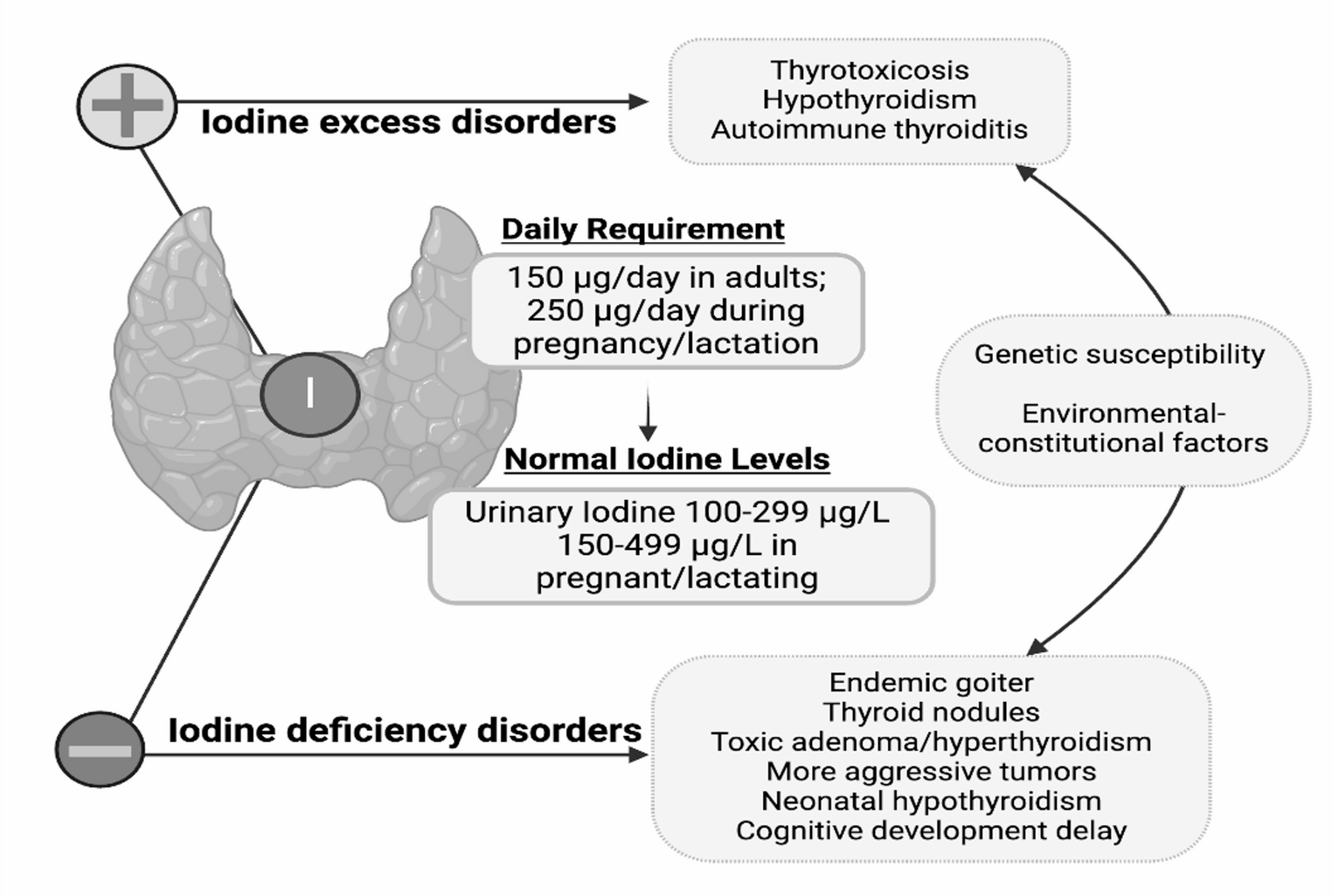
- Iodine Benchmark: A daily intake of 150 µg for adults is the clinical standard for maintaining healthy hormone synthesis.
- Selenium Cap: To avoid potential toxicity, it is best to limit Brazil nuts to 2-3 per day, staying within the safe 80–400 μg range.
- Goitrogen Hack: Lightly cooking or steaming cruciferous vegetables neutralizes the specific compounds that can block iodine uptake in the thyroid.
- Nutrient Synergy: Optimal thyroid function requires a balance of zinc and magnesium to facilitate the conversion of T4 into the active T3 hormone.
- Core Conclusion: A thyroid metabolism diet optimizes metabolic function by providing essential cofactors like iodine, selenium, and iron, which are necessary for the production and conversion of T3 and T4 hormones. Proper nutrient intake for thyroid function directly influences the basal metabolic rate and energy expenditure.
Your thyroid is the master controller of your metabolism, and what you eat daily determines its efficiency. A targeted thyroid metabolism diet focuses on key nutrients like iodine and selenium to optimize hormone synthesis and energy expenditure. By choosing nutrient-dense meals, you can support the delicate balance of the endocrine system and maintain a healthy weight through improved metabolic function.
The Biological Engine: How Nutrition Powers Your Thyroid
The thyroid gland acts as the thermostat of the human body, regulating the rate at which every cell consumes energy. This process is managed through the endocrine system, which releases specific hormones that dictate your basal metabolic rate. When your thyroid is functioning optimally, it produces the necessary T3 and T4 hormones that signal your body to burn fuel for heat and movement. However, this biological engine does not run in a vacuum; it relies heavily on a metabolism-supporting diet to provide the raw materials for these signals.
Understanding the gut-thyroid axis is essential for anyone looking to improve their energy levels. Research suggests that the health of your digestive system directly impacts how well your body absorbs the nutrients required for hormone production. If your gut is inflamed or lacking in microbial diversity, even the most perfect diet may fail to support your thyroid. By making daily meal choices for thyroid health and weight management that prioritize fiber and fermented foods alongside thyroid-specific nutrients, you create a internal environment where your metabolism can thrive.
Essential Building Blocks: Iodine and Iron for Hormone Synthesis
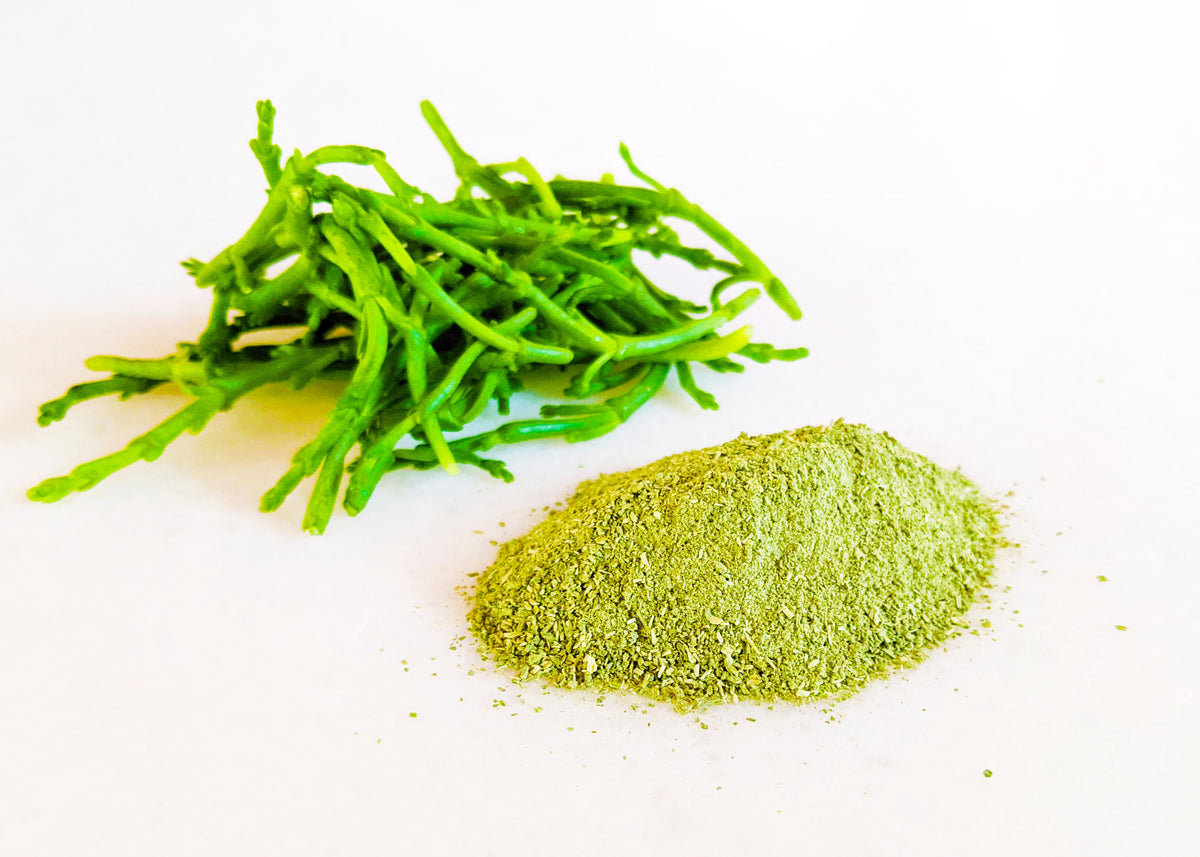
To build thyroid hormones, your body requires two primary ingredients: the amino acid tyrosine and the mineral iodine. Iodine is so critical that it makes up a literal part of the molecular structure of T3 and T4 hormones. Unfortunately, iodine deficiency is estimated to affect approximately 30% of the global population, making it a leading cause of metabolic slowing worldwide. Incorporating foods for thyroid health like seaweed, cod, and iodized salt can help bridge this gap.
However, more is not always better. The relationship between iodine and your endocrine health follows a U-shaped risk curve. While deficiency is dangerous, chronic excessive iodine intake of 1,700 μg or more per day in adults can lead to thyroid dysfunction, including elevated TSH levels. This "Acute Wolff-Chaikoff Effect" can temporarily shut down hormone production to protect the gland. Therefore, the goal of any nutrient intake for thyroid function is balance rather than over-supplementation.
Iron also plays a quiet but vital role in this process. It serves as the central atom for the thyroid peroxidase (TPO) enzyme, which is responsible for "organifying" iodine into the thyroid hormone structure. Many people struggling with low energy may find that their iodine and selenium rich foods for thyroid support are more effective when paired with iron-rich lean meats or spinach to ensure the TPO enzyme can do its job.
Protection and Conversion: Selenium, Zinc, and Magnesium
Once the thyroid produces T4, the body must convert it into T3—the active form that actually drives energy expenditure. This conversion happens largely in the liver and kidneys and requires specific minerals like selenium, zinc, and magnesium. Selenium is particularly concentrated in the thyroid gland, where it acts as a powerful antioxidant, protecting the delicate tissue from oxidative damage during hormone synthesis.
If you are looking for safe dietary changes for hypothyroid metabolism support, ensuring you have adequate levels of these minerals is a priority. Zinc and magnesium act as cofactors for the enzymes that perform the T4 to T3 conversion. Without them, your body may produce plenty of T4, but your cells will remain "starved" for the active T3 they need to keep your metabolism humming. Furthermore, long-term calorie restriction, such as maintaining a daily intake of approximately 1,800 calories, has been shown to lower serum concentrations of T3. This suggests that a thyroid metabolism diet must provide enough overall energy to prevent the body from entering a "starvation mode" that suppresses hormone conversion.
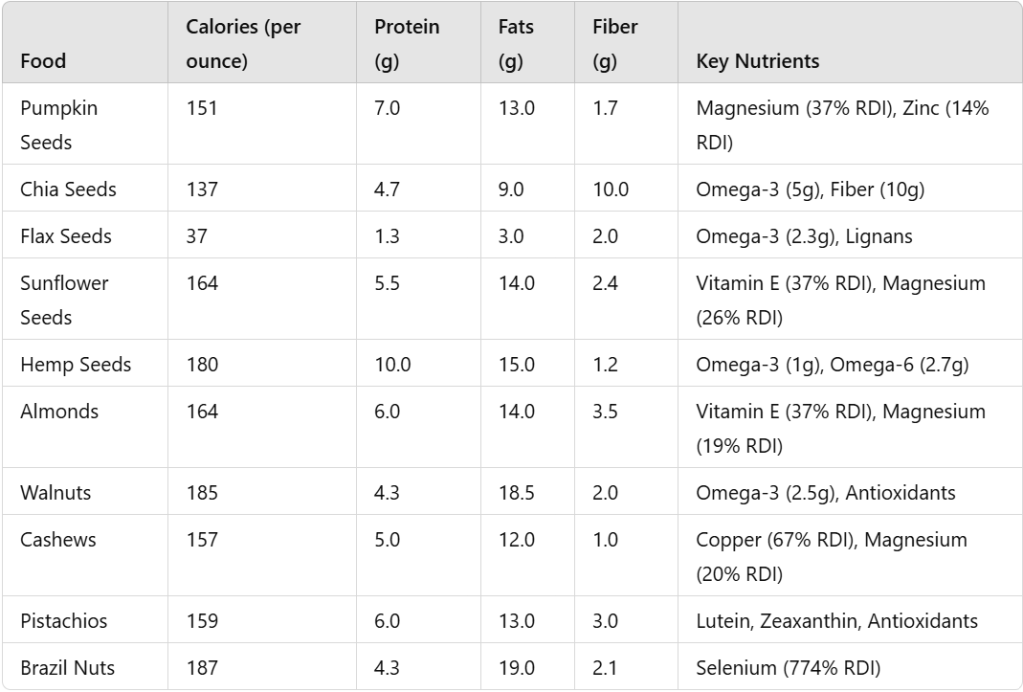
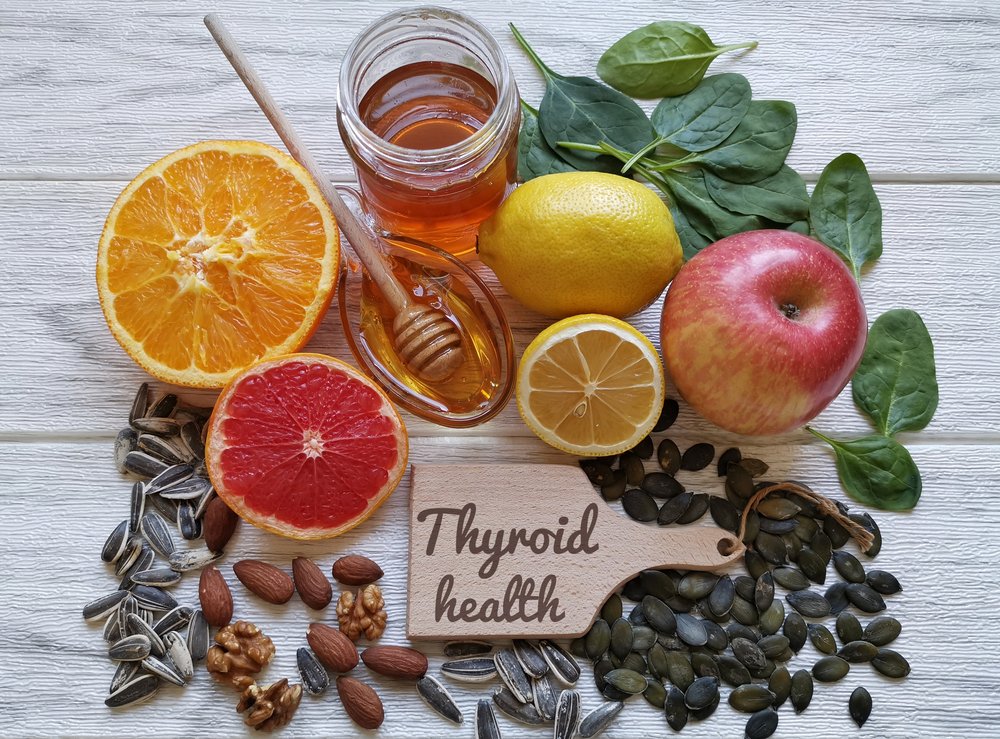
Using whole food sources is the best way to ensure the bioavailability of these nutrients. Legumes, pumpkin seeds, and almonds provide magnesium and zinc, while just a few Brazil nuts satisfy your daily selenium requirement. Keeping these elements in balance ensures a stable metabolism-supporting diet that protects your endocrine health over the long term.
Metabolic Boosters: Protein and Thermogenic Foods
Dietary choices can also provide a temporary but significant lift to your calorie burn through a process called thermogenesis. Protein-rich foods are particularly effective because they have a high Thermic Effect of Food (TEF). This means your body uses more energy to digest protein than it does for fats or carbohydrates. Focusing on the best protein sources for thyroid metabolism, such as wild-caught fish, organic poultry, and eggs, ensures you are getting the tyrosine needed for hormone production while simultaneously boosting your calorie burn.
Beyond protein, certain spices can provide a metabolic spark. The impact of chili peppers on metabolic rate and thyroid is driven by capsaicin, a compound that increases internal heat production. While capsaicin isn't a "magic pill" for weight loss, it can support an active metabolism when used as part of a varied diet. Including these foods for thyroid health helps create a multi-layered approach to energy management, where the food you eat helps you burn more energy even at rest.

Navigating Dietary Triggers: Goitrogens and Inflammation
A common concern in thyroid health circles is the presence of goitrogens—natural compounds found in cruciferous vegetables like broccoli, kale, and cabbage that can interfere with iodine uptake. However, for most people, these vegetables are far more beneficial than they are harmful. The key is preparation. Cooking these vegetables significantly reduces their goitrogenic activity, making them a safe and healthy part of a thyroid metabolism diet.
Inflammation is another critical factor, especially for those managing Hashimoto’s thyroiditis. Adopting an anti-inflammatory foods for thyroid metabolism optimization strategy involves increasing intake of Omega-3 fatty acids from salmon or chia seeds and reducing processed sugars. A Mediterranean-style eating pattern is often recommended because it focuses on whole, unprocessed foods that support the endocrine system without triggering an immune response. By managing inflammation through your daily choices, you allow your thyroid to function without the interference of chronic systemic stress.
FAQ
What foods boost thyroid metabolism?
Foods that are rich in iodine, selenium, and zinc are the primary boosters. This includes seafood like cod and shrimp, seaweed, Brazil nuts, and lean proteins. Additionally, thermogenic foods like chili peppers containing capsaicin and high-protein choices can temporarily increase the rate at which your body burns calories.
How can I speed up my thyroid metabolism through diet?
You can support a faster thyroid metabolism by ensuring you are not in a chronic caloric deficit, as intakes around 1,800 calories can actually slow T3 production. Focus on high-protein meals to take advantage of the thermic effect of food and prioritize the micronutrients necessary for converting T4 into the active T3 hormone.
What foods should be avoided for thyroid health?
It is best to avoid highly processed foods, excessive soy (which may interfere with hormone absorption in some individuals), and large amounts of raw cruciferous vegetables if you have an iodine deficiency. Avoiding excessive iodine intake from supplements—above 1,700 μg per day—is also vital to prevent iodine-induced hypothyroidism.
Can a thyroid diet help with weight loss?
Yes, a diet that optimizes thyroid function can help with weight management by supporting your basal metabolic rate. When your thyroid has the nutrients it needs to produce and convert hormones efficiently, your body is better equipped to maintain energy expenditure and burn fat effectively.
Are there specific nutrients that support thyroid health?
The most critical nutrients are iodine, selenium, iron, zinc, and magnesium. Vitamin B12 and Vitamin D also play supportive roles in endocrine health. These nutrients work together to facilitate hormone synthesis, protect the thyroid gland from oxidative stress, and ensure that hormones are converted into their active forms.
Conclusion & Actionable Steps
Optimizing your metabolism is not about restrictive dieting; it is about providing your body with the biological tools it needs to function. A thyroid metabolism diet is built on the foundation of nutrient density and consistency. By ensuring you get adequate iodine and selenium, prioritizing protein to leverage thermogenesis, and managing inflammation with whole foods, you can support your thyroid’s role as the body's metabolic engine.
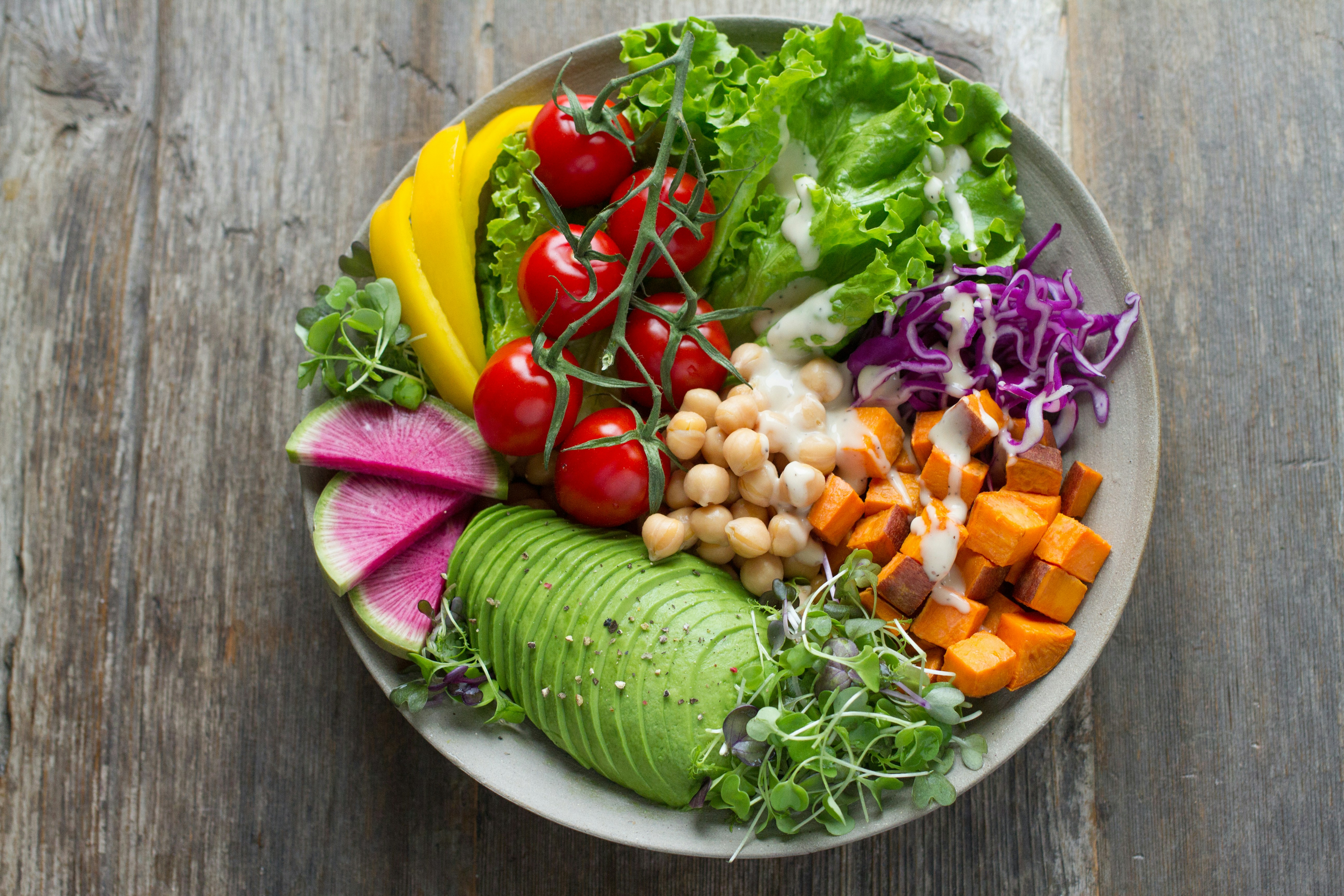
Start by making small, manageable changes. Swap processed snacks for a handful of pumpkin seeds, add a portion of cooked greens to your dinner, and ensure you are eating enough total calories to keep your hormones balanced. Remember that your daily meal choices are the most powerful influence you have over your energy, mood, and long-term health.