Quick Facts
- Sodium Reduction: Contains 50% less sodium than traditional table salt by weight.
- Ingredients: Made of 100% dehydrated Salicornia with no added chemicals or anti-caking agents.
- Nutrients: Naturally provides Vitamin B3, Magnesium, and Chlorophyll.
- Flavor Profile: Delivers a natural umami or savory taste alongside saltiness.
- Usage Ratio: Functions as a simple 1:1 replacement for regular table salt in all recipes.
- Safety: Clinical studies suggest it is a viable plant-based salt substitute for low sodium diets.
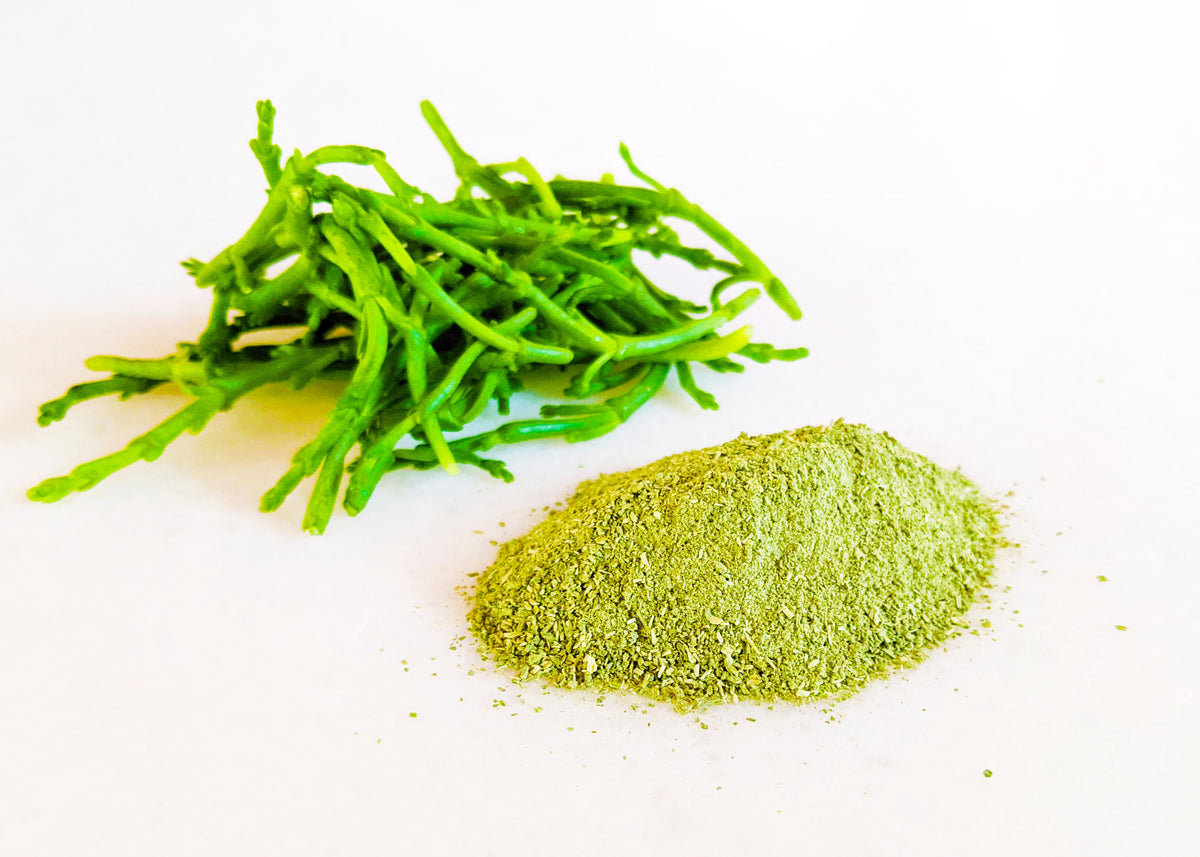
Green salt is a plant-based seasoning made from dehydrated Salicornia. The primary green salt benefits include providing 50% less sodium than traditional table salt while maintaining a savory umami flavor. This whole-food alternative contains natural minerals and fiber, making it a nutrient-dense option for those looking to reduce their sodium intake without using synthetic substitutes.
What is Green Salt? The Science of Salicornia
As a nutrition editor, I am often skeptical of "superfood" labels, but the science behind Salicornia bigelovii—the plant used to make green salt—is genuinely fascinating. Often referred to as sea asparagus or samphire, Salicornia is a halophyte. This means it is a rare type of plant that thrives in highly saline environments, such as salt marshes and coastal areas.
Instead of being processed in a lab, green salt is created through a relatively simple mechanical process: the plant is harvested, dried, and ground into a fine powder. This makes it a whole-food seasoning rather than a highly processed chemical additive. Botanically, Salicornia bigelovii is a relative of other nutrient-dense plants like Quinoa and Amaranth. This lineage explains its robust nutritional profile compared to standard mineral salts.
From a sustainability perspective, this plant-based salt substitute is a win for the environment. Halophyte plants can be irrigated with seawater, which reduces the demand for precious freshwater resources in agriculture. When we look at the future of food, ingredients that can grow in marginal environments while providing high nutritional value are essential for a resilient food system.
Green Salt Nutritional Profile vs. Traditional Salts
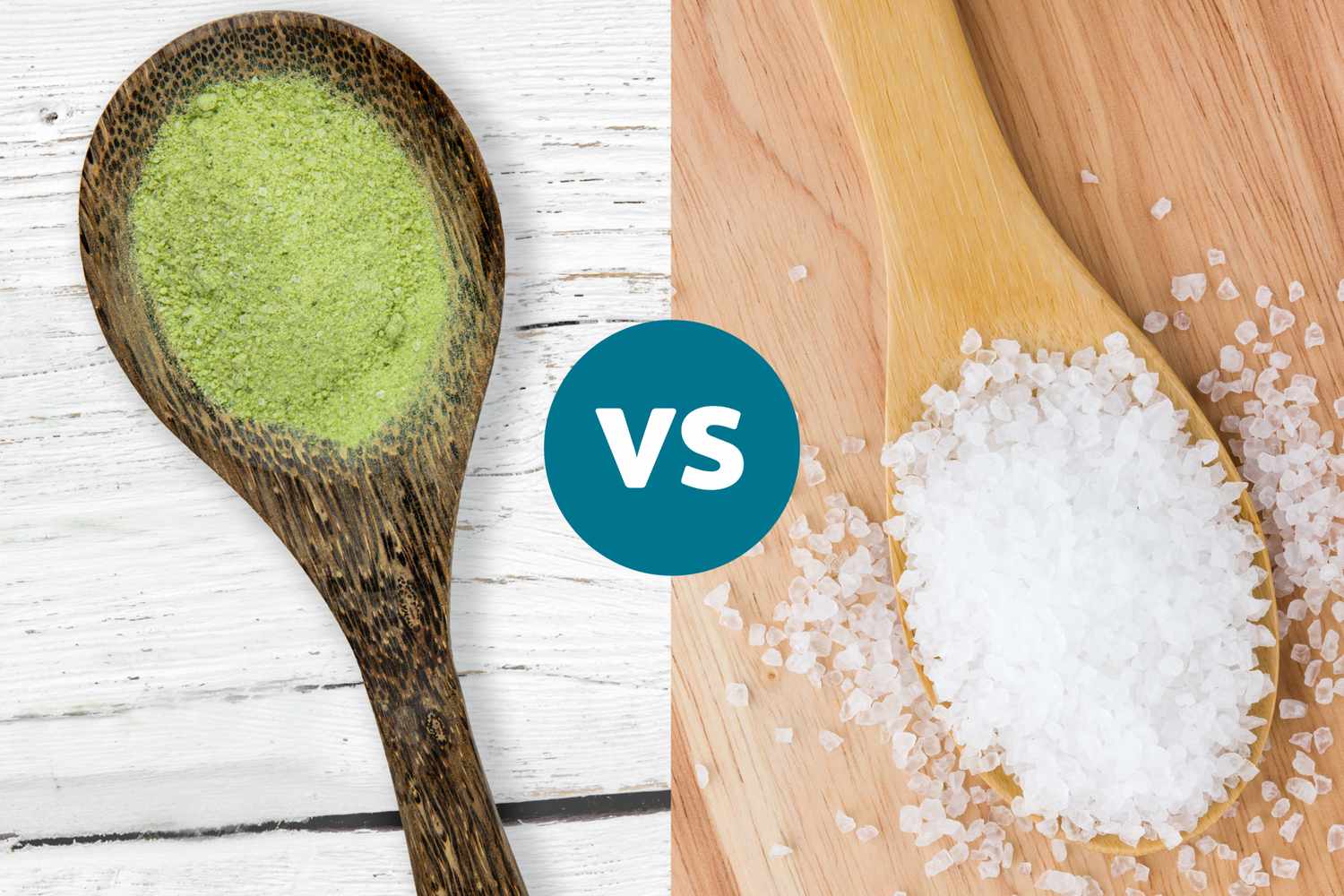
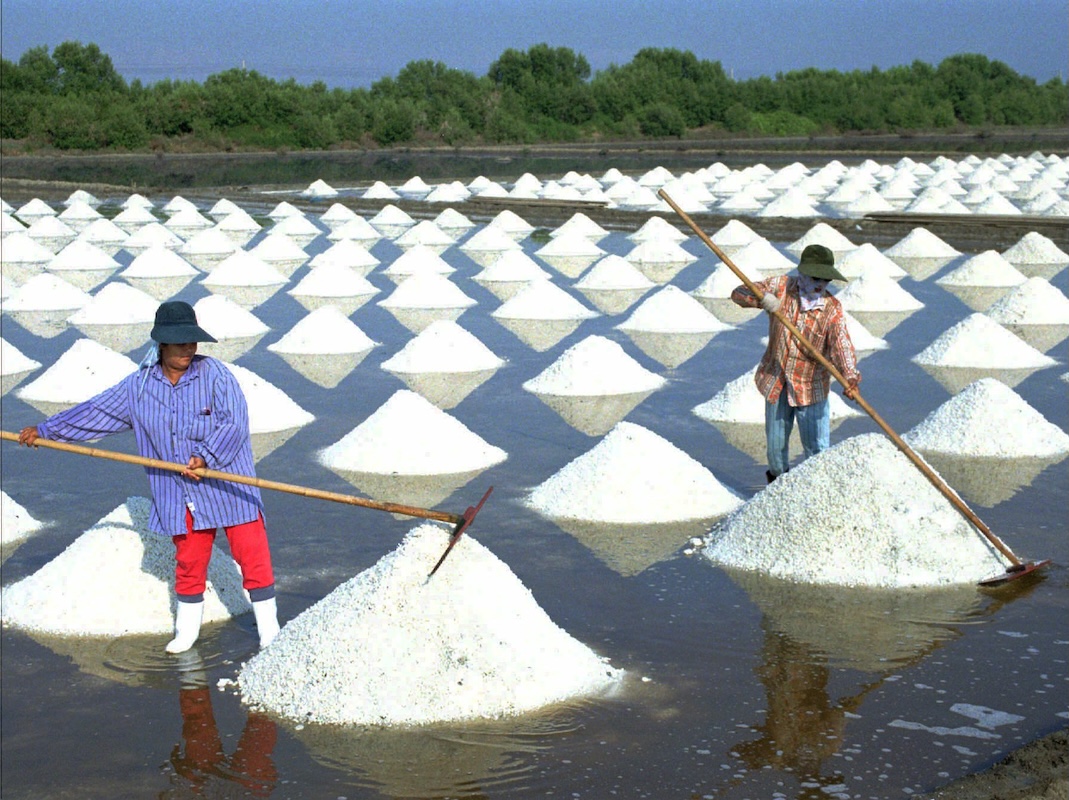
When we compare green salt vs table salt, we have to look beyond just the sodium content. Traditional table salt is almost pure sodium chloride (97-99%), often with added anti-caking agents and iodine. In contrast, the green salt nutritional profile is much more diverse because it retains the organic components of the Salicornia plant.
A primary advantage is that green salt contains 50% less sodium than traditional table salt by weight. For those monitoring their intake, this is a significant reduction that doesn't require complex kitchen math. You can use the same volume of seasoning while cutting your sodium load in half.
The Substitution Matrix: How They Compare
| Feature | Table Salt | Sea Salt | Green Salt |
|---|---|---|---|
| Sodium Content | 100% | 100% | 50% |
| Origin | Mined or Sea | Sea Water | Salicornia Plant |
| Fiber & Chlorophyll | None | None | Present |
| Trace Minerals | Minimal | Variable | Magnesium, Potassium, B3 |
| Iodine | Usually added | Trace amounts | Minimal |
Debunking the Trace Mineral Myth
It is common to see marketers claim that specialty salts like Himalayan pink salt are healthier because of their "84 trace minerals." However, as a nutrition professional, I must emphasize that these minerals exist in such tiny amounts that you would need to consume dangerous levels of sodium to get a meaningful dose of magnesium or calcium from salt.
Green salt is different because it is a dehydrated plant. It provides a more concentrated green salt nutritional profile and minerals like magnesium, potassium, vitamin B3, and chlorophyll. While it isn't a replacement for a daily multivitamin, these additions make it a more functional seasoning than standard rocks or crystals.
Addressing the Iodine Gap
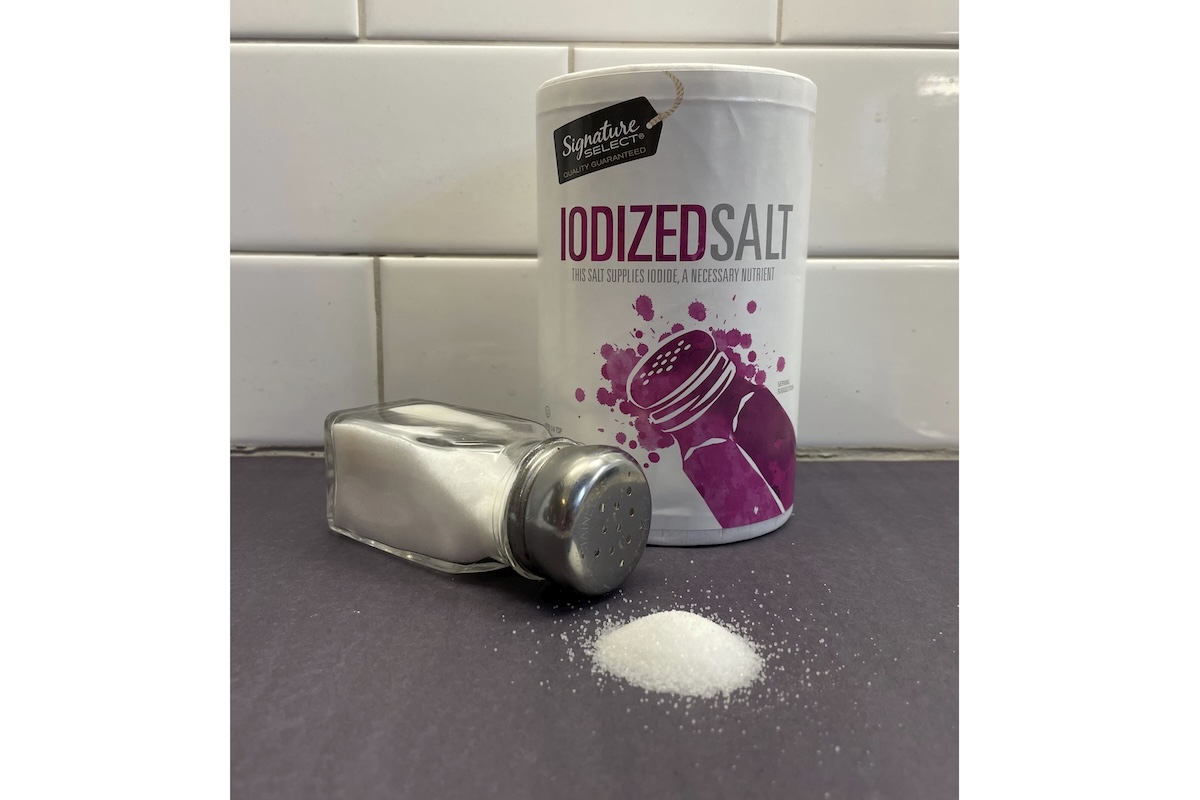
One critical consideration for those making a permanent switch is iodine. Since the 1920s, table salt has been the primary vehicle for iodine fortification to prevent thyroid issues. Standard table salt is often iodized, a mineral supplement that users of green salt may need to source from other dietary areas like seaweed, dairy, or seafood. If you decide to transition fully to green salt, ensure your diet includes other iodine-rich foods.

Health Impacts: Hypertension and Heart Wellness
The most compelling green salt benefits involve cardiovascular health. Excess sodium is a primary driver of high blood pressure (hypertension), which increases the risk of heart disease and stroke. The CDC and FDA recommend that adults consume less than 2,300 mg of sodium per day, yet the average American consumes about 3,400 mg.
Using green salt for high blood pressure management is a practical strategy because it addresses the behavioral side of eating. Most people struggle with low-sodium diets because food tastes bland. Because third-party sensory studies have shown that green salt has the same relative saltiness as regular salt, it helps maintain palate satisfaction while lowering the physiological burden of sodium.
Furthermore, Salicornia contains antioxidants and polyphenols that aren't found in mineral salts. Some scientific studies on these halophyte plants suggest they may have anti-inflammatory effects, adding another layer to the green salt health benefits for heart health.
Is Green Salt Safe for Kidney Disease?
Patients with chronic kidney disease (CKD) are often told to avoid "salt substitutes" because many are made with potassium chloride, which can cause dangerously high potassium levels (hyperkalemia) in those with impaired kidney function.
Is green salt safe for kidney disease? Green salt does contain natural potassium, but at levels generally found in a serving of leafy greens rather than the concentrated levels found in chemical substitutes. However, renal diets are highly individualized. If you have advanced CKD, you must consult your nephrologist or renal dietitian before incorporating any plant-based salt substitute for low sodium diets.
Culinary Advantage: Umami over Bitterness
If you have ever tried a "Lite Salt" or a potassium-based substitute, you likely noticed a metallic or bitter aftertaste. This is the biggest hurdle for patients trying to lower their sodium. Green salt solves this through its natural umami content. Umami is the "fifth taste"—a savory, meaty flavor profile that enhances the perception of saltiness.
When I test recipes, I find that green salt works exceptionally well in:
- Vegetable Dishes: It enhances the natural earthiness of roasted broccoli or sautéed kale.
- Soups and Stews: The umami helps build depth in broths without the need for high-sodium bouillon.
- Finishing Salt: Its distinct green hue and fine texture make it a beautiful finishing touch on proteins like grilled fish or eggs.
Regarding how to use green salt, it is a straightforward 1:1 swap. If a recipe calls for a teaspoon of sea salt, you can use a teaspoon of green salt. Note that because it is a plant powder, it has a shelf life of about three years and should be stored in a cool, dry place to prevent clumping.

The "Instead of What?" Framework
In nutrition science, we always ask: Instead of what?
If you are replacing standard table salt with green salt, you are making a positive trade-off for your heart health by reducing sodium and adding plant-based micronutrients. If you are replacing a chemical-heavy, potassium-based substitute, you are improving the flavor and "real food" quality of your meals.
For most people, green salt offers a way to enjoy flavorful food while adhering to the rigorous sodium limits recommended by health organizations. It bridges the gap between the medical necessity of a low-sodium diet and the culinary joy of a well-seasoned meal.
FAQ
What is green salt and what is it made of?
Green salt is a whole-food, plant-based seasoning made entirely from dehydrated Salicornia bigelovii, also known as sea asparagus. It is a natural product where the plant is harvested, dried, and ground into a powder that tastes salty but contains significantly less sodium than traditional mineral salts.
Is green salt better for you than regular salt?
From a cardiovascular perspective, green salt is generally considered a healthier option because it provides 50% less sodium than traditional table salt. Additionally, unlike regular salt, it contains plant-based nutrients like chlorophyll, vitamin B3, and magnesium, making it a more nutrient-dense seasoning.
How does the sodium content in green salt compare to table salt?
Green salt contains 50% less sodium by weight than standard table salt or sea salt. Specifically, while a gram of table salt contains about 390mg of sodium, a gram of green salt contains approximately 190mg-200mg, helping users stay within daily sodium limits more easily.
Is green salt safe for people with high blood pressure?
Yes, green salt is often recommended for high blood pressure management. Because it provides a similar salty impact with half the sodium, it allows individuals with hypertension to reduce their sodium intake without sacrificing the flavor of their meals, which is a key factor in long-term diet adherence.
Is green salt a plant-based salt alternative?
Yes, green salt is a 100% plant-based salt alternative. Unlike sea salt which comes from evaporated water or table salt which is mined from the earth, green salt is derived from a living halophyte plant, making it a "whole food" seasoning that is vegan-friendly and sustainably grown.