Quick Facts
- Timeline: Expect a full recovery and return to pre-pregnancy weight within 6 to 12 months.
- Safe Rate: Aim for a gradual loss of 1 to 2 pounds per week once cleared by a doctor.
- Caloric Needs: If nursing, add an extra 500 kcal per day to support milk supply.
- Exercise Start: Wait for medical clearance, typically at the 6-week postpartum mark.
- Key Focus: Prioritize core and pelvic floor rehabilitation before high-impact training.
- Success Rate: Research shows breastfeeding for three months can increase weight loss by over 3 pounds by the first year.
Postpartum weight loss is a journey of healing as much as it is about health. While the pressure to 'bounce back' is real, experts recommend a gradual approach, typically taking 6 to 12 months to return to your pre-pregnancy weight safely. This realistic postpartum weight loss goals for first year timeline ensures your body has the metabolic balance needed to recover from childbirth while maintaining the energy required for newborn care.
The Healing Phase: The First 6 Weeks
The period immediately following childbirth, often called the fourth trimester, is a time for deep internal recovery. Your body has just undergone a monumental physical event, and the focus during these first 42 days should be on rest and nourishment rather than caloric restriction. You will likely notice an immediate loss of about 10 to 12 pounds right after delivery—this is the combined weight of the baby, placenta, and amniotic fluid.
During this window, your cortisol levels are naturally elevated due to sleep deprivation and the physical stress of birth. High cortisol can signal the body to hold onto fat, particularly in the midsection. To counteract this, prioritize hydration and gentle bonding. Drinking enough water is the simplest way to support cellular repair and flush out excess pregnancy fluids.

1. Honor the 6-Week Rest Period
Avoid any intentional dieting or vigorous exercise until your six-week checkup. Use this time to establish a breastfeeding routine and allow your uterus to contract. Rest is not "doing nothing"; it is the active process of healing.
2. Prioritize Hydration
Staying hydrated is a cornerstone of postpartum recovery, helping to manage hunger and support milk production. Keep a reusable water bottle in every room where you feed the baby to ensure you are drinking at least 8 to 10 glasses a day.
3. Manage Stress for Hormonal Balance
While "relaxing" feels impossible with a newborn, even five minutes of deep breathing can help lower stress hormones. Lower stress helps prevent the emotional eating and metabolic slowdown associated with high cortisol.
Nutrition for Recovery and Lactation
When you are ready to focus on postpartum nutrition tips, the goal is to find a sustainable caloric deficit that doesn't compromise your health. According to the American College of Obstetricians and Gynecologists, women should aim to return to their pre-pregnancy weight within 6 to 12 months through a gradual weight loss of 1 to 2 pounds per week.
A postpartum weight loss diet for breastfeeding mothers requires specific considerations. Producing milk is metabolically demanding, burning roughly 400 to 500 calories a day. If you cut calories too drastically, your milk supply may drop, and your fatigue will intensify.
4. Focus on Nutrient-Dense Whole Foods
Instead of counting every calorie, focus on the quality of your plate. Choose foods that offer high satiety, such as lean proteins, beans, and leafy greens. These foods provide the vitamins needed for tissue repair without the "empty" energy of processed snacks.
5. Stabilize Insulin Levels
Manage your blood sugar by avoiding refined sugars and the "-ose" ingredients (sucrose, fructose) found in many packaged "lactation cookies." Stable insulin levels make it easier for your body to access stored fat for energy.
6. Incorporate Healthy Fats
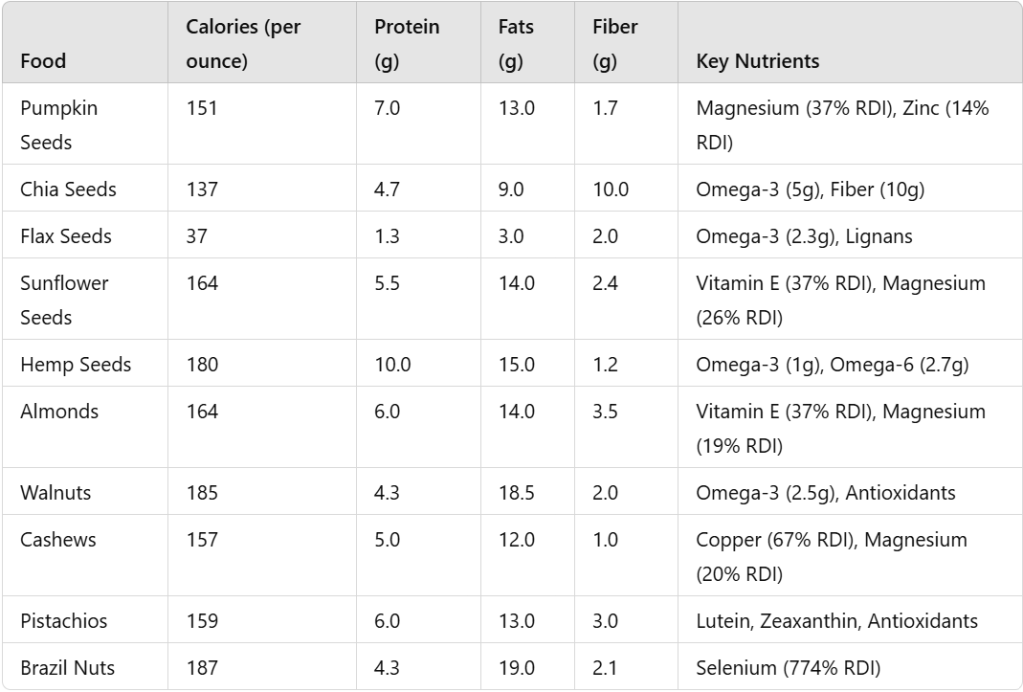
Healthy fats are essential for hormone production and your baby's brain development. Avocados, nuts, and fatty fish are excellent choices that keep you feeling full longer.

7. The Healthy Finger Foods Strategy
New moms often skip meals because they don't have two hands free. Prepare healthy finger foods like hard-boiled eggs, pre-cut veggies with hummus, or turkey roll-ups. This prevents the blood sugar crashes that lead to late-night binging.
8. Leverage the Breastfeeding Benefit
Research indicates that exclusive breastfeeding for at least three months can result in an average of 3.2 pounds of additional weight loss at one year postpartum compared to those who do not breastfeed. While not a "magic bullet," it provides a significant metabolic edge.
Safe Physical Activity and Core Rehab
Returning to exercise after pregnancy is not about jumping back into your old HIIT routine. Your joints are still loose due to the hormone relaxin, and your core muscles have been stretched. A study by the National Institutes of Health found that approximately 75% of women are heavier one year after giving birth than they were before pregnancy, often because they struggle to find a safe and consistent movement routine.
9. Check for Diastasis Recti
Before starting crunches or planks, check for diastasis recti, which is the separation of the abdominal muscles. Traditional ab exercises can actually worsen this condition. Work with a pelvic floor physical therapist if you notice a "doming" or "coning" in your stomach during movement.
10. Start with Low-Impact Walking
Walking is the gold standard for early postpartum exercise. It improves circulation, boosts mood, and can be done with the baby in a stroller. Start with 10 minutes and slowly increase the duration as your energy allows.
11. Prioritize Pelvic Health
Your pelvic floor supported the weight of a baby for nine months. Practice gentle core and pelvic floor exercises for postpartum weight loss, such as diaphragmatic breathing and pelvic tilts, before moving to heavy lifting.
12. C-Section Specific Precautions
If you had a surgical birth, your recovery timeline is longer. Follow specific postpartum belly fat reduction tips after c-section, such as scar massage (once healed) and avoiding heavy lifting (anything heavier than the baby) for the first 8 weeks to prevent incisional hernias.
13. Gradually Introduce Strength Training
Once cleared for more intense activity, safe ways to start exercising after pregnancy involve light resistance. Strength training helps rebuild the muscle mass lost during pregnancy, which in turn raises your resting metabolic rate.
Sustainable Habits for Long-Term Success
Long-term weight loss isn't about a six-week "shred"; it’s about sustainable postpartum weight loss habits for busy moms that fit into a chaotic schedule.
14. Modular Meal Prepping (The Salad Rotation)
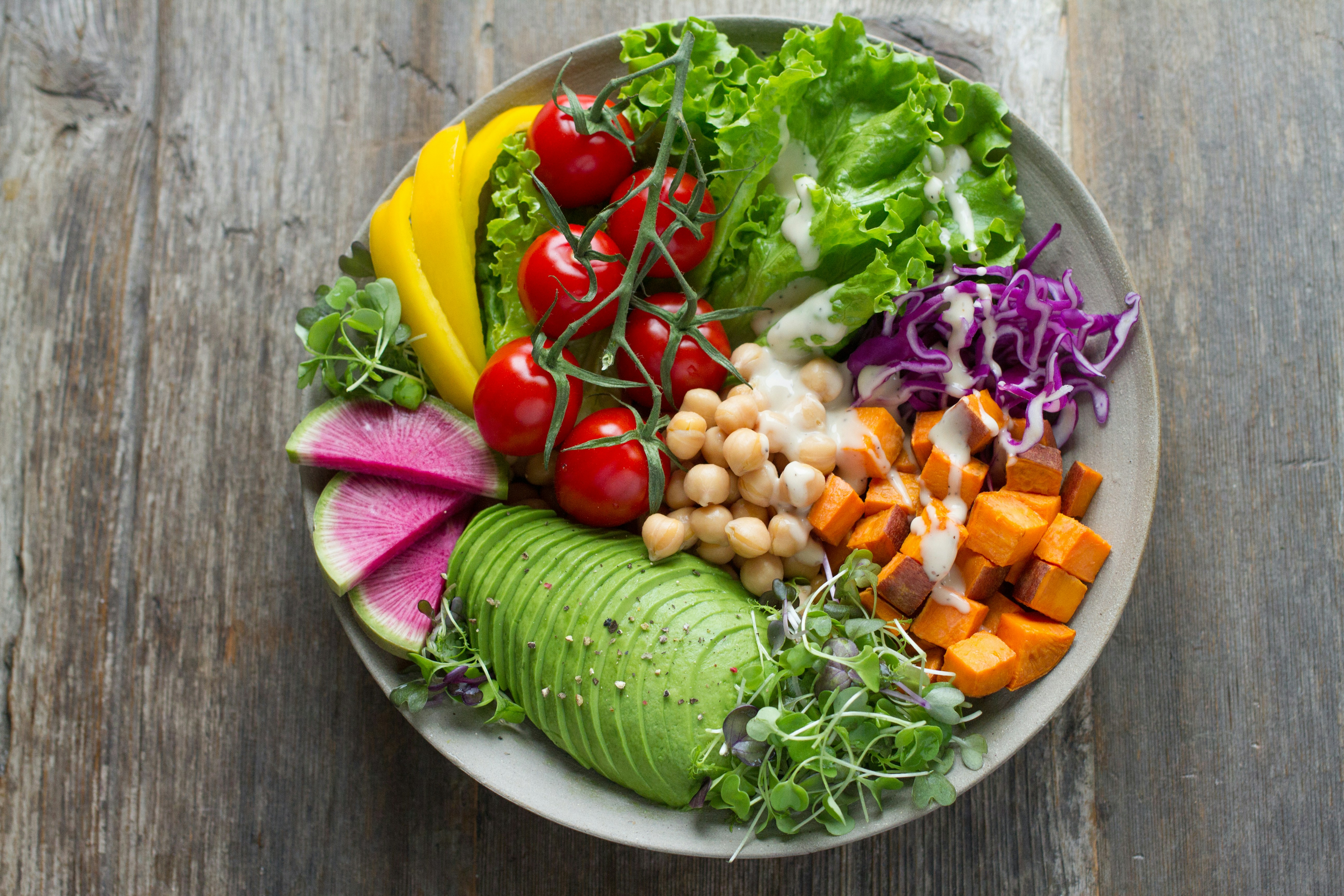
Don't try to cook complex meals. Use modular meal prepping: roast three types of vegetables, cook two proteins (like chicken and tofu), and boil a pot of quinoa on Sunday. You can rotate these ingredients into different bowls or salads throughout the week.

15. Improve Sleep Hygiene
Sleep deprivation is the enemy of losing baby weight. Lack of sleep increases ghrelin (the hunger hormone) and decreases leptin (the fullness hormone). While you can't control when the baby wakes up, you can improve sleep hygiene by limiting blue light before bed and napping when the baby naps occasionally.
16. Find Community Support
Whether it’s a stroller walking group or a postpartum yoga class, exercising with others provides accountability and emotional support. Finding ways to stay active as a family makes long-term weight management more enjoyable and sustainable.

Medical Clearance Checklist
- Do you have your 6-week (or 8-week for C-section) provider clearance?
- Is your lochia (postpartum bleeding) completely stopped?
- Have you been screened for diastasis recti?
- Are you able to perform a Kegel and a core contraction without pain?
FAQ
How soon can you safely start losing weight after giving birth?
Most healthcare providers recommend waiting at least six weeks before intentionally trying to lose weight through a caloric deficit or structured exercise. The first month and a half should be dedicated entirely to healing and establishing lactation if you choose to breastfeed.
Does breastfeeding really help you lose weight?
Yes, breastfeeding can assist with postpartum weight loss because the body uses stored fat to produce milk, burning approximately 500 extra calories per day. However, it also increases hunger, so weight loss only occurs if you maintain a balanced diet and don't overcompensate with high-calorie processed foods.
How many calories should a postpartum woman eat to lose weight?
A postpartum woman should typically consume between 1,800 and 2,200 calories per day, though this varies based on activity level and whether she is breastfeeding. It is generally recommended not to drop below 1,800 calories while nursing to ensure the milk remains nutrient-dense.
How can I lose belly fat after a C-section?
Losing fat after a C-section requires a combination of gentle cardiovascular activity, such as walking, and a diet focused on whole, anti-inflammatory foods. Because the abdominal muscles were moved during surgery, focus on deep core rehabilitation movements that stabilize the pelvis before attempting traditional abdominal exercises.
What are the best exercises for postpartum weight loss?
The best exercises are low-impact activities that protect the pelvic floor, such as walking, swimming, and postpartum-specific Pilates. As your strength returns, incorporating resistance training with light weights or bands is highly effective for boosting metabolism and rebuilding functional strength.
Conclusion & Next Steps
Sustainable postpartum weight loss is about finding a balance between your new role as a mother and your personal health goals. By focusing on nutrient-dense foods, respecting your body’s need for a fourth-trimester recovery, and slowly reintroducing movement, you can achieve your goals without burnout.
Remember that your body just did something incredible. Give yourself the same grace and patience you give your newborn. If you find yourself struggling with energy levels or mood, always consult your healthcare provider to ensure your thyroid levels and iron stores are where they should be.