Quick Facts
- Daily Calorie Target: 1,600 kcal (+/- 50 buffer)
- Weight Loss Rate: 1-2 lbs per week
- Best For: Sedentary women 50+ or moderately active adults in a deficit
- Hydration: 9-13 cups of water daily
- Primary Focus: High protein and fiber for satiety
- Macro Split: Approximately 30% protein, 40% carbohydrates, 30% fats
To start a 1600 calorie meal plan, prioritize nutrient-dense whole foods such as lean protein sources, complex carbohydrates, and healthy fats. Distribute intake across three main meals of approximately 350 to 400 calories each, supplemented by two or three snacks of 150 to 200 calories. This structured approach helps maintain satiety throughout the day while ensuring nutritional adequacy through high dietary fiber and protein levels.
Is a 1,600 Calorie Plan Right for You?
Determining your ideal energy intake is the first step in any successful nutritional journey. A 1600 calorie diet for weight loss is often described as the "sweet spot" for many individuals. It provides enough energy to fuel daily activities and workouts without the extreme hunger often associated with lower-calorie protocols.
According to the 2020–2025 Dietary Guidelines for Americans, a daily intake of approximately 1,600 calories is recommended for sedentary females aged 51 and older just to maintain their current weight. However, for many younger, sedentary, or lightly active women, this same 1600 calorie meal plan provides a moderate daily deficit of about 500 calories. This specific deficit is significant because it aligns with the clinical recommendation for losing a sustainable one pound per week.
Sustainability is the core of my philosophy. The CDC advises that a safe and effective weight loss rate is 1 to 2 pounds per week, which typically requires reducing daily intake by 500 to 1,000 calories below maintenance levels. If your maintenance calories sit around 2,100, then moving to a 7-day 1600 calorie meal plan for fat loss is a scientifically sound way to reach your goals without compromising your body composition or metabolic rate.

The Core Rules: Portion Management and Smart Swaps
Before we dive into the menu, you need to master how to start a 1600 calorie meal plan without carrying a food scale everywhere. Successful long-term eating relies on portion management and understanding the satiety index—a measure of how well different foods satisfy hunger.
I recommend using the hand-based portioning method to keep things simple:
- Protein: One portion is roughly the size and thickness of your palm.
- Vegetables: One portion is the size of your closed fist.
- Carbohydrates: One portion is a cupped hand.
- Fats: One portion is the size of your thumb.
By focusing on lean protein sources like grilled chicken, turkey, or tofu, and complex carbohydrates like quinoa or sweet potatoes, you maximize nutritional adequacy. If you find yourself getting bored, use smart swaps to maintain variety. You can easily trade 4 ounces of grilled salmon for 4 ounces of lean steak or swap a half-cup of brown rice for two small corn tortillas. These "Exchange Lists" allow you to adapt the plan to your cultural preferences or what you have in the pantry while keeping the energy balance consistent.
The Complete 7-Day Structured Menu (2026 Edition)
This 7-day balanced meal menu is designed to be repeatable. I have structured it to ensure you never feel deprived, including balanced 1600 calorie snacks for weight loss to keep your blood sugar stable between meals.
| Day | Breakfast (approx. 400 kcal) | Lunch (approx. 400 kcal) | Dinner (approx. 500 kcal) | Snacks (approx. 300 kcal) |
|---|---|---|---|---|
| 1 | Greek yogurt with 1/2 cup berries and 1 tbsp chia seeds | Grilled chicken salad with leafy greens and vinaigrette | Baked cod with roasted asparagus and 1/2 cup quinoa | One medium apple + 10 almonds |
| 2 | Two scrambled eggs with spinach and one slice whole-grain toast | Turkey and avocado wrap using a high-fiber tortilla | Lean ground beef stir-fry with broccoli and bell peppers | 1/2 cup cottage cheese with cucumber slices |
| 3 | Overnight oats with protein powder and flaxseeds | Quinoa bowl with chickpeas, feta, and cherry tomatoes | Grilled chicken breast with a large baked sweet potato | One protein bar (under 200 kcal) |
| 4 | Smoothie with spinach, protein powder, and almond butter | Tuna salad (light mayo) over a large bed of mixed greens | Roasted turkey breast with sautéed zucchini and brown rice | Two hard-boiled eggs |
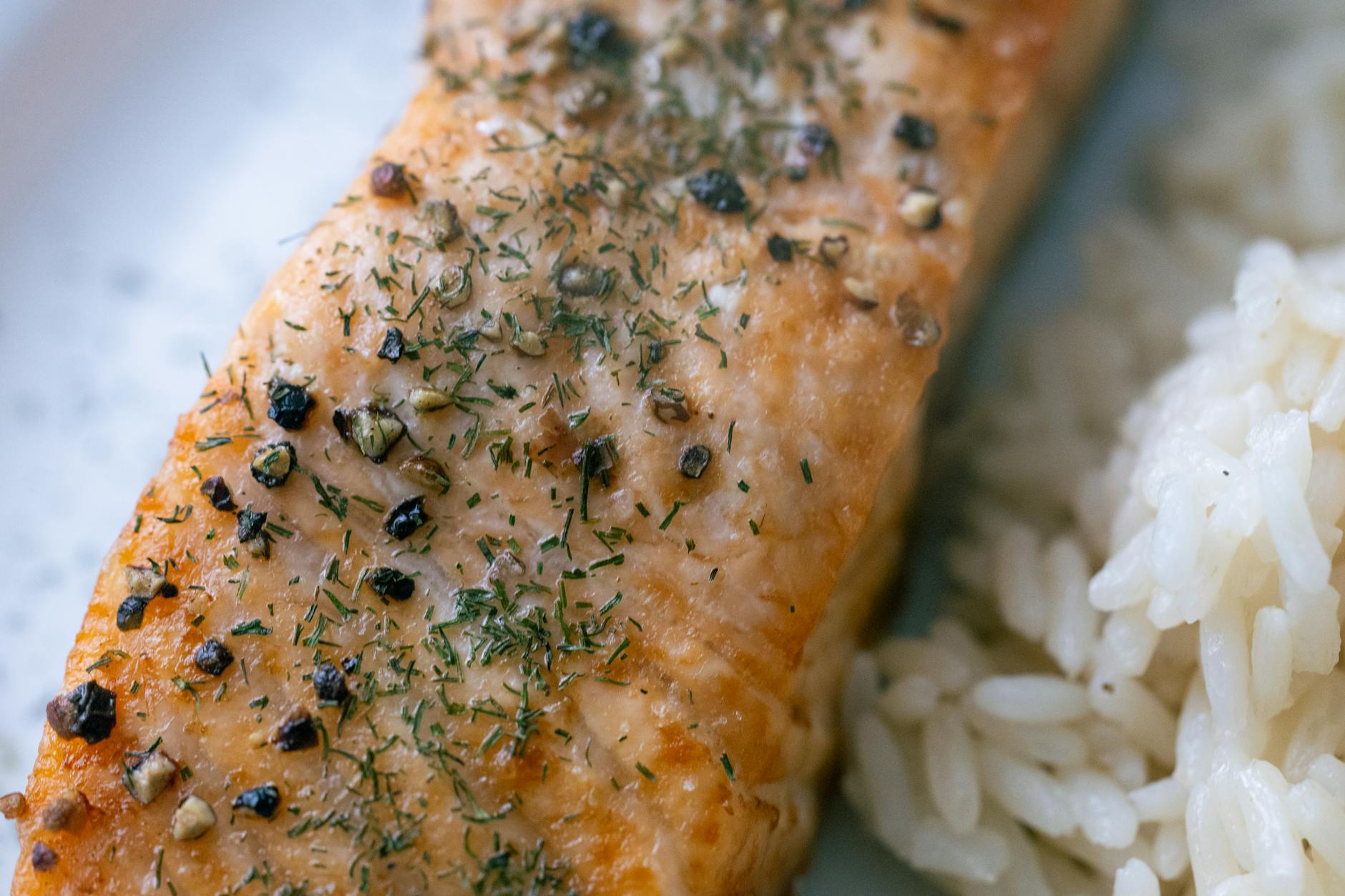
| 5 | Omelet with mushrooms and 1 oz goat cheese | Lentil soup with a side of mixed green salad | Pan-seared salmon with steamed green beans | 1/4 cup hummus with carrot sticks |
| 6 | Whole-grain waffles with a scoop of Greek yogurt | Grilled shrimp tacos with cabbage slaw (no mayo) | Baked chicken thighs (skinless) with roasted cauliflower | One small orange + 1 tbsp peanut butter |
| 7 | Tofu scramble with nutritional yeast and peppers | Lean roast beef slices with a side of roasted Brussels sprouts | Zucchini noodles with turkey meatballs and marinara | 1/2 cup edamame |
Daily Totals: 1,580–1,620 kcal, 110–130g Protein, 140–160g Carbs, 45–55g Fat, 30g+ Fiber
Meal Prep Strategies & Grocery Essentials
Efficiency is the secret to consistency. When you use 1600 calorie meal prep ideas, you reduce the "decision fatigue" that leads to impulse eating. I suggest a "Meal Bucket" approach: cook a large batch of three different lean protein sources and three types of roasted vegetables on Sunday.
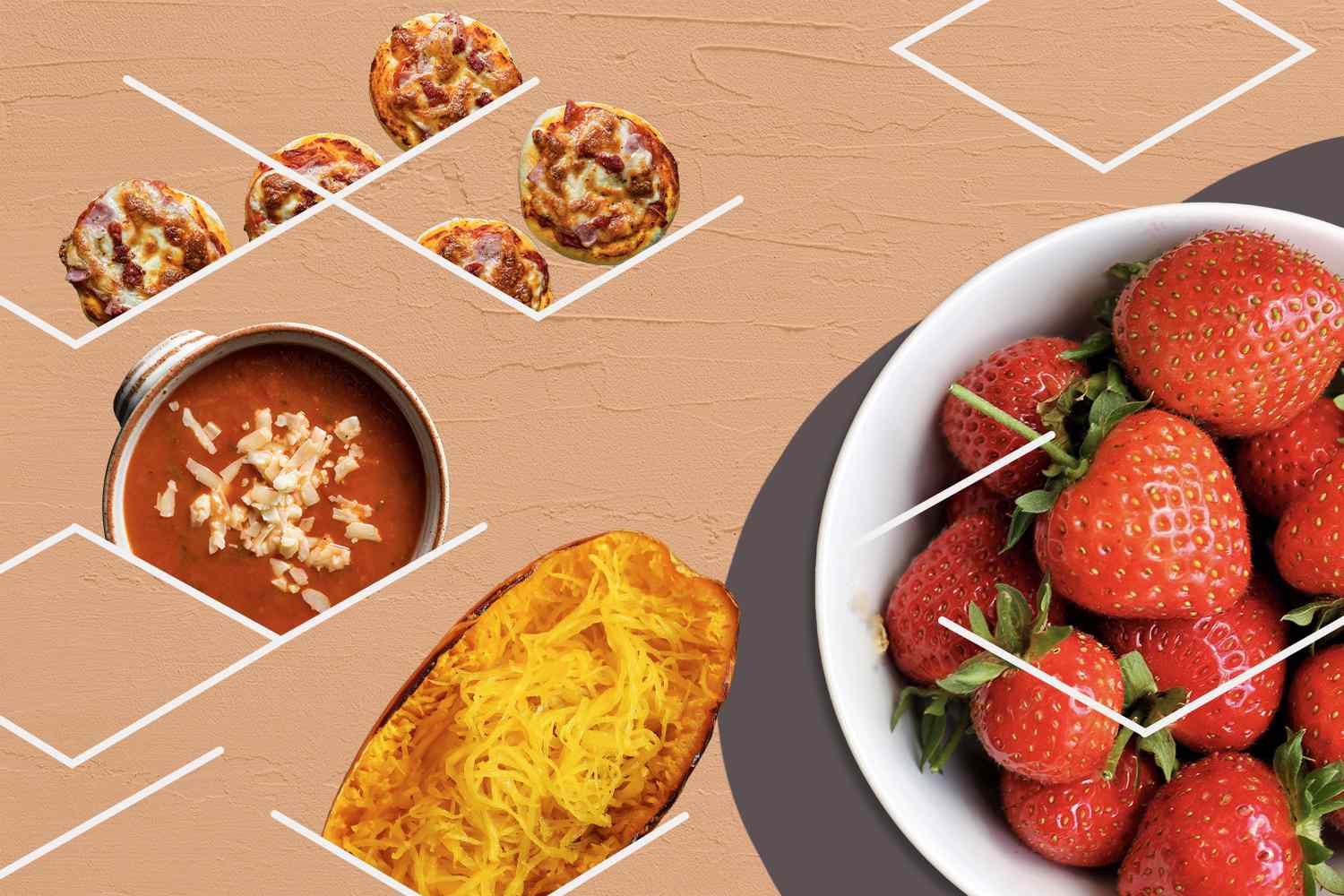
For high protein 1600 calorie meal prep ideas, try batch-cooking shredded chicken in a slow cooker or preparing a large tray of egg muffins. This ensures you always have a protein base ready to pair with leafy greens or complex carbohydrates.
1600 Calorie Grocery List Essentials for Beginners
- Proteins: Boneless skinless chicken breast, canned tuna in water, Greek yogurt (0% or 2%), eggs, firm tofu, and white fish.
- Complex Carbs: Steel-cut oats, quinoa, brown rice, and sweet potatoes.
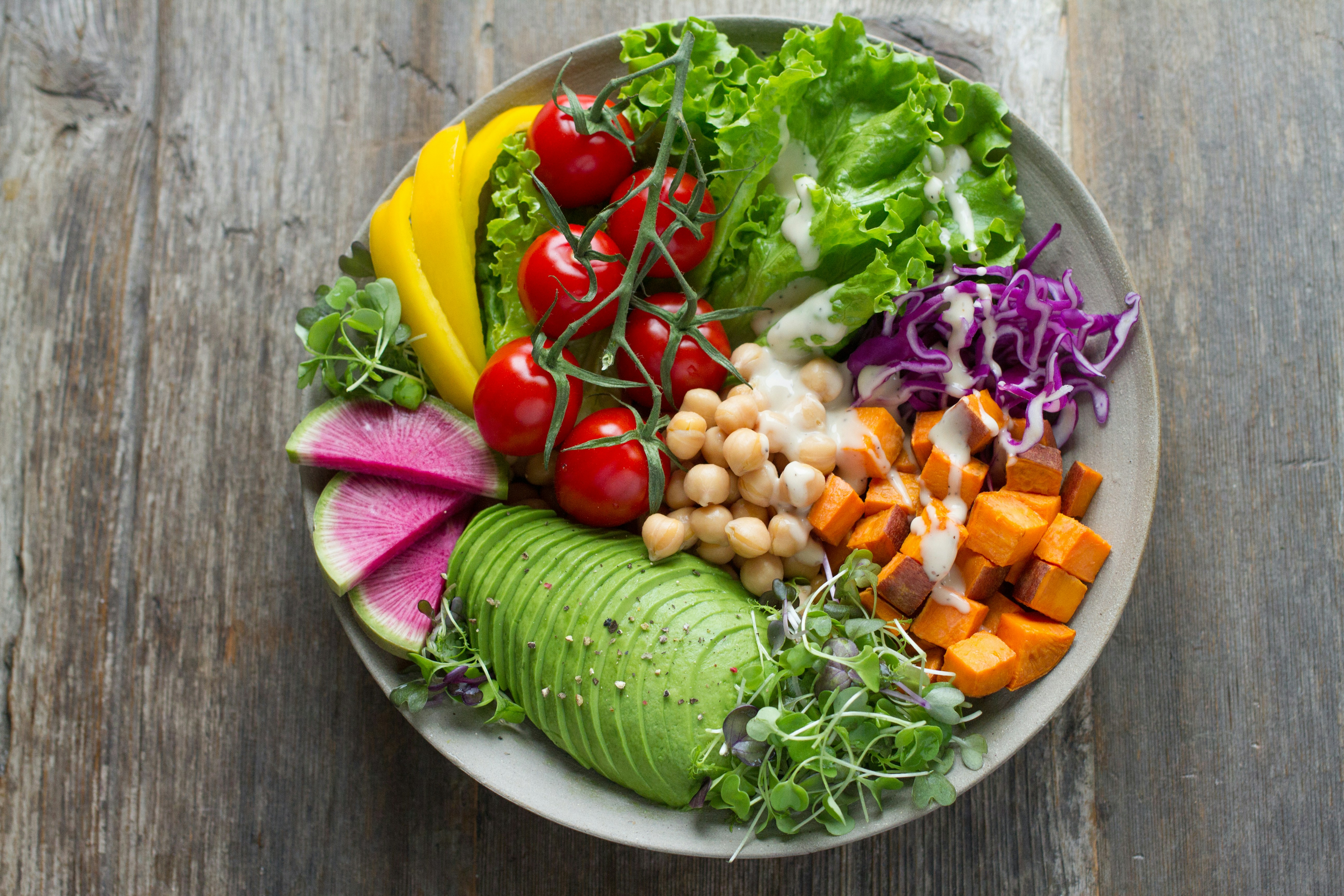
- Vegetables: Spinach, kale, broccoli, bell peppers, zucchini, and cauliflower (aim for variety in color).
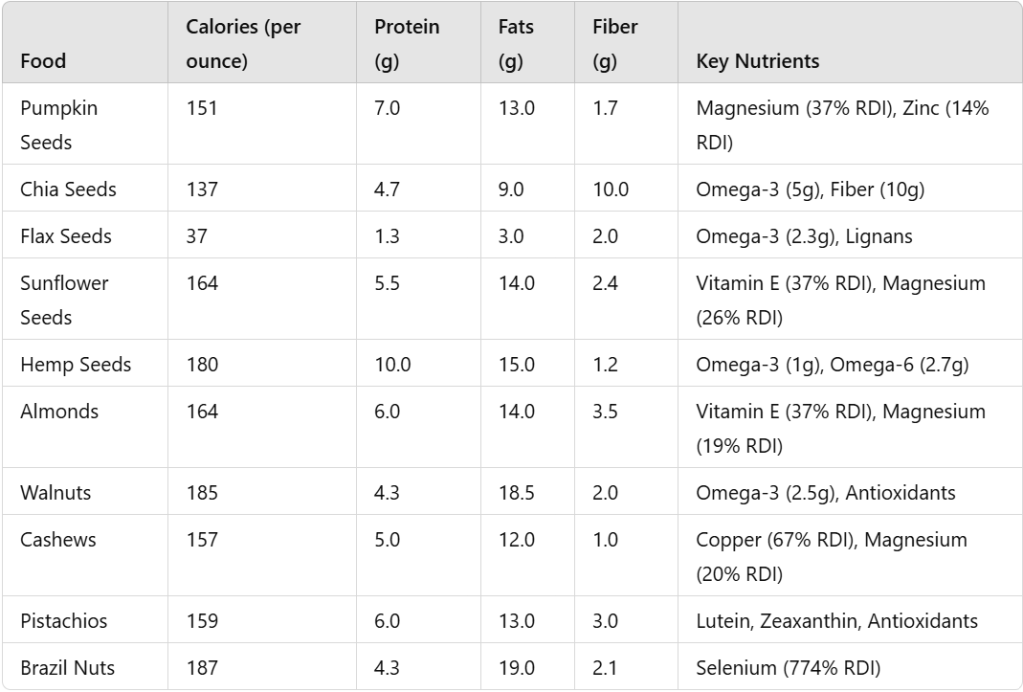
- Healthy Fats: Avocado, raw almonds, chia seeds, and extra virgin olive oil.
- Pantry Staples: Low-sodium broth, balsamic vinegar, and plenty of dried herbs/spices to add flavor without calories.
By sticking to this budget-friendly 1600 calorie diet plan, you focus on minimally processed ingredients that naturally keep you full. Remember to monitor your hydration status; often, what feels like hunger is actually mild dehydration. Aim for water, herbal tea, or black coffee to keep your metabolism humming.
FAQ
Is a 1600 calorie meal plan enough for weight loss?
For the majority of women and many sedentary men, 1,600 calories creates a significant enough deficit to stimulate fat loss. If your current maintenance level is 2,100 calories, this plan provides the 500-calorie daily reduction needed to lose approximately one pound of body fat per week. It is a sustainable level that allows for high nutrient density.
How much weight can I lose on 1600 calories a day?
Typically, users can expect to lose 1 to 2 pounds per week, which is the gold standard for healthy weight loss. This rate helps ensure that the weight lost is primarily body fat rather than muscle tissue. Your individual results will depend on your starting weight, metabolic rate, and activity levels.
What does a typical 1600 calorie day look like?
A typical day includes a protein-rich breakfast like Greek yogurt or eggs, a voluminous lunch such as a large turkey salad, a balanced dinner featuring lean meat and vegetables, and two small snacks. The goal is to eat every 3 to 4 hours to manage the satiety index and prevent energy dips.
How should I split my macros on a 1600 calorie diet?
While individual needs vary, a balanced macronutrient distribution often looks like 30% protein, 40% carbohydrates, and 30% fats. This translates to roughly 120g of protein, 160g of carbs, and 53g of fat. High protein is particularly important during a calorie deficit to protect lean muscle mass.
Is 1600 calories too low for someone who exercises?
It depends on the intensity. For light exercise like walking or yoga, 1,600 calories is usually sufficient. However, if you are performing high-intensity interval training (HIIT) or heavy weightlifting five days a week, you may need to increase your intake slightly to support recovery and prevent fatigue. Always listen to your body’s hunger cues and energy levels.