Quick Facts
- The Scale: This landmark umbrella review synthesized data from 45 meta-analyses involving nearly 10 million participants.
- The Findings: Researchers identified a clear link between high intake and 32 ultra-processed food risks, including heart disease and metabolic issues.
- Mortality Data: Consuming more than four servings of ultra-processed foods daily is associated with an 18% increase in all-cause mortality per additional serving.
- Mental Health Connection: High exposure correlates with an approximate 50% higher risk of anxiety and common mental disorders.
- The Tipping Point: In high-income countries like the United States, these products can account for up to 58% of total daily energy intake.
- The Nuance: Not all industrial foods are identical; for example, whole-grain ultra-processed breads may carry different risks than processed meats.
High intake of ultra-processed foods is associated with 32 adverse health outcomes, including increased risks of cardiovascular disease, type 2 diabetes, and all-cause mortality. These ultra-processed food risks are often linked to industrial additives and a lack of metabolic health support.

The BMJ Umbrella Review: Mapping 32 Health Risks
When we talk about nutrition science, we rarely see a study of this magnitude. This umbrella review, published in the British Medical Journal (BMJ), isn't just one study—it is a comprehensive analysis of 45 different meta-analyses. By looking at data from nearly 10 million participants, researchers have mapped out a terrifyingly clear picture of how industrial food production impacts the human body.
The study categorizes the evidence into different levels of certainty. The most convincing evidence points toward a direct link between high consumption and cardiovascular disease risks associated with ultra-processed foods. We aren't just talking about weight gain; we are talking about a 50% increased risk of cardiovascular disease-related death. Furthermore, the research found a highly significant ultra-processed foods and type 2 diabetes risk, showing that these foods fundamentally disrupt how our bodies manage insulin and glucose.
Beyond physical health, the BMJ study summary of 32 health risks from processed foods highlighted a staggering impact on our psychological well-being. There is now convincing evidence that high intake leads to a 48% to 53% higher risk of anxiety and common mental disorders. This suggests that the industrial additives and lack of nutrients in these foods may directly interfere with the brain-gut axis.
Perhaps most concerning is the dose-response relationship discovered by the researchers. This means that health risks do not just exist; they escalate with every additional serving you eat. If you are living in a region where these products make up up to 58% of total daily energy intake, the cumulative effect on all-cause mortality becomes a significant public health crisis. This observational research serves as a loud wake-up call for modern public health guidelines to shift away from merely counting calories and toward evaluating food quality and processing.
Identifying UPFs: The Kitchen Test and Label Red Flags
To protect your health, you first need to know what you are looking for. Scientists use the NOVA classification system to group foods into four categories based on the extent of processing. While minimally processed foods include things like fresh fruit or plain eggs, ultra-processed foods are industrial formulations. They are typically made from substances derived from foods (like lactose, gluten, and hydrogenated oils) and additives designed to make them hyper-palatable.
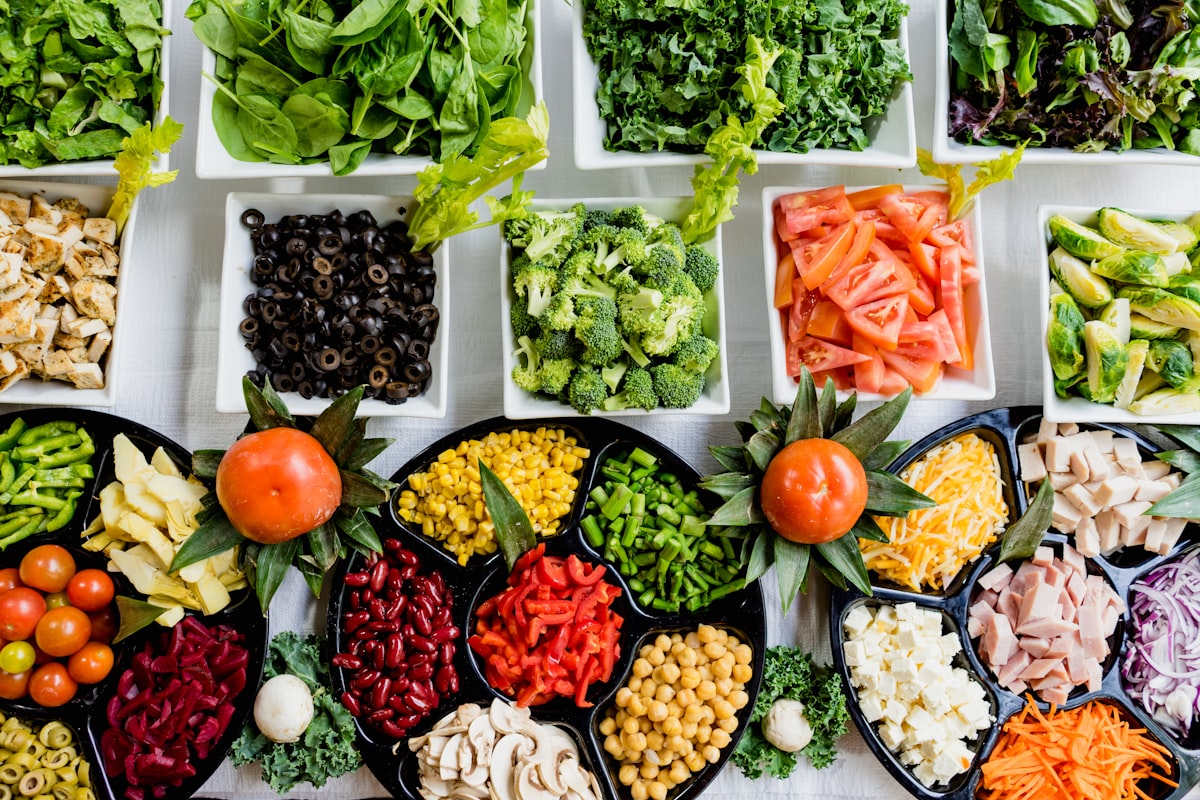
I always recommend my readers use the Kitchen Test for identifying ultra-processed foods. It is a simple mental model: look at the processed food ingredient labels and ask yourself if you have those ingredients in your home kitchen. If you see items like high-fructose corn syrup, maltodextrin, or soy protein isolate, you are looking at an ultra-processed product.
When learning how to identify ultra-processed foods on labels, you should look for specific red flags. These industrial additives are used to improve texture, shelf-life, and color, but they are often the primary drivers of gut inflammation and metabolic health issues.
Red Flag Ingredients to Watch For:
- Emulsifiers: Look for lecithin, mono- and diglycerides, or polysorbates. These can disrupt the protective lining of your gut.
- Thickeners and Gums: Ingredients like carrageenan, xanthan gum, and guar gum are common in "low-fat" or "non-dairy" ultra-processed items.
- Artificial Sweeteners: Aspartame, sucralose, and saccharin may alter the gut microbiome even if they have zero calories.
- Bulking Agents: Polydextrose and modified starches are used to give "fake" body to highly processed snacks.
The Nuance: Why Some Processed Foods are Different
As a nutrition editor, I believe it is important to avoid pure fear-mongering. The BMJ study offered some fascinating nuance that we shouldn't ignore. While the overall ultra-processed food risks are high, the study found that not all products in this category behave the same way in the body.
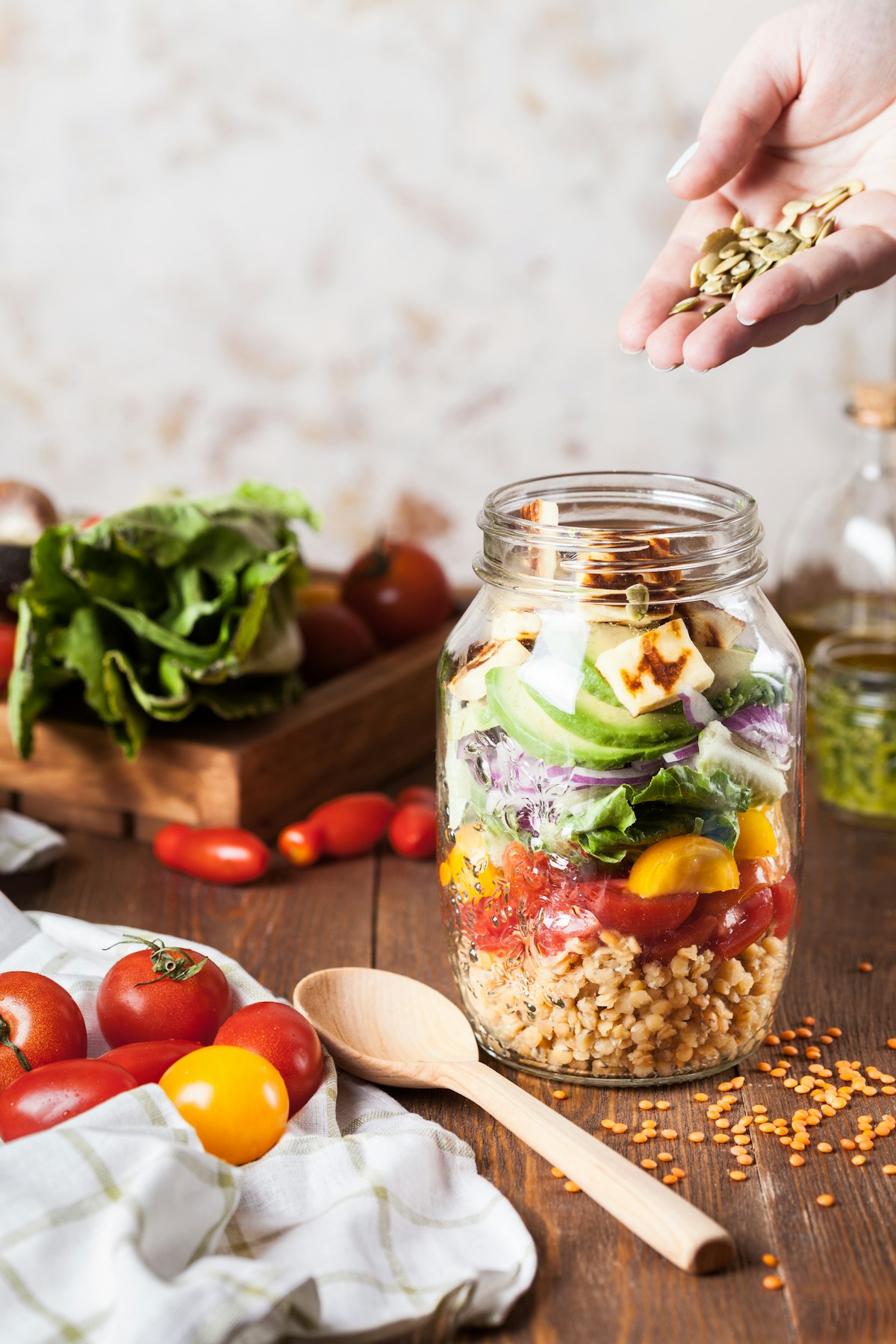
For instance, the researchers noted that high-fiber, ultra-processed whole-grain breads and cereals were actually associated with a lower risk of type 2 diabetes in some meta-analyses. This highlights that the dietary fiber deficiency found in most ultra-processed foods is one of the primary reasons they are so harmful. Fiber acts as a buffer for sugar absorption and a fuel source for beneficial bacteria.
When a food is stripped of its natural matrix—the complex structure of fiber, vitamins, and minerals—it leads to gut microbiome disruption. This disruption is a major factor in why animal-based processed meats and sugary drinks are so much more dangerous than a piece of packaged whole-grain toast. Minimally processed foods maintain this matrix, which supports metabolic health and keeps systemic inflammation low.

Practical Steps to Reduce UPF Intake
You don't have to overhaul your entire kitchen overnight. Reducing your intake is about making small, sustainable swaps that prioritize whole ingredients. The goal is to move your diet away from the 58% average and back toward a foundation of minimally processed foods.
Start by auditing your breakfast. Many people start their day with a "sugar bomb" in the form of ultra-processed cereal or flavored yogurt. By switching to plain Greek yogurt and adding your own fresh berries, you eliminate multiple industrial additives and excess sugar in one move.
UPF Swaps for Better Health
| Ultra-Processed Choice | Healthier Alternative | Why it Works |
|---|---|---|
| Flavored Instant Oatmeal | Steel-cut oats with cinnamon | Removes artificial flavors and reduces glycemic load. |
| Packaged Deli Meats | Leftover roasted chicken or turkey | Eliminates nitrates and excessive sodium. |
| Store-bought Salad Dressing | Olive oil and lemon juice | Avoids inflammatory seed oils and emulsifiers. |
| Fruit-flavored Fruit Snacks | A piece of whole fruit | Restores the natural dietary fiber and antioxidants. |
Implementing practical steps to reduce ultra-processed food intake often comes down to the two-ingredient rule. For staples like bread, yogurt, or nut butters, try to choose brands that have as few ingredients as possible—ideally just two or three. For example, peanut butter should ideally just be peanuts and salt.
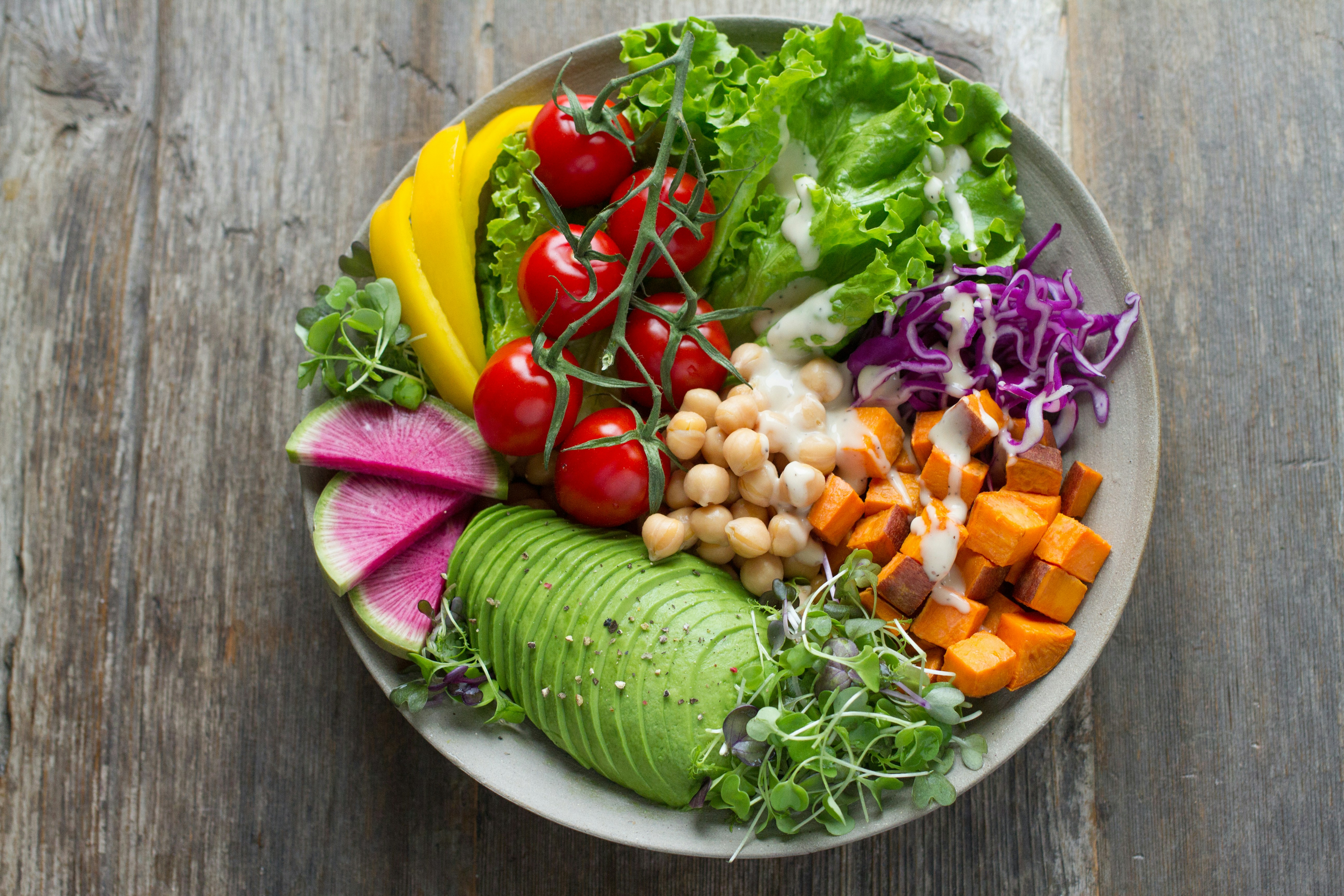
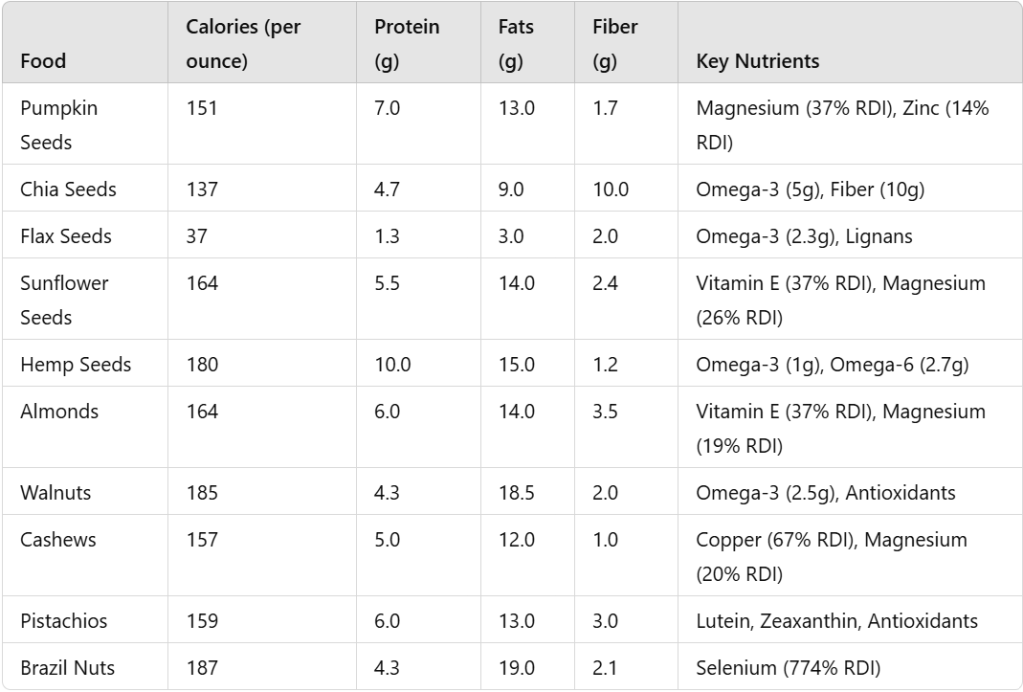
When looking for healthy alternatives to common ultra-processed snacks, reach for things that grow in the ground or come from a tree. Handfuls of raw almonds, carrot sticks with hummus, or air-popped popcorn are excellent choices that satisfy the urge to crunch without the metabolic consequences of industrial processing.
FAQ
What are the main health risks of ultra-processed foods?
The BMJ umbrella review identified 32 distinct health risks. The most significant are cardiovascular disease, type 2 diabetes, and obesity. However, the study also found strong links to mental health issues like anxiety and depression, as well as sleep problems and an overall increase in all-cause mortality. The risks are often higher for those who consume more than four servings of these foods daily.
How can you tell if a food is ultra-processed?
You can identify these foods by looking at the ingredient list for substances not normally found in a home kitchen. This includes items like emulsifiers, colorants, flavor enhancers, and high-fructose corn syrup. If the product has a long list of chemical-sounding names and is designed to have an extremely long shelf life, it likely falls into the ultra-processed category of the NOVA classification system.
What is the difference between processed and ultra-processed food?
Processed foods are typically made by adding salt, oil, or sugar to whole foods—think canned beans, salted nuts, or simple cheeses. They usually have two or three ingredients. Ultra-processed foods, however, are industrial formulations that go through multiple stages of processing and contain additives like thickeners and artificial sweeteners. While processed foods can be part of a healthy diet, ultra-processed foods are designed for hyper-palatability and long shelf lives at the expense of nutritional quality.
Can eating ultra-processed foods cause heart disease?
Yes, the BMJ study found convincing evidence that high intake is linked to a 50% increased risk of cardiovascular disease-related death. These foods contribute to heart disease by promoting systemic inflammation, increasing blood pressure through high sodium levels, and negatively impacting cholesterol and blood sugar levels. Sugary beverages and processed meats are particularly strong contributors to these cardiovascular risks.

How do ultra-processed foods impact gut health?
These products often cause gut microbiome disruption because they are low in fiber and high in additives. Emulsifiers and artificial sweeteners can thin the protective mucus layer of the gut, potentially leading to "leaky gut" and chronic inflammation. Because these foods are absorbed very quickly in the upper digestive tract, they starve the beneficial bacteria in the large intestine that rely on fiber to thrive.