Quick Facts
- The Fiber Gap: Approximately 95% of American adults and children fail to meet daily fiber targets, making it a critical nutrient of public health concern.
- Primary Warning Signs: Look for chronic constipation, pebble-like stool morphology, and post-meal energy crashes.
- The 40% Rule: High dietary fiber intake is associated with a 40% lower risk of coronary heart disease.
- Target Intake: Most women need 25 grams and men need 38 grams per day, yet only about 7% of U.S. adults currently meet these goals.
- The 2-3 Gram Rule: To avoid bloating, increase fiber intake gradually by adding only two to three grams per day.
- Hydration Requirement: You must consume at least 72 to 88 ounces of daily fluid intake to help fiber move through your system effectively.
Common low fiber signs include chronic constipation, irregular stool morphology, and constant hunger shortly after meals. If you are experiencing blood sugar spikes or dull skin, these are also strong fiber deficiency symptoms that suggest your diet may be lacking in essential plant-based roughage.
Section 1: Digestive Red Flags and Stool Morphology
When we discuss digestive health, the most obvious indicator of your internal state is often what you leave behind in the bathroom. Fiber is the structural component of plant foods that our bodies cannot digest. Instead of being absorbed, it passes through the small intestine into the colon, where it performs several essential tasks. If you are not consuming enough, the first thing you will notice is a significant change in gastrointestinal motility.
Without adequate fiber to provide bulk and hold water, waste moves slowly through the colon. This leads to the most common of the low fiber signs: chronic constipation. However, it is not just about the frequency of bowel movements; the actual stool morphology matters significantly. Stools that are hard, dry, or appear as small, disconnected fragments—often referred to as pebble-like—are classic fiber deficiency symptoms. This happens because there is not enough insoluble fiber to sweep the digestive tract and not enough soluble fiber to form a gel-like consistency that eases passage.
Beyond just comfort, maintaining regularity is a matter of long-term cardiovascular health. Research has shown that individuals who prioritize high-fiber diets enjoy a significantly lower risk of heart disease. This is largely because soluble fiber, also known as viscous fiber, binds to cholesterol particles in the digestive system and moves them out of the body before they can be absorbed into the bloodstream.
To find relief, many people look for the best high fiber foods for constipation relief, such as chia seeds, lentils, or pears. Understanding the difference between soluble and insoluble fiber benefits is key here. Insoluble fiber acts like a broom, speeding up gastrointestinal motility, while soluble fiber softens the stool. Both are necessary to prevent the straining and discomfort associated with a low-fiber lifestyle.
Section 2: Beyond the Gut: Metabolic and Systemic Warning Signs
While digestion is the primary focus, the effects of not eating enough fiber ripple through your entire metabolic system. One of the most frustrating signs you need more fiber in your diet is feeling hungry within an hour of eating a full meal. This occurs because fiber is a major regulator of satiety hormones. When you consume a meal rich in fiber, it slows down the rate at which food leaves your stomach. This physical volume triggers stretch receptors that signal your brain you are full, while also stimulating hormones like cholecystokinin (CCK) that suppress appetite.
Furthermore, fiber plays a pivotal role in managing your glycemic index. When you eat refined carbohydrates without fiber, your blood sugar spikes rapidly and then crashes, leading to irritability and "brain fog." Fiber acts as a buffer, slowing the absorption of sugar and ensuring a steady release of energy. If you find yourself reaching for a sugary snack every afternoon, it might not be a lack of willpower, but rather a lack of fiber-rich legumes and pulses at lunch.
There are also fiber deficiency symptoms beyond digestive issues that many people fail to recognize. For instance, did you know that your skin health is closely linked to your fiber intake? This is known as the gut-skin axis. A diet low in fiber can lead to poor microbiota diversity. When the beneficial bacteria in your gut do not have enough prebiotics—the fermentable fibers they feed on—it can lead to systemic inflammation. This inflammation often manifests on the surface as dull skin, acne flare-ups, or premature aging.

By fostering gut fermentation of healthy fibers, your body produces short-chain fatty acids that help maintain the integrity of the intestinal barrier and keep your skin looking vibrant. Additionally, a healthy gut microbiome is responsible for producing a large portion of the body's serotonin, meaning that fiber intake can even influence your mood and emotional stability.

Section 3: Knowing Your Target: Age-Stratified Daily Fiber Needs
Understanding exactly how much fiber you need is the first step toward correcting a deficiency. Most people are shocked to learn that they are likely only consuming about 10 to 16 grams of fiber per day, which is far below the medical recommendation. The following table outlines the daily targets based on age and gender to help you identify your specific "fiber gap."
| Age Group | Gender | Daily Fiber Target (Grams) |
|---|---|---|
| Under 50 | Female | 25g |
| Under 50 | Male | 38g |
| Over 50 | Female | 21g |
| Over 50 | Male | 30g |
While these targets are ideal for the general population, it is important to note that more is not always better for everyone. If you are currently experiencing a gastrointestinal flare (such as an IBD flare-up) or are recovering from certain types of abdominal surgery, your doctor might recommend a low-residue diet temporarily. In these specific clinical cases, high fiber intake could actually aggravate the digestive lining. However, for the vast majority of the 93% of adults who are falling short, reaching these daily totals is essential for preventing chronic disease and maintaining a healthy weight.
Section 4: High Fiber Food Swaps: This vs. That
Transitioning to a high-fiber diet does not mean you have to eat nothing but steamed kale. Small, strategic high fiber food swaps can make a massive difference over the course of a week. The goal is to focus on whole plant foods rather than processed products that have "isolated" or "synthetic" fibers added back into them. Synthetic fibers often don't provide the same heart-health benefits or the same level of satiety as the naturally occurring fibers found in whole grains and vegetables.

Use the following comparison to upgrade your daily meals:
| Instead of... | Try... | Fiber Benefit |
|---|---|---|
| White Rice | Quinoa or Brown Rice | Adds 3-5g of fiber per serving |
| Potato Chips | Air-popped Popcorn | A whole grain snack that satisfies crunch |
| Orange Juice | A Whole Orange | Retains the essential pectin and pulp |
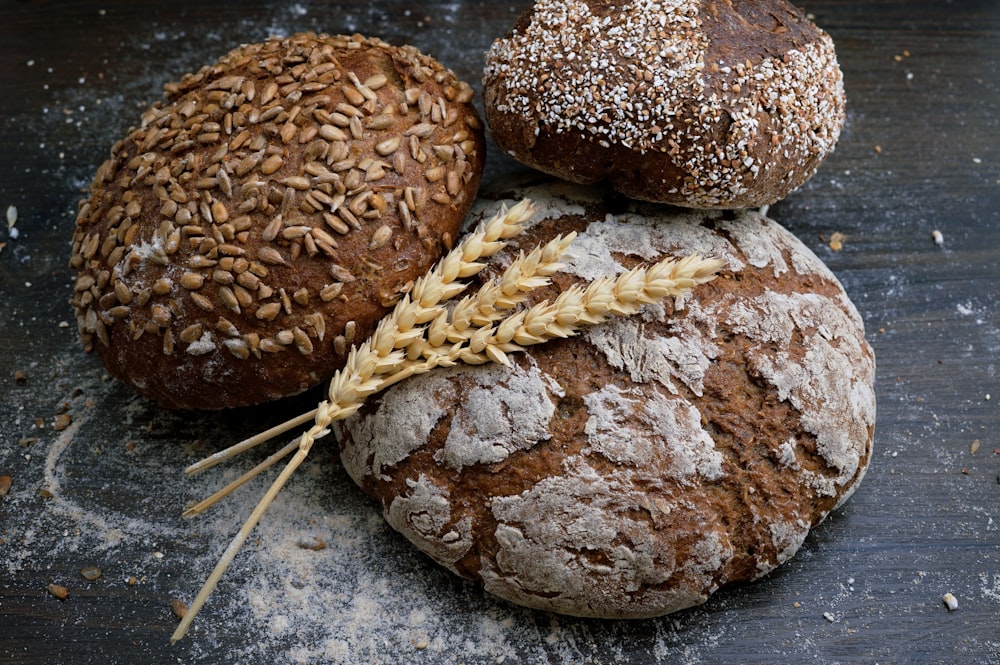
| White Bread | Sprouted Grain Bread | Higher in protein and complex fiber |
| Meat-only Chili | Chili with Extra Beans | Legumes and pulses add significant bulk |
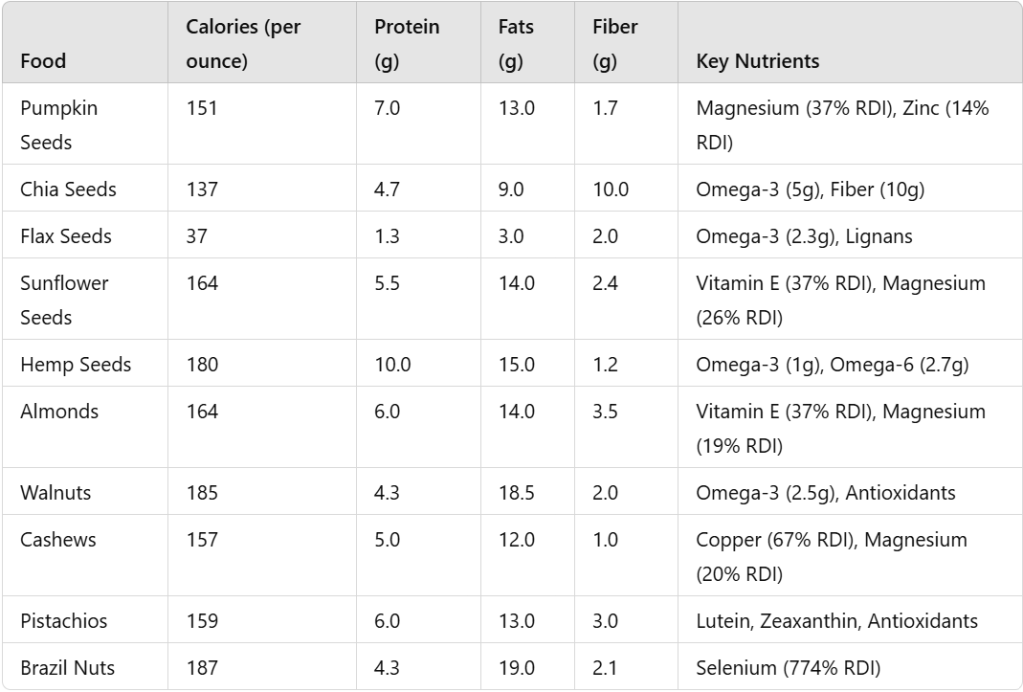
If you struggle to get started in the morning, consider some high fiber breakfast ideas for better digestion. Adding a tablespoon of ground flaxseeds or chia seeds to your yogurt can add 4 to 5 grams of fiber instantly. Starting your day with a savory bowl of oatmeal topped with berries and pumpkin seeds sets a stable glycemic tone for the rest of your afternoon.

Section 5: The 'Low and Slow' Protocol to Increase Intake Safely
One of the biggest mistakes people make when they realize they have low fiber signs is trying to fix the problem overnight. If you go from eating 10 grams of fiber to 35 grams in a single day, you will likely experience significant discomfort, including gas, cramping, and severe bloating. This happens because your gut microbiome needs time to adjust its population of bacteria to handle the increased load of fermentable material.
To avoid this, follow the "Low and Slow" protocol:
- The 2-3 Gram Rule: Increase your intake by only 2 to 3 grams every few days. For example, add a small side of broccoli to your dinner for three days before adding a serving of raspberries to your breakfast.
- Prioritize Hydration: Fiber works like a sponge. If there isn't enough water in your system, the fiber can actually contribute to constipation rather than relieving it. Aim for a daily fluid intake of at least 72 ounces for women and 88 ounces for men.
- Chew Thoroughly: Digestion begins in the mouth. Breaking down the tough cellulose walls of plants through chewing helps your stomach and small intestine process the fiber more easily.
- Watch the Ceiling: While fiber is healthy, consuming more than 50-70 grams a day can lead to mineral malabsorption, as fiber can bind to nutrients like calcium, zinc, and iron before they are absorbed.
By taking a measured approach, you can successfully resolve your fiber deficiency symptoms without the unwanted side effects of rapid dietary changes.

FAQ
What are the signs of not eating enough fiber?
The most common indicators include chronic constipation and stool that appears hard or pebble-like. You may also notice that you feel hungry shortly after eating, experience frequent energy crashes due to blood sugar fluctuations, or have skin that looks dull and congested.
Can a low fiber diet cause constipation?
Yes, a lack of fiber is one of the leading causes of constipation. Fiber provides the necessary bulk to the stool and helps maintain consistent gastrointestinal motility, ensuring that waste moves through the colon at a healthy pace.
How much fiber should I have per day?
Most health organizations recommend 25 grams per day for adult women and 38 grams per day for adult men under the age of 50. For those over 50, the recommendations drop slightly to 21 grams for women and 30 grams for men.
Can a low fiber diet lead to high blood sugar?
A low fiber intake can lead to more rapid spikes in blood glucose because there is no "buffer" to slow down the absorption of sugar from your meals. Over time, these frequent spikes and subsequent insulin responses can contribute to poor glycemic control.
How can I increase my fiber intake safely?
The best way to increase fiber without experiencing bloating is to use a low and slow approach. Add no more than two to three grams of fiber to your daily diet every few days and significantly increase your daily fluid intake to ensure the fiber can move through your digestive tract effectively.
Correcting a fiber deficiency is one of the most impactful changes you can make for your long-term health. By paying attention to the warning signs your body provides and making gradual, whole-food swaps, you can support your gut microbiome, stabilize your energy, and protect your heart for years to come.