Quick Facts
- Primary Goal: Aim for a 17-30% reduction in LDL cholesterol through strategic dietary choices.
- Key Nutrient: Consuming 2g of plant sterols daily can significantly block cholesterol absorption.
- Top Benefit: Up to 80% of premature heart disease is preventable through lifestyle and diet.
- Daily Habit: One serving of legumes daily is linked to a measurable 5% drop in LDL levels.
- Snack Strategy: Eating nuts five times a week can lower cardiovascular disease risk by 14%.
- The Portfolio Effect: Combining soy, nuts, plant sterols, and soluble fiber creates a synergistic cholesterol-lowering impact.
Incorporating cholesterol lowering foods like oats, legumes, and nuts rich in soluble fiber and phytosterols can significantly lower LDL levels naturally by blocking cholesterol absorption in the gut. By prioritizing these nutrient-dense options, you can actively manage your lipid profile and support long-term cardiovascular health without relying solely on clinical interventions.
1. Oats and Barley: The Power of Beta-Glucan
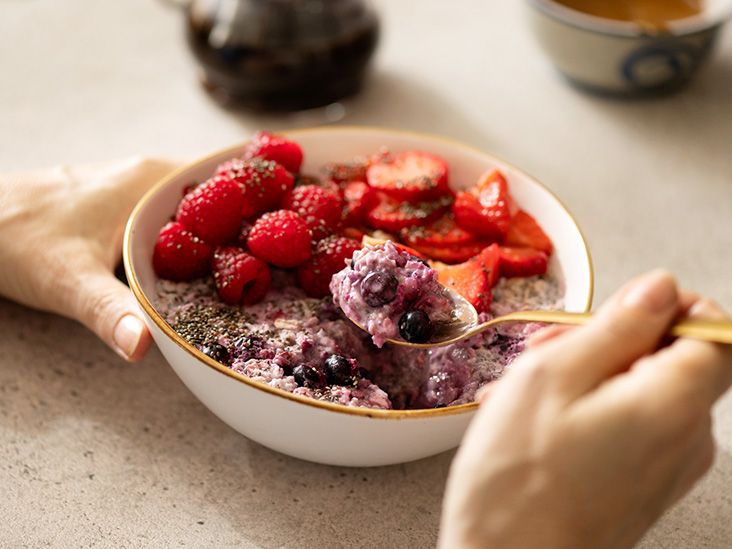
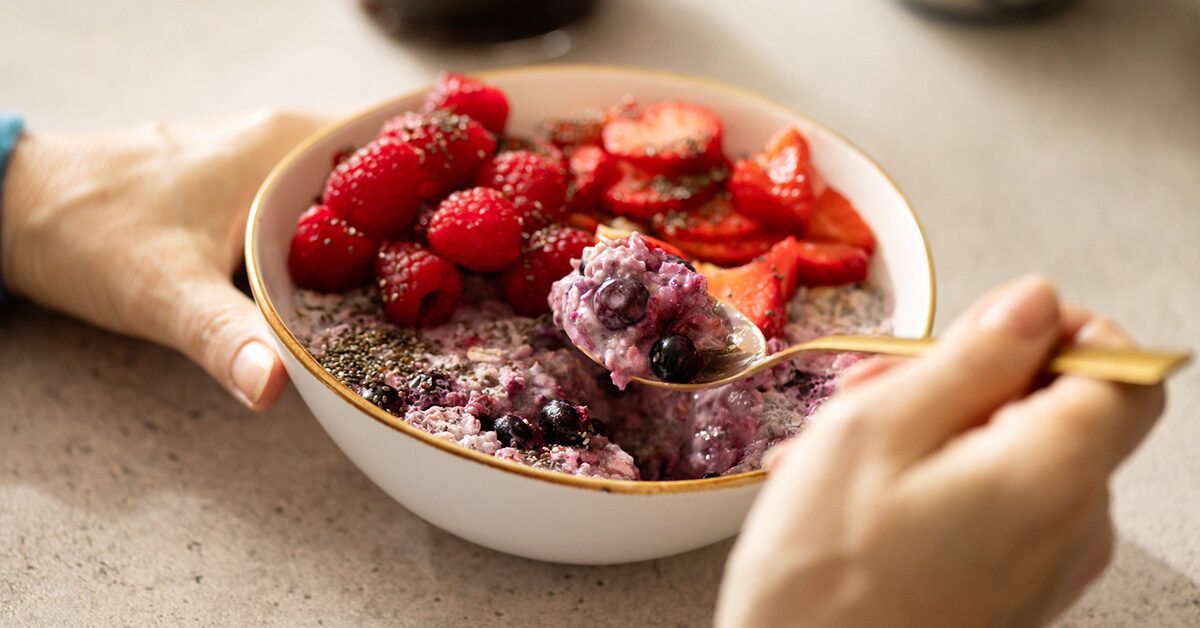
When you start your journey toward cardiovascular disease prevention, your first stop should be the cereal aisle—but not for the sugary boxes. Whole grains like oats and barley are foundational cholesterol lowering foods because they are packed with a specific type of soluble fiber called beta-glucan.
From a biological perspective, beta-glucan is fascinating. When you eat it, it dissolves into a thick, gel-like substance in your digestive tract. This gel acts like a sponge, trapping cholesterol and bile acids (which the body makes from cholesterol) and carrying them out of the body as waste. This process forces your liver to pull more LDL out of your blood to create more bile, effectively lowering your circulating levels.
Barley offers a similar benefit and is an excellent addition to soups and stews. Both are quintessential high fiber foods for heart health and cholesterol management. Because these grains are shelf-stable and inexpensive, they are also among the most budget-friendly cholesterol lowering foods available today. I often recommend my readers prep a large batch of steel-cut oats on Sunday to ensure they have a heart-healthy start to every morning.
2. Legumes: The LDL-Lowering Superstars
If I could recommend one major shift in your diet to lower LDL levels, it would be to replace a few meat-based meals each week with legumes. This category includes beans, chickpeas, lentils, and peas. They are nutritional powerhouses, providing a combination of high-quality plant protein and massive amounts of soluble fiber.
The evidence for legumes is compelling. Clinical research indicates that eating one daily serving of legumes, such as beans, chickpeas, or lentils, is associated with a 5% reduction in low-density lipoprotein (LDL) cholesterol levels. This is a significant result for such a simple dietary addition.
Beyond the fiber, legumes have a low glycemic index, which helps stabilize blood sugar and reduces the inflammatory markers often associated with heart disease. Whether you are adding black beans to a taco, lentils to a salad, or chickpeas to a Mediterranean bowl, these versatile staples are essential budget-friendly cholesterol lowering foods that satisfy your hunger while protecting your arteries.
3. Nuts and Seeds: Nature's Phytosterols
Nuts and seeds are often overlooked because of their calorie density, but they are actually some of the best foods for heart health when consumed in moderation. The secret lies in their high concentration of phytosterols (plant sterols). These compounds have a chemical structure very similar to cholesterol, which allows them to compete for space during the absorption process in your small intestine.
Think of it like a game of musical chairs: if the phytosterols take the "seats" in your digestive system, the actual cholesterol has nowhere to go and is eventually eliminated. The clinical impact is impressive; research shows that consuming one serving of nuts at least five times per week can lower the risk of cardiovascular disease by 14% and coronary heart disease by 20%.
- Almonds: High in vitamin E, which protects against the oxidation of LDL.
- Walnuts: One of the best plant-based sources of omega-3 fatty acids.
- Chia and Flax: Excellent for adding soluble fiber to smoothies or yogurt.
For those with busy schedules, keeping a small container of unsalted almonds or walnuts in your bag provides convenient cholesterol lowering snacks for on-the-go.
4. Fatty Fish: Omega-3s and Triglycerides
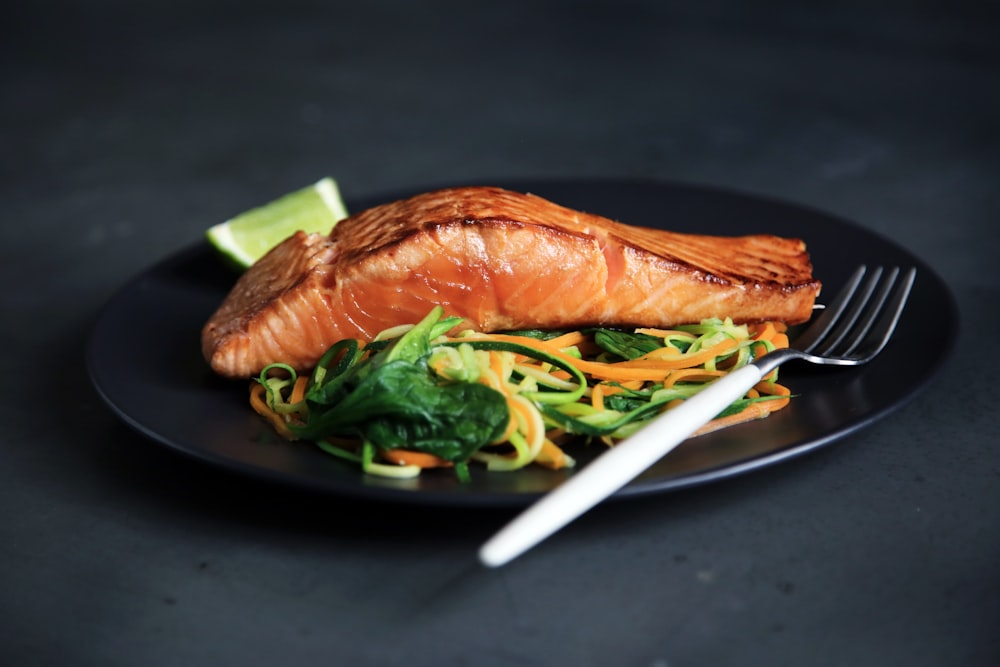
While most cholesterol lowering foods focus on stripping away LDL, fatty fish like salmon, mackerel, and sardines work by improving the overall lipid landscape. These fish are the primary source of long-chain omega-3 fatty acids, which play a critical role in heart health by reducing inflammation and lowering triglycerides.
Triglycerides are a type of fat found in your blood; having high levels alongside high LDL significantly increases the risk of plaque buildup. By consuming fatty fish twice a week, you provide your body with the tools to support HDL cholesterol—the "good" kind that scavenges excess cholesterol from the bloodstream and returns it to the liver.
If you aren't a fan of fish, you can still find these essential fats in algae-based supplements, but getting them from whole food sources provides additional minerals and high-quality protein. When planning your meals, look for wild-caught options to maximize the nutrient profile and minimize exposure to environmental contaminants. This is a hallmark of the best foods for heart health.
5. Healthy Fats: Olive Oil and Avocados
A common misconception in nutrition is that a low-cholesterol diet must be a low-fat diet. In reality, it is about the type of fat you choose. Shifting your heart-healthy eating habits toward monounsaturated fats found in olive oil and avocados can make a world of difference.
These fats are stable and heart-protective. Specifically, extra virgin olive oil is rich in polyphenols that prevent LDL from becoming oxidized. Oxidized LDL is particularly dangerous because it is more likely to stick to arterial walls and form plaques. Replacing butter, lard, or shortening with olive oil is a foundational heart-healthy fats for a low-cholesterol diet strategy.
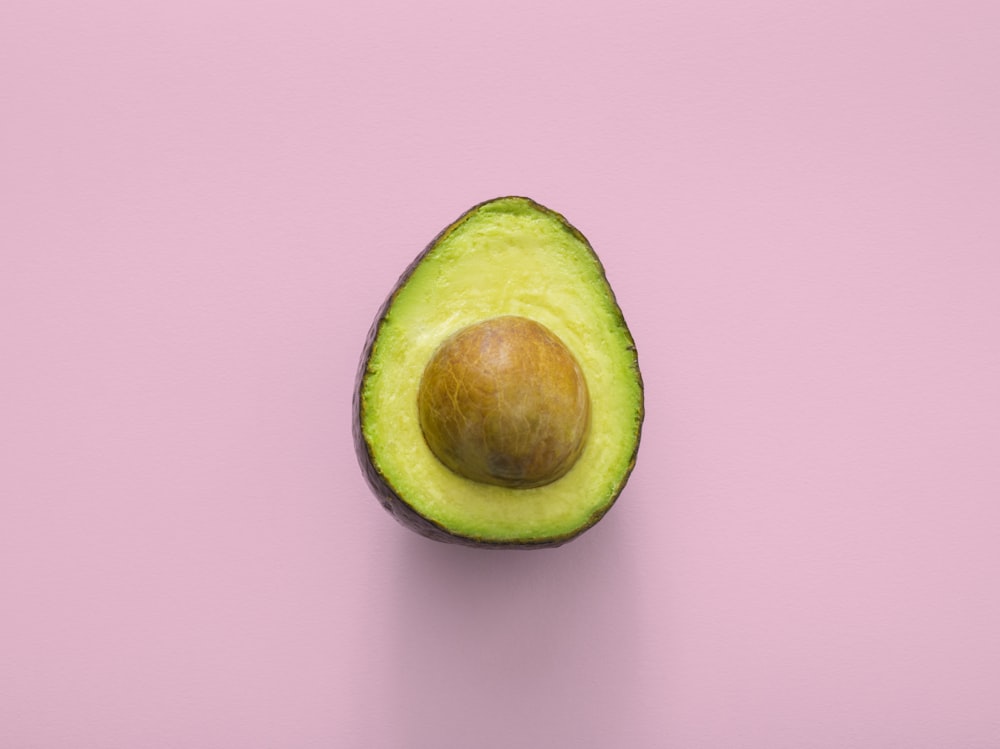
Avocados are another "superfood" in this category. They are unique because they provide both monounsaturated fats and a surprising amount of fiber. Adding a few slices to your morning toast or using mashed avocado as a sandwich spread instead of mayo is a simple way to increase your intake of these protective nutrients.
6. Soy Protein and the Portfolio Diet
One of the most effective evidence-based strategies in my toolkit is the Portfolio Diet. This is a plant-forward eating pattern that combines several cholesterol lowering foods to achieve results comparable to low-dose statin medications for some individuals. A key component of this "portfolio" is soy protein.
Research has consistently shown that replacing animal proteins—which are often high in saturated fat—with soy protein can help lower LDL. Saturated fat is a primary driver of high cholesterol because it signals the liver to produce more of it. By switching to tofu, tempeh, or edamame, you are effectively removing the "bad" and adding the "good" simultaneously.
Learning how to follow the portfolio diet for beginners usually starts with small swaps. You don't have to become a vegan overnight. Instead, try using soy milk in your morning latte or swapping out one beef dinner for a flavorful tofu stir-fry. When you combine soy with the other pillars of the diet—soluble fiber, nuts, and plant sterols—you can achieve a synergistic reduction in cholesterol that single foods cannot match alone.
Smart Kitchen Swaps: Cooking for Heart Health
Changing what you eat is only half the battle; how you prepare those foods matters just as much. To maintain consistent heart-healthy eating habits, you need a kitchen strategy that reduces hidden saturated fats and sodium.
| Instead of This... | Try This Swapping Strategy | Benefit |
|---|---|---|
| Butter or Lard | Extra Virgin Olive Oil | Increases monounsaturated fats |
| Sour Cream | Plain Greek Yogurt | Reduces saturated fat, adds protein |
| Heavy Cream | Blended Silken Tofu | Lowers cholesterol, adds soy protein |
| Salt Shaker | Fresh Herbs and Lemon | Manages blood pressure |
| White Rice | Quinoa or Barley | Adds soluble fiber (beta-glucan) |
| Vegetable Oil | Applesauce (in baking) | Reduces total fat and calories |
I also recommend the "chilling method" for homemade soups and stews. If you make a meat-based broth, let it sit in the refrigerator overnight. The saturated fat will solidify at the top, allowing you to easily scrape it off and discard it before reheating, leaving you with a much leaner meal.
FAQ
What are the best foods to lower cholesterol quickly?
While diet is a long-term strategy, the fastest results usually come from increasing soluble fiber and plant sterols. Foods like oats, beans, and sterol-fortified spreads can begin to influence your cholesterol levels within a few weeks. However, "quick" in the world of lipid management typically means seeing changes on a blood test after three to six months of consistent dietary modification.
How long does it take to lower cholesterol with diet?
Most clinical studies measure changes in lipid profiles over a 12-week period. If you strictly adhere to a diet rich in cholesterol lowering foods and reduce your intake of saturated fats, you can expect to see significant improvements in your LDL and triglyceride levels within three months. Consistency is more important than perfection in the first few weeks.
Can you lower cholesterol just by eating certain foods?
For many people, dietary changes alone can lead to a 10-30% reduction in LDL cholesterol. However, genetics also play a role. While eating the right foods is a powerful tool for cardiovascular disease prevention, some individuals with familial hypercholesterolemia may still require medication alongside a heart-healthy diet. Always consult with your healthcare provider to find the right balance for your specific needs.
Which fruits and vegetables help lower cholesterol?
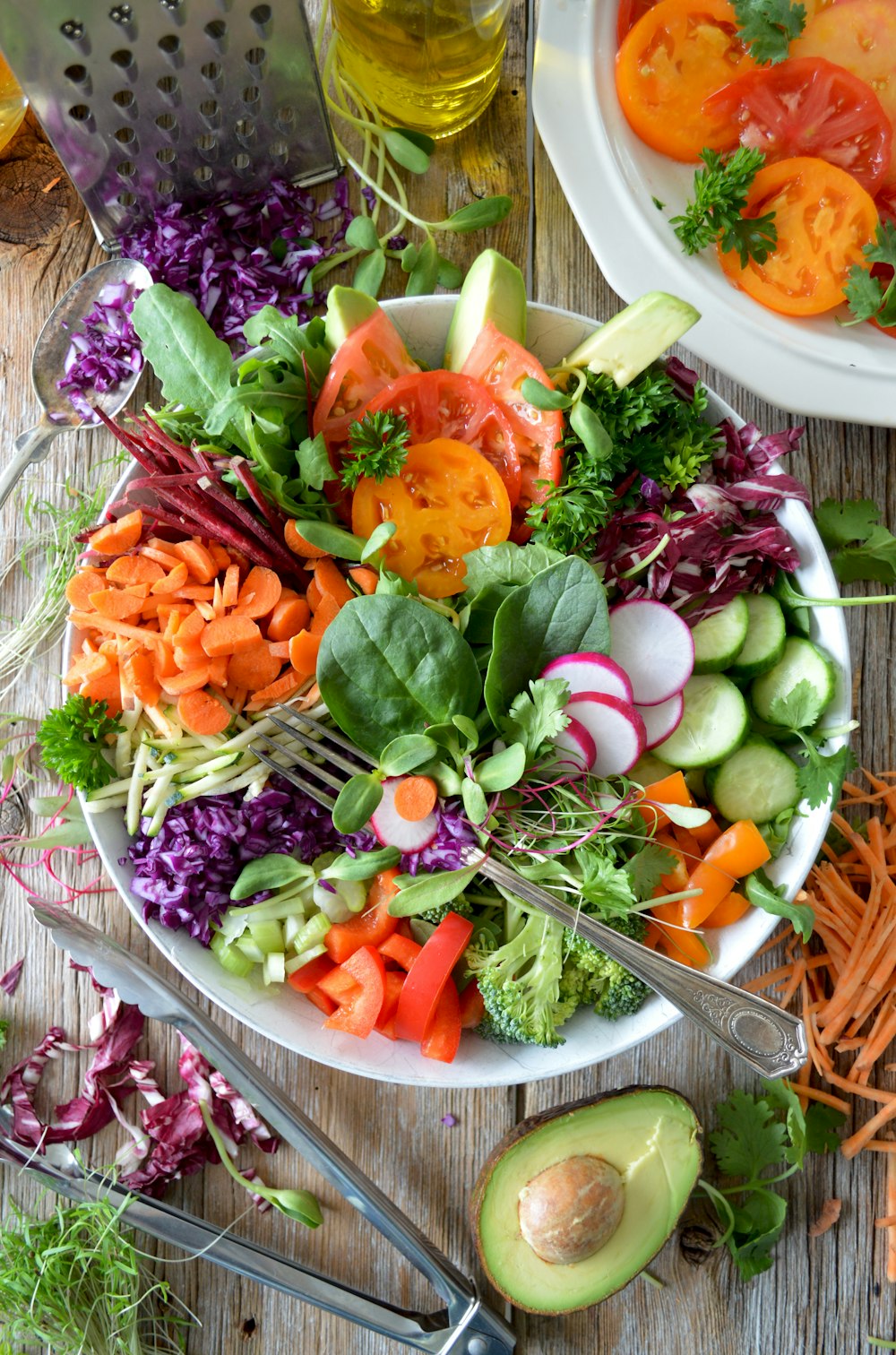
All vegetables are beneficial, but those high in soluble fiber are the real stars. This includes Brussels sprouts, broccoli, carrots, and sweet potatoes. Among fruits, apples, grapes, strawberries, and citrus fruits are excellent because they are high in pectin, a type of soluble fiber that lowers LDL. Dark leafy greens like kale and spinach are also essential as they contain lutein and other carotenoids linked to lower risks of heart disease.
Can nuts like almonds and walnuts lower cholesterol?
Yes, absolutely. Almonds and walnuts are among the best foods for heart health. Almonds are rich in monounsaturated fats and fiber, while walnuts provide essential omega-3 fatty acids. Both contain plant sterols that physically block the absorption of cholesterol in the gut. Just remember to choose raw or dry-roasted, unsalted versions to avoid unnecessary sodium and added oils.
Conclusion: Your 2026 Heart Health Roadmap
As we look toward the future of wellness, the evidence is clearer than ever: your plate is your most powerful tool for cardiovascular disease prevention. By the standards set for 2026, a heart-healthy lifestyle isn't about restriction; it's about the abundance of the right nutrients.
By centering your meals around cholesterol lowering foods—the fiber in oats, the protein in legumes, the healthy fats in fish and olive oil, and the phytosterols in nuts—you are building a "portfolio" of protection. These habits don't just lower a number on a lab report; they improve your energy, reduce systemic inflammation, and pave the way for a longer, more vibrant life. Start with one swap today, perhaps a bowl of oatmeal or a handful of walnuts, and let those small choices compound into a lifetime of heart health.