Quick Facts
- Success Rate: Clinical studies show between 50% and 86% of patients with irritable bowel syndrome (IBS) experience significant symptom reduction.
- Core Focus: Temporarily eliminating fermentable carbohydrates to identify digestive triggers.
- Phase 1 Duration: Typically lasts 2-6 weeks under professional guidance.
- Primary Benefit: Rapid relief for 75% of responders within the first seven days.
- Key Ingredients: Focuses on lactose-free dairy, gluten-free grains, and specific low-fiber produce.
- Prep Strategy: Emphasizes batch cooking and garlic-infused olive oil for flavor without flares.
Start your journey to gut health with our comprehensive 7-day low FODMAP meal plan. Designed for beginners, this IBS-friendly meal prep guide uses nutrient-dense whole foods to reduce bloating and inflammation. A low FODMAP meal plan is a therapeutic elimination diet designed to identify food triggers for individuals with irritable bowel syndrome (IBS) or small intestinal bacterial overgrowth (SIBO). It involves temporarily restricting fermentable short-chain carbohydrates, such as fructans and galactans, which often cause gas, bloating, and abdominal pain. By focusing on digestive-friendly proteins, grains, and specific produce, this plan helps reduce gut inflammation and manage symptoms during the elimination phase.
The Three Phases: More Than Just a Diet
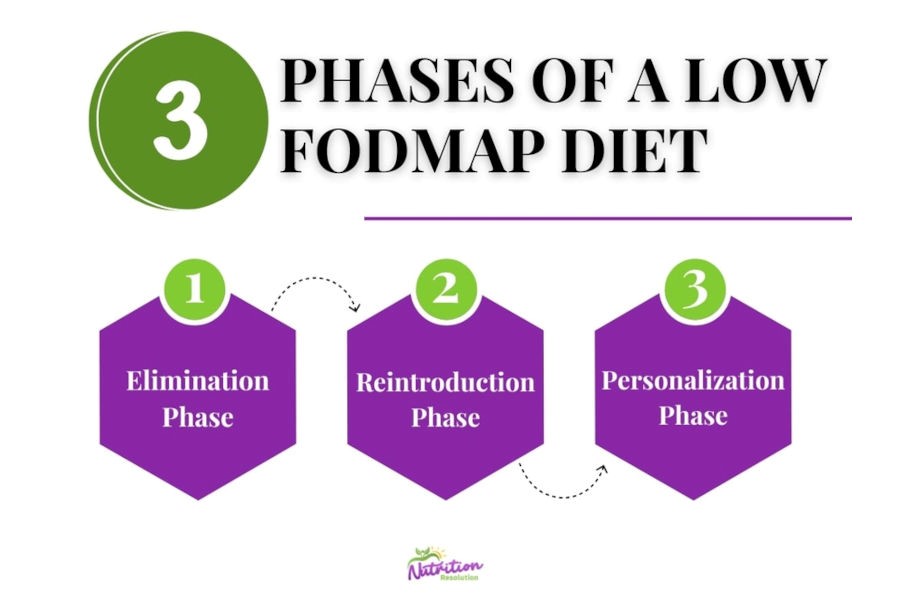
When patients come to me feeling overwhelmed by their digestive symptoms, I always remind them that this protocol is a diagnostic tool, not a forever sentence. The process is divided into three distinct stages: elimination, reintroduction, and personalization. During the elimination phase, we remove high-FODMAP foods to calm the gut. Research indicates that approximately 75% of individuals with IBS who respond to the diet report initial symptom relief within the first week of the intervention.
The reintroduction phase is perhaps the most critical. This is where you systematically test specific groups of fermentable carbohydrates to see which ones your body can handle. Without this step, you risk unnecessary long-term restriction, which can impact your microbiome diversity. Because this process is complex, I highly recommend registered dietitian supervision to ensure you are meeting your nutritional needs while navigating a low FODMAP elimination phase sample menu. Keeping a symptom management log during this time is essential for tracking how your body reacts to different fructans and galactans.
Master Your Kitchen: Low FODMAP Batch Cooking for Busy Schedules
One of the biggest hurdles my clients face isn't a lack of willpower, but a lack of time. In fact, lack of time to organize daily food plans is frequently cited as a primary reason for poor adherence to the diet. To combat this, I advocate for a component-based approach to IBS friendly meal prep. Instead of cooking individual meals every night, spend a few hours on Sunday preparing large batches of versatile, safe ingredients.
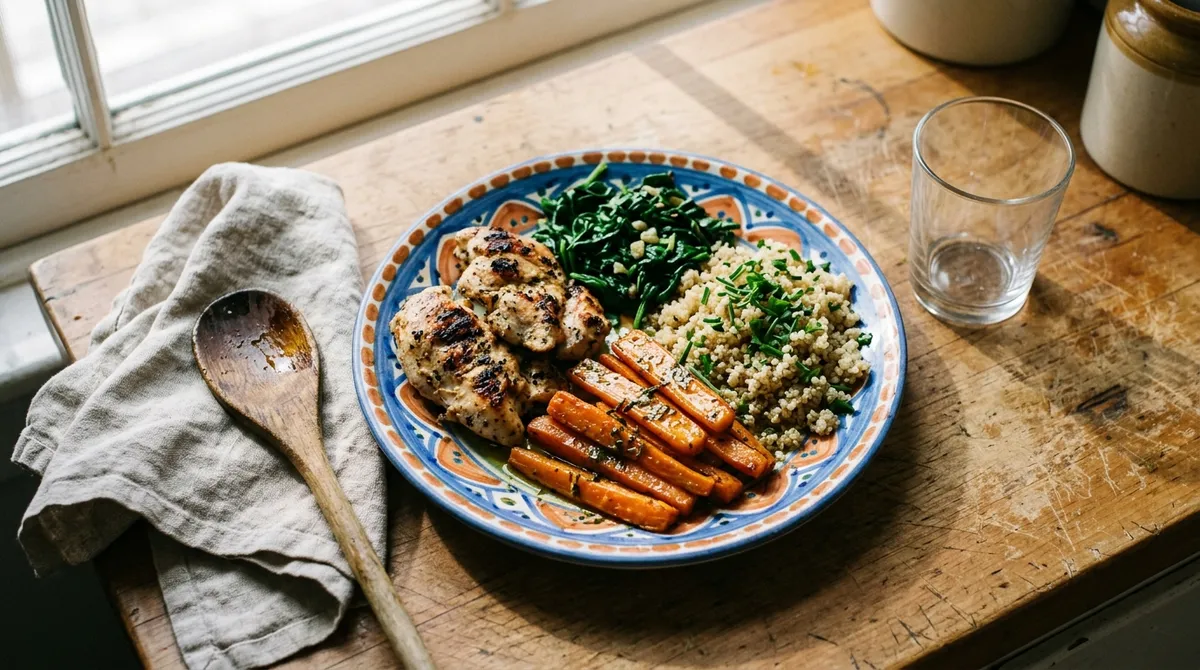
Start by roasting a large tray of chicken breasts or firm tofu seasoned with salt, pepper, and dried herbs. Simultaneously, cook a large pot of quinoa or brown rice. These serve as your base proteins and grains for the week. Using sheet pans for roasted vegetables like carrots and zucchini allows you to cook multiple servings at once. If you are short on time, one pot low FODMAP recipes for meal prep—like a hearty beef stew made with common low FODMAP vegetables—can be portioned and frozen. Remember that most prepped meals stay fresh in the fridge for 3 to 4 days, so plan to freeze half your batch if you are doing low FODMAP batch cooking for busy schedules.
Pro-Tip: Traditional garlic and onion are off-limits, but you don't have to eat bland food. Use garlic-infused olive oil to get that savory aroma. Since FODMAPs are water-soluble but not oil-soluble, the flavor transfers to the oil without the gut-triggering compounds.
The 7-Day Low FODMAP Menu for IBS Relief
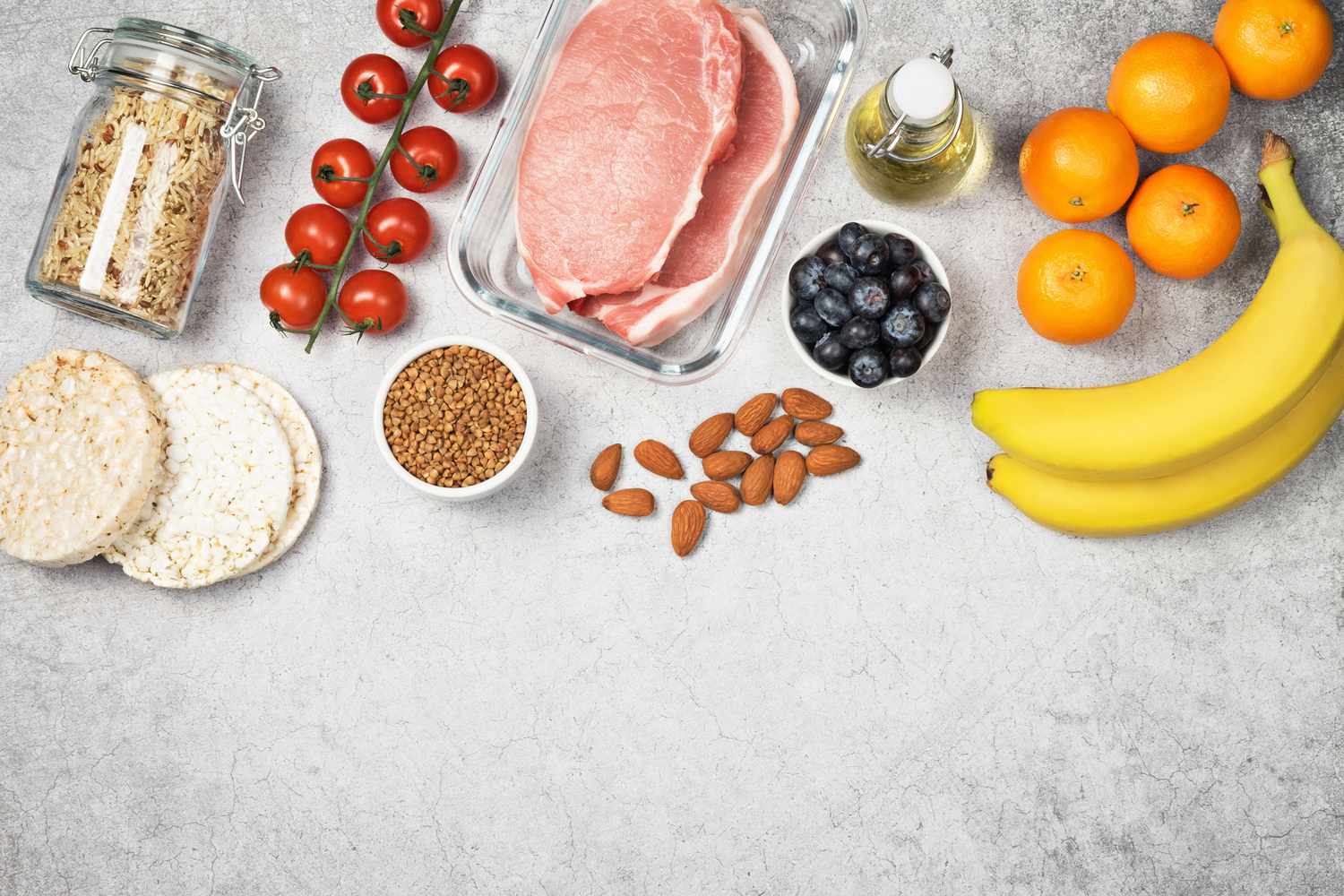
Creating a 7 day low FODMAP menu requires a balance of macronutrients to keep your energy stable. This plan focuses on nutrient-dense whole foods and lactose-free alternatives to ensure you don't feel deprived while managing your symptoms. Use the table below as a roadmap for your first week.
| Day | Breakfast | Lunch | Dinner |
|---|---|---|---|
| Day 1 | Lactose-free yogurt with 1/4 cup blueberries | Quinoa salad with cucumber and feta | Grilled salmon with steamed carrots and rice |
| Day 2 | Two scrambled eggs with spinach | Leftover salmon and rice | Turkey burgers (no onion) with potato wedges |
| Day 3 | Oatmeal with sliced firm banana | Turkey burger salad bowl | Tofu stir-fry with ginger and zucchini |
| Day 4 | Sourdough toast with peanut butter | Leftover tofu stir-fry | Baked chicken thighs with roasted squash |
| Day 5 | Smoothie with spinach and lactose-free milk | Chicken and spinach wrap (gluten-free) | Beef and veggie skewers over quinoa |
| Day 6 | Hard-boiled eggs and an orange | Quinoa and veggie bowl | Grilled shrimp with gluten-free pasta |
| Day 7 | Sourdough French toast (lactose-free) | Leftover shrimp pasta | Slow-cooked beef roast with potatoes |
This low FODMAP meal planning for beginners approach ensures variety. For snacks, I recommend quick low FODMAP snacks for on the go like a handful of walnuts, a small serving of grapes, or plain popcorn. When following these low FODMAP recipes for beginners, pay close attention to the specific portions of vegetables. Even safe foods can become problematic if eaten in excess.
Essential Swaps and Avoiding Portion Stacking
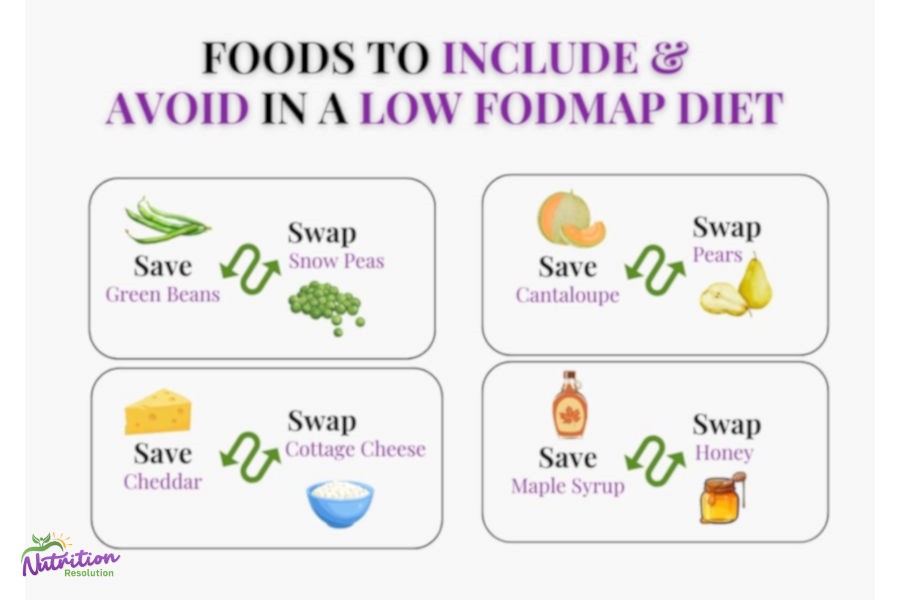
The secret to success during the elimination phase is mastering the "swap." Instead of focusing on what you can't have, focus on the low FODMAP recipes for beginners that use creative alternatives. For example, replace the white parts of green onions with the green tops, which are much lower in fermentable carbohydrates. Use maple syrup instead of honey, and choose sourdough bread (traditionally fermented) over standard wheat bread, as the fermentation process reduces the fructan content.
A common pitfall I see in my practice is portion stacking. This occurs when you eat multiple foods that are "low" in FODMAPs in one sitting, but their combined total exceeds your gut's threshold. For example, while a small serving of almonds is safe, eating them alongside a large serving of zucchini and blueberries might push your total intake into the "high" range. Following Monash University guidelines is the best way to understand these thresholds. To keep your 7 day low FODMAP menu for IBS relief effective, try to space out your fruit and vegetable servings throughout the day rather than loading them into a single meal.
FAQ
How do I start a low FODMAP meal plan?
The best way to start is by cleaning out your pantry of high-FODMAP staples like garlic, onions, wheat-based pastas, and high-fructose corn syrup. Stock up on basics like rice, quinoa, eggs, fresh meats, and low FODMAP vegetables like carrots and potatoes. It is also helpful to download the Monash University FODMAP app to check ingredients while grocery shopping.
What are the three phases of the low FODMAP diet?
The diet consists of the elimination phase (removing all high-FODMAP foods for 2-6 weeks), the reintroduction phase (testing specific food groups to identify triggers), and the personalization phase (creating a long-term, sustainable diet that only restricts your specific triggers).
What is a typical breakfast on a low FODMAP diet?
A typical breakfast might include a bowl of oatmeal topped with a firm banana and a splash of lactose-free milk, or two eggs scrambled with a handful of fresh spinach and served with a slice of toasted sourdough bread. These options provide protein and fiber without triggering digestive distress.
What snacks are allowed on a low FODMAP diet?
Safe snacks include a small handful of macadamia nuts or walnuts, a serving of lactose-free cottage cheese, a medium orange, or two rice cakes with a tablespoon of peanut butter. Keeping quick low FODMAP snacks for on the go pre-portioned in your bag can prevent you from reaching for high-FODMAP convenience foods when you are hungry.
How long does it take for low FODMAP to work?
While everyone is different, many people begin to feel a reduction in bloating and gas within the first 2 to 7 days. However, it usually takes the full 2 to 6 weeks of the elimination phase to see the maximum benefit and for the gut environment to stabilize before starting the reintroduction process.
Conclusion & Getting Started
Embarking on a low FODMAP meal plan can feel like learning a new language, but the relief it provides is worth the effort. By focusing on batch cooking, smart swaps like garlic-infused olive oil, and mindful portioning, you can take control of your digestive health without spending every waking hour in the kitchen.
Remember to keep a detailed symptom management log to track your progress and work closely with a healthcare professional to ensure your diet remains balanced. This 7-day plan is your starting point toward a life with less pain and more freedom. You have the tools and the evidence-based strategies to succeed—now it is time to take that first bite toward better gut health.