Quick Facts
- Primary Procedures: According to 2024 data, sleeve gastrectomy and Roux-en-Y gastric bypass remain the gold standards, accounting for 58.4% and 32.8% of surgeries respectively.
- Weight Loss Expectations: Patients typically see an Excess Weight Loss percentage of 50% to 70% with the sleeve and 60% to 80% with the bypass within the first year.
- Health Longevity: Undergoing metabolic and bariatric surgery can reduce the risk of premature death by 30% to 50% while maintaining long-term success for up to 74% of patients.
- Diabetes Resolution: Gastric bypass is often preferred for those with severe metabolic issues, showing a significantly high rate of type 2 diabetes remission.
- Safety First: Modern minimally invasive techniques have made these procedures as safe as common gallbladder or knee surgeries when performed by a qualified bariatric surgeon.
Common weight loss surgery options include gastric sleeve, gastric bypass, and duodenal switch. These procedures work through restriction, which limits food intake, or malabsorption, which reduces calorie absorption. Selecting the most effective method depends on an individual's Body Mass Index (BMI), the presence of comorbidities like type 2 diabetes, and specific metabolic health goals.
Understanding the 7 Main Bariatric Procedure Types
When we discuss weight loss surgery, we are looking at a field that has evolved rapidly from simple stomach restriction to complex metabolic intervention. Most bariatric procedure types fall into two functional categories: restrictive surgery and malabsorptive procedures. Restrictive methods physically reduce the size of the stomach to limit how much you can eat, while malabsorptive methods reroute the digestive tract to limit how many calories and nutrients your body absorbs.
The modern landscape includes seven primary options:
- Gastric Sleeve (Sleeve Gastrectomy): The most popular choice today, involving the removal of a large portion of the stomach.
- Gastric Bypass (Roux-en-Y): The historical gold standard that combines restriction with a small amount of malabsorption.
- Duodenal Switch (BPD/DS): A powerful procedure reserved for higher BMI levels that focuses heavily on malabsorption.
- SADI-S: A simplified version of the duodenal switch that uses a single connection to reduce surgical complexity.
- Gastric Band: A reversible restrictive device placed around the top of the stomach, though its popularity has waned recently.
- Gastric Balloon: A non-surgical, temporary option where a balloon is placed in the stomach to create a feeling of fullness.
- Gastric Plication: A restrictive technique where the stomach is folded and sutured rather than removed.
The shift toward minimally invasive techniques has significantly improved patient outcomes. Most of these are now performed as laparoscopic weight loss procedures, using small incisions and cameras. This approach minimizes physical trauma, reduces the bariatric surgery recovery process timeline, and lowers the risk of post-operative infections.
Gastric Sleeve vs. Gastric Bypass: The Top Two Compared
Deciding between the two most common procedures often requires a deep dive into gastric sleeve vs gastric bypass pros and cons for weight loss. While both are highly effective, they interact with your biology in different ways.
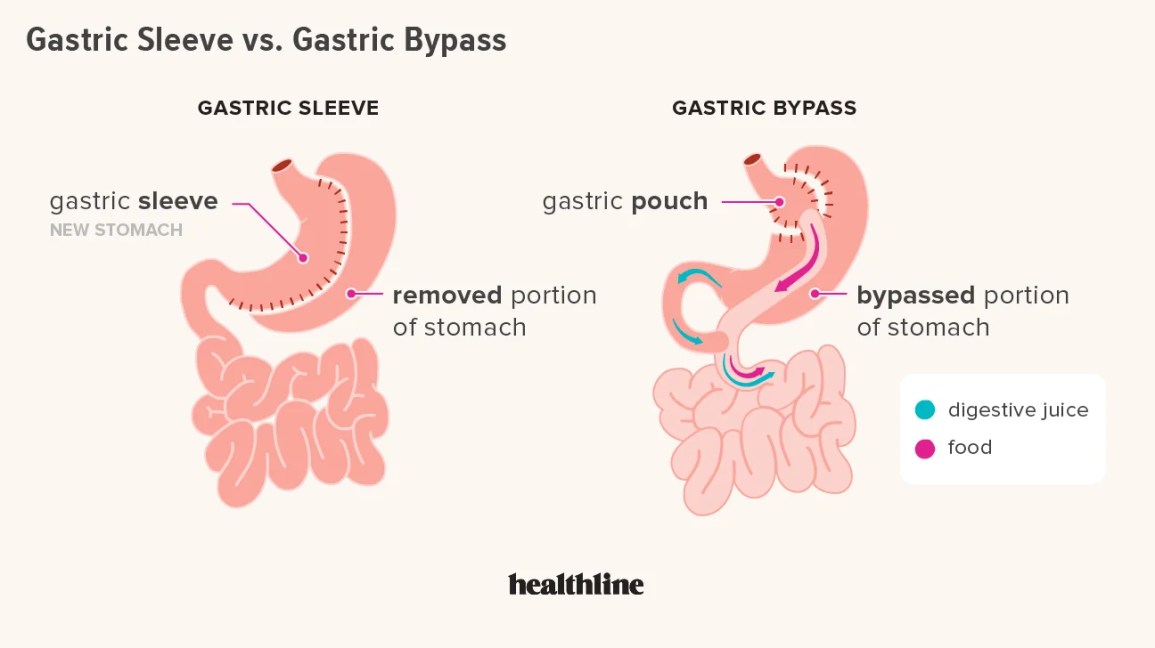
The gastric sleeve involves removing about 80% of the stomach, leaving a narrow tube or banana shape. This is primarily a restrictive procedure, but it has a profound hormonal effect. By removing the portion of the stomach that produces the Ghrelin hormone, the surgery significantly reduces the sensation of hunger. This helps patients adhere to a lower-calorie diet without the constant psychological battle against appetite.
In contrast, the gastric bypass creates a small thumb-sized pouch and connects it directly to the middle of the small intestine. This bypasses the rest of the stomach and the upper part of the small intestine. While it leads to greater weight loss, it can also cause Dumping syndrome, a condition where sugar or high-fat foods move too quickly into the small intestine, causing nausea and dizziness. This actually serves as a biological deterrent, helping some patients avoid high-calorie triggers.
| Feature | Gastric Sleeve | Gastric Bypass (RYGB) |
|---|---|---|
| Anatomy Change | Stomach becomes a banana-shaped tube | Small stomach pouch + intestinal rerouting |
| Weight Loss (%EWL) | 50% to 70% | 60% to 80% |
| Primary Mechanism | Restriction + Hormonal (Ghrelin) | Restriction + Malabsorption |
| Average Surgery Time | 60 - 90 minutes | 90 - 150 minutes |
| Nutritional Risk | Moderate | Higher (requires strict supplementation) |
| Diabetes Impact | High | Very High (Metabolic Gold Standard) |
Advanced Options: Duodenal Switch and SADI-S
For patients with a Body Mass Index significantly over 50, or those seeking the most aggressive weight loss surgery options for type 2 diabetes management, advanced procedures like the Duodenal Switch (DS) or SADI-S may be recommended.
These procedures are the heavy hitters of the bariatric world. They combine a gastric sleeve with a significant rerouting of the intestines. Because they bypass a large section of the small intestine, the body absorbs far fewer calories and fats. The metabolic impact is unparalleled; the duodenal switch has the highest rate of diabetes resolution and long term weight loss success rates by surgery type.
However, the "cost" of this efficacy is a lifelong commitment to monitoring nutritional deficiencies. Because the body is no longer absorbing vitamins and minerals efficiently, patients must take high-dose postoperative supplements every single day and undergo frequent blood work to ensure they remain healthy. Understanding duodenal switch vs other bariatric options is vital for those who have failed to lose weight with other methods or have extreme metabolic disease.
Decision Framework: How to Choose the Right Weight Loss Surgery
Choosing the right path isn't just about picking the one that promises the most weight loss. It is about matching the procedure to your lifestyle, medical history, and health goals. A bariatric surgeon will look at several factors to help you decide how to choose the right weight loss surgery for your BMI and specific health profile.
Key Eligibility Requirements:
- A Body Mass Index (BMI) of 40 or higher, or 35 with at least one obesity-related condition (comorbidities).
- Evidence of previous medically supervised weight loss attempts that were unsuccessful.
- A psychological evaluation to ensure readiness for the required lifestyle changes.
- A commitment to lifelong medical follow-up and vitamin supplementation.
BMI Suitability Matrix
- BMI 35-40 with Reflux (GERD): Gastric Bypass is often the first choice as it can cure reflux, whereas the sleeve may worsen it.
- BMI 35-40 with Type 2 Diabetes: Gastric Bypass or SADI-S offer the best chance for total metabolic remission.
- BMI 40-50 (High Risk): Gastric Sleeve is often preferred due to its shorter surgical time and lower complication rate for high-risk patients.
- BMI 50+: Duodenal Switch or SADI-S are frequently recommended to ensure adequate excess weight loss.

The Bariatric Surgery Recovery Process and Timeline
Success after the operation depends heavily on your adherence to the bariatric surgery recovery process. Most hospitals now use the ERAS (Enhanced Recovery After Surgery) protocol, which focuses on early mobilization, pain management without heavy opioids, and early oral intake to speed up healing.
The bariatric surgery recovery timeline and practical tips usually follow a four-stage progression:
- Weeks 1-2 (The Liquid Phase): You will consume only clear liquids, moving toward protein shakes. The focus is hydration and healing the staple lines.
- Weeks 3-4 (The Pureed Phase): Foods with the consistency of applesauce or yogurt are introduced. This is where you begin to learn your new satiety signals.
- Weeks 5-6 (The Soft Food Phase): Cooked vegetables and ground meats are added. Protein remains the priority.
- Week 7+ (The New Normal): You transition to solid, nutrient-dense foods.
Throughout this journey, you must listen to your body's satiety signals. Because your stomach is smaller, the signal that you are "full" will come much faster and feel much sharper than before. Overeating, even slightly, can cause significant discomfort.
The ERAS Protocol Advantage The Enhanced Recovery After Surgery protocol has revolutionized post-op care. By drinking clear liquids just hours after surgery and walking within the first day, patients significantly reduce the risk of blood clots and pneumonia, often leaving the hospital within 24 to 48 hours.
FAQ
Who qualifies for weight loss surgery?
Eligibility usually begins at a Body Mass Index of 40, or 35 if you have obesity-related health conditions like hypertension or sleep apnea. New clinical guidelines have recently suggested that individuals with a BMI of 30 or higher who have poorly controlled type 2 diabetes may also be candidates for certain metabolic procedures.
What is the safest weight loss surgery?
The gastric sleeve is generally considered the safest of the major surgical options because it does not involve rerouting the intestines or placing a foreign object in the body. However, safety also depends on your personal medical history; for some, the bypass is "safer" because it addresses underlying conditions like severe acid reflux that the sleeve might aggravate.
How much weight can you lose after surgery?
Weight loss varies by procedure, but most patients lose between 50% and 80% of their excess body weight within the first 12 to 18 months. Success is highly dependent on following nutritional guidelines, focusing on high-protein intake, and incorporating regular physical activity into your daily routine.
Can you gain weight back after weight loss surgery?
Yes, weight regain is possible if a patient returns to old eating habits or consumes high-calorie liquids and "slider foods" like chips or crackers that bypass satiety signals. Long-term success requires a permanent shift in your relationship with food and consistent follow-up care with your medical team.
How long is the recovery time for weight loss surgery?
Most patients can return to work within one to two weeks if they have a sedentary job. For those with physically demanding roles, three to four weeks may be necessary. Full internal healing of the stomach and intestines usually takes about six to eight weeks, during which you must strictly follow the staged diet plan.