Quick Facts
- The 90/9/1 Rule: Research indicates that approximately 80% to 90% of bad breath cases originate in the oral cavity, while extraoral causes like digestive disorders account for about 10% to 20% of cases.
- Fruity Scent: A hallmark sign of high acetone levels often linked to diabetic ketoacidosis, a serious metabolic complication.
- Sour/Acidic Odor: Frequently indicates gastroesophageal reflux disease (GERD) or gut fermentation where stomach acid enters the esophagus.
- Fecal Odor: Can be a critical red flag for a bowel obstruction or severe issues within the digestive tract.
- Ammonia Scent: Often associated with kidney health and the body’s inability to process urea correctly.
- H. Pylori Impact: Successful treatment of this stomach bacteria can reduce the prevalence of bad breath from 61.5% to 12.8%.
Different bad breath smells often indicate specific underlying health conditions that go beyond simple oral hygiene. For example, a fruity or acetone-like odor is a common sign of diabetic ketoacidosis, while a sour or acidic smell is frequently associated with gastroesophageal reflux disease (GERD), making the halitosis metabolic health link a vital tool for early diagnosis.
Understanding Bad Breath Smells and Your Health
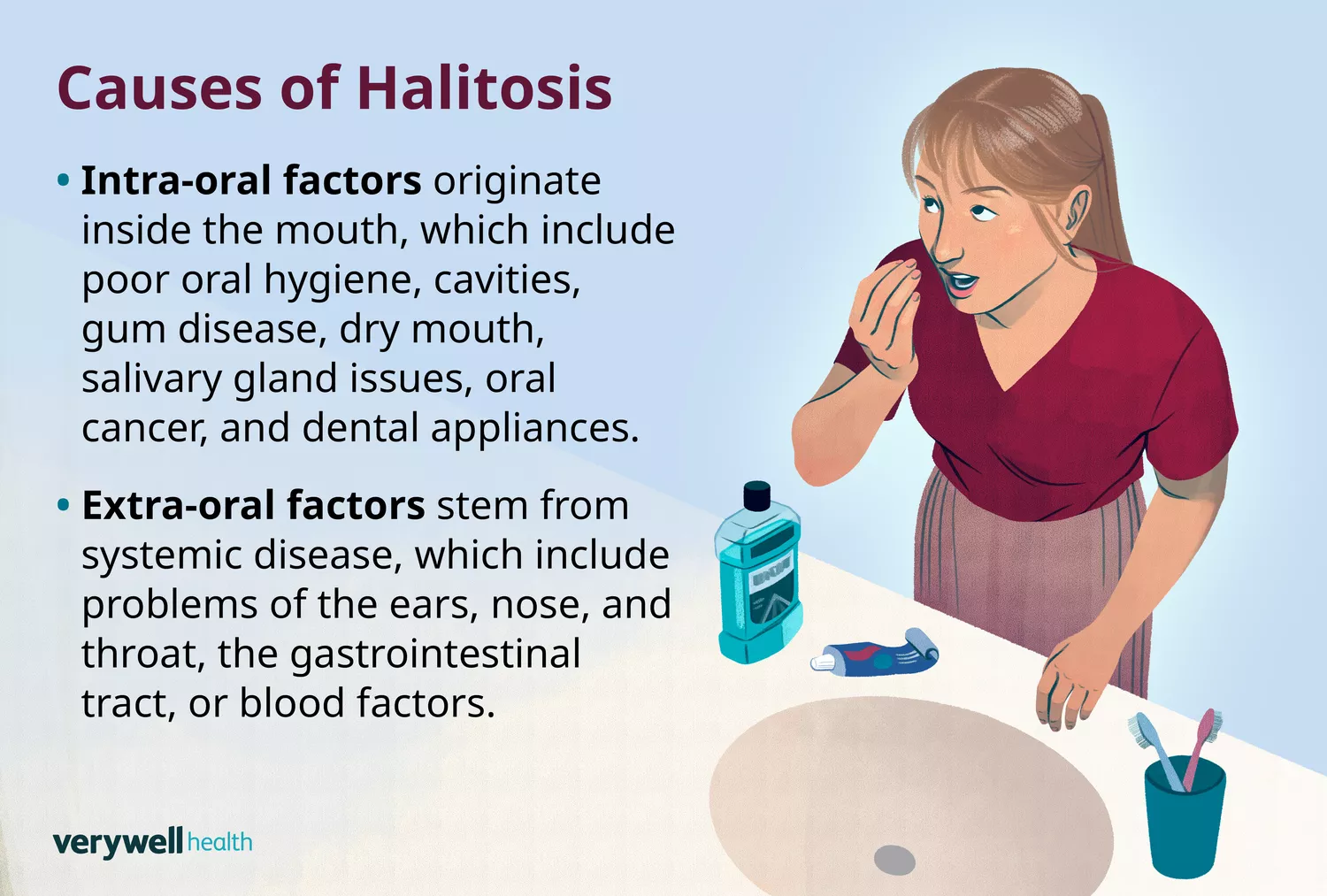
When we think about bad breath smells, we usually reach for a toothbrush or a piece of gum. However, as a nutrition editor, I often remind readers that the mouth is the gateway to the rest of the body. The scent of your breath is more than just a social inconvenience; it is a chemical readout of what is happening in your blood, your stomach, and your metabolic pathways. While most cases of halitosis are caused by bacteria on the tongue or between teeth, the remaining percentage points to something deeper.
The primary culprits for the actual odor are volatile sulfur compounds. These are gases produced when bacteria break down proteins. While these compounds usually stay in the mouth, they can also be produced in the gut or released from the bloodstream into the lungs, where they are then exhaled. When the cause is systemic, the scent becomes a diagnostic clue. This halitosis metabolic health link is why doctors sometimes "follow their nose" when assessing a patient’s digestive or metabolic state.
Understanding these odors requires looking at how the body processes waste. If your digestive enzymes are not functioning correctly, or if your microbiome balance is off, the byproduct of that dysfunction is often a specific gas. These gases are absorbed into the blood, carried to the lungs, and released with every breath you take.
Sweet and Fruity: The Diabetes and Ketone Connection
If you notice a distinct scent that reminds you of overripe fruit or nail polish remover, it is rarely a result of what you just ate. Instead, this fruity breath odor causes are almost always metabolic. This specific scent is caused by acetone levels rising in the body. Acetone is a type of ketone, a byproduct created when the body breaks down fat for energy instead of glucose.
When insulin levels are dangerously low, particularly in people with Type 1 diabetes, the body cannot use sugar for fuel. It begins burning fat at an industrial rate, leading to a state called diabetic ketoacidosis. The excess ketones, specifically acetone, are highly volatile and escape through the breath. This is why fruity breath odor causes and diabetes risk are so closely linked in medical literature.
For those on a very strict ketogenic diet, a mild fruity scent is common and usually signifies that the body has entered ketosis. However, if this scent is accompanied by extreme thirst, frequent urination, or confusion, it is a medical emergency. Monitoring these fruity breath odor causes can be a life-saving habit for those at risk of blood sugar issues.
Sour and Acidic: When GERD and Gut Health Collide
A sour breath digestive issues profile is one of the most common complaints I see in the nutrition world. This scent is typically described as acidic or "vinegary." The most frequent cause is gastroesophageal reflux disease, or GERD. According to clinical data, up to 20% of people with GERD experience chronic bad breath.
When the lower esophageal sphincter—the valve between your stomach and your esophagus—fails to close properly, stomach acid and undigested food particles can creep back upward. This brings the scent of digestive enzymes and partially digested proteins into the oral cavity. Beyond the mechanical issue of reflux, sour breath digestive issues can also stem from gut fermentation. If your microbiome balance is disrupted, certain bacteria in the small intestine may ferment carbohydrates too quickly, releasing gases that eventually reach the mouth.
Managing sour breath and digestive issues management involves more than just antacids. It requires a look at your dietary triggers, such as spicy foods, caffeine, or large late-night meals that put pressure on the digestive system. Improving your microbiome balance through fermented foods and fiber can also help ensure that food moves through the digestive tract efficiently, reducing the chance for fermentation-related odors.
Ammonia, Fishy, or Fecal: High-Priority Systemic Red Flags
While fruity and sour odors are common, there are other, more distinct bad breath smells that serve as high-priority red flags for systemic diseases. These scents are often the result of the body’s inability to filter out toxic compounds through the usual channels, like the kidneys or liver.
- Ammonia Scent: If your breath smells like urine or ammonia, it is often a sign of kidney health concerns. When the kidneys are not filtering urea effectively, it builds up in the blood. The body then tries to eliminate this waste through the breath as ammonia. This is a clear indicator that ammonia breath smell causes and kidney health should be discussed with a healthcare provider immediately.
- Fishy Scent: A fishy odor that persists despite good hygiene is often linked to a rare metabolic disorder called trimethylaminuria. This happens when the body lacks the specific enzymes needed to break down trimethylamine, a compound found in certain foods. Identifying fishy breath odor and metabolic health early can help patients manage the condition through significant dietary adjustments.
- Fecal Scent: This is perhaps the most distressing odor. When breath smells like poop digestive problems treatment becomes urgent. A fecal odor can indicate a bowel obstruction, where waste is backed up in the intestines, causing gases to be pushed upward and out of the mouth. It can also be a sign of severe bacterial putrefaction in the stomach.
| Breath Scent | Potential Underlying Cause | Primary Volatile Compound |
|---|---|---|
| Fruity / Acetone | Diabetes / Ketoacidosis | Acetone |
| Sour / Acidic | GERD / Acid Reflux | Hydrogen sulfide / Acidic vapors |
| Ammonia / Urine | Kidney Dysfunction | Urea / Ammonia |
| Fishy | Trimethylaminuria | Trimethylamine |
| Fecal / Musty | Bowel Obstruction / Liver Issues | Methyl mercaptan / Dimethyl sulfide |
How to Fix Bad Breath Caused by Stomach Issues
If you suspect your bad breath smells are coming from your gut rather than your gums, the strategy for treatment changes significantly. Standard mouthwashes often contain alcohol, which can dry out the mouth and actually make the problem worse by allowing bacteria to flourish. Instead, focus on the following evidence-based steps:
- Screen for H. Pylori: This bacteria is a leading cause of stomach ulcers and chronic halitosis. Medical studies have shown that the eradication of H. pylori can significantly reduce bad breath, often bringing the prevalence down from over 60% to around 12%. A simple breath or stool test from your doctor can confirm its presence.
- Adjust Your Microbiome Balance: Incorporate prebiotics (like garlic, onions, and bananas) and probiotics (like yogurt or kefir) to help regulate gut fermentation. This reduces the production of volatile sulfur compounds in the digestive tract.
- Manage Reflux Naturally: To address sour breath and digestive issues management, try eating smaller meals and avoiding lying down for at least three hours after eating. Elevating the head of your bed can also prevent stomach acid from traveling into the esophagus at night.
- Stay Hydrated: Saliva is your mouth's natural defense. Dehydration slows down digestion and reduces saliva production, allowing odors from both the stomach and the mouth to become more concentrated.
How to fix bad breath caused by stomach issues often requires a multidisciplinary approach involving both a dentist to rule out oral causes and a gastroenterologist to investigate the digestive-to-oral pathway.

Professional Guidance: Dentist or Doctor?
Navigating the world of bad breath smells can be confusing. How do you know who to see? A good rule of thumb is the "oral hygiene test." If you have been scraping your tongue—which is roughly 75% effective at removing oral-based odors—flossing daily, and using a non-alcoholic rinse for two weeks with no improvement, it is time to look deeper.
If your breath odor is accompanied by other symptoms like heartburn, abdominal pain, or unexplained weight loss, your first stop should be a GP or a Gastroenterologist. They may use an organoleptic assessment, which is a clinical way of grading the intensity and type of breath odor to determine if it is extraoral. Remember, systemic diseases like liver or kidney issues don't just affect your breath; they affect your energy and overall well-being. Don't ignore what your breath is trying to tell you.
FAQ
What do different types of bad breath smells indicate?
Different scents usually point to specific metabolic or digestive issues. Fruity scents are often linked to diabetes or ketosis, sour smells suggest acid reflux or GERD, ammonia-like odors point toward kidney issues, and musty or fishy scents can indicate liver or enzyme-related metabolic disorders.
Why does my breath smell like poop?
When your breath smells like poop digestive problems treatment is usually required immediately. This odor can signify a bowel obstruction, where the normal passage of waste is blocked, forcing gases from the intestines to be exhaled. It can also be caused by severe bacterial overgrowth or prolonged vomiting.
Can stomach problems cause bad breath?
Yes, approximately 10% to 20% of halitosis cases are caused by extraoral factors, primarily digestive issues. Conditions like GERD, H. pylori infections, and small intestinal bacterial overgrowth (SIBO) allow gases and stomach contents to release odors that escape through the mouth.
What does sweet or fruity breath mean?
A sweet or fruity odor is typically a sign of high acetone levels in the blood. This occurs when the body burns fat for fuel instead of sugar, creating ketones. While it can happen during fasting or a keto diet, it is also a major warning sign for diabetic ketoacidosis.
Why does my breath smell like ammonia?
If your breath smells like ammonia, it is often because your kidneys are struggling to filter urea from your blood. When urea levels rise, the body breaks it down into ammonia, which is then released through your breath and sweat. This should be evaluated by a medical professional to check kidney function.