Quick Facts
- Top for Blood Pressure: Beet juice is the leader for acute systolic reduction.
- Top for Cholesterol/Inflammation: Tart cherry juice is superior for long-term lipid management and chronic systemic protection.
- Key Nutrient (Beet): Dietary nitrates which act as precursors to Nitric oxide.
- Key Nutrient (Cherry): Anthocyanins which combat oxidative stress and vascular damage.
- Clinical Performance: Beet juice improves endurance and oxygen efficiency; tart cherry juice accelerates post-workout recovery.
- Daily Dose: 4-8 ounces for maintenance, up to 16 ounces for therapeutic blood pressure effects.
Choosing between beet juice vs tart cherry for heart health? While both offer cardiovascular advantages, they work through distinct pathways. This guide compares their impact on blood pressure and inflammation.
Beet Juice: The Nitric Oxide Specialist
When we look at beet juice and blood pressure, we are looking at one of the most efficient examples of food as medicine. As a nutrition editor, I find the biological pathway of beet juice particularly fascinating because of its immediacy. Beets are incredibly rich in dietary nitrates. When you drink the juice, bacteria in your mouth and enzymes in your gut convert these nitrates into Nitric oxide.
Nitric oxide acts as a powerful signaling molecule that tells the smooth muscles in your blood vessels to relax. This process, known as Vasodilation, expands the diameter of your arteries, allowing blood to flow more freely with less resistance. This isn't just theory; the clinical data is robust. Regular consumption of beet juice has been found to reduce systolic blood pressure by an average of 3.55 mmHg and diastolic blood pressure by 1.32 mmHg.
For those wondering about the best time of day to drink beet juice for heart health, the timing of this Nitric oxide spike is key. The concentration of Bioavailable nitrates in the blood typically peaks about two to three hours after consumption. Therefore, if you are looking to manage a midday blood pressure spike or prepare for a heart-pumping workout, a morning glass is highly effective. Beyond just the Systolic pressure numbers, this juice improves the flexibility of the arterial walls, a factor often referred to as arterial compliance, which is a hallmark of a youthful cardiovascular system.
Tart Cherry: The Anti-Inflammatory Specialist
If beet juice is the "opener" of blood vessels, tart cherry juice is the "protector" of the vascular lining. The primary heart health benefits of tart cherries come from their high concentration of Anthocyanins—the pigments that give them their deep red color. These compounds are potent antioxidants that specifically target Oxidative stress and systemic inflammation, both of which are primary drivers of heart disease.
While the effects of beet juice are often acute, the benefits of tart cherry juice are typically seen over a longer horizon. Clinical studies show that consuming tart cherry juice daily for 12 weeks can lower systolic blood pressure by 4.1 mmHg and reduce low-density lipoprotein (LDL) cholesterol by 20.6 mg/dL.
The reduction in LDL, or "bad" cholesterol, is particularly significant. Anthocyanins appear to inhibit the production of cholesterol in the liver and improve the way the body clears lipids from the bloodstream. By improving Lipid profiles, tart cherry juice helps prevent the buildup of plaque in the arteries. When comparing the nitrate content in beet juice vs antioxidants in tart cherry, we see that while beets help the vessels relax right now, cherries help keep the vessels clean and free of inflammatory damage over the long term. This makes tart cherry juice for inflammation an essential strategy for anyone dealing with chronic vascular stiffness or metabolic challenges.
Performance vs. Recovery: Which Should You Choose?
The decision between beet juice vs tart cherry often comes down to your immediate physical goals. In the world of sports nutrition, we view these two functional beverages through different lenses: one for the "effort" phase and one for the "restoration" phase.
Beet juice is the gold standard for Cardiovascular performance. By enhancing oxygen efficiency, it allows your muscles to perform the same amount of work while consuming less oxygen. This is why you will often see endurance athletes drinking "beet shots" before a race. It helps the body manage the heavy demand placed on the heart during intense exertion.
Conversely, tart cherry juice is a powerhouse for Post-workout recovery. The same anti-inflammatory properties that protect your heart also work to soothe muscle soreness. Furthermore, tart cherries are one of the few natural food sources of melatonin. This helps improve sleep quality, which is when the most significant tissue repair and heart rate stabilization occur.
| Metric | Beet Juice (8 oz) | Tart Cherry Juice (8 oz) |
|---|---|---|
| Calories | ~110 kcal | ~140 kcal |
| Sugar | ~22g (Natural) | ~25g (Natural) |
| Primary Nutrient | Dietary Nitrates | Anthocyanins & Vitamin C |
| Heart Focus | Vasodilation & BP | Lipids & Inflammation |
| Timing | 2 hours before activity | Post-activity or before bed |
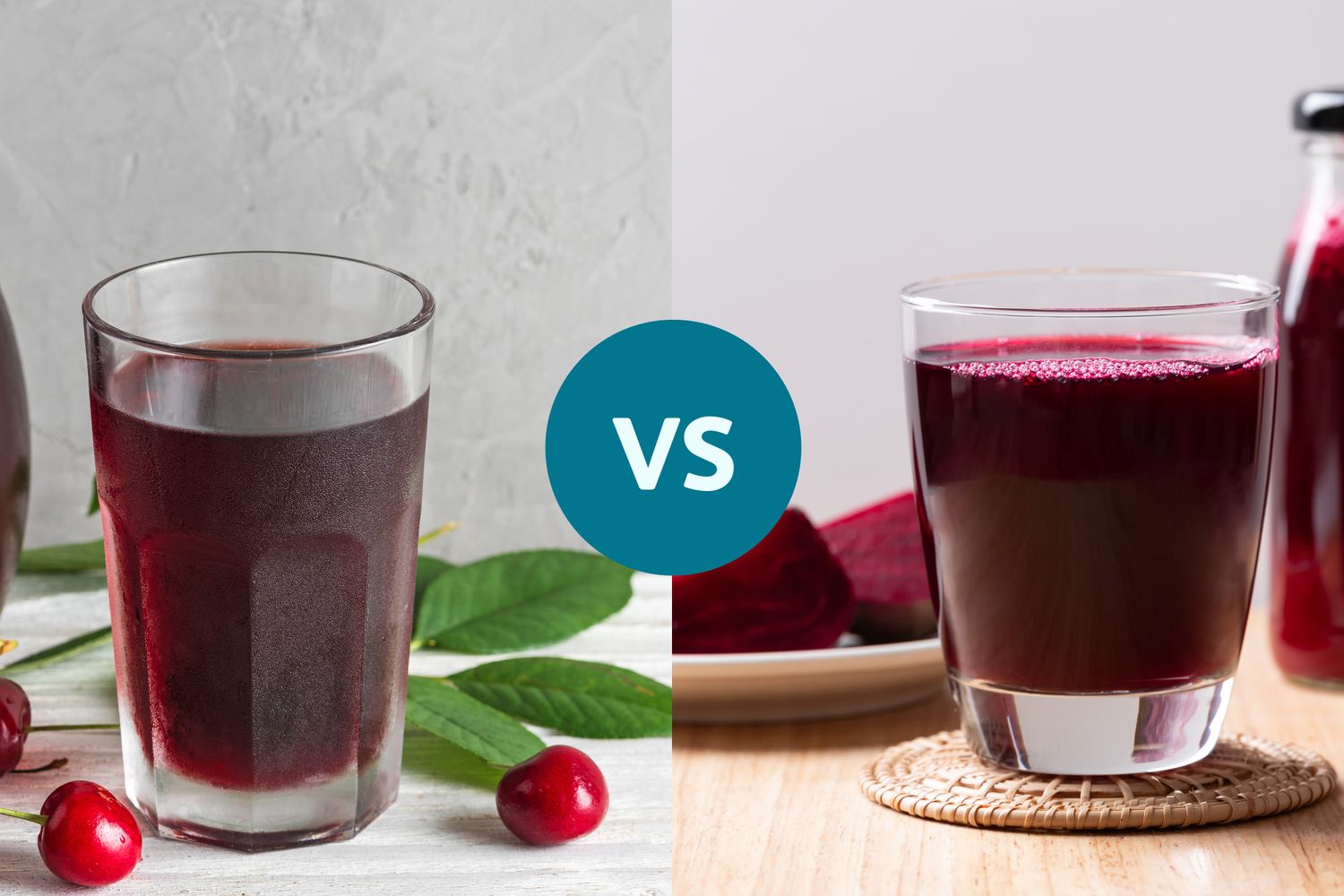
When examining nitrate vs antioxidant cardiovascular benefits, think of it as a specialized toolkit. You use the nitrates in beet juice to boost current capacity and the antioxidants in tart cherry to ensure the system recovers without lasting damage. If you are training for a marathon, the beet juice helps you hit your mile splits, but the tart cherry juice ensures you can get out of bed the next morning without debilitating stiffness.
The Powerhouse Blend: Can You Mix Them?
One of the most frequent questions I receive is: can you mix beet juice and tart cherry juice together? The answer is a resounding yes. In fact, combining them may provide a synergistic nutritional profile that addresses heart health from multiple angles simultaneously.
By mixing the two, you receive the immediate circulation-boosting effects of nitrates alongside the long-term oxidative protection provided by cherries. This combination creates a comprehensive "heart tonic." The beet juice works on the mechanical aspect of blood flow, while the tart cherry juice works on the chemical aspect of blood purity and inflammation.
When creating a blend, I recommend a 1:1 ratio. A common protocol is 4 ounces of each. This keeps the total sugar intake manageable while still providing a therapeutic dose of the active compounds. If you find the earthy taste of beet juice too strong, the tart acidity of the cherry juice acts as an excellent natural balancer, making the drink much more palatable for those who aren't fans of "liquid dirt" flavors.
Safety and Side Effects: Who Should Be Careful?
While these juices are natural, they are pharmacologically active, meaning they can interact with certain medications and conditions. It is essential to consider safety before making them a daily habit.
- Drug Interactions: Both juices can lower blood pressure. If you are already taking antihypertensive medications like ACE inhibitors or beta-blockers, adding large amounts of these juices could cause your blood pressure to drop too low (hypotension).
- Kidney Health: Beet juice is high in oxalates, which can contribute to kidney stone formation in susceptible individuals.
- Hyperkalemia Risk: Both beets and cherries contain potassium. For individuals with chronic kidney disease or those on potassium-sparing diuretics, there is a risk of potassium levels becoming dangerously high.
- Sugar Content: A typical serving can contain up to 30-33g of sugar. Even though it is natural fruit sugar, it can still impact blood glucose levels in people with diabetes.
- Digestive Sensitivity: Tart cherries contain sorbitol, a sugar alcohol that can have a mild laxative effect if consumed in large quantities.
- Beeturia: Don't be alarmed if your urine or stools take on a pink or red hue after drinking beet juice; this is a harmless condition called beeturia.
Is beet juice or tart cherry better for lowering blood pressure? If you need a quick reduction, beet juice is the winner. If you are looking for a sustainable, multi-month improvement in both pressure and cholesterol, tart cherry takes the lead. However, for most people, the most effective strategy for beet juice vs tart cherry for heart health benefits is to include both in a varied, plant-heavy diet.
FAQ
Which is better: beet juice or tart cherry juice?
Neither is objectively better; they serve different primary functions. Beet juice is superior for immediate blood flow enhancement and lowering blood pressure through Nitric oxide production. Tart cherry juice is better for reducing systemic inflammation, lowering LDL cholesterol, and aiding in muscle recovery through its high antioxidant content.
What are the main benefits of beet juice vs tart cherry juice?
The main benefits of beet juice center on Vasodilation and improved oxygen delivery to tissues. The main benefits of tart cherry juice include reduced oxidative stress, improved lipid profiles, and better sleep quality due to its natural melatonin content.
Can I mix beet juice and tart cherry juice together?
Yes, mixing them is safe and highly recommended for a synergistic effect. This combination allows you to benefit from the nitrate-driven circulation boost of beets and the anthocyanin-driven anti-inflammatory protection of tart cherries in a single serving.
Is beet juice or tart cherry juice better for muscle recovery?
Tart cherry juice is significantly better for muscle recovery. Its potent anti-inflammatory properties help reduce Delayed Onset Muscle Soreness (DOMS) and its natural melatonin supports restorative sleep, which is vital for tissue repair after a workout.
Which one is more effective for lowering blood pressure?
For rapid, acute results, beet juice is more effective, with studies showing an average reduction of 3.55 mmHg in systolic pressure shortly after consumption. However, for long-term maintenance, tart cherry juice is also highly effective, with 12-week studies showing a 4.1 mmHg reduction in systolic pressure.