Quick Facts
- Muscle Loss: The body loses 1-2% of its muscle mass annually after age 50.
- Protein Target: Research recommends 1.2 to 2.0 g/kg of body weight daily for seniors.
- The 7/10 Rule: Consistency in training and nutrition beats periodic intensity for long-term health.
- Primary Recovery: Sleep, mobility, and adequate protein are the 'Majors' that drive healthspan.
- Mortality Risk: Higher protein intake is linked to a lower risk of all-cause mortality across 715,000+ participants.
Protein is essential for longevity because it helps preserve lean muscle mass and strength as the body ages. Adequate intake mitigates the risk of falls and functional decline, addressing age-related issues like sarcopenia. Combining high protein intake with consistent resistance training creates a synergistic effect that maintains metabolic health and functional mobility throughout the aging process.
Ben Bruno emphasizes that protein for longevity isn't just about aesthetics; it's about functional resilience. As we age, maintaining muscle mass becomes a critical 'Major' in our health journey. This guide explores the synergy between high protein intake and strength training to ensure you stay strong and mobile for decades to come. By adopting a sustainable high protein diet for longevity guide, you can navigate biological aging with greater ease and vitality. We focus on healthspan optimization by prioritizing the foundational habits that actually move the needle on your quality of life.

The Longevity Connection: Why Muscle is Your Retirement Fund
If you want to live a long, independent life, you need to stop thinking of muscle as a vanity metric and start viewing it as your physical retirement fund. Every pound of lean tissue you carry is an investment in your future mobility. Clinical data shows a terrifyingly clear link between muscle mass and all-cause mortality. In fact, a systematic review and meta-analysis of 32 prospective studies involving over 715,000 participants found that higher total protein intake is associated with a lower risk of all-cause mortality.
As we age, we face two primary biological enemies: sarcopenia and anabolic resistance. Sarcopenia is the involuntary loss of skeletal muscle mass and strength. This isn't just about looking "soft." It is a functional crisis. Roughly 1 in 3 adults over the age of 65 experience a fall annually, often due to leg muscle weakness. When muscle fades, independence follows.
Anabolic resistance makes the situation even trickier. This is a condition where the aging body becomes less efficient at using dietary protein to stimulate skeletal muscle synthesis. To overcome this, you cannot simply eat like a 20-year-old. You need a targeted strategy for protein for muscle mass maintenance to ensure your body has the raw materials needed for lean tissue preservation.
Ben's Pro Tip: The Retirement Fund Analogy "You don't start saving for retirement the day you stop working. You build the fund for decades. Muscle is the same. The strength you build today is the insurance policy that keeps you out of a nursing home at 85."
Choosing the best protein rich foods to prevent age related muscle loss is the first step in reclaiming your healthspan. By focusing on sarcopenia prevention now, you ensure that your body remains a capable vessel for your ambitions well into your 70s and 80s.
Ben Bruno’s 'Majors vs. Minors' Framework
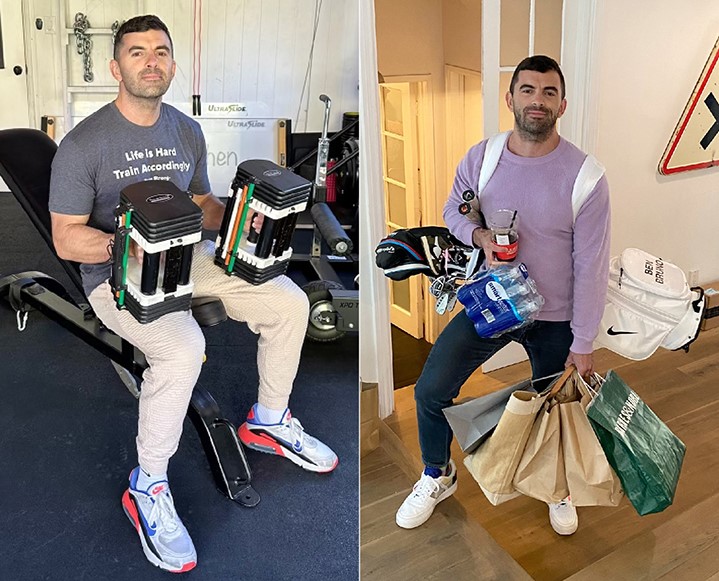
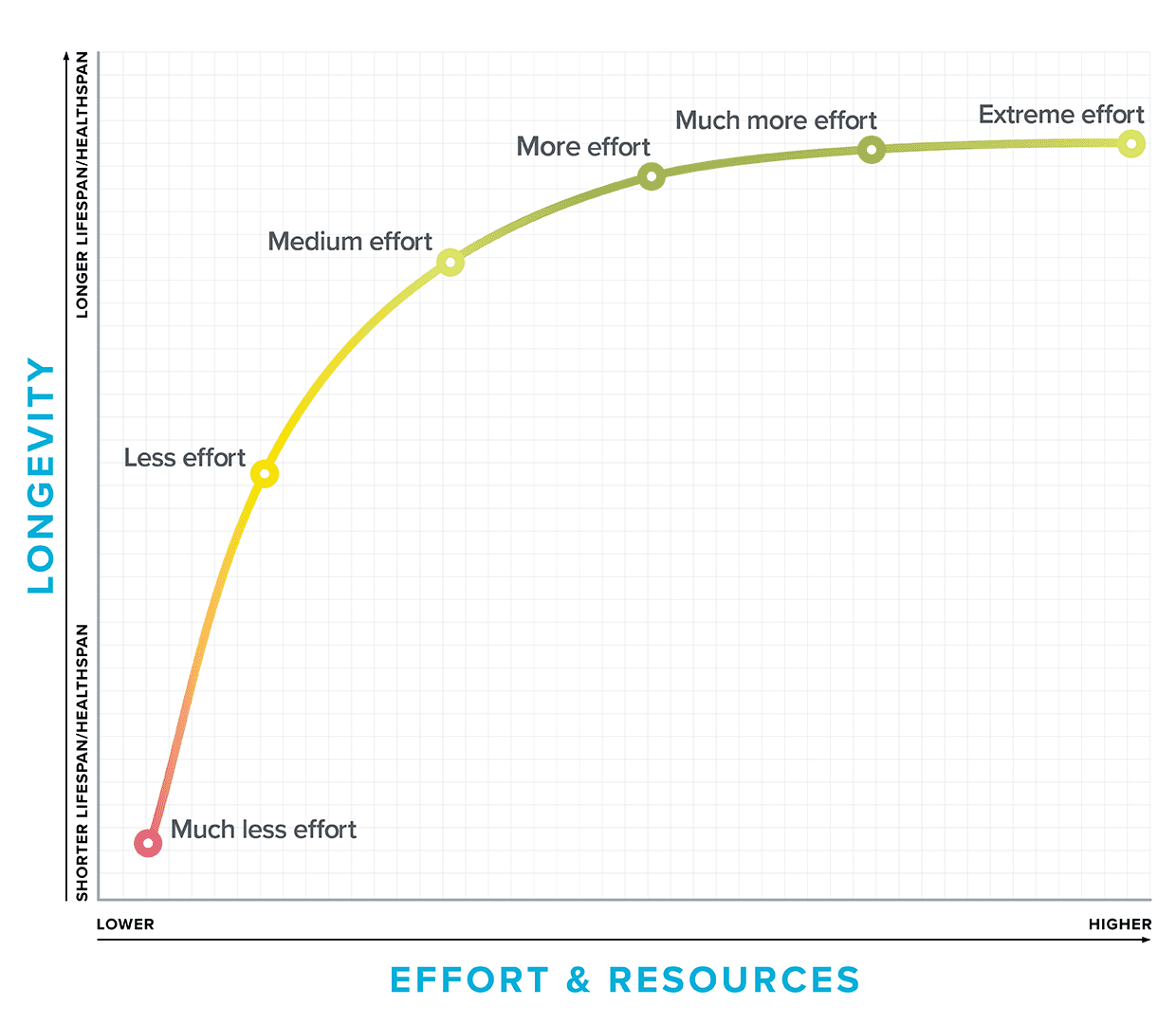
Ben Bruno, a trainer to world-class athletes and high-performers, advocates for a philosophy he calls "Majors vs. Minors." In the world of longevity, people often get distracted by the "Minors"—the expensive biohacks, the obscure supplements, or the three-minute ice baths. While these might have a place, they are irrelevant if you aren't nailing the "Majors."
The Majors are simple but non-negotiable:
- Consistent resistance training
- Adequate protein intake
- Quality sleep
Bruno uses the 7/10 Rule for training consistency. You don't need a 10/10 workout every day. In fact, trying to go 10/10 often leads to injury. If you can show up and give a consistent 7/10 effort year-round, you will outperform the person who goes 10/10 for a month and then quits. This resistance training synergy is what builds metabolic health and ensures your body remains insulin-sensitive and lean.
For this framework to work, you must provide the body with essential amino acids. These are the building blocks that repair the microscopic tears caused by lifting weights. Ben Bruno protein recommendations for longevity emphasize that without enough protein, you are effectively "punishing" your body with exercise rather than "nourishing" it. The goal of combining strength training with high protein for longevity is to create a virtuous cycle where your diet supports your activity, and your activity demands a high-quality diet.
Dosage and Timing: How Much Do You Really Need?
So, how much protein for muscle maintenance in seniors is actually required? The standard Recommended Dietary Allowance (RDA) is often criticized by longevity experts as being the bare minimum to prevent deficiency, not the optimal amount for thriving.
For individuals over the age of 65, protein intake exceeding 19% of total daily calories has been associated with the lowest risk of mortality compared to lower protein consumption. When we look at clinical guidelines for older adults to combat age-related muscle loss and support longevity, the recommendation shifts to a daily 1.2 to 2.0 grams per kilogram of body weight.
To make this actionable, consider the following targets:
- Maintenance Level: 1.2–1.5 g/kg of body weight.
- Active Growth/Recovery: 1.6–2.2 g/kg of body weight.
A high protein diet for aging also requires attention to timing. Because of anabolic resistance, a small amount of protein (like a 5g snack) might not be enough to "trigger" the muscle-building machinery in an older adult. Research suggests aiming for at least 25–40 grams of protein per meal to maximize amino acid bioavailability. This ensure that your macronutrient distribution isn't just adequate in total, but effective in practice.
Choosing Quality: Animal vs. Plant-Based Protein
Not all protein is created equal, especially when your goals are long-term recovery and digestive health. While animal proteins are often praised for their complete amino acid profiles and high leucine content (a key trigger for muscle growth), many people find that heavy dairy or large amounts of red meat lead to bloating and lethargy.
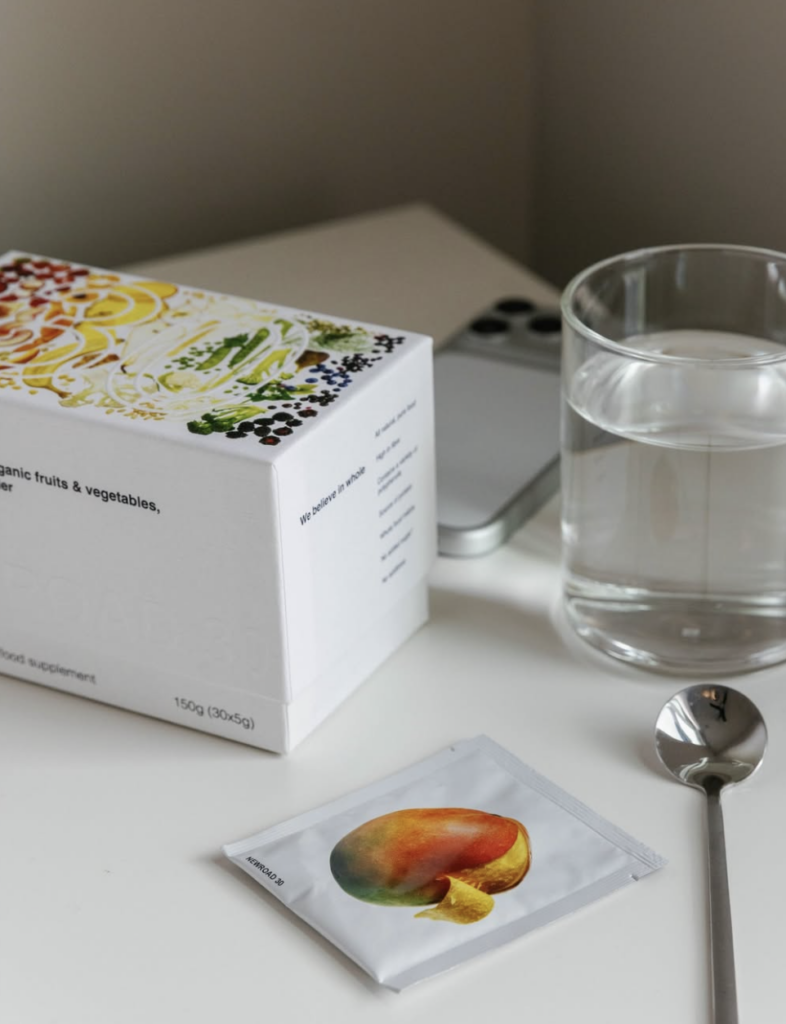
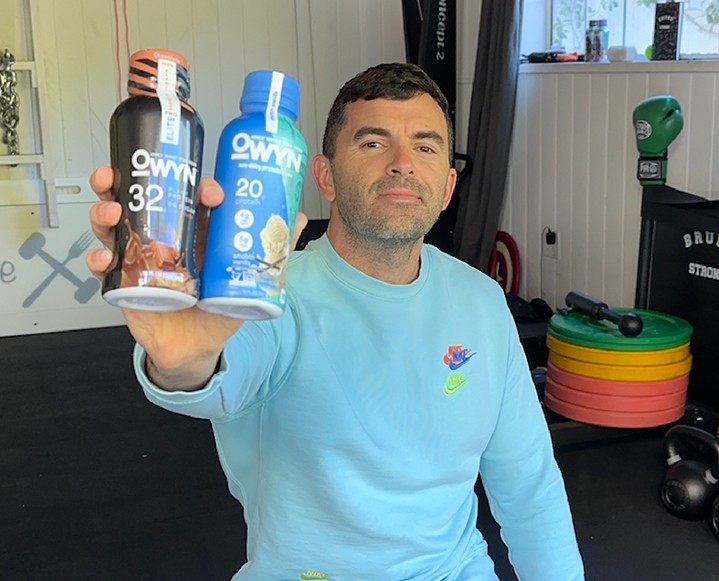
Ben Bruno often recommends plant based protein as a strategic tool, particularly for post-workout recovery. Modern plant-based blends can provide a full spectrum of essential amino acids without the digestive discomfort often associated with whey. This is crucial because if your nutrition makes you feel sluggish, you are less likely to stick to your training program.
| Feature | Animal Protein | Plant-Based Protein |
|---|---|---|
| Leucine Content | High (Excellent for synthesis) | Moderate (Requires blending sources) |
| Digestibility | Can cause bloating in some | Generally easier on the gut |
| Additional Nutrients | B12, Iron, Zinc | Fiber, Phytonutrients |
| Caloric Density | Varies (Lean cuts are best) | Often higher volume for same protein |
Using practical protein intake tips for post workout recovery can make a significant difference. For instance, blending a high-quality pea and rice protein powder with some fruit provides the necessary post-workout protein synthesis while maintaining anti-inflammatory nutrition profiles. The goal is to hit your protein intake for recovery numbers without feeling like you need a nap immediately afterward.
FAQ
How much protein should you eat for longevity?
Most longevity research and clinical experts recommend between 1.2 and 2.0 grams of protein per kilogram of body weight daily. For a 175-pound (80kg) individual, this equates to roughly 96 to 160 grams of protein per day. Maintaining the higher end of this range is particularly beneficial if you are physically active or over the age of 60.
Does high protein intake increase lifespan?
Yes, current evidence suggests a strong correlation. Large-scale meta-analyses show that higher total protein intake is associated with a lower risk of all-cause mortality. This is primarily because protein helps maintain muscle mass and metabolic health, which are two of the greatest predictors of a long, healthy life.
What is the recommended protein intake for seniors?
Seniors should aim for at least 1.2 to 2.0 g/kg of body weight. This higher requirement is necessary to combat anabolic resistance—the body's decreased ability to process protein as it ages. Consuming at least 19% of daily calories from protein has been linked to the lowest mortality rates in individuals over 65.
Does protein timing influence healthy aging?
Protein timing is very important for older adults. Because of the higher threshold needed to trigger muscle synthesis, it is better to consume protein in "boluses" of 30–40 grams per meal rather than grazing on small amounts throughout the day. This ensures the body actually uses the protein for muscle repair rather than just energy.
How does protein consumption impact muscle retention in old age?
Protein provides the essential amino acids required to repair and maintain skeletal muscle. Without adequate protein, the body enters a catabolic state where it breaks down existing muscle to fuel other biological functions. High protein intake, combined with resistance training, creates the necessary stimulus to retain functional mobility and prevent frailty.
Take Action for Your Future Self
Optimizing your diet for the long haul doesn't have to be complicated. Start by tracking your protein intake for just three days. Most people are surprised to find they are significantly under-eating the most important macronutrient for their longevity.
Instead of obsessing over gram-perfect precision, use your hand as a guide: aim for two palm-sized portions of protein with every major meal. This simple habit ensures you are meeting the requirements for functional mobility and strength without the stress of constant calorie counting. Remember, longevity is won in the "Majors." Eat your protein, lift something heavy, and prioritize your sleep. Your 80-year-old self will thank you.
Tags: #MensHealth #Longevity #ProteinIntake #BenBruno #SarcopeniaPrevention #MuscleMass #HealthyAging #NutritionTips