Quick Facts
- Digestive Relief: Research indicates that up to 86% of patients with IBS experience an improvement in gastrointestinal symptoms when following a low-FODMAP diet.
- Core Ingredients: Uses raw organic zucchini or roasted cauliflower instead of chickpeas to eliminate high-FODMAP GOS and fructans.
- Gut Safety: Provides significant intestinal gas relief and avoids the fermentation process associated with legumes.
- Dietary Compatibility: Fully compatible with the elimination phase of gut-healing protocols, ketogenic lifestyles, and paleo diets.
- Shelf Life: Homemade bean-free hummus stays fresh for up to 5 days in the refrigerator or can be frozen for 3 months.
- Texture Secret: Double-peeling the vegetable base ensures a smooth, pureed consistency that mimics traditional dips without the lectin-rich skins.
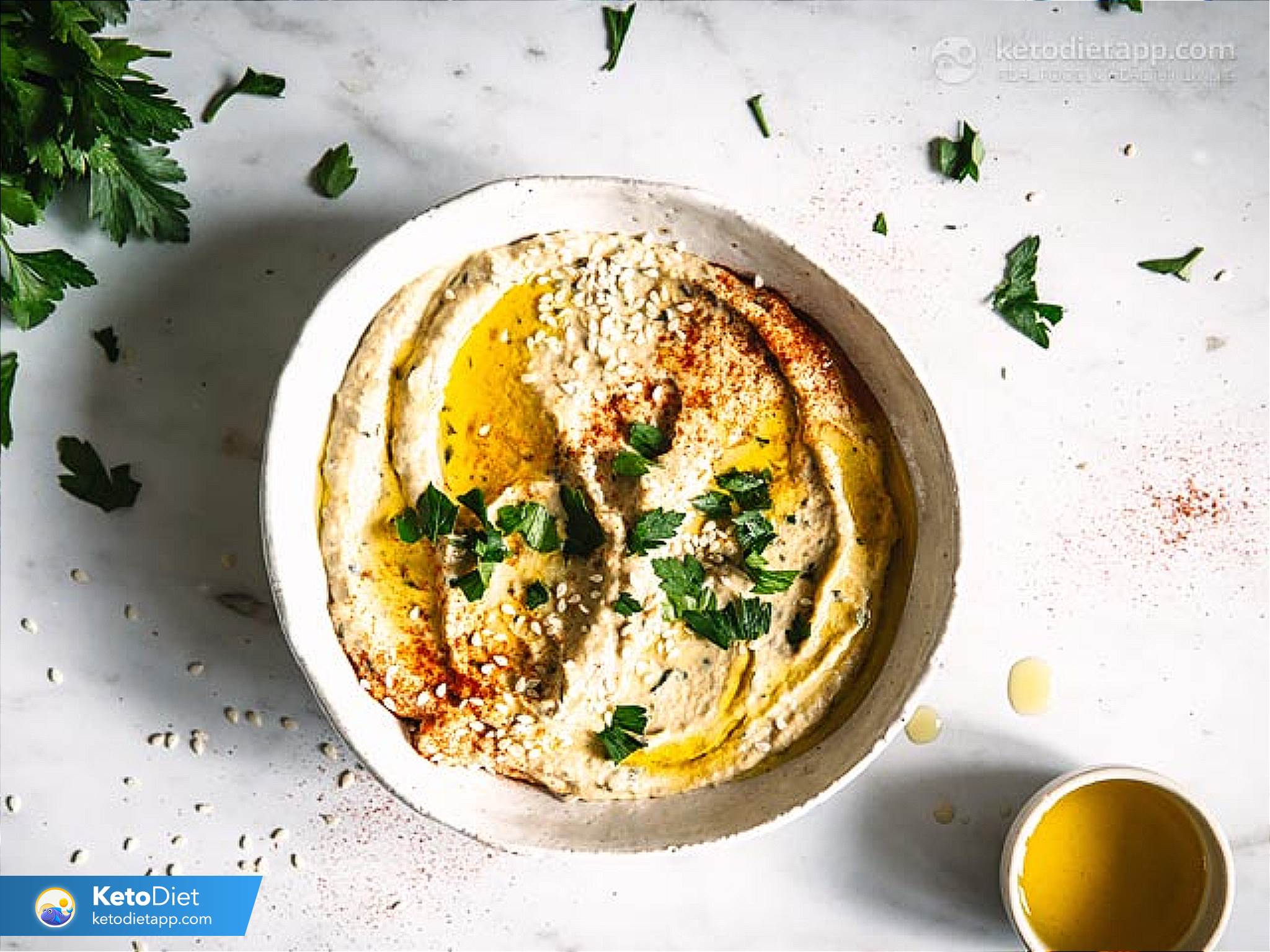
Bean-free hummus is a legume-free spread typically made from peeled zucchini or cauliflower combined with tahini, olive oil, and lemon juice. Unlike traditional chickpea-based versions, these alternatives are easier to digest for individuals with IBS or SIBO because they lack the complex sugars and lectins in beans that often cause intestinal gas and bloating. This bean-free hummus serves as an effective low FODMAP and keto-friendly substitute for traditional dips, offering a way to enjoy savory snacks without the typical gastrointestinal consequences.
The Digestive Double-Threat: Why Traditional Hummus Fails IBS Patients
For many of my clients, a single tablespoon of traditional hummus can trigger hours of discomfort. To understand why, we have to look at the molecular structure of the chickpea. Chickpeas are rich in Galacto-oligosaccharides (GOS) and fructans. These are types of carbohydrates that the human small intestine cannot fully break down. For a healthy microbiome support system, these fibers are beneficial, but for those with a sensitive digestive tract health profile, they are highly fermentable.
When these undigested sugars reach the large intestine, resident bacteria ferment them rapidly. This process produces gas, leading to the painful distension and bloating characteristic of IBS and SIBO. Furthermore, traditional hummus often relies heavily on fresh garlic. Garlic is one of the most concentrated sources of fructans, which are water-soluble. This means even if you pick the garlic out, the triggers have already leached into the dip.
During the elimination phase of a gut-healing journey, it is critical to remove these high-FODMAP triggers. Legume-free appetizers become a necessity rather than a preference. By choosing a bean-free hummus, you are practicing lectin-free nutrition, removing the proteins that can sometimes irritate the gut lining in susceptible individuals. This shift is not just about avoiding pain; it is about reducing the overall inflammatory load on your system.
The Best Bean-Free Hummus Alternatives: Zucchini vs. Cauliflower
When looking for a keto friendly hummus substitute, the choice usually comes down to two vegetable powerhouses: zucchini and cauliflower. Both offer unique benefits for your digestive tract health, but they perform differently in the kitchen.
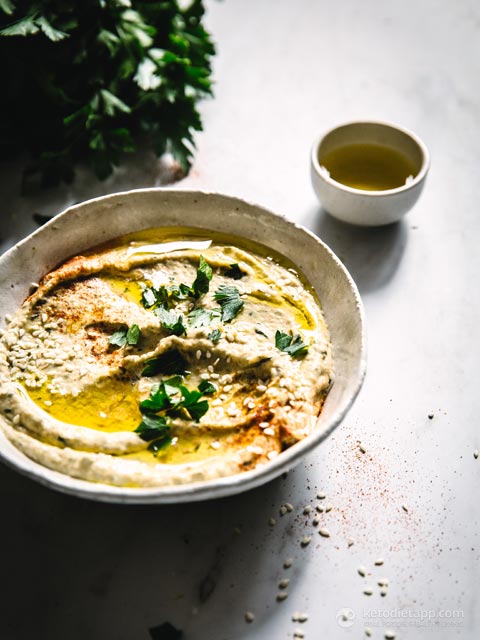
Zucchini is my professional recommendation for the most authentic mouthfeel. When raw zucchini is peeled and blended, it creates a naturally creamy, pureed consistency that is almost indistinguishable from chickpea paste. It is naturally low in starch, making it an excellent keto friendly hummus substitute options for those monitoring their glycemic load. Zucchini also has a neutral flavor profile that allows the nuttiness of the tahini and the brightness of the lemon to shine.
Cauliflower, on the other hand, provides a heartier, earthier base. It requires roasting or steaming first, which can add a lovely depth of flavor. However, cauliflower contains mannitol, another type of polyol that may trigger symptoms in some IBS patients if consumed in large quantities. If you are following a strict low FODMAP hummus alternative protocol, zucchini is generally the safer, "limitless" option compared to cauliflower.
Low FODMAP Serving Matrix & Ingredient Substitutions
Success with a low FODMAP hummus alternative requires precision. Even safe ingredients can become problematic if consumed in excess—a concept we call FODMAP stacking. To keep your snack safe for your microbiome, follow this serving matrix based on Monash University Certification standards.
| Ingredient | Low FODMAP Safe Serving | Notes for SIBO/IBS |
|---|---|---|
| Peeled Zucchini | 65g (approx. 1/2 cup) | Remains safe in larger servings for most. |
| Tahini (Sesame Paste) | 30g (2 tablespoons) | Limit per sitting to avoid excess GOS. |
| Lemon Juice | 1 teaspoon | Safe and aids in fat digestion. |
| Garlic-Infused Oil | 1 tablespoon | Ensure the oil is clear of garlic particles. |
| Cumin / Sea Salt | To taste | Excellent anti-inflammatory snacks additions. |
Warning: FODMAP Stacking Even when using a bean-free hummus, be mindful of what you dip into it. Combining a safe serving of tahini with a safe serving of another GOS-containing food (like certain nuts or seeds) can push your total load over the threshold, leading to a flare-up. Always pair your hummus with low-carb, low-FODMAP vegetables like cucumber spears or carrots.
For those specifically looking for a garlic-free bean-free hummus for SIBO, the secret is garlic-infused olive oil. The fructans in garlic are not fat-soluble. Therefore, you can capture the intense aroma and flavor of garlic in the oil without any of the digestive triggers. This allows for a rich culinary experience while maintaining strict intestinal gas relief protocols.
Preparation Secrets: How to Make Bean-Free Hummus Less Watery
The most common complaint I hear about a zucchini hummus recipe is that it becomes too watery after sitting in the fridge. Because zucchini has a high water content, the emulsion can break. To achieve that professional, thick texture, follow these clinical kitchen hacks.
First, you must double-peel the zucchini. Use a standard vegetable peeler to remove the dark green skin, then go over it a second time to remove the tougher, light-green layer just beneath the surface. This removes the highest concentration of insoluble fiber and lectins, ensuring the smoothest possible result.
Second, the order of operations in your food processor matters. Start by blending the tahini and lemon juice alone for 30 seconds. This creates a "base emulsion" that is thick and whipped. Only then should you add your chopped zucchini. If the mixture still seems too thin, add a teaspoon of cold-pressed olive oil slowly while the motor is running. The high-quality fats help bind the vegetable moisture.
Finally, do not skip the chilling step. A freshly blended zucchini hummus recipe for IBS will always be slightly thinner than one that has rested. Placing the dip in the refrigerator for at least two hours allows the fats in the tahini to firm up, creating that classic dip viscosity.
Buying Guide: Store-Bought vs. Homemade
While making a homemade zucchini hummus recipe is the gold standard for ingredient control, I understand that convenience is often necessary for a busy lifestyle. Finding a bean-free hummus in a traditional grocery store can be challenging, as 99% of commercial dips use chickpeas or white beans as a base.
When searching for the best store bought bean-free hummus brands, look in the refrigerated "Paleo" or "Keto" sections rather than the standard deli aisle. Brands like Zugo or certain artisanal local makers often produce cauliflower-based dips. However, you must be a label detective. Many commercial "bean-free" options use cashews or almonds to provide bulk. While delicious, cashews are high in FODMAPs and may not be suitable for the elimination phase of your diet.
If you cannot find a clean store-bought version, I recommend a "batch-prep" strategy. This bean-free hummus freezes exceptionally well because it lacks the starchy density of beans. I suggest freezing it in silicone ice cube trays. Once frozen, pop the cubes into a freezer bag. You can thaw exactly what you need for a low FODMAP hummus alternative for snacking without worrying about waste or spoilage.
FAQ
What is bean-free hummus made of?
Bean-free hummus is typically crafted from a base of non-legume vegetables, most commonly peeled zucchini or cauliflower. This base is blended with traditional hummus ingredients like tahini (ground sesame seeds), lemon juice, olive oil, and spices such as cumin and salt. By removing the beans, you create a dip that is significantly lower in fermentable carbohydrates and lectins.
What is a good substitute for chickpeas in hummus?
Peeled zucchini is the best substitute for chickpeas if you desire a smooth, creamy texture. For those who prefer a slightly heartier or roasted flavor, cauliflower is an excellent alternative. Some paleo-focused recipes also use almond flour or macadamia nuts, though these change the nutritional profile and may not be suitable for those with specific nut sensitivities or strict low-FODMAP needs.
Is there such a thing as hummus without beans?
Yes, bean-free hummus is a popular staple in the keto, paleo, and low-FODMAP communities. While the word "hummus" literally means chickpea in Arabic, these modern adaptations use the same flavor profile—tahini, lemon, and garlic—to recreate the experience using gut-friendly vegetable bases.
How do you make hummus if you are allergic to legumes?
To make hummus without legumes, simply replace the chickpeas with 2 cups of chopped, peeled zucchini. Blend the zucchini in a food processor with 1/4 cup of tahini, the juice of half a lemon, and a splash of garlic-infused olive oil. This provides the classic savory taste and dipping consistency without any legume-related allergens or digestive triggers.
Is cauliflower hummus keto-friendly?
Cauliflower hummus is very keto-friendly. It is much lower in net carbohydrates than traditional chickpea hummus. However, you should be mindful of the additives in store-bought versions. A homemade version using cauliflower, tahini, and healthy fats is an ideal low-carb snack that supports ketosis while providing essential fiber and micronutrients.
What does zucchini hummus taste like?
Zucchini hummus has a remarkably similar taste to traditional hummus, as the zucchini itself is very mild. The dominant flavors come from the nutty tahini and the acidic lemon juice. The texture is light and refreshing, and when seasoned correctly with cumin and garlic-infused oil, most people cannot tell it is bean-free in a blind taste test.