Quick Facts
- Status: BHA is classified as reasonably anticipated to be a human carcinogen, while BHT is a recognized skin and organ irritant.
- Regulation: Both chemicals were granted GRAS status in the late 1950s, but a comprehensive FDA reassessment is scheduled for February 10, 2026.
- Usage: These synthetic antioxidants are found in more than 4,600 food items in the United States to prevent rancidity and extend shelf life.
- Concentration: The FDA currently limits these additives to a maximum concentration of 0.02 percent of the total fat or oil content in food.
- Health Impact: BHA acts as a category 1 endocrine disruptor, potentially mimicking hormones and interfering with reproductive health.
- Exposure: Beyond food, BHA and BHT in personal care products like lipsticks and lotions contribute to significant bioaccumulation over time.
- Identification: Consumers can avoid these chemicals by looking for butylated hydroxyanisole and butylated hydroxytoluene on ingredient lists.
BHA and BHT additives are synthetic antioxidants widely used as preservatives to stabilize flavors and ensure shelf-life extension in processed foods and cosmetics. While long categorized under the GRAS status by the FDA, recent science highlights significant health risks of BHA BHT preservatives, particularly regarding cumulative exposure. These chemicals are primarily added for rancidity prevention in oils and fats, yet they are increasingly linked to endocrine disruption and potential carcinogenic effects in long-term toxicity studies.
The History and Future of BHA/BHT Regulation
The regulatory history of these preservatives dates back to a different era of food science. The U.S. Food and Drug Administration (FDA) first designated BHA and BHT as generally recognized as safe (GRAS) in 1958 and 1959, respectively. At that time, the primary focus was on preventing food spoilage in a rapidly industrializing food system. However, the National Toxicology Program has classified butylated hydroxyanisole (BHA) as reasonably anticipated to be a human carcinogen for more than three decades based on evidence from animal studies.
Despite this long-standing classification, the regulatory framework has remained largely static for over 60 years. This has created what many public health advocates call a regulatory gap. Modern nutritional science now emphasizes the long-term cumulative effects of chemical preservatives rather than just acute toxicity from a single serving. We are finally seeing a shift in the landscape; the FDA has set a deadline of February 10, 2026, to complete a new, comprehensive reassessment of these additives. This upcoming review acknowledges that the safety standards of the 1950s may not be sufficient for the modern consumer who encounters these chemicals in thousands of products daily.
BHA vs. BHT: Understanding the Health Risks
While they are often mentioned together, BHA (butylated hydroxyanisole) and BHT (butylated hydroxytoluene) interact with the human body in slightly different ways. Both are used for shelf-life extension, but their toxicological profiles carry distinct warnings.
BHA is particularly concerning to many nutritionists because of its role as a hormone mimicry agent. It is recognized as a BHA as a category 1 endocrine disruptor, meaning it has the potential to interfere with the delicate balance of the endocrine system, which regulates metabolism, growth, and reproduction. Research suggests that when these additives are metabolized, they can induce oxidative stress and even DNA damage, which are precursors to cellular mutations.
BHT, while not classified as a carcinogen with the same level of certainty as BHA, presents its own set of issues. It is frequently linked to liver and kidney irritation and is recognized as a respiratory irritant. Some studies indicate that BHT can contribute to bioaccumulation in fat tissues, leading to concerns about how the body processes these substances over decades of consumption.
| Feature | BHA (Butylated Hydroxyanisole) | BHT (Butylated Hydroxytoluene) |
|---|---|---|
| Primary Risk | Potential Carcinogen / Endocrine Disruptor | Organ Irritant / Respiratory Irritant |
| Hormonal Impact | High (Category 1 Endocrine Disruptor) | Moderate (Potential thyroid interference) |
| Regulatory Status | Prop 65 (California) listed carcinogen | GRAS (Subject to 2026 FDA review) |
| Biological Effect | Can induce oxidative stress and DNA damage | Linked to liver and kidney enlargement in animals |
Common Sources: From Cereal Boxes to Cosmetic Cases
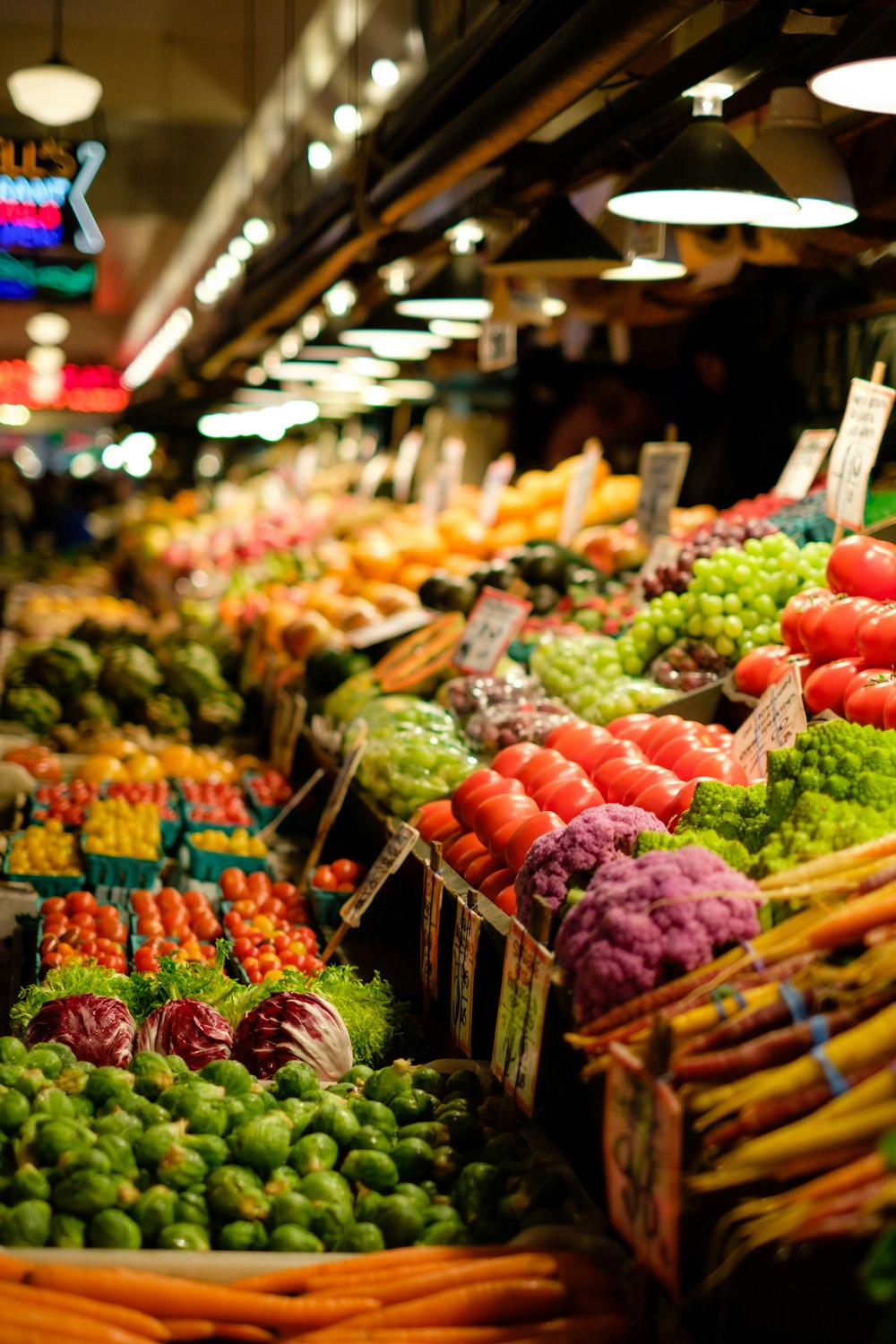
One of the biggest challenges in reducing exposure is the ubiquity of these chemicals. You aren't just eating them; you are likely wearing them as well. In the grocery store, common foods that contain BHA and BHT additives include breakfast cereals, potato chips, preserved meats, and even some brands of chewing gum. These chemicals are highly effective at preventing the oils in these products from turning sour, which is why they are so prevalent in high-fat snacks.
Interestingly, these additives are not always added directly to the food itself. They are frequently found in food packaging liners. The preservatives can migrate from the plastic or wax paper packaging into the food over time, especially in products with high fat content.
Beyond the kitchen, BHA and BHT in personal care products are extremely common. Manufacturers use them to prevent the oils in lipsticks, eyeliners, moisturizers, and sunscreens from oxidizing. This means your total daily intake is a combination of what you ingest and what your skin absorbs. The health risks of BHA and BHT in personal care products are often overlooked, but for someone using multiple products daily, the cumulative exposure can be significant.
How to Identify BHA and BHT on Food Labels
The most empowering step any consumer can take is learning the art of label reading. While the U.S. Food and Drug Administration (FDA) restricts the use of BHA and BHT in food products to a maximum concentration of 0.02 percent of the total fat or oil content, these small amounts add up when they appear in multiple meals.
When identifying BHA in food labels, look for the full chemical names: butylated hydroxyanisole and butylated hydroxytoluene. They are usually found toward the end of the ingredient list. Sometimes, the label will explicitly state "to preserve freshness" or "added to maintain flavor" next to these names.
It is important to note that more than 4,600 food items in the United States currently contain the preservative BHA. Because it has been designated as GRAS since 1958, many manufacturers have used it as a default stabilizer. However, as the clean label movement gains momentum, more companies are feeling the pressure to find safer alternatives. If you see a product labeled "No Synthetic Preservatives," it is a strong indicator that the manufacturer has moved away from these chemicals.

Natural Alternatives: Embracing the Clean Label Movement
The good news for health-conscious shoppers is that we do not need synthetic antioxidants to keep food fresh. Nature provides several highly effective solutions. Many forward-thinking safe food brands without BHA and BHT preservatives are turning to tocopherols, which are various forms of Vitamin E. These natural antioxidants effectively prevent lipid oxidation without the associated carcinogenic or endocrine risks.
Another popular choice is Rosemary extract. High in carnosic acid and carnosol, Rosemary extract provides excellent rancidity prevention and is often preferred by brands aiming for a clean label. When you see these ingredients on a package, it indicates that the company is prioritizing consumer health over the cheapest possible preservation methods.
To minimize your exposure, consider the following strategies:
- Prioritize Whole Foods: Naturally, fresh fruits, vegetables, and grains do not require added chemical stabilizers.
- Look for Specific Certifications: Products with USDA Organic or Non-GMO Project Verified seals often have stricter standards regarding synthetic additives.
- Check the Fats: Since BHA and BHT are oil-soluble, they are most common in oils and fatty foods. Choosing high-quality, cold-pressed oils in glass bottles can reduce your risk.
- Support Transparent Brands: Reward companies that explicitly state they are free from synthetic preservatives.
FAQ
What are BHA and BHT used for in food?
These substances are used as synthetic antioxidants to prevent fats, oils, and fat-containing foods from becoming rancid. By slowing down the oxidation process, they help maintain the flavor, color, and odor of products, significantly extending their shelf life on grocery store shelves.
Are BHA and BHT additives safe for human consumption?
While the FDA currently classifies them as generally recognized as safe (GRAS), many health organizations express concern regarding cumulative exposure. Because they are found in thousands of products, the total amount an individual consumes over a lifetime may exceed the safety thresholds established in the 1950s, leading to a scheduled re-evaluation by the FDA in 2026.
What is the difference between BHA and BHT?
BHA (butylated hydroxyanisole) is primarily noted for its potential as a carcinogen and its role as an endocrine disruptor. BHT (butylated hydroxytoluene) is chemically similar but is more frequently associated with respiratory issues and organ irritation. Both serve the same functional purpose of preventing spoilage in oils.
Are BHA and BHT considered to be carcinogens?
The National Toxicology Program has officially listed BHA as reasonably anticipated to be a human carcinogen for over thirty years. In California, BHA is listed under Proposition 65 as a known carcinogen. BHT is not currently classified as a human carcinogen, but it remains under scrutiny for other toxicological effects.
How can I identify BHA and BHT on food labels?
Consumers should scan the ingredient statement for the terms butylated hydroxyanisole and butylated hydroxytoluene. They are frequently listed at the very end of the ingredient list, often accompanied by a phrase explaining their purpose, such as to protect flavor or to maintain freshness.