Quick Facts
- Primary Goal: Achieving longevity and metabolic health through whole food plant-based (WFPB) nutrition.
- The 95% Rule: Research shows that centenarians in these regions consume a diet that is almost entirely plant-derived.
- Daily Staple: A cornerstone of the diet is consuming at least one cup of legumes and pulses every single day.
- Caloric Control: Adopting the practice of Hara hachi bu, which encourages stopping a meal when you feel 80% full.
- Meat Consumption: Animal protein is treated as a celebratory side dish, appearing on average only five times per month.
- Core Recipe: The Sardinian minestrone serves as a nutrient-dense, microbiome-boosting meal for daily health.
The Blue Zones diet is a whole food, plant-based eating pattern centered on the habits of the world's longest-lived people. It prioritizes legumes like beans and lentils as the main protein source, complemented by whole grains, nuts, and a wide variety of seasonal vegetables. Minimal consumption of meat and processed sugars is essential to maintaining metabolic health and reducing the risk of chronic diseases.

The Power 9 and Dan Buettner's Daily Habits
When we look at the research conducted by Dan Buettner and National Geographic, it becomes clear that longevity is rarely the result of a single "superfood." Instead, it is the result of a silver buckshot approach—many small lifestyle factors that work together. This framework is known as the Power 9. These habits are not about restrictive dieting; they are about environmental changes that make healthy eating effortless.
One of the most profound Dan Buettner daily habits is the focus on natural movement and stress reduction, or the "down shift." In our fast-paced modern world, chronic inflammation is often driven by stress. Centenarians have daily rituals to shed that stress, whether it is a nap in Ikaria or a happy hour in Sardinia. Furthermore, the concept of Ikigai, a Japanese term meaning "reason for being," provides a sense of purpose that can add up to seven years of life expectancy.
| Habit Category | Key Practice | Health Benefit |
|---|---|---|
| Eat Wisely | Hara hachi bu | Improved digestion and weight management |
| Eat Wisely | Plant slant | Reduced risk of heart disease and cancer |
| Right Outlook | Ikigai / Purpose | Lower stress and increased mental clarity |
| Connect | Loved ones first | Enhanced emotional support and safety net |
| Move Naturally | Constant moderate activity | Better cardiovascular health and mobility |
When you look at dan buettner daily eating habits and food rules, you see a consistent theme: the environment is set up for success. These people do not have gym memberships; they walk to the market. They do not have kitchen counters filled with processed snacks; they have bowls of fruit and jars of nuts. By applying lifestyle medicine to our own homes, we can make the healthy choice the easy choice.
Geographic Superfoods: The 5 Blue Zones Staples
To truly understand how to eat for a century, we have to look at the specific longevity superfoods list from the five original regions. Each area has its own unique local ingredients, but they all share a high density of antioxidants and fiber.
Sardinia, Italy
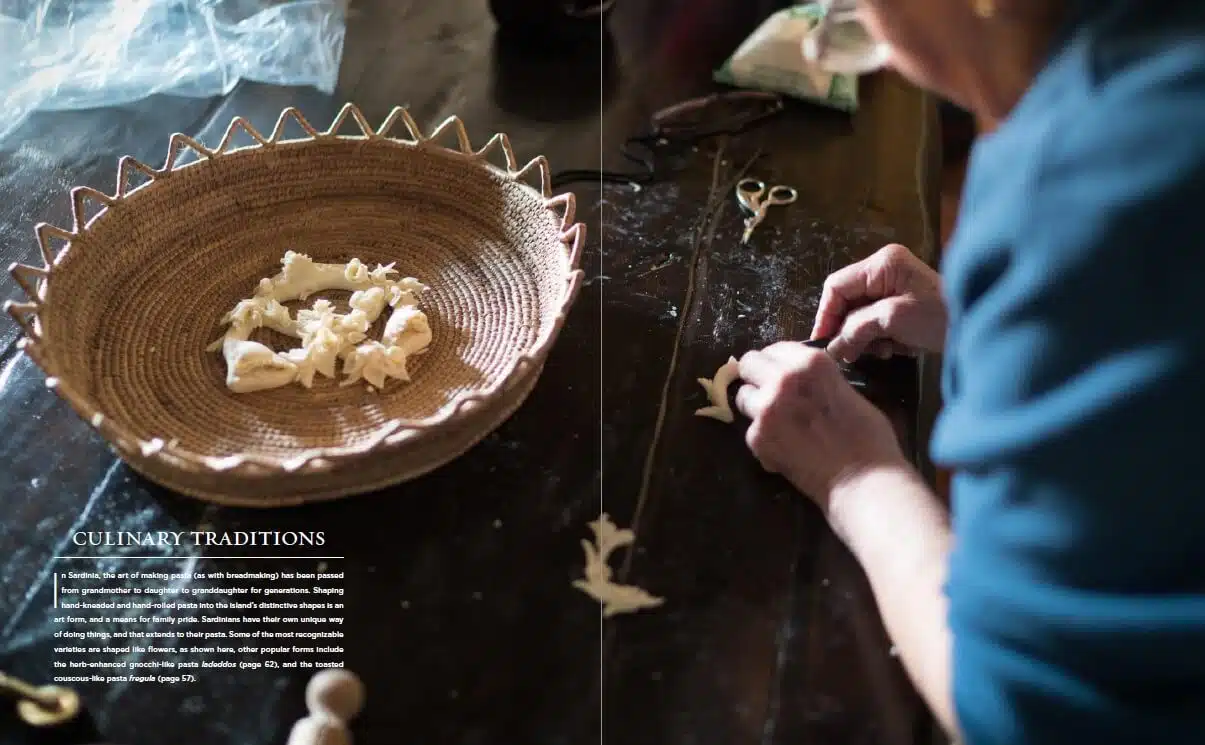
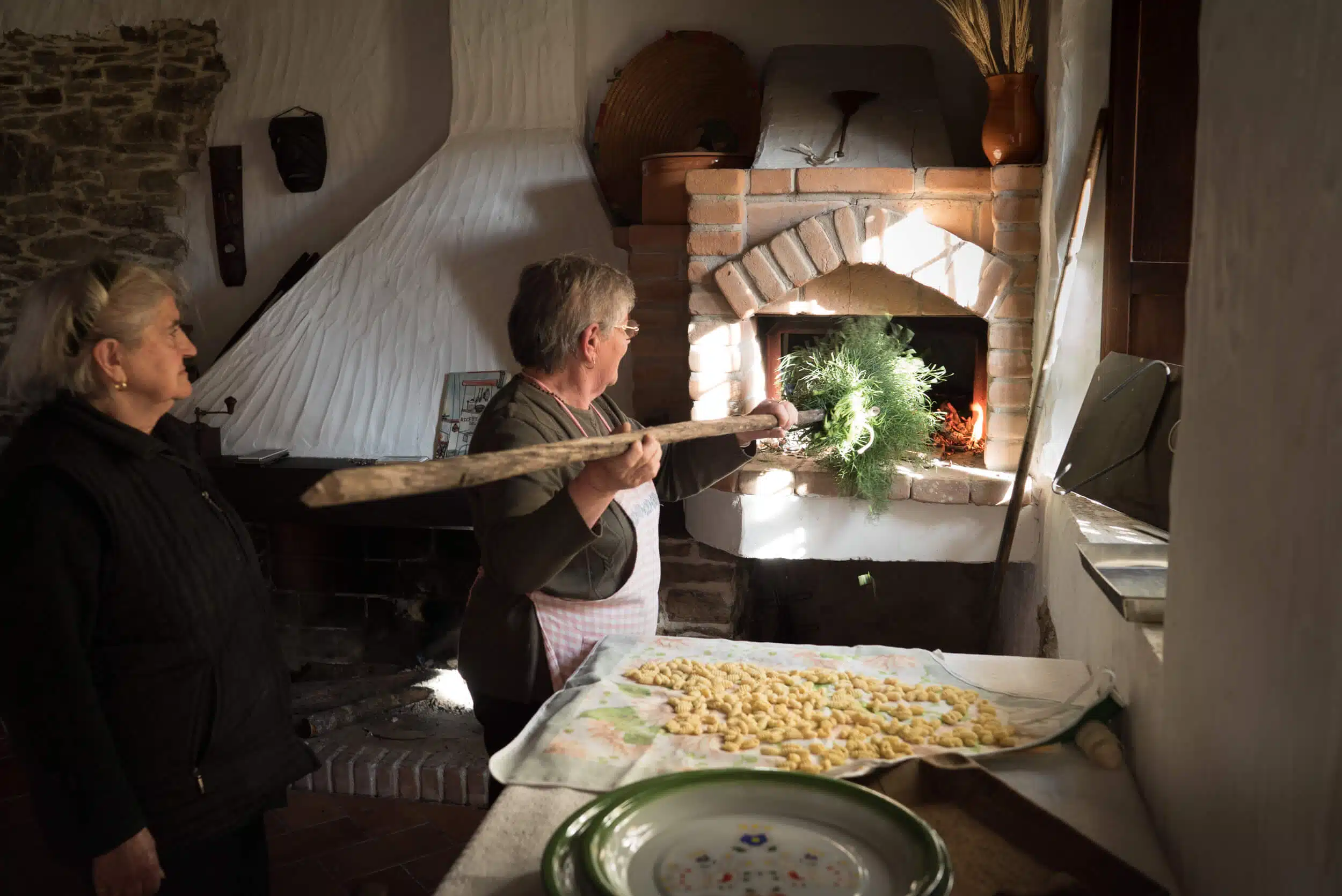
In the mountainous Barbagia region of Sardinia, the diet is famous for its sourdough bread and a specific type of pasta called Fregula. Unlike modern white bread, traditional sourdough fermentation breaks down gluten and lowers the glycemic index, which is better for blood sugar stability. A primary staple here is the Sardinian minestrone, a thick soup made from garden vegetables, beans, and fregula.
This soup is a masterclass in microbiome diversity. It typically includes whatever is in season, ensuring a wide array of polyphenols. Research shows that approximately 95% of the food consumed by the world's longest-lived people is plant-based, and this minestrone is the perfect example of that philosophy in a bowl.
Okinawa, Japan
Okinawa is home to some of the world's oldest women. Their longevity superfoods list is headlined by the Beni Imo, or purple sweet potato. These potatoes are packed with anthocyanins, the same powerful antioxidants found in blueberries, which help reduce oxidative stress in the body.
The Okinawans also consume a significant amount of soy, usually in the form of tofu or miso soup. These are among the best plant based protein sources in blue zones diet because they provide all essential amino acids without the saturated fat found in meat. They also follow the rule of Hara hachi bu, a 2,500-year-old Confucian mantra that reminds them to stop eating when their stomach is 80% full.

Nicoya, Costa Rica
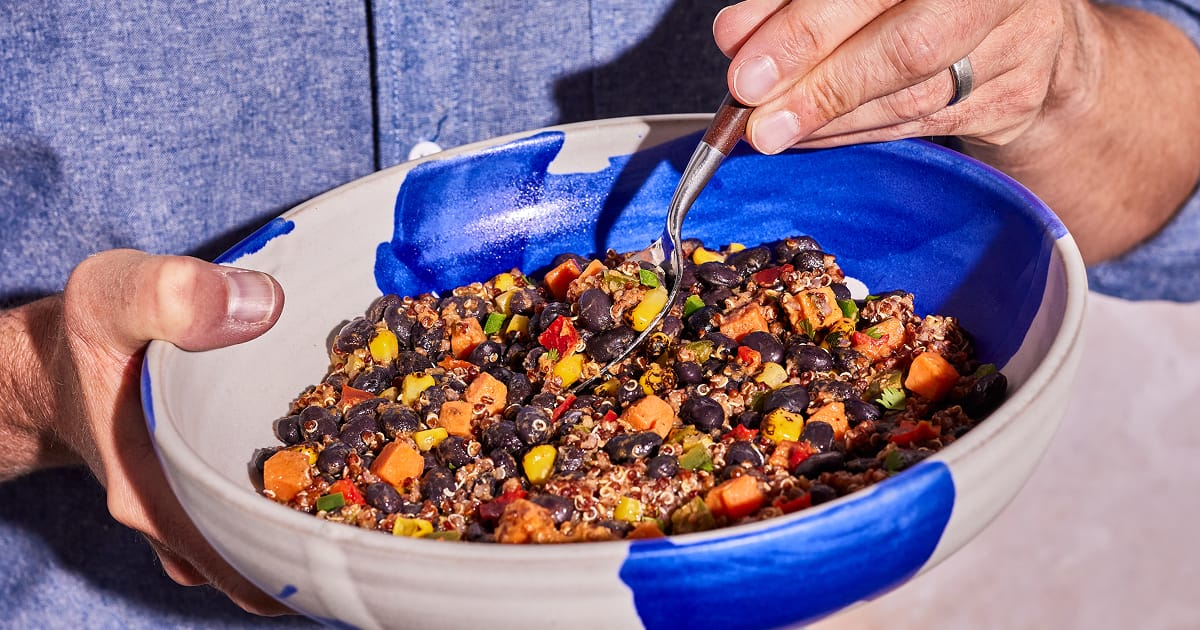
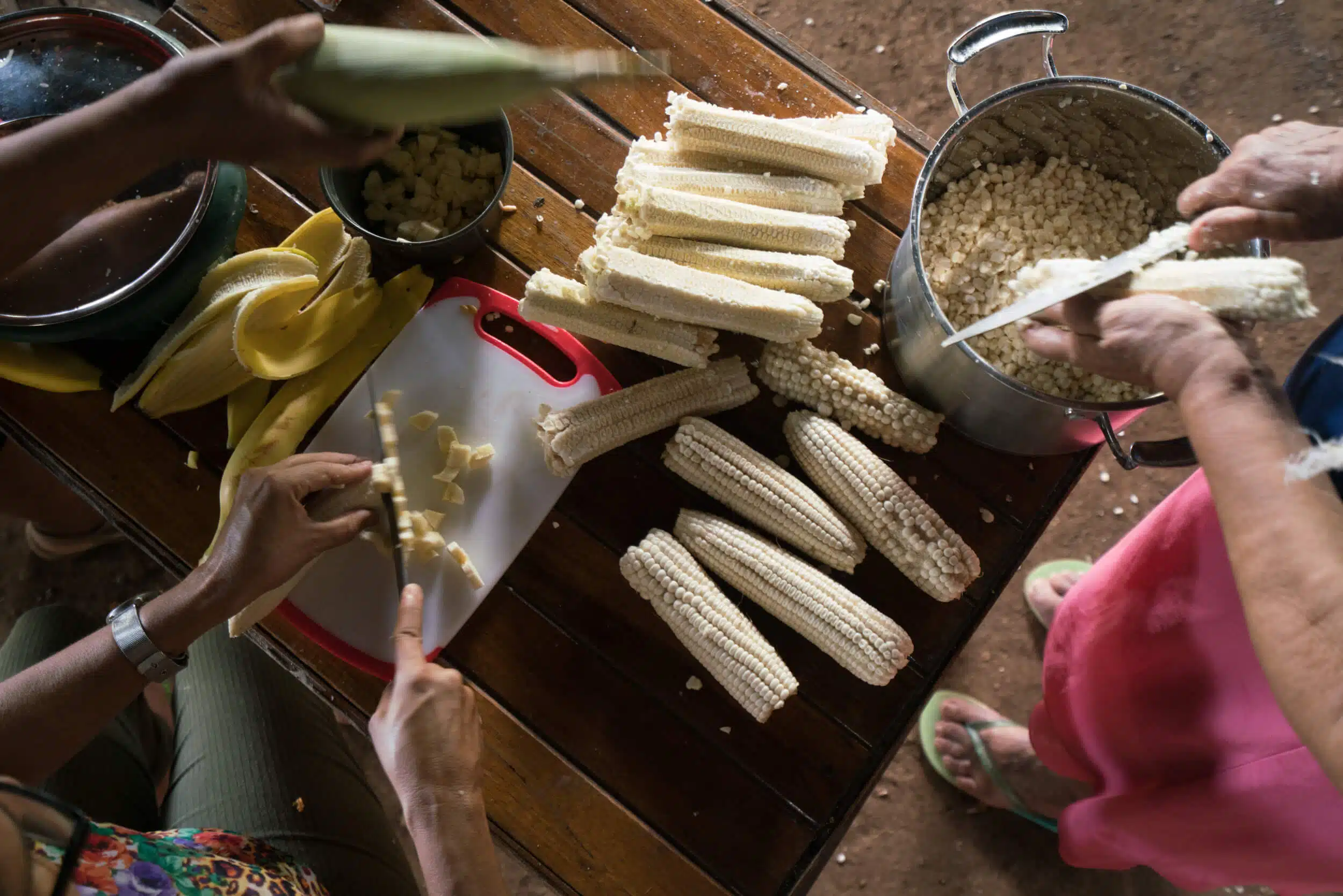
In the Nicoya Peninsula, the secret to a long life is found in the "three sisters" of Mesoamerican agriculture: squash, corn, and black beans. When grown and eaten together, these three crops provide a balanced nutritional profile of complex carbohydrates, fiber, and protein. Nicoyans often eat corn tortillas that have been treated with lime (calcium hydroxide), which increases the bioavailability of niacin and calcium.
Ikaria, Greece
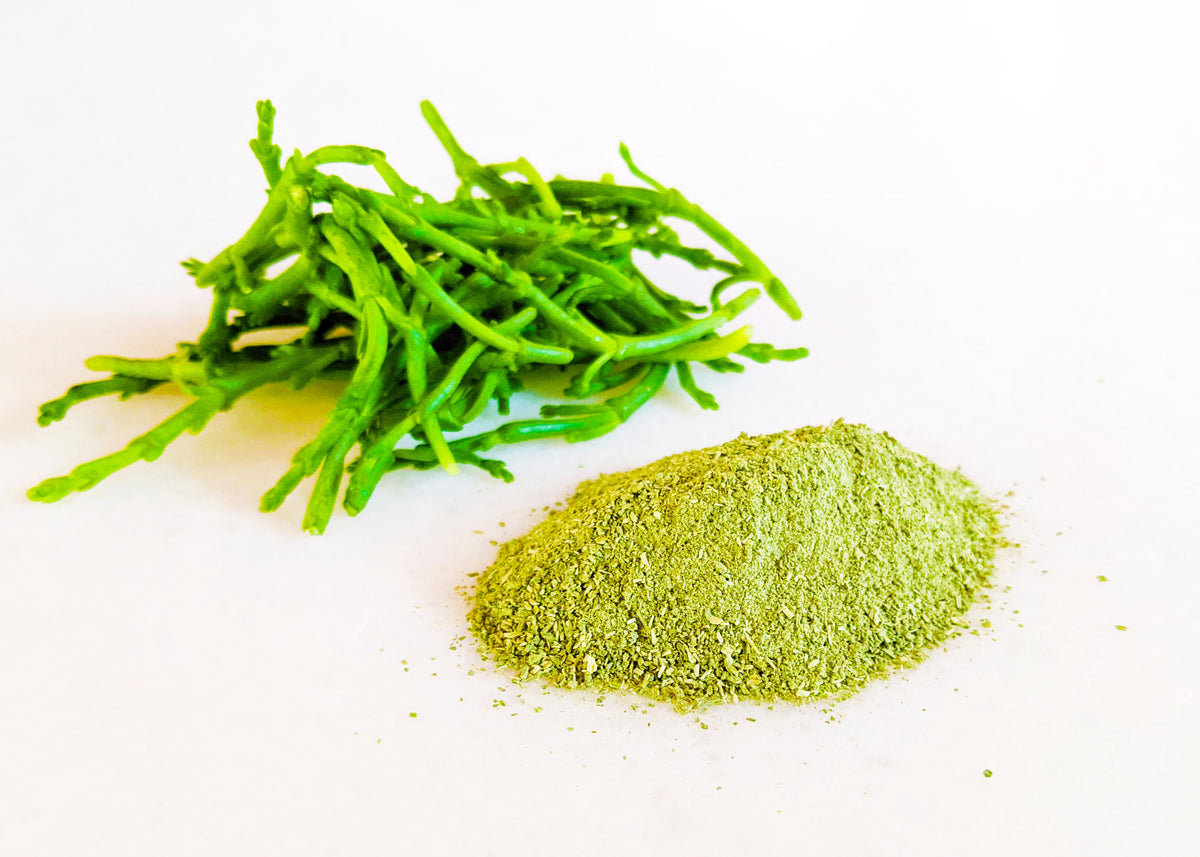
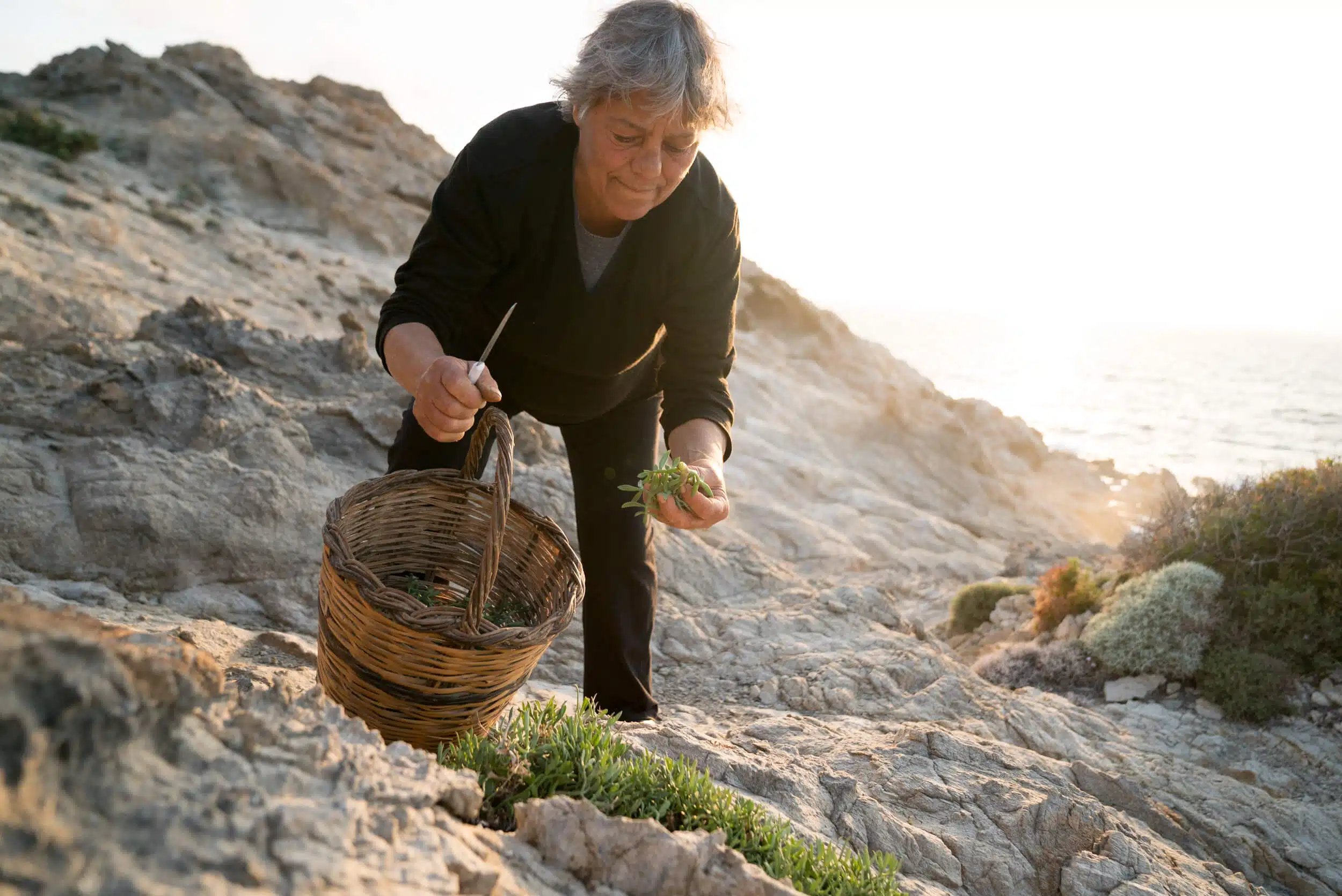
Often called the "island where people forget to die," Ikaria relies heavily on wild greens and herbal teas. These greens, like dandelion and purslane, are rich in minerals and have diuretic properties that can help lower blood pressure. Their teas are made from rosemary, sage, and oregano, which act as gentle anti-inflammatory agents.
Loma Linda, California
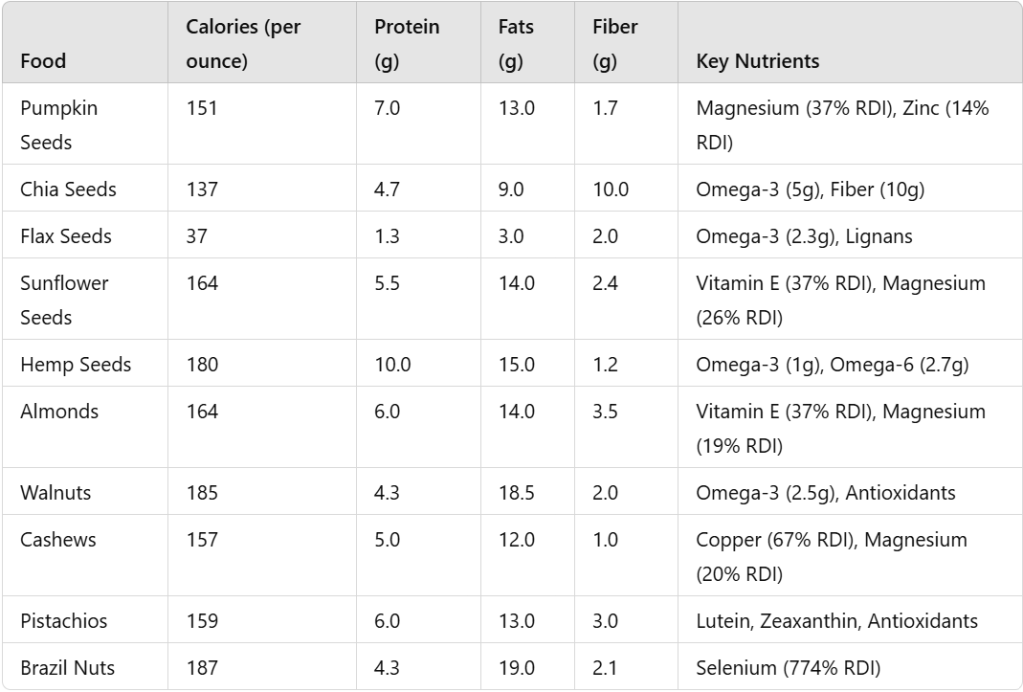
The only Blue Zone in the United States is home to a large community of Seventh-day Adventists. Their blue zones diet superfoods list for longevity focuses heavily on nuts and seeds. They emphasize a vegetarian lifestyle, and studies have shown that Adventist vegetarians live significantly longer than their meat-eating counterparts.
The Longevity Kitchen: Essential Pantry Staples
Transitioning to this way of life does not require a massive budget or access to exotic markets. In fact, knowing how to transition to a blue zones diet at home starts with simplifying your pantry. The focus should be on long-lasting, nutrient-dense ingredients that can be used in various plant based longevity recipes.
To build your longevity kitchen, prioritize these essential pantry staples for a blue zones kitchen:
- Legumes and pulses: Dried or canned chickpeas, black beans, lentils, and fava beans. A study supported by the World Health Organization found that consuming just 20 grams of beans daily reduces an individual's risk of death in any given year by approximately 8%.
- Whole grains: Barley, oats, brown rice, and farro provide the fiber necessary for a healthy gut.
- Nuts: Walnuts and almonds are excellent snacks that support brain health.
- Healthy fats: Extra virgin olive oil should be your primary fat source for both cooking and dressing.
When shopping on a budget, buy your beans and grains in bulk. Dried pulses are significantly cheaper than canned versions and allow you to control the sodium content. By replacing processed snacks with whole fruits and seeds, you not only save money but also eliminate the added sugars that contribute to metabolic dysfunction.
Meal Planning and Longevity Recipes
One of the biggest hurdles to healthy eating is a lack of time. This is where a sardinian minestrone recipe for weekly meal prep becomes a lifesaver. You can make a massive pot on Sunday and enjoy it throughout the week. As the soup sits, the flavors of the vegetables and legumes meld, and the resistant starch in the beans increases, which is even better for your gut health.
Emily's Tip: To boost the nutrient density of any meal, add a handful of microgreens. Research suggests they can contain 4 to 40 times the vitamin concentration of their mature counterparts.
When planning your meals, aim for a "plant-slant." This means that plants should take up the majority of your plate. If you do choose to eat meat, remember that centenarians in Blue Zones typically consume meat only about five times per month, with portions limited to the size of a deck of cards.
A simple daily meal plan might look like this:
- Breakfast: Steel-cut oats with walnuts and fresh berries.
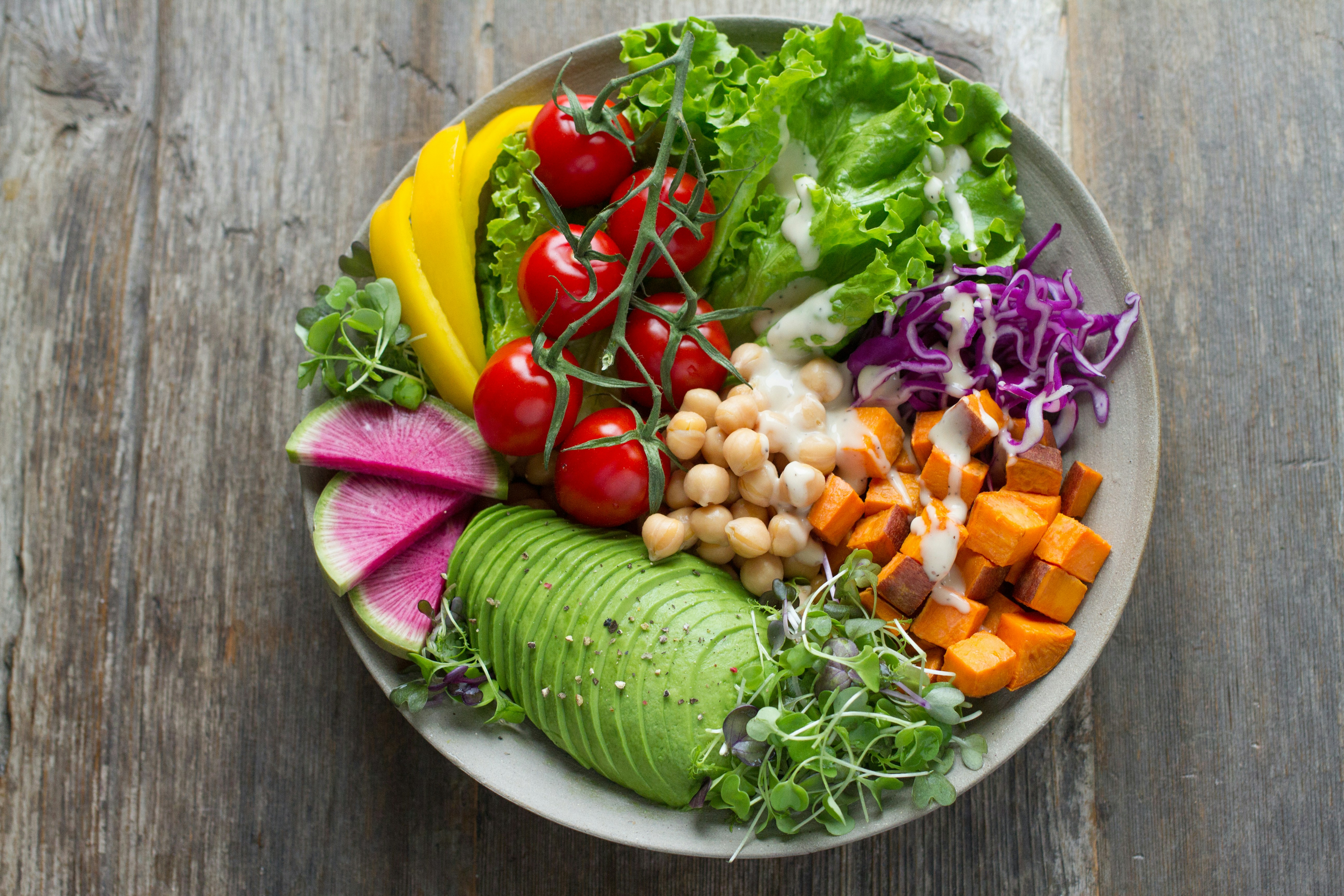
- Lunch: A large Mediterranean bean salad with plenty of leafy greens and a lemon-tahini dressing.
- Dinner: A bowl of vegetable-heavy minestrone or a sweet potato and black bean taco.
- Snack: A handful of almonds or a piece of seasonal fruit.
By focusing on these nutrient-dense ingredients, you satisfy your hunger without overconsuming calories. This naturally supports the goal of weight maintenance and long-term vitality.
FAQ
What is the Blue Zones diet?
It is a nutritional framework modeled after the eating habits of people in regions with the highest concentration of centenarians. It focuses on whole, plant-based foods, particularly legumes, whole grains, and vegetables, while strictly limiting processed foods and animal products.
What are the 5 original Blue Zones?
The five original regions identified by Dan Buettner and his team are Okinawa (Japan), Sardinia (Italy), Nicoya (Costa Rica), Ikaria (Greece), and Loma Linda (California, USA).
What foods are allowed on the Blue Zones diet?
The diet allows for a wide variety of vegetables, fruits, legumes, nuts, seeds, and whole grains. Small amounts of sheep or goat milk cheese and yogurt are common in Mediterranean zones, and fish is consumed occasionally. Meat and added sugars are kept to a minimum.
What is the 80% rule in Blue Zones eating?
Known as Hara hachi bu in Okinawa, this rule suggests that you should stop eating when you feel 80% full. This practice helps prevent overeating and allows the brain time to receive signals from the stomach that it is satisfied, which is vital for maintaining a healthy weight.
Is coffee or wine allowed on the Blue Zones diet?
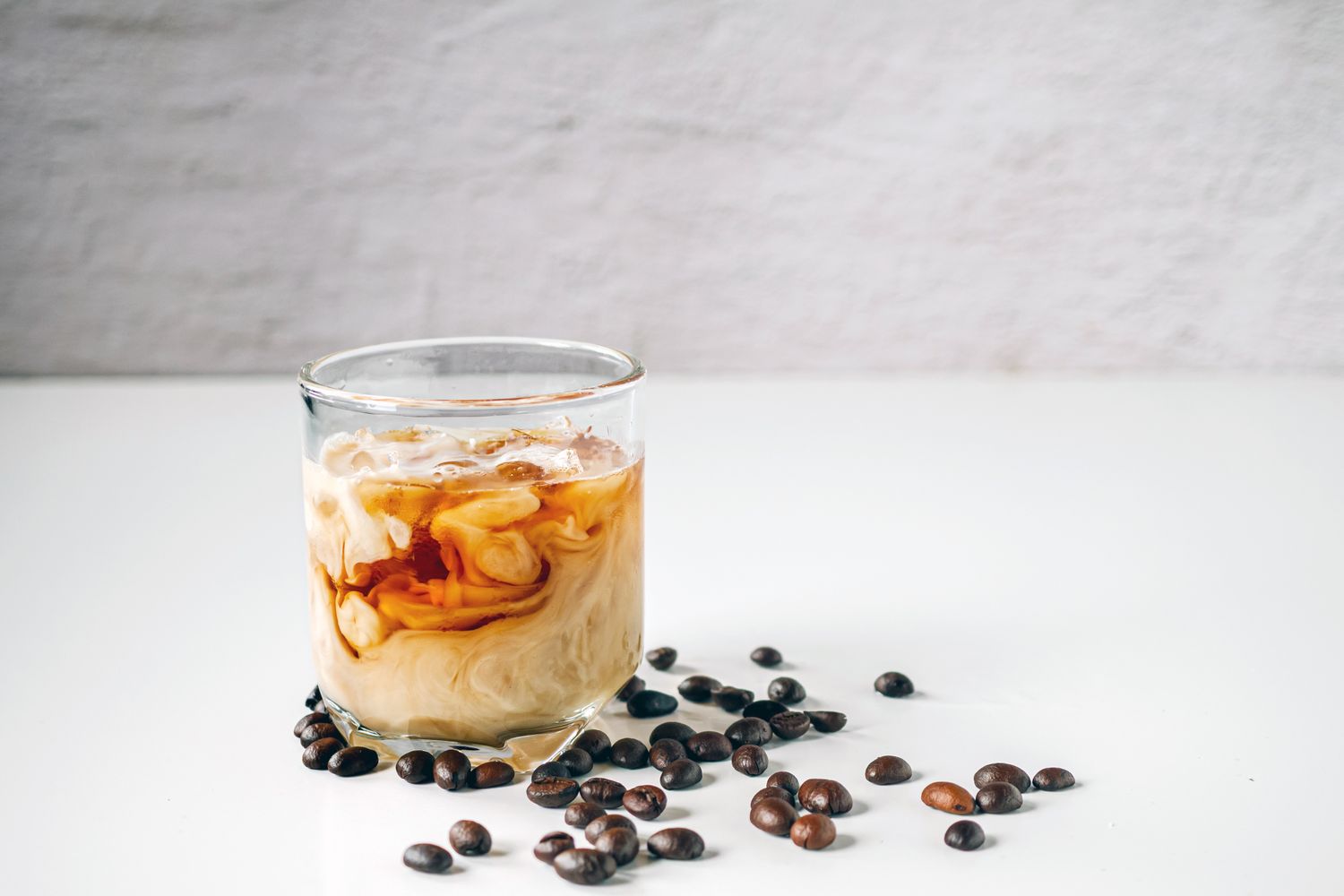
Yes, both are part of the lifestyle. Coffee is a major source of antioxidants in many Blue Zones. Wine, particularly Cannonau from Sardinia, is often enjoyed in moderation (1-2 glasses a day) during social gatherings, which provides both polyphenols and the health benefits of social connection.
The journey to a longer, healthier life doesn't require a radical overnight transformation. It starts with small, sustainable changes to your environment and your plate. By adding a single cup of beans to your daily routine or practicing the 80% rule at dinner, you are already aligning yourself with the habits of the world's longest-lived people. Longevity isn't about a single "magic pill"—it's about the delicious, simple, and wholesome choices you make every day in your kitchen.