Quick Facts
- Co-occurrence: Approximately 63 percent of individuals with high blood pressure also have high cholesterol, making it one of the most common dual-risk profiles in cardiovascular health.
- Risk Increase: Research suggests that men with the highest total cholesterol levels face a 23 percent increased risk of developing hypertension compared to those with optimal levels.
- 2026 LDL-C Targets: Current guidelines have shifted toward aggressive prevention, targeting LDL-C levels below 55 mg/dL for individuals at the highest risk of cardiovascular events.
- Vascular Age: Clinicians now use a cfPWV score (carotid-femoral pulse wave velocity) of 10 m/s or higher as a definitive marker for dangerous arterial stiffness.
- The Mechanism: High cholesterol promotes hypertension through the buildup of atherosclerotic plaques that narrow and stiffen arteries, forcing the heart to work harder.
- Early Intervention: New clinical standards recommend that cardiovascular risk assessments begin as early as age 30 to address the impact of cumulative lipid exposure.
High cholesterol and hypertension are fundamentally linked through atherosclerosis. When excess LDL cholesterol leads to plaque buildup and arterial stiffness, it increases vascular resistance, forcing the heart to pump harder and raising blood pressure. Over 63% of hypertensive patients also have high cholesterol.
The Hidden Connection: Atherosclerosis and Arterial Stiffness
The human vascular system is remarkably resilient, but it is not invincible. To understand how high cholesterol contributes to hypertension development, we have to look at the plumbing of the human body. Think of your arteries as flexible, elastic garden hoses. In a healthy state, they expand and contract with every heartbeat, maintaining a steady and safe blood flow. However, when your lipid profile becomes unbalanced, specifically with high levels of LDL cholesterol, the narrative changes.
Excess LDL cholesterol doesn't just float harmlessly in the bloodstream. When levels are high, these particles can penetrate the delicate inner lining of the arteries, known as the endothelium. This trigger causes an inflammatory response where white blood cells, fats, and eventually calcium combine to form a thick, waxy substance. This process, known as atherosclerosis and high blood pressure, describes the gradual narrowing of the vessel’s interior.
As these deposits grow, we see a clear relationship between LDL cholesterol and arterial narrowing. It isn't just that the "pipe" is getting smaller; it's that the pipe is becoming rigid. This loss of vascular compliance is a critical turning point. When your arteries can no longer stretch to accommodate the surge of blood from the heart, the heart must exert more force. This increased vascular resistance is the primary driver of elevated blood pressure.
Furthermore, this process is often preceded by endothelial dysfunction. This is a state where the blood vessels lose their ability to produce nitric oxide, the gas responsible for telling vessels to relax. Without this signal, arteries stay constricted, further exacerbating the impact of arterial stiffness on blood pressure regulation. By the time plaque is visible on an ultrasound, the systemic environment has already been primed for hypertension.
2026 Guidelines: Managing Risk Earlier and Longer
The medical community has moved away from the "wait and see" approach of previous decades. The new 2026 guidelines for managing cholesterol and blood pressure emphasize the concept of cumulative lipid exposure. Much like smoking, the damage done by cholesterol is a factor of both intensity and time. It is no longer enough to have a healthy cholesterol reading at age 50 if your levels were high throughout your 30s and 40s.
Modern preventative cardiology now utilizes the "CPR" framework: Calculate, Personalize, and Reclassify. Doctors are moving beyond the standard 10-year risk calculators to look at 30-year or even lifetime risk. This is why managing high cholesterol at age 30 to prevent hypertension has become a primary clinical focus. By using the PREVENT equations, which factor in renal health and metabolic markers, physicians can identify high-risk men decades before a heart attack occurs.
| Feature | 2018 Guidelines | 2026 Updated Guidelines |
|---|---|---|
| Primary Assessment | 10-Year ASCVD Risk | Lifetime Cumulative Lipid Exposure |
| LDL-C Target (High Risk) | < 70 mg/dL | < 55 mg/dL |
| Screening Age | Usually starting at 40 | Recommended starting at age 30 |
| Key Marker | Total Cholesterol / LDL | Lp(a) and cfPWV (Arterial Stiffness) |
| Focus | Treating existing disease | Aggressive preventative cardiology |
One of the most significant shifts in the new guidelines is the mandatory screening of Lipoprotein(a), or Lp(a). This is a genetically determined type of cholesterol that is particularly sticky and prone to causing plaque. A threshold of ≥125 nmol/L is now considered a "risk enhancer" that may require early intervention with statins or newer lipid-lowering therapies, regardless of a person’s total cholesterol levels.
The Vicious Cycle: Why Pressure and Plaque Feed Each Other
It is a mistake to view cholesterol and hypertension as two separate issues. In reality, they form a symbiotic relationship that accelerates cardiovascular aging. While high cholesterol leads to arterial stiffness, high blood pressure returns the favor by causing physical trauma to the arterial walls.
When blood slams against the artery walls at high pressure, it creates micro-tears in the endothelium. These microscopic wounds act like "velcro" for LDL cholesterol. Once the wall is damaged, it is much easier for plaque to take root and expand. This creates a feedback loop: high cholesterol stiffens the arteries, which raises blood pressure, which then damages the arteries further, allowing even more cholesterol to accumulate.
This cycle is fueled by systemic inflammation. Chronic inflammation makes the plaque within the arteries unstable and more likely to rupture, which is the immediate cause of most heart attacks. Additionally, hypertension activates the renin-angiotensin system, a hormone system that regulates blood pressure and fluid balance. When this system is overactive, it doesn't just raise pressure; it also promotes the growth of smooth muscle cells in the artery walls, further contributing to arterial narrowing.
"The intersection of lipid management and blood pressure control is the 'sweet spot' for longevity. You cannot effectively treat one while ignoring the other, as they are two sides of the same physiological coin." — Kevin Lee
Practical Steps: Lowering Cholesterol and Hypertension Naturally
The good news is that the vascular system is surprisingly plastic. While you cannot "erase" all existing plaque, you can certainly improve vascular compliance and stabilize the plaque you have. Taking practical steps for lowering cholesterol and hypertension naturally starts with nutrition, but it goes deeper than just avoiding saturated fats.
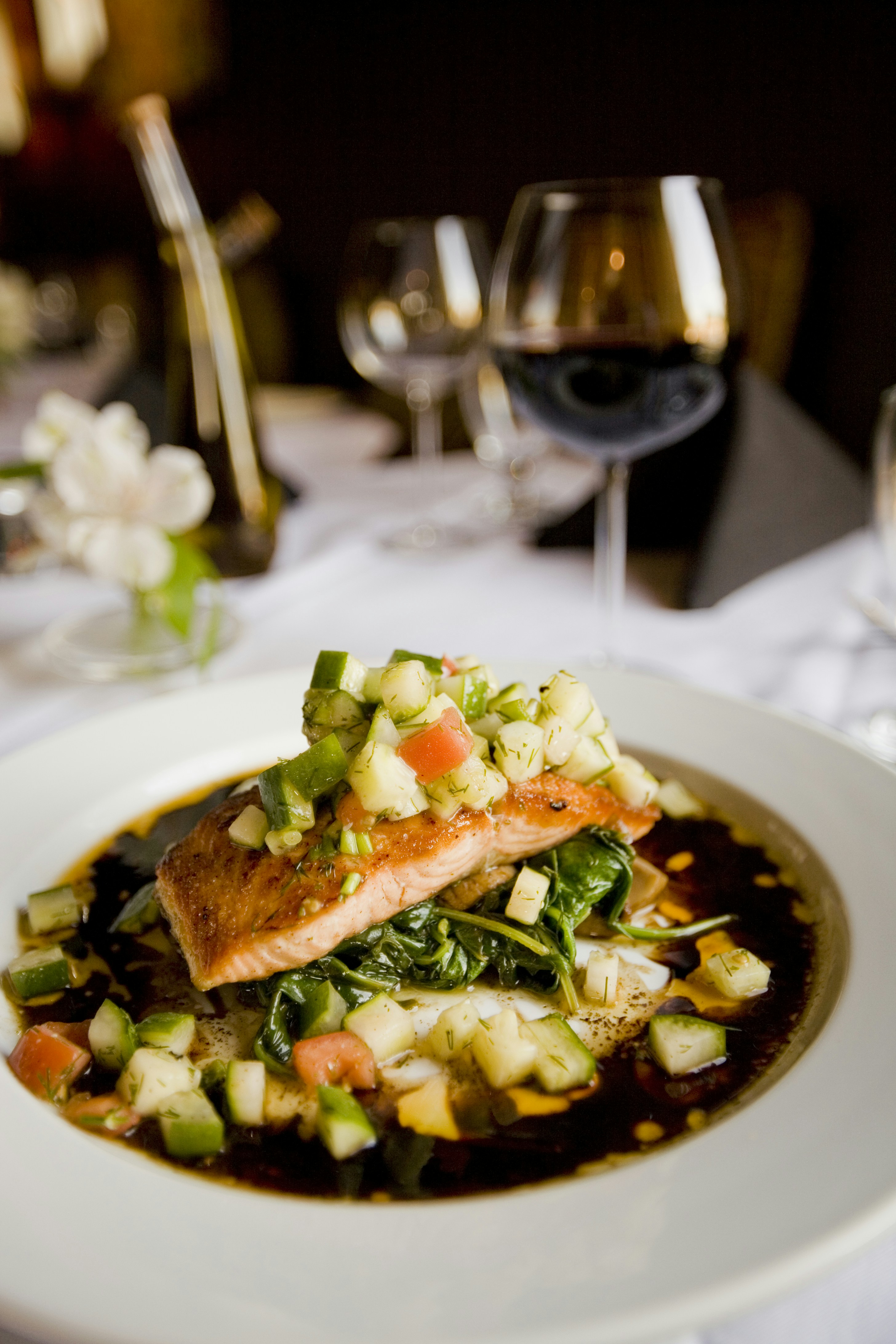
The DASH (Dietary Approaches to Stop Hypertension) diet remains the gold standard. By focusing on high-potassium foods, lean proteins, and whole grains, you help balance the sodium in your system and reduce the tension in your blood vessel walls.
One of the most overlooked aspects of vascular health is the role of Vitamin K2, specifically the MK-7 form. While Vitamin D helps your body absorb calcium, Vitamin K2 acts as a "traffic cop." Through a mechanism often called "Calcium Keep-Away," Vitamin K2 activates a protein called Matrix Gla-protein (MGP). MGP is the most potent inhibitor of arterial calcification currently known. It literally pulls calcium out of the soft tissues (like your arteries) and shuttles it into your bones and teeth where it belongs.
To support this process, consider these lifestyle changes for cholesterol and hypertension:
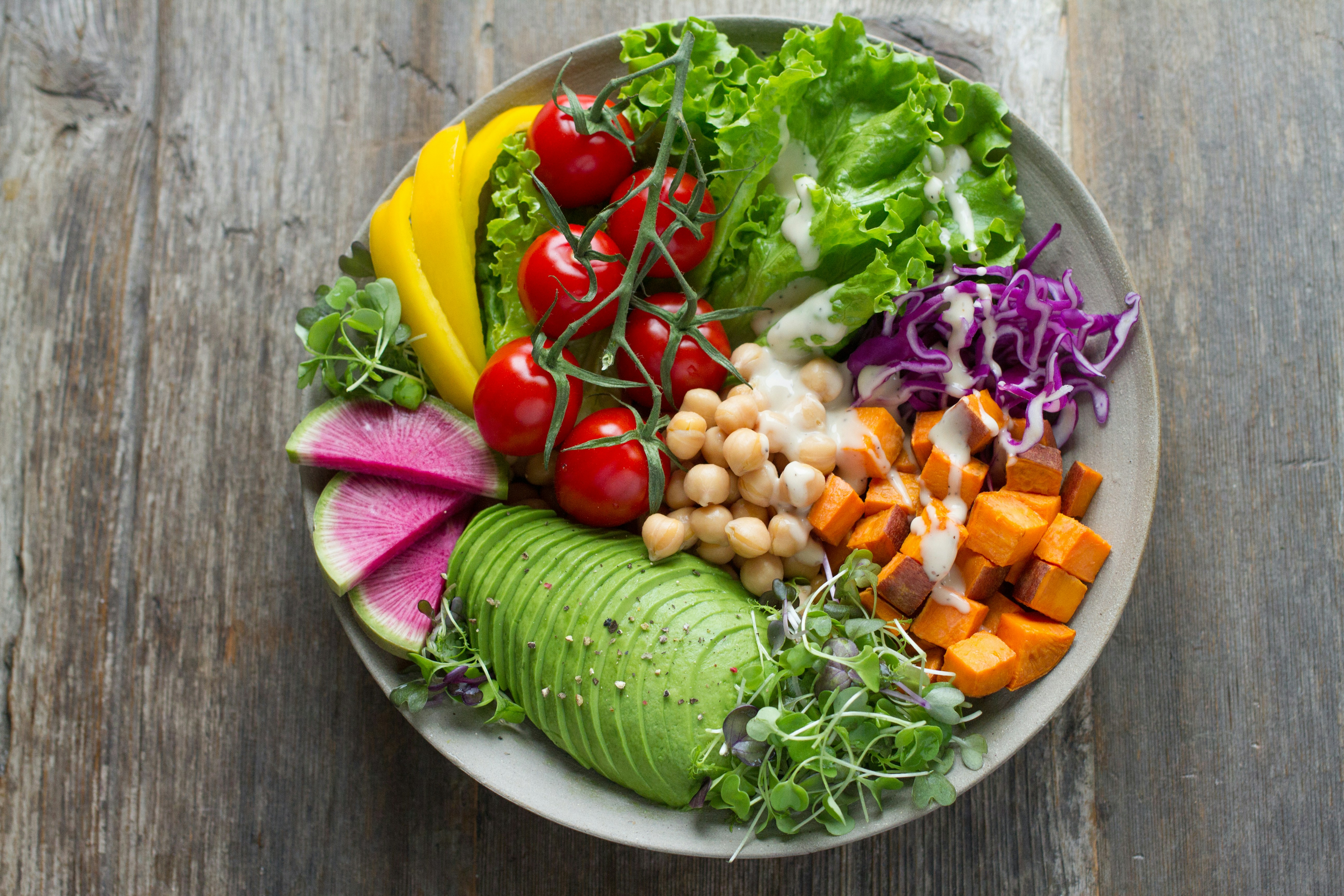
- Nitrate Loading: Consume vegetables like beets, kale, and spinach. These are rich in dietary nitrates, which your body converts into nitric oxide to improve blood flow dynamics and lower pressure.
- Aerobic Threshold Training: Regular cardiovascular exercise, such as zone 2 training, improves the elasticity of the heart and the major arteries, directly counteracting arterial stiffness.
- Magnesium Supplementation: Magnesium acts as a natural calcium channel blocker, helping the heart muscle and blood vessels relax.
- Fiber Intake: Soluble fiber, found in oats and beans, binds to cholesterol in the digestive tract and removes it from the body before it can enter the bloodstream.
Finally, don't underestimate the power of consistent movement. While strength training is vital for metabolic health, aerobic exercise is the primary tool for improving the flexibility of your "pipes." Aim for at least 150 minutes of moderate-intensity activity per week to maintain healthy vascular compliance.

FAQ
What is the relationship between high cholesterol and high blood pressure?
High cholesterol and hypertension are linked through the development of atherosclerosis. When excess LDL cholesterol accumulates in the arterial walls, it forms plaque that narrows and stiffens the blood vessels. This stiffness increases vascular resistance, which forces the heart to pump with more force, directly leading to elevated blood pressure over time.
Can high cholesterol cause high blood pressure?
Yes, high cholesterol is a major contributing factor to the development of hypertension. By promoting plaque buildup and arterial stiffness, it reduces the elasticity of the blood vessels. When arteries cannot expand properly to accommodate blood flow, the internal pressure against the vessel walls rises, resulting in high blood pressure.
How do I lower both cholesterol and blood pressure naturally?
The most effective way to address both is through a combination of dietary changes and physical activity. Following the DASH diet, increasing your intake of soluble fiber and nitrates, and supplementing with Vitamin K2 and Magnesium can help. Additionally, engaging in regular aerobic exercise improves vascular compliance, making it easier for the heart to pump blood at lower pressures.
What are the risks of having both high cholesterol and hypertension?
Having both conditions significantly increases your lifetime risk of cardiovascular disease, including heart attack and stroke. These two factors create a "vicious cycle" where the high pressure damages the artery walls, making it easier for cholesterol to stick and form plaque, which then further increases the blood pressure. This combination accelerates the aging of the entire vascular system.
The roadmap to longevity is paved with clear, actionable steps. By understanding the connection between your lipid profile and your blood pressure, you can take control of your vascular health before small issues become permanent problems. If you haven't had a full lipid panel or a blood pressure screening in the last year, now is the time to schedule one. Your future self will thank you for the intervention you start today.