Quick Facts
- Top Tech-Integrated Pick: Dexcom G7 (8.2% MARD, 15.5-day wear)
- Best Value/Discrete: Libre 3 Plus (Smallest form factor)
- Best Long-Term: Eversense 365 (1-year implantable)
- OTC Choice: Dexcom Stelo ($89-$99/mo)
- Direct Clinical Impact: 67% reduction in hospitalizations for consistent users
- Accuracy Benchmark: All top 2026 models maintain a MARD below 10%
The leading continuous glucose monitors in 2026 include the Dexcom G7, Abbott FreeStyle Libre 3 Plus, and the Eversense 365. These devices have fundamentally changed the way we approach metabolic health, offering real-time glucose tracking and predictive alerts that help prevent dangerous glycemic events. By moving away from intermittent fingersticks toward a continuous glucose monitor, patients can achieve a more nuanced blood sugar trend analysis, allowing for precise lifestyle adjustments and better long-term wellness.
How It Works: Beyond the Fingerstick
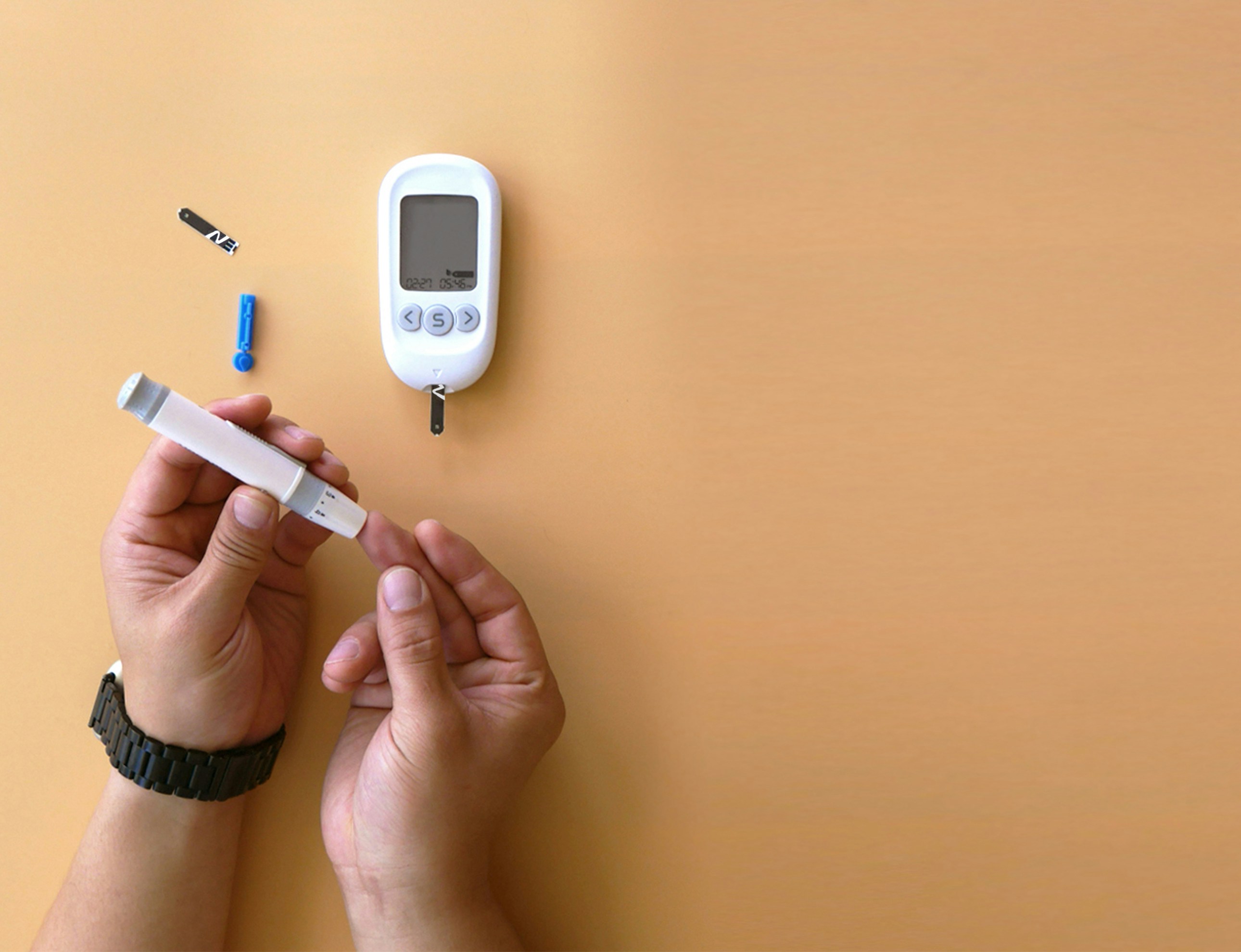
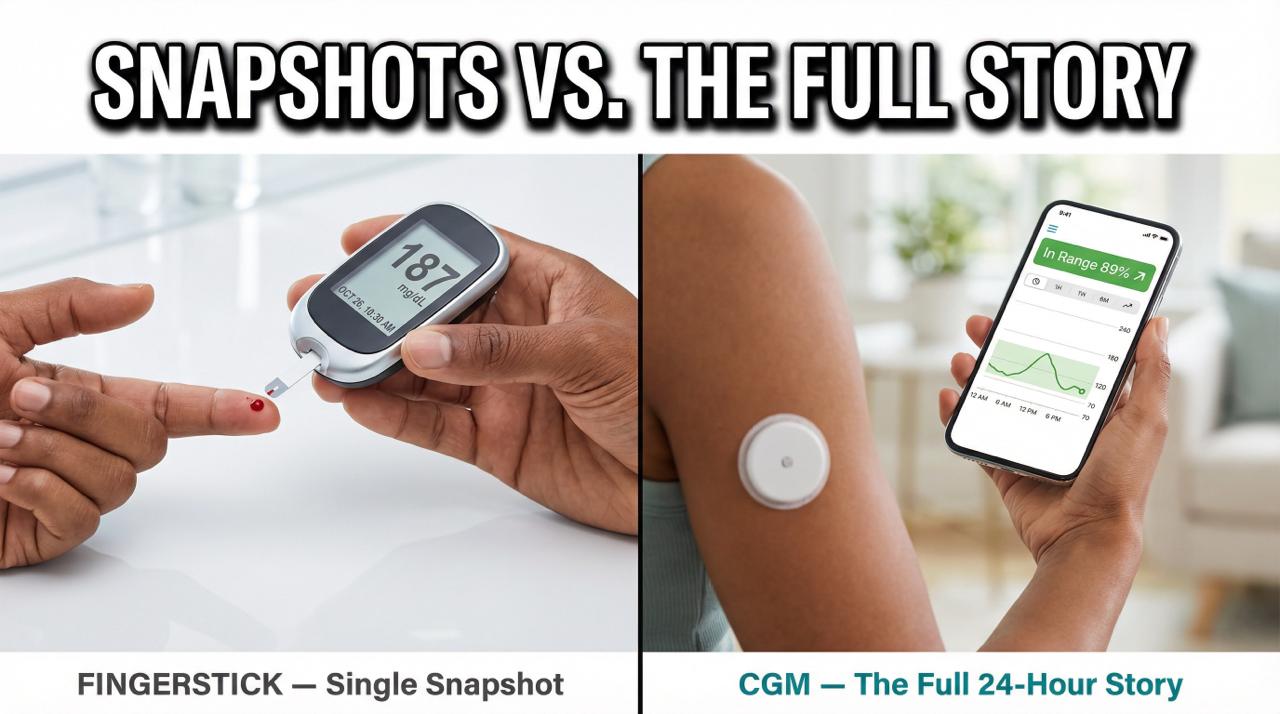
Managing diabetes used to be a series of disconnected snapshots. You would prick your finger, see a number, and try to guess what happened in the hours between tests. As a preventive care editor, I have seen how this "data gap" creates immense stress for patients. A continuous glucose monitor changes the narrative by providing a movie instead of a polaroid.
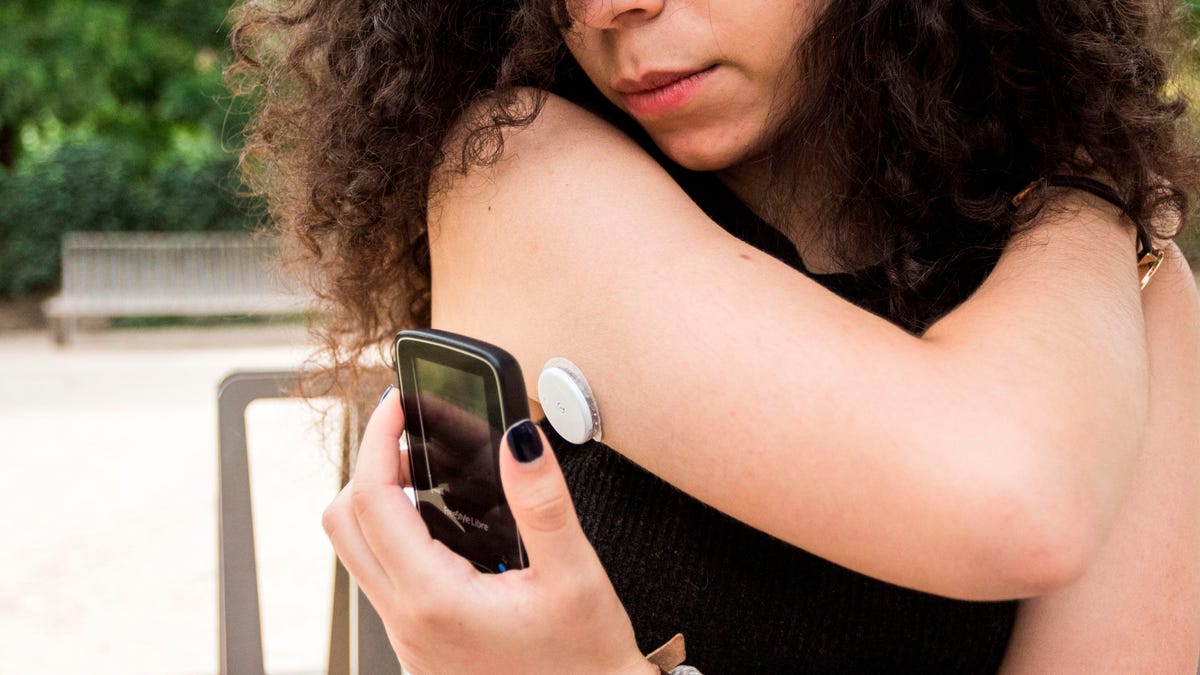
These wearable medical devices work by placing a small, flexible cannula under the skin. Instead of measuring glucose directly from the blood, they measure it in the interstitial fluid—the fluid surrounding your cells. It is important to remember that there is often a 5-to-20-minute physiological delay between your blood sugar and the reading shown on your device. However, the sophisticated algorithms in 2026 sensors effectively bridge this gap with predictive glucose alerts that tell you where your levels are headed, not just where they have been.
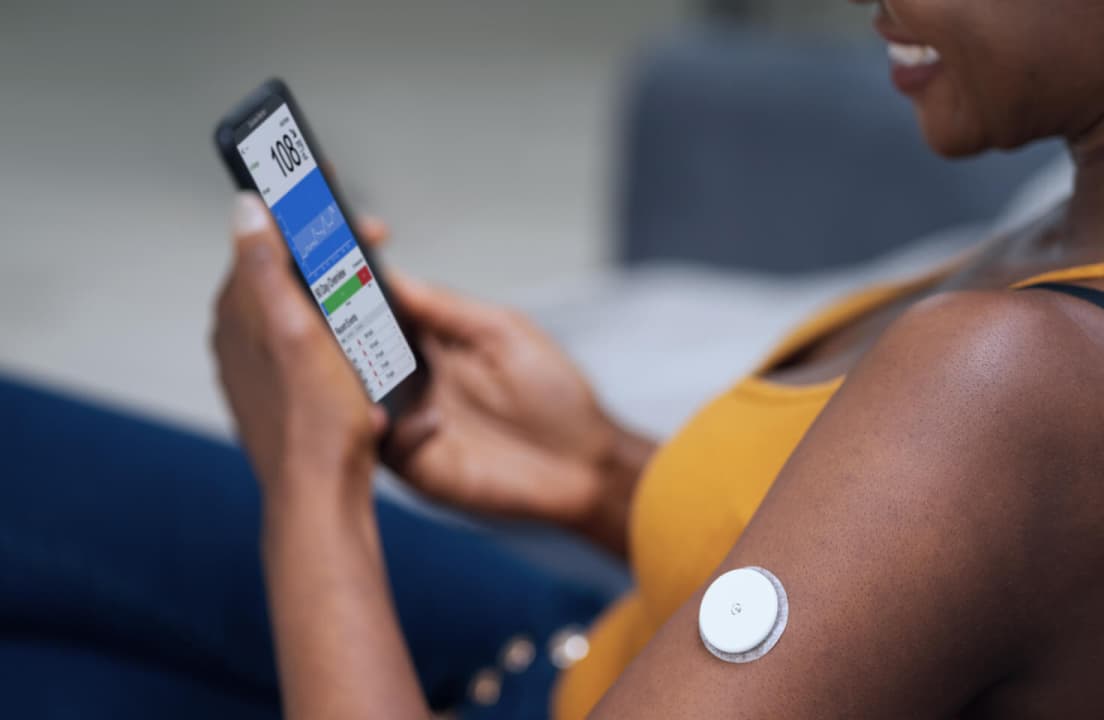
The clinical evidence supporting this technology is overwhelming. Research shows that the initiation of Continuous Glucose Monitoring (CGM) is associated with a 67% reduction in diabetes-related hospital admissions and a 40% decrease in emergency department visits. By seeing a constant stream of data, users can identify patterns they never noticed before, such as how a specific "healthy" snack might be causing significant glycemic variability.
When we talk about improving diabetes management, we are really talking about increasing your Time in Range (TIR). This metric refers to the percentage of time your blood sugar stays within your target window (usually 70-180 mg/dL). Studies indicate that adopting this technology can improve glycemic control by increasing a patient's 'time in range' by 15% to 34% compared to traditional blood glucose monitoring methods.
Choosing Your Device: Dexcom G7 vs. Libre 3 Plus
Selecting the best continuous glucose monitors for type 2 diabetes 2026 depends heavily on your lifestyle and your specific clinical goals. If you are someone who loves data and wants your health metrics integrated into your Apple Watch or Garmin, the Dexcom G7 is often the premier choice.
The Powerhouse: Dexcom G7
The Dexcom G7 has set a high bar for accuracy, boasting an 8.2% MARD (Mean Absolute Relative Difference) score. In the world of glucose sensing, a lower MARD means higher accuracy. We love the G7 for its "Direct to Watch" feature, which allows you to see your levels without needing your phone nearby—a game-changer for runners and busy professionals.
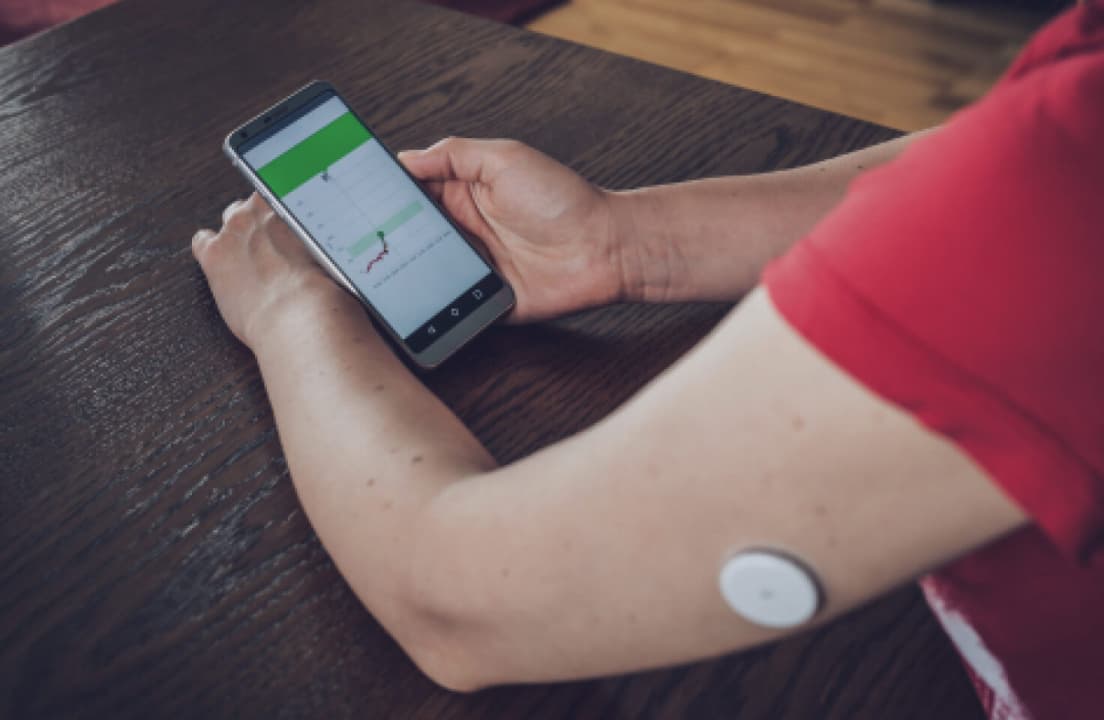
The G7 offers a 15.5-day wear time (including a 12-hour grace period) and features a fast 30-minute warm-up time. Its ability to integrate with automated insulin delivery pumps makes it a top-tier choice for those requiring insulin sensitivity tracking and tight control.
The Minimalist: FreeStyle Libre 3 Plus
For those who prioritize discretion and affordability, the FreeStyle Libre 3 Plus is a masterpiece of engineering. It is roughly the size of two stacked pennies, making it the smallest real-time sensor on the market.
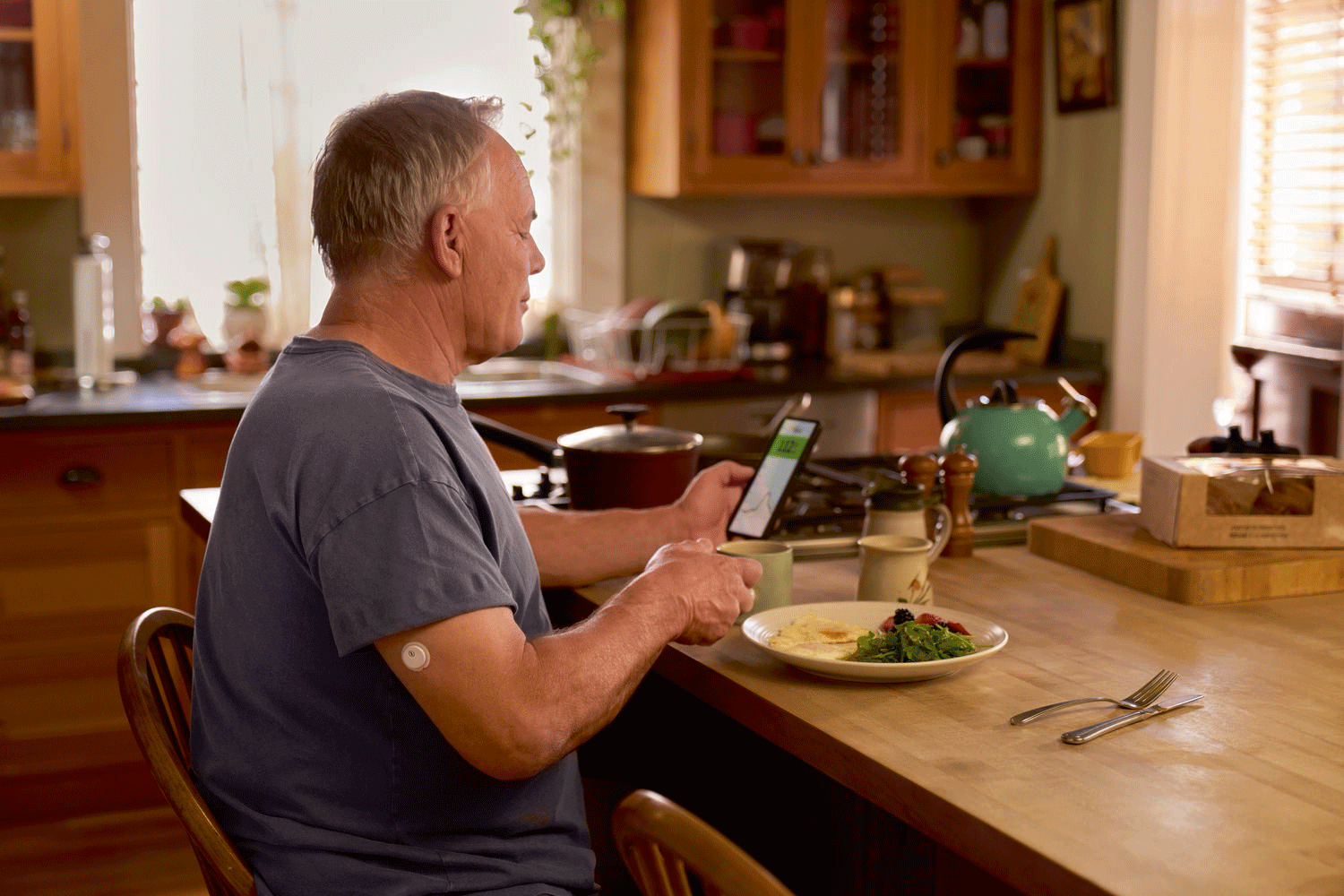
The Libre 3 Plus provides a 15-day wear time and is often more accessible through various insurance plans. While it might lack some of the advanced smartwatch features of its competitors, it excels at providing a calibration-free sensors experience that works reliably in the background of your life.
| Feature | Dexcom G7 | Libre 3 Plus | Eversense 365 |
|---|---|---|---|
| Accuracy (MARD) | 8.2% | 8.9% | 8.5% |
| Wear Time | 15.5 Days | 15 Days | 365 Days |
| Sensor Type | Disposable | Disposable | Implantable |
| Calibration | Factory (Optional Manual) | Factory Only | Daily (Self-Learning) |
| Pump Pairing | Tandem, Omnipod 5 | Limited Tandem | Coming Soon |
Understanding how to use CGM data to improve blood sugar management starts with interpreting blood sugar trend arrows for actionable care. If you see a single arrow pointing straight up, it means your glucose is rising rapidly; if you see double arrows, you may need to take immediate action to avoid a postprandial spike. These visual cues are much more intuitive than a single static number.
Long-Term and Lifestyle Solutions: Eversense & OTC Models
While disposable sensors are the standard, 2026 has seen a surge in interest for long term implantable CGM sensors. The Eversense 365 is a revolutionary option for adults who are tired of changing sensors every two weeks. This sensor is a small rod implanted in the upper arm by a healthcare provider, and it stays active for a full year.

The primary benefit of the Eversense system is the lack of "sensor anxiety"—the fear that your sensor will catch on a doorframe or fall off in the pool. It also features a removable transmitter, meaning you can take the external piece off for a formal event or a photo and snap it back on without wasting a sensor.
Beyond clinical diabetes care, we are seeing a massive trend in metabolic health monitoring for the general population. In 2026, the best over the counter continuous glucose monitor options like Dexcom Stelo and Abbott Lingo have become widely available. These sensors are designed specifically for people with type 2 diabetes who do not use insulin, or for those interested in lifestyle optimization. They focus less on hypoglycemia prevention and more on how sleep, stress, and exercise affect your daily glucose curves.
Consistent use of these sensors for more than 270 days per year can lead to an average hemoglobin A1c (HbA1c) reduction of 1.52% in adults with type 2 diabetes after 12 months. This proves that having the data is only half the battle; staying consistent is what truly moves the needle on long-term health.
Safety, Accuracy, and the 2026 Market Landscape
As much as we advocate for this technology, user safety remains our top priority. The 2026 landscape has not been without its challenges.
Safety Alert: 2026 Sensor Recall In February 2026, a limited recall was issued for specific lots of the FreeStyle Libre 3 sensors due to concerns regarding potentially high readings that could lead to incorrect insulin dosing. If you use this system, check your lot number on the manufacturer's website and consult your healthcare provider if you experience symptoms that do not match your sensor readings.
When choosing a device, always prioritize your clinical needs over flashy features. For example, Medicare coverage requirements in 2026 typically require a diagnosis of diabetes and evidence that you are performing four or more fingersticks per day or using an insulin pump. A healthcare provider consultation is essential to navigate these insurance hurdles and to ensure you are selecting a model compatible with your current treatment plan.
We also encourage users to perform occasional fingerstick calibrations if they feel a reading is off. While most modern sensors are calibration-free, your body is unique. If you feel dizzy but your sensor says 110 mg/dL, trust your body first and the technology second.
FAQ
How does a continuous glucose monitor work?
A continuous glucose monitor uses a tiny sensor wire inserted just under the skin to measure glucose levels in the interstitial fluid. It sends this data wirelessly to a smartphone or a dedicated receiver every few minutes, providing a constant stream of information about your metabolic state.
Do you still need finger pricks with a CGM?
While modern sensors are factory-calibrated, finger pricks are still necessary if your symptoms do not match your sensor readings, during the initial warm-up period, or if the device specifically prompts you for a calibration. It is always wise to keep a traditional glucose meter as a backup.
Who is eligible for a continuous glucose monitor?
Most people with type 1 or type 2 diabetes are eligible, though insurance coverage varies. In 2026, eligibility has expanded to include many non-insulin-using type 2 patients who want to improve their glycemic control. Some sensors are also available for general metabolic health enthusiasts.
Do I need a prescription for a continuous glucose monitor?
For medical-grade devices like the Dexcom G7 or Libre 3 Plus, a prescription is required in the United States. However, new over-the-counter (OTC) versions like the Dexcom Stelo are now available without a prescription for adults who do not use insulin.
How long can you wear a CGM sensor?
Wear times vary by model. Most disposable sensors like the Dexcom G7 and Libre 3 Plus last between 10 and 15.5 days. Implantable sensors like the Eversense 365 can be worn for up to one full year before needing replacement by a medical professional.
The journey toward mastering your blood sugar is no longer a path you have to walk in the dark. With the right continuous glucose monitor, you gain a powerful partner in your preventive healthcare routine. Whether you choose the high-tech integration of the G7 or the long-term stability of the Eversense, the goal remains the same: a life lived with more clarity, less stress, and better health.