Quick Facts
- Preventative Impact: Up to 85% of diabetes-related amputations are considered preventable through early detection and consistent clinical management.
- Standard of Care: All adults with diabetes require a comprehensive diabetic foot exam at least once every year to identify underlying risk factors.
- High-Risk Frequency: If you have a history of ulcers or neuropathy, screening frequency should increase to every one to six months depending on clinical severity.
- Essential Clinical Tools: A professional screening involves using a 10-gram monofilament for sensation and a 128Hz tuning fork to assess vibration perception.
- Vascular Health: Screening for Peripheral Artery Disease often includes checking pedal pulses and performing an ankle-brachial index.
- Daily Routine: Proactive self-care, such as a daily diabetic foot self-check, is the most effective way to catch early warning signs like redness or blisters.
A professional diabetic foot exam is a multi-step clinical assessment of skin integrity, pulses, and nerve sensation—using tools like a 10g monofilament—designed to detect complications like neuropathy or ischemia before ulcers form. According to the ADA 2026 diabetic foot screening guidelines for adults, this comprehensive evaluation identifies loss of protective sensation and vascular insufficiency, which are critical precursors to more severe complications.
Components of a Professional Diabetic Foot Exam
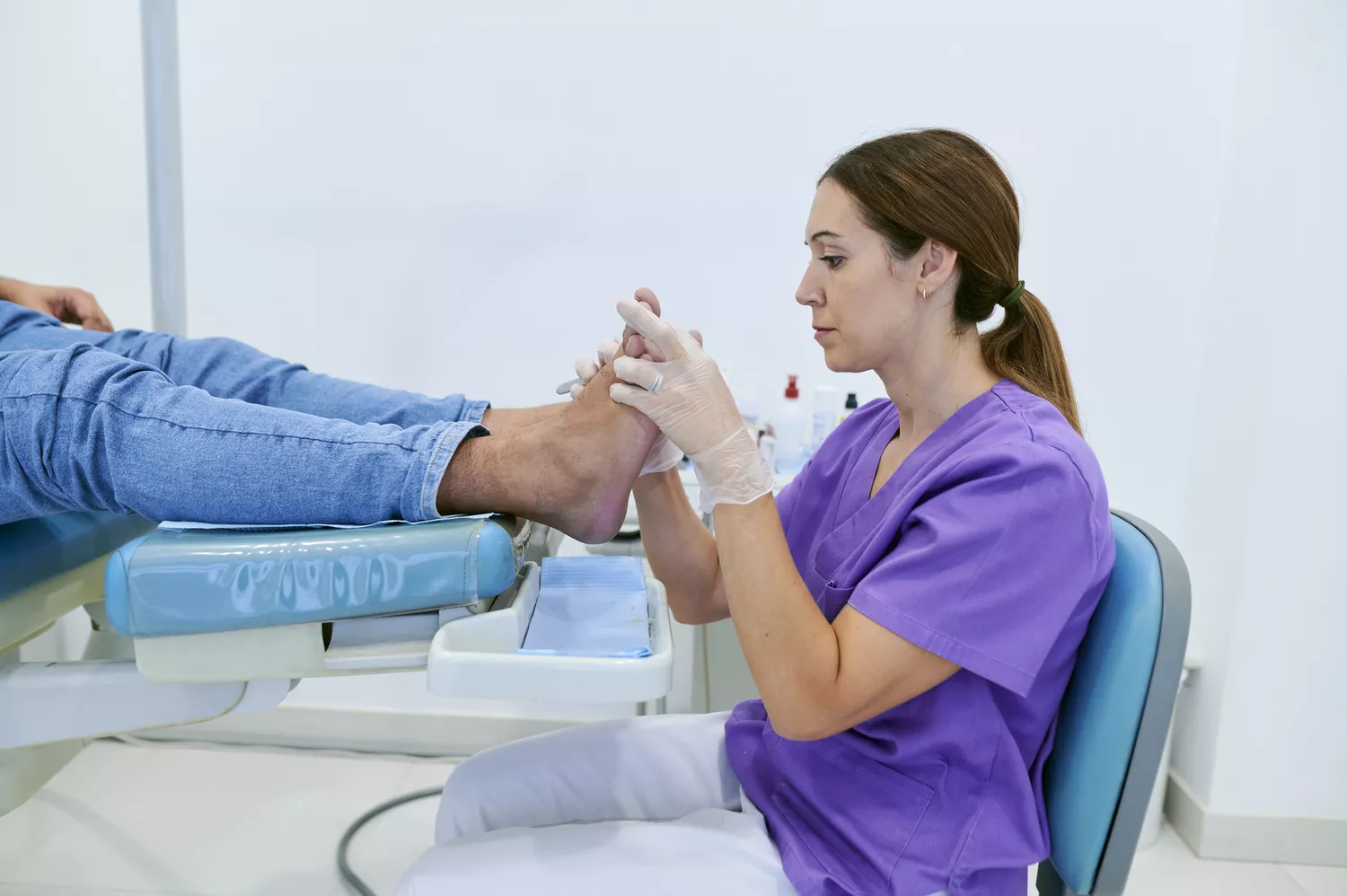
Understanding what to expect during a professional diabetic foot exam can demystify the process and help you feel more empowered during your clinical visits. A thorough screening is not just a quick glance at your toes; it is a systematic 5-point evaluation designed to map out your foot health and identify vulnerabilities before they become medical emergencies.
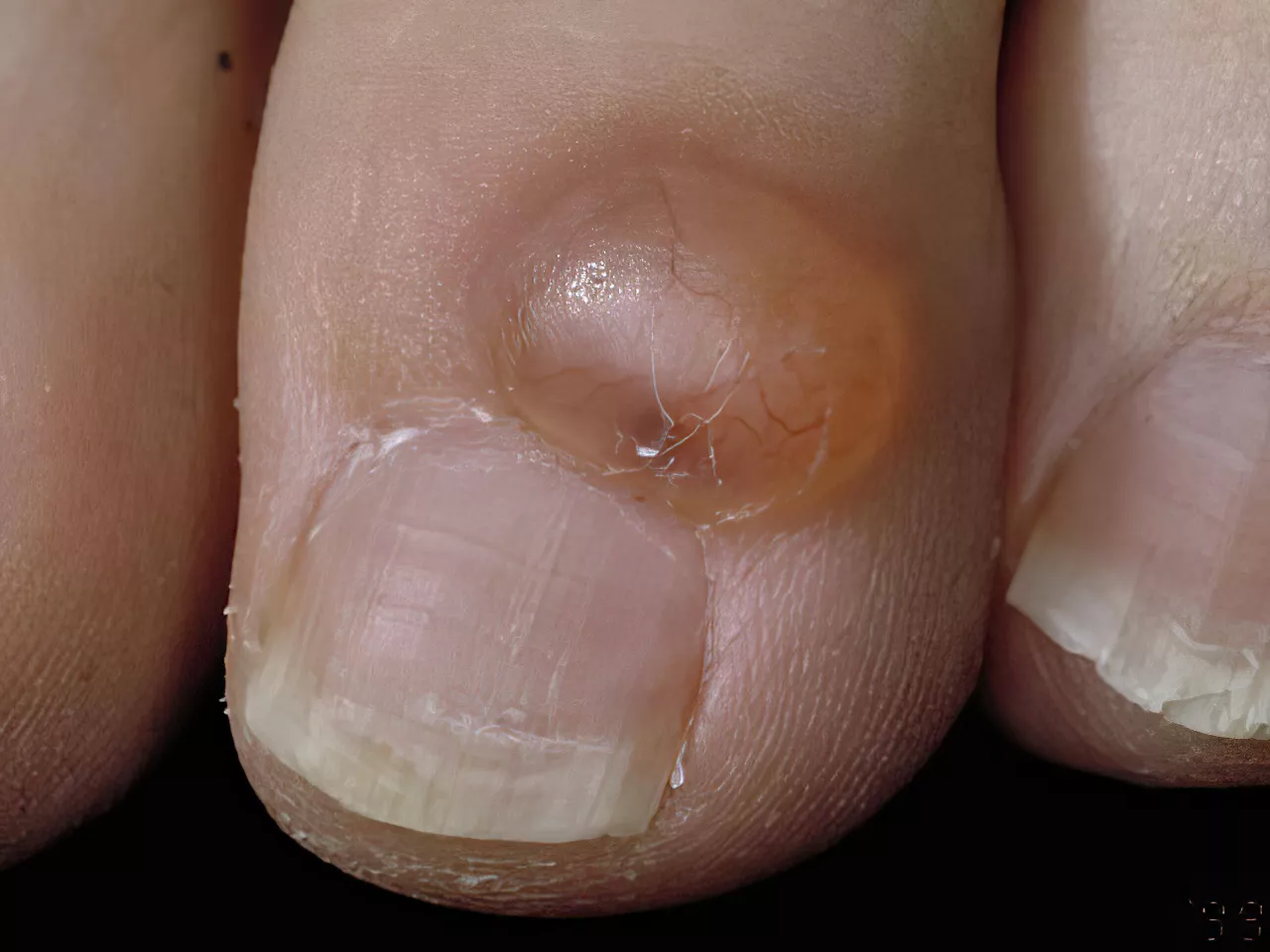
The first step is a visual inspection. Your clinician looks for signs of hyperkeratosis, which are thick calluses that can hide underlying tissue damage. They will also check for skin integrity, looking for cracks, fungal infections between the toes, or any unusual dryness. Beyond the skin, the doctor assesses the musculoskeletal structure for deformities like bunions or hammertoes, which create pressure points that increase ulcer risk.
Next, the vascular assessment focuses on circulation. The clinician will feel for pedal pulses on the top of the foot and behind the ankle. In many cases, they may perform an ankle-brachial index, which compares the blood pressure in your ankle to the blood pressure in your arm to screen for Peripheral Artery Disease. If blood flow is restricted, your feet cannot heal properly from minor injuries.
The neurological portion of the exam is perhaps the most famous part of a diabetic neuropathy foot exam. This is where the clinician tests for loss of protective sensation, or LOPS. They use a 10-gram monofilament, a small nylon fiber, to touch various points on your foot while your eyes are closed. If you cannot feel the pressure, it indicates nerve damage. Additionally, a tuning fork 128Hz is used to test your ability to perceive vibrations, which is often one of the first sensations lost when neuropathy begins.
Finally, the clinician will review your history and current glycemic control. Your recent HbA1c levels provide context for how well your blood sugar is managed, which directly impacts the health of your nerves and blood vessels.
- Visual (Hyperkeratosis): Checking for calluses, skin lesions, and structural changes.
- Vascular: Feeling for pedal pulses and measuring the ankle-brachial index.
- Neurological: Using the 10g monofilament and tuning fork 128Hz for sensation.
- Musculoskeletal: Identifying hammertoes or other structural shifts.
Risk Stratification: How Often Do You Need a Screening?
Not every patient requires the same frequency of care. The American Diabetes Association recommends that all individuals with diabetes undergo a comprehensive foot examination at least once per year to identify risk factors. However, if your initial screening reveals complications, your care plan must become more aggressive.
Research shows that structured diabetic foot screening programs can reduce amputation rates by as much as 75%. This effectiveness relies on risk stratification—assigning a risk level to each patient to determine how often they need professional eyes on their feet.
| Risk Category | Clinical Findings | Recommended Exam Frequency |
|---|---|---|
| Level 0 | No loss of sensation, no Peripheral Artery Disease | Annually |
| Level 1 | Loss of protective sensation (LOPS) detected | Every 3–6 months |
| Level 2 | LOPS plus PAD or foot deformity | Every 2–3 months |
| Level 3 | History of ulcers or Charcot foot | Every 1–2 months |
Special attention is given to Charcot foot, a serious condition where the bones in the foot weaken and shift due to severe neuropathy. This requires specialized pressure offloading techniques and very frequent monitoring to prevent a total collapse of the foot structure. If you fall into a higher risk category, your podiatrist may recommend custom therapeutic hosiery or shoes to minimize friction.
Daily Diabetic Foot Self-Check: A Step-by-Step Guide
While professional exams are the gold standard, the most important part of your preventive routine happens at home. Because neuropathy can dull the sensation of pain, you might not feel a pebble in your shoe or a blister forming. A daily diabetic foot self-check bridges the gap between doctor visits.
To perform a thorough check, find a well-lit area. If you have trouble reaching your feet or seeing the soles, use a mirror placed on the floor or ask a family member for assistance. Look for any changes in color, such as redness or blue-ish tints, and check for swelling or new blisters. It is vital to look between every toe for signs of fungal infection or moisture buildup. If you notice localized heat or a specific area of hyperkeratosis that looks dark underneath, these could be diabetic foot ulcer early warning signs and when to see a doctor immediately.
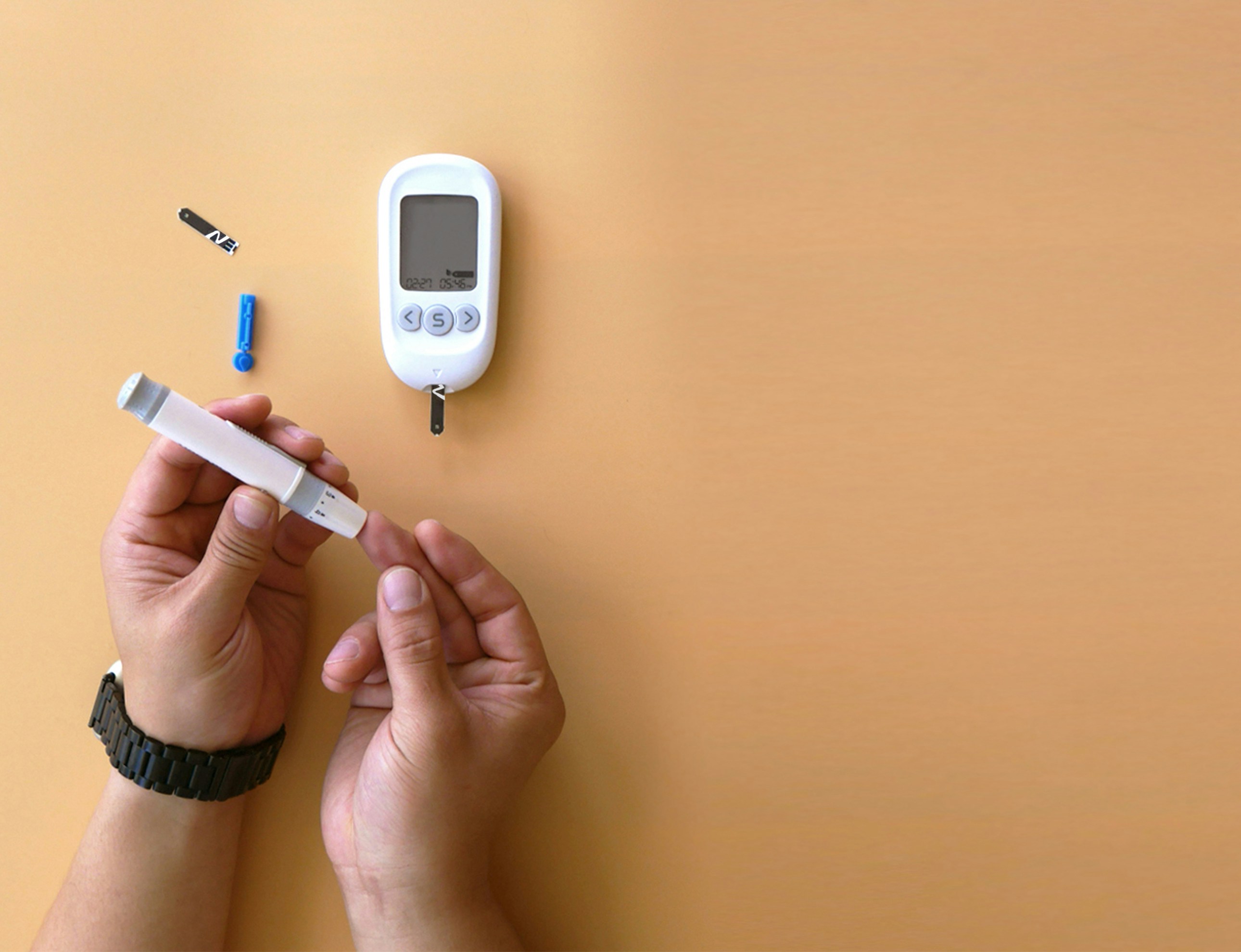
For those who want to be extra proactive, you can even consider testing foot sensitivity with the monofilament test at home using consumer-grade kits, though this should never replace your professional diabetic foot exam. When you finish your check, apply a moisturizer to the tops and bottoms of your feet to prevent cracking, but avoid the area between the toes where excess moisture can cause problems.
Red Flag Warning Signs to Watch For:
- Dried blood in a callus: This often indicates an "unseen" ulcer forming beneath the surface.
- Localized warmth: A foot that feels significantly warmer than the other can signal infection or early-stage Charcot foot.
- Persistent drainage: Any fluid on your socks is an immediate reason to call your podiatrist.
- Changes in shape: New lumps or a flattening of the arch.
Consistency is the hallmark of Lily Anderson’s philosophy: small daily habits create long-term health. By making the self-check as routine as brushing your teeth, you create a safety net for your mobility.
Medicare Coverage & Preparing for Your Visit
Navigating the logistics of healthcare can be a hurdle, but the good news is that most preventive screenings are well-supported by insurance. Medicare generally covers annual comprehensive diabetic foot exams for individuals with documented diabetes. If you have been diagnosed with diabetic neuropathy and have LOPS, Medicare coverage rules for annual comprehensive diabetic foot exams often expand to include more frequent visits under specific billing codes like G0245, G0246, and G0247.
Additionally, for those at high risk, Medicare Part B may cover the cost of therapeutic footwear, including depth shoes or custom-molded inserts. To qualify, your doctor must certify that you have at least one of several conditions, such as foot deformities, a history of previous foot ulceration, or poor circulation.
When you head to your appointment in the world of podiatric medicine, come prepared with a list of questions and observations from your daily checks. Mention any tingling, numbness, or "burning" sensations you have felt, as these are clinical indicators of how your neuropathy is progressing. Ask your doctor for a specific risk level assignment so you know exactly how often you should be returning for a professional diabetic foot exam.
FAQ
What is involved in a diabetic foot exam?
A professional screening involves a visual check for skin issues and calluses, a vascular check of your pulses, and a neurological test using a 10-gram monofilament and a 128Hz tuning fork. The doctor also looks for structural deformities and evaluates your footwear to ensure it isn't causing dangerous pressure points.
How often should a person with diabetes have a foot exam?
Standard guidelines recommend at least one comprehensive exam per year for all adults with diabetes. However, if you have been diagnosed with complications like neuropathy or Peripheral Artery Disease, your doctor will likely recommend screenings every one to six months.
Can I do my own diabetic foot check at home?
Yes, and you should do it daily. A home check involves using a mirror to inspect the soles of your feet for redness, cuts, or blisters. While this is essential for early detection, it does not replace the need for an annual professional diabetic foot exam performed by a healthcare provider.
What warning signs do doctors look for during a diabetic foot exam?
Clinicians look for loss of sensation, decreased blood flow (weak pulses), skin temperature changes, and hyperkeratosis. They are specifically searching for signs of potential ulceration, such as "pre-ulcerative" calluses or structural shifts like Charcot foot.
Are diabetic foot exams covered by Medicare or insurance?
Most insurance plans, including Medicare, cover at least one annual comprehensive foot exam for people with diabetes. If you have specific complications like neuropathy or history of ulcers, additional visits and even therapeutic shoes or inserts may also be covered.
Take Action for Foot Health
Your feet are the foundation of your independence and mobility. While the statistics regarding diabetes-related complications can be daunting, the evidence is clear: proactive screening is a powerful shield. Approximately 85% of diabetes-related lower extremity amputations are preceded by a foot ulcer, but through the combination of professional screenings and daily self-care, we can interrupt that progression.
Embracing a multidisciplinary care approach—where your podiatrist, primary care doctor, and you work as a team—ensures that your feet remain healthy for years to come. Don’t wait for pain to appear, as neuropathy may hide the very signals your body is trying to send. Schedule your 2026 screening today and make foot health a non-negotiable part of your wellness journey.