Quick Facts
- Target HbA1c: Maintaining a level of less than 7% is the most effective way to protect fragile retinal blood vessels.
- Blood Pressure Goal: Aim for a consistent reading below 130/85 mmHg to reduce pressure on the macula.
- Daily Monitoring Tool: Use an Amsler grid every morning to check for new visual distortion or blind spots.
- Exercise Metric: Aim for 150 minutes of moderate activity weekly to improve systemic vascular health.
- Dietary Focus: Prioritize Omega-3 fatty acids and antioxidants to help manage ocular inflammation.
- Sleep Position: Elevating your head while sleeping can help minimize fluid accumulation in the eye.
Effective DME management requires a dedicated dual approach that combines clinical treatments with daily self-care rituals to prevent vision loss. This process involves consistent vision monitoring with an Amsler grid and precise blood sugar tracking to minimize glycemic variability, alongside environmental adjustments like high-contrast lighting to support daily functioning.
Understanding the Foundation: Why DME Management Matters
Living with diabetic macular edema can feel like navigating a shifting landscape. At its core, this condition occurs when the blood-retinal barrier begins to break down. This barrier is a protective layer of cells that keeps fluid from leaking into the retina. When high glucose levels weaken these vessels, fluid accumulates in the macula—the part of the eye responsible for sharp, central vision—leading to macular thickening and blurred sight.
We often talk about the importance of early intervention because the stakes are high. Statistics show that without proper DME management, approximately 24% of untreated patients may experience significant vision loss within a three-year window. While clinical treatments like anti-VEGF therapy are miraculous, they work best when supported by your daily habits. Your retinal specialist is your partner in this journey, but what you do between appointments determines the long-term health of your vascular system.
Daily Nutrition and Glucose Control for Vision Preservation
The most powerful tool in your kit for vision preservation is the stability of your blood sugar. We look at the ABCs: A1C, Blood pressure, and Cholesterol. Research emphasizes that maintaining a glycated hemoglobin (HbA1c) level of less than 7% is a primary modifiable factor that significantly reduces the risk of worsening eye conditions.
When it comes to your daily diet plan for diabetic macular edema, we focus on a low-glycemic index approach. The goal is to avoid the "peaks and valleys" of glucose levels, known as glycemic variability. These spikes trigger ocular inflammation, which can exacerbate fluid leakage in the retina.
A vision-focused plate should include:
- Leafy Greens: Spinach and kale are packed with lutein and zeaxanthin, which act as natural sunblock for the retina.
- Omega-3 Fatty Acids: Salmon, walnuts, and flaxseeds help maintain the structural integrity of cell membranes and reduce inflammation.
- Colorful Antioxidants: Berries and bell peppers provide the nutrients needed to combat oxidative stress in the eye tissue.
By focusing on nutrition for diabetic eye health, you are essentially providing the building blocks for stronger blood vessels. Consistently tracking your levels helps you see the direct connection between a meal and your visual clarity the next morning.

Protective Rituals: Monitoring and Environment
The subtle nature of vision changes means we often don't notice them until they impact our quality of life. This is why monitoring vision changes with Amsler grid at home is a non-negotiable daily habit.
To use the grid correctly, hang it at eye level in a well-lit area. Cover one eye and focus on the center dot. If the straight lines appear wavy, blurred, or dark, it is an immediate signal to contact your retinal specialist. This simple habit allows for early intervention, which is vital for preventing permanent vision loss.
Beyond monitoring, we must consider how to manage DME symptoms at home by optimizing our environment. Many people with retinopathy experience photophobia, or extreme light sensitivity. Using high-contrast, warm-toned lighting can reduce eye strain. When outdoors, 100% UV-protected sunglasses are essential, as blue light and UV rays can further stress a compromised retina.
| Habit Type | Action | Purpose |
|---|---|---|
| Systemic | Keep HbA1c < 7% | Protects delicate retinal vessels |
| Systemic | BP < 130/85 mmHg | Reduces fluid leakage pressure |
| Local | Daily Amsler Grid | Catches visual distortion early |
| Local | High-Contrast Lighting | Minimizes eye strain and photophobia |

Movement and Rest: Systemic Support for Ocular Health
Physical activity is often overlooked in discussions about eye health, but the eyes are part of a connected vascular system. Evidence suggests that engaging in at least 150 minutes of moderate exercise per week improves blood flow to the retinal tissue and helps slow the progression of diabetic macular edema.
However, safety is paramount. When choosing eye-safe exercise routines for diabetes patients, avoid activities that involve heavy straining, lifting very heavy weights, or inverted positions (like some yoga poses), as these can increase pressure within the eye. Brisk walking, swimming, or cycling are excellent ways to support vascular health without putting the retina at risk.
Sleep also plays a critical role. Poor sleep can increase insulin resistance, making glucose control for vision preservation much harder. For those dealing with active swelling, some specialists recommend sleeping with the head of the bed slightly elevated. This uses gravity to help reduce the amount of fluid that settles in the macula overnight, potentially leading to clearer vision upon waking.

Managing Diabetes Distress and Care Coordination
The emotional burden of managing a chronic condition is real. According to the Diabetes Retinopathy Barometer Report, 79% of individuals with vision impairment from DME report that the condition makes everyday activities like driving and cooking difficult. This difficulty can lead to "diabetes distress," which in turn impacts your ability to stick to your self-care routines.
We encourage a holistic approach that includes mental health support. Short, five-minute mindfulness sessions can lower cortisol levels, helping to prevent stress-induced glucose spikes. Furthermore, coordinating your DME management involves being the bridge between your primary care physician and your retinal specialist. Ensure both doctors are aware of your A1C trends, blood pressure readings, and any new visual symptoms like photophobia or changes in contrast sensitivity.

FAQ
What is DME management?
DME management is a comprehensive treatment strategy that combines clinical medical interventions—such as intravitreal injections or laser therapy—with daily lifestyle modifications. The goal is to reduce macular thickening, stabilize blood sugar levels, and preserve or improve visual acuity through a combination of systemic health control and localized eye care.
How does DME management impact patient care quality?
Effective management improves patient care quality by shifting the focus from reactive treatment to proactive prevention. When patients engage in daily diabetic macular edema self-care, they often experience more stable vision, fewer emergency visits, and a greater sense of autonomy. This collaborative approach between the patient and the healthcare team leads to better long-term outcomes and a higher quality of life.
How does efficient DME management reduce healthcare costs?
Efficient management reduces costs by preventing the progression to severe vision loss or blindness, which often requires more intensive and expensive surgical interventions and long-term disability support. By maintaining a target HbA1c and performing regular vision checks at home, patients can reduce the frequency of complications that lead to hospitalization or emergency retinal procedures.
How to choose a DME management solution?
Choosing a solution should involve a consultation with a retinal specialist who can tailor a plan to your specific needs. A good management solution should include a regular schedule for clinical monitoring, a personalized nutrition plan, tools for at-home vision tracking (like an Amsler grid), and a clear communication channel between your eye doctor and your primary care physician to manage systemic factors like blood pressure.
Conclusion & Eye Care Checklist
Preserving your sight is a journey of a thousand small, daily decisions. While the medical side of DME management happens in the clinic, the most impactful work happens in your kitchen, your living room, and your daily routine. By staying disciplined with your glucose control for vision preservation and monitoring your sight with the Amsler grid, you take back control from the condition.
Your Daily Eye Care Checklist:
- Check vision with an Amsler grid first thing in the morning.
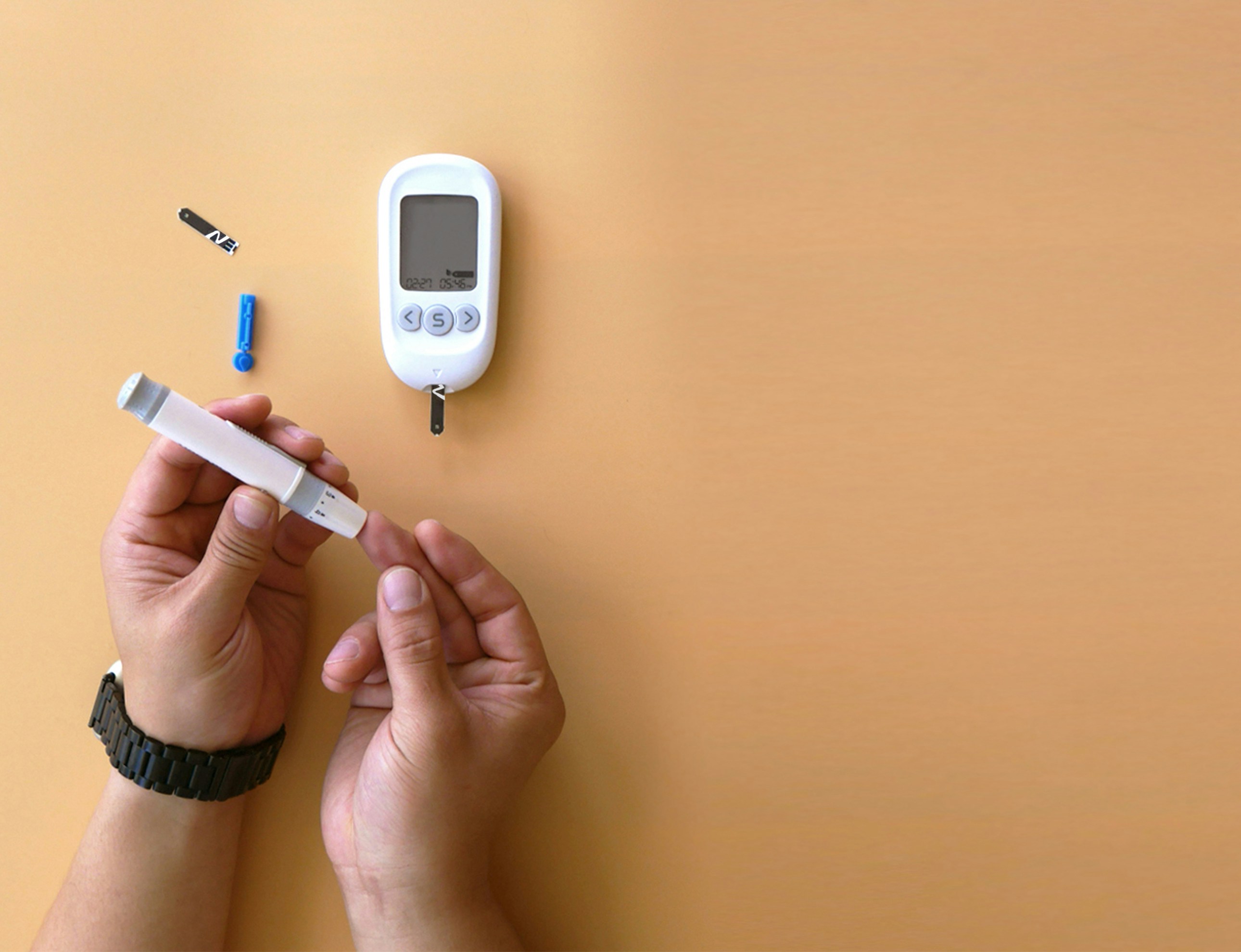
- Log blood sugar levels after meals to track glycemic variability.
- Include at least one source of Omega-3s and leafy greens in your meals.
- Wear UV-protected sunglasses whenever stepping outdoors.
- Complete 20-30 minutes of eye-safe exercise.
- Practice 5 minutes of mindfulness to reduce diabetes-related stress.
Remember, vision changes can be slow, but your response should be proactive. Keep your appointments, trust the science, and honor the daily habits that keep your world in focus.