Quick Facts
- Daily Safety: Consuming 1-2 eggs daily is safe and beneficial for the majority of healthy adults.
- Brain Boost: Two large eggs provide nearly 300mg of choline, satisfying over 50% of the daily requirement for cognitive support.
- Vitamin Power: Eggs are one of the rare natural food sources of vitamin D, essential for bone health and immune function.
- Protein Bioavailability: Cooking eggs increases protein absorption to 91%, compared to only 50% when consumed raw.
- Eye Health: Eggs are rich in lutein and zeaxanthin, antioxidants that accumulate in the retina to protect against macular degeneration.
- Nutrient Density: A single egg contains 100% of the egg's fat-soluble vitamins (A, D, E, K) within the yolk.
Are eggs the ultimate superfood? For years, they were feared for their cholesterol, but modern science tells a different story. Understanding egg health benefits means looking closer at their incredible micronutrient density, specifically the vital roles of B12, Vitamin D, and Choline. It is generally safe and beneficial to eat eggs daily as part of a balanced diet; research indicates moderate consumption does not increase heart disease risk and actually improves lipid profiles through high-quality protein and essential fats. Eggs are a complete protein source providing essential B12 and Vitamin D, making them one of the most nutrient-dense foods available for metabolic regulation.

The Choline Connection: Fueling Brain and Prenatal Health
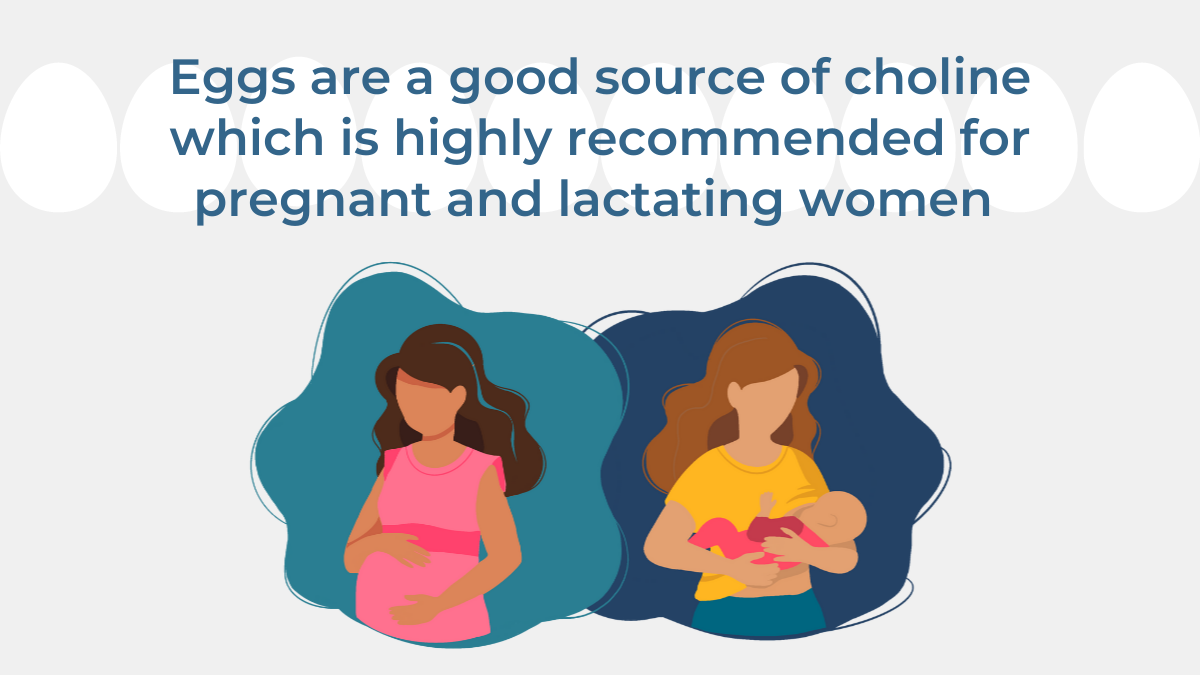
When we discuss the nutritional value of eggs, choline often takes center stage. Choline is an essential nutrient that the body requires for various functions, including cell membrane signaling, lipid transport, and the synthesis of acetylcholine, a key neurotransmitter involved in memory and mood regulation. Despite its importance, many people fall short of the recommended intake. In fact, research suggests that a staggering percentage of the population—including 90-95% of pregnant women—do not consume enough choline.
Each large egg provides approximately 147 milligrams of choline, which accounts for about 27% of the recommended daily value for an adult. This makes eggs the premier dietary source of bioavailable choline, primarily found in the form of phospholipids. Unlike supplemental forms, the choline in eggs health benefits the body more efficiently because it is packaged with healthy fats that aid absorption.
For those focusing on prenatal nutrition, choline is non-negotiable. It plays a critical role in the development of the fetal brain and spinal cord, helping to prevent neural tube defects and supporting lifelong cognitive support. Beyond the developmental stages, choline in eggs brain health benefits adults by maintaining the integrity of brain cell membranes and supporting liver function by assisting in the export of fat from the liver. Including eggs in your breakfast routine is perhaps the simplest way to ensure your brain has the fuel it needs to stay sharp.
Vitamins B12 and D: The Micronutrient Powerhouse
One of the most impressive egg health benefits is the concentration of hard-to-find vitamins. Eggs are essentially a biological multivitamin, packed into a convenient, low-calorie package. While the whites are often praised for their protein content, the nutritional value of egg yolk vs white reveals that the yolk is where the majority of the magic happens. The yolk contains 100% of the egg's fat-soluble vitamins, including Vitamin A, D, E, and K, as well as all of the B12.
A single large egg contains roughly 0.6 micrograms of vitamin B12, fulfilling approximately 25% of the daily requirement for the average adult. Vitamin B12 is essential for nerve tissue health, brain function, and the production of red blood cells. Without adequate B12, individuals may experience fatigue, weakness, and neurological issues.
Furthermore, egg yolks are one of the few natural food sources of vitamin D. A standard large egg provides about 41 IU, representing roughly 5% of the daily value. While this may seem small, vitamin D is notoriously difficult to obtain from food, and every bit helps maintain bone density and support the immune system. When you look at the vitamins in eggs b12 d and choline benefits together, it becomes clear that the whole egg is a foundational food for metabolic regulation and micronutrient density.
| Nutrient | Egg White (One Large) | Whole Egg (One Large) | Health Benefit |
|---|---|---|---|
| Protein | 3.6g | 6.3g | Muscle repair and satiety |
| Fat | 0.05g | 4.8g | Hormone production |
| Vitamin D | 0 IU | 41 IU | Calcium absorption |
| Vitamin B12 | 0.03 mcg | 0.6 mcg | Nerve health |
| Choline | 0.4 mg | 147 mg | Brain function |
| Selenium | 6.6 mcg | 15.4 mcg | Thyroid support |

Debunking the Myth: Eggs, Cholesterol, and Heart Health
For decades, many health-conscious individuals avoided eggs due to concerns about dietary cholesterol. However, modern nutritional science has performed a massive egg nutrition myths debunked campaign. We now understand that for about 75% of the population, dietary cholesterol has a minimal impact on blood cholesterol levels. The body is highly efficient at metabolic regulation; when you eat more cholesterol, your liver simply produces less.
The key to understanding egg nutrition myths heart disease debunked lies in the type of cholesterol particles the body produces. Research shows that egg consumption often increases the size of LDL particles. There are two main subtypes: Large Buoyant (Pattern A) and Small Dense (Pattern B). Small dense LDL is highly atherogenic and linked to heart disease, whereas Large Buoyant LDL is considered relatively benign. By shifting the profile toward larger particles and improving the HDL lipid profile, eggs can actually support cardiovascular health rather than harm it.
For the small percentage of people known as hyper-responders—often linked to the ABCG5 gene—cholesterol intake may cause a more significant rise in blood levels. However, even in these cases, the ratio of "good" to "bad" cholesterol typically remains stable. Instead of focusing solely on a single number, it is more important to consider the overall nutrient density and the high satiety levels eggs provide, which help prevent overconsumption of processed carbohydrates that are far more damaging to heart health.
Maximizing Bioavailability: How to Prepare Your Eggs
To truly harness the egg health benefits, we must look at how preparation affects nutrient bioavailability. There is a common misconception that eating raw eggs, popularized by old-school fitness culture, is the best way to consume protein. Science tells us the exact opposite. Cooking is essential because heat denatures the proteins, making them more accessible to our digestive enzymes.
When you consume a cooked egg, the protein absorption rate is roughly 91%. In contrast, that rate drops to about 50% for raw eggs. Heat also deactivates a protein called avidin found in egg whites. In its raw state, avidin binds to biotin (Vitamin B7), preventing the body from absorbing this essential nutrient. By cooking the egg, you release the biotin and ensure you are getting all the essential amino acids necessary for muscle maintenance and repair.
Choosing the healthiest ways to cook eggs for nutrition is also vital. Poaching or boiling are excellent options because they do not require additional fats and keep the yolk intact, protecting the delicate antioxidants like lutein and zeaxanthin from oxidation. If you prefer frying, use stable fats like avocado oil or butter rather than highly processed seed oils that can oxidize at high temperatures.
The Bioavailability Hack: To maximize the absorption of the fat-soluble vitamins (A, D, E, and K) found in the yolk, always serve your eggs alongside a source of healthy fat or fiber-rich vegetables. A side of sautéed spinach or a few slices of avocado can significantly increase the amount of nutrients your body successfully absorbs.

Navigating Sensitivity: Allergy vs. Intolerance
While eggs are a nutritional powerhouse, they are also one of the most common allergens. It is important to distinguish between a true allergy and a food intolerance, as the management strategies differ significantly.
| Feature | Egg Allergy | Egg Intolerance |
|---|---|---|
| Immune System | Involves IgE antibodies | Not immune-mediated |
| Reaction Time | Usually immediate (minutes) | Delayed (hours or days) |
| Severity | Can be life-threatening (anaphylaxis) | Generally uncomfortable, not fatal |
| Symptoms | Hives, swelling, wheezing | Bloating, gas, diarrhea, headache |
| Threshold | Even trace amounts trigger a reaction | Small amounts may be tolerated |
If you suspect a sensitivity, consulting with a healthcare professional can help you determine if you need to avoid eggs entirely or if you can still enjoy the nutritional value of eggs in smaller quantities or specific preparations.
FAQ
What are the main health benefits of eating eggs?
Eggs are a complete protein source that provides all nine essential amino acids. They are exceptionally rich in choline for brain health, lutein and zeaxanthin for eye protection, and essential micronutrients like selenium and vitamin B12. Their high satiety levels also make them an effective tool for weight management.
Is it healthy to eat eggs every day?
Yes, for most healthy adults, consuming 1-2 eggs per day is considered safe and contributes to a balanced diet. Modern research has shown that moderate egg consumption does not negatively impact heart disease risk for the vast majority of people and provides critical nutrients that are often missing in standard diets.
Do eggs raise cholesterol levels?
While eggs contain dietary cholesterol, they have a minimal effect on blood cholesterol levels for 75% of the population. In many cases, egg consumption actually improves the HDL lipid profile and shifts LDL particles to a larger, less harmful size.
Which is healthier: egg whites or whole eggs?
Whole eggs are significantly more nutritious than egg whites alone. While whites provide high-quality protein, the yolk contains nearly 100% of the vitamins, essential fatty acids, and antioxidants. Consuming the whole egg ensures maximum nutrient bioavailability and satiety.
Do eggs improve brain health and memory?
Yes, primarily due to their high choline content. Choline is a precursor to acetylcholine, a neurotransmitter that is essential for memory and cognitive function. Regular consumption of eggs supports the structural integrity of brain cells and may help maintain cognitive support as you age.