Quick Facts
- The Risk: Clinical data shows that 25% to 40% of GLP-1 weight loss can be muscle tissue without proper intervention.
- The Solution: A dual-action approach of high protein intake and consistent resistance training is necessary for success.
- Protein Target: Experts recommend consuming between 1.2 and 2.0 grams of protein per kilogram of adjusted body weight daily.
- Training Frequency: Engaging in 2-3 sessions of progressive overload weekly provides the stimulus needed to keep lean tissue.
- Monitoring: Precision tools like a DEXA scan are preferred over a standard scale to distinguish fat loss from muscle wasting.
- The Benefit: Combining clinical therapy with structured lifestyle changes can reduce muscle loss to as little as 3% of total weight lost.
Achieve your weight loss goals without sacrificing strength. While GLP-1 muscle preservation is a major concern for many, combining specific nutritional strategies with resistance training can minimize lean mass loss to as little as 3%. To ensure GLP-1 muscle preservation, prioritize a high-protein diet combined with consistent resistance training. Consuming adequate essential amino acids, particularly leucine-rich foods, supports muscle protein synthesis. Engaging in progressive overload through weight lifting provides the necessary stimulus to retain lean tissue while the body loses fat mass.
The Science of Muscle Wasting on GLP-1s
Understanding why the body targets muscle during rapid weight loss is the first step toward prevention. When you take a GLP-1 receptor agonist, the significant reduction in appetite often leads to a steep caloric deficit. In this state, the body searches for internal energy sources. Unfortunately, it doesn't just tap into fat stores; it often triggers the glucose-alanine cycle, where muscle proteins are broken down into amino acids to be converted into glucose for energy.
This metabolic process, known as catabolism, is intensified by the fact that GLP-1 medications can sometimes lead to anabolic resistance. This means the body’s internal signaling for building and repairing muscle becomes less efficient. For patients, especially those concerned with preventing muscle wasting in seniors on glp 1, this creates a high risk for sarcopenic obesity—a condition where an individual has high body fat but dangerously low muscle mass.
Identifying signs of muscle loss during glp 1 weight loss is essential for long-term health. You might notice a decrease in functional strength, such as having a harder time carrying groceries, or experiencing persistent fatigue that doesn't resolve with rest. Clinical trial data for GLP-1 receptor agonists like semaglutide indicate that approximately 25% to 40% of total weight loss can come from lean mass, which includes muscle tissue. Preserving this tissue is not just about aesthetics; it is about metabolic rate preservation, as muscle is more metabolically active than fat.
Protein Mastery: The MEAL Plan and Beyond
To combat the risk of wasting, your nutritional strategy must be intentional. Many patients struggle with protein intake for GLP-1 patients because the medication’s primary side effect is early fullness or mild nausea. This is where the MEAL plan (Maximize Essential Amino Acids and Leucine) becomes a vital framework.
Medical experts recommend consuming between 1.2 and 2.0 grams of protein per kilogram of body weight daily to mitigate the loss of lean muscle during rapid weight loss on GLP-1 therapies. To make this calculation practical, I recommend using the Adjusted Body Weight formula to ensure you are fueling your current lean mass without overcomplicating your macros.
Adjusted Body Weight Formula
Target Weight (kg) + [0.25 x (Current Weight - Target Weight)]
Use this result as the basis for your 1.2–2.0g/kg protein calculation.
For a high protein diet for semaglutide muscle mass, timing is just as important as the total amount. Research indicates that muscle protein synthesis is most effectively triggered when you hit a threshold of 20 to 30 grams of protein per meal. This ensures your body has a steady supply of essential amino acids throughout the day.
If you find it difficult maintaining muscle on low calorie glp 1 diet due to appetite suppression, consider these strategies:
- Prioritize Leucine: Focus on leucine-rich foods like chicken breast, Greek yogurt, and soy products. Leucine is the primary "switch" that turns on the muscle-building machinery in your cells.
- Liquid Nutrition: High-quality whey or collagen-based protein shakes can be easier to digest when solid food feels heavy.
- Small, Frequent Hits: Instead of three large meals, aim for five smaller, protein-dense snacks to manage nausea while meeting your daily targets.
Training for Retention: Resistance and Hypertrophy
Nutrition provides the building blocks, but exercise provides the blueprint. If you lose weight through diet alone, your body has no "reason" to hold onto heavy, energy-expensive muscle tissue. To signal to your brain that this tissue is essential, you must engage in resistance training for muscle retention.
A study involving 200 adults showed that those who combined GLP-1 medications with structured resistance training and individualized protein intake lost 13% of their total body weight but only 3% of their muscle mass over six months. This is a staggering difference compared to the 25-40% loss seen in those who don't lift weights.
The goal here is hypertrophy—the growth of muscle cells. This is achieved through progressive overload, which simply means gradually increasing the weight, frequency, or number of repetitions in your strength training routine. While cardio is great for heart health, it is not sufficient for GLP-1 muscle preservation on its own.
Sample weight lifting routine for glp 1 users
This 30-minute routine should be performed three times per week, allowing at least one day of rest between sessions for recovery:
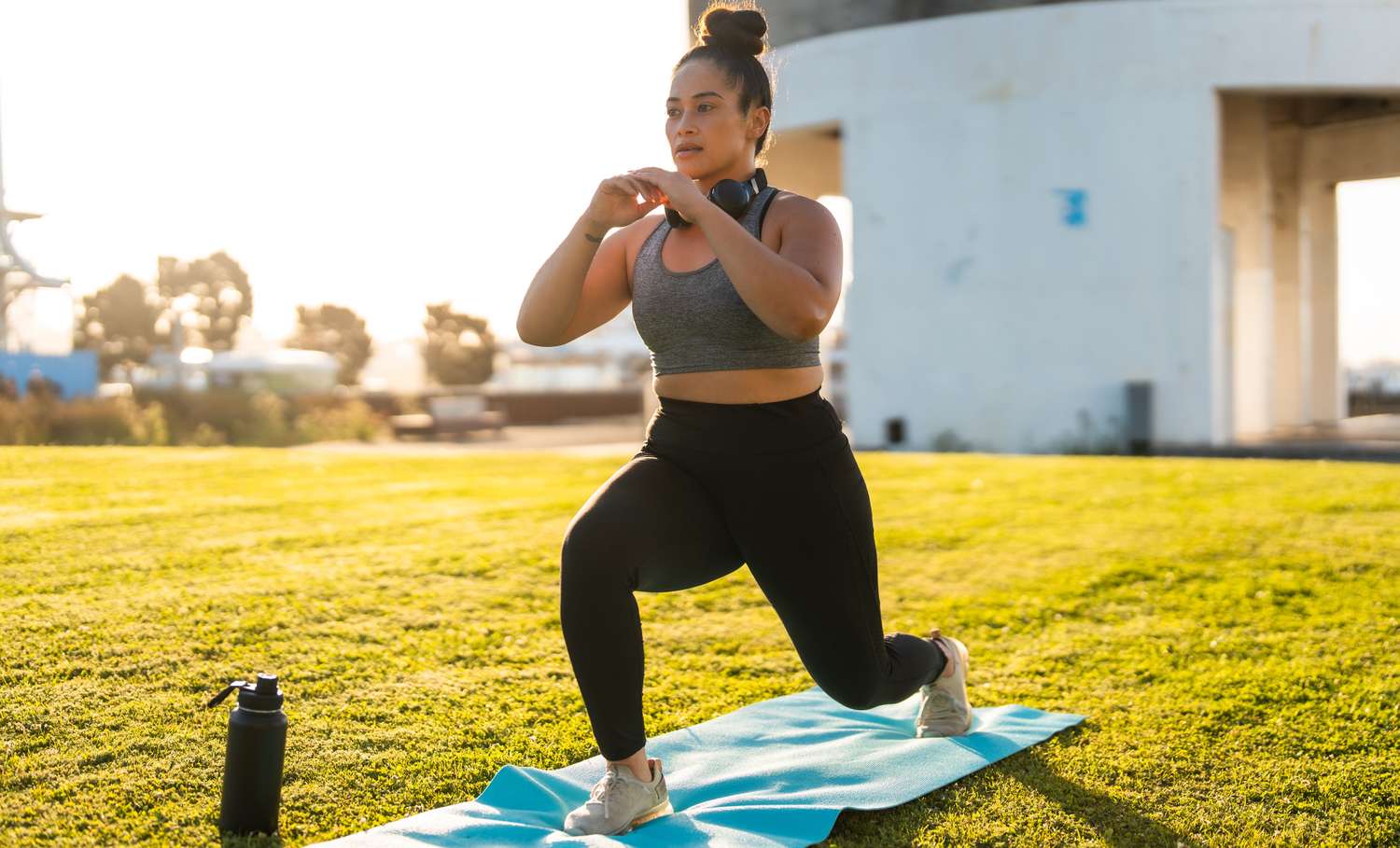
- Goblet Squats or Lunges: 3 sets of 10-12 reps (Lower body focus).
- Push-Ups or Chest Press: 3 sets of 8-10 reps (Upper body pushing).
- Seated Rows or Lat Pulldowns: 3 sets of 10-12 reps (Upper body pulling).
- Plank or Dead Bugs: 3 sets of 30-45 seconds (Core stability).
| Feature | GLP-1 Medication Only | GLP-1 + Resistance Training |
|---|---|---|
| Total Weight Loss | High | High |
| Muscle Mass Loss | 25% - 40% | ~3% |
| Metabolic Rate | Significant Decrease | Maintained/Slight Decrease |
| Functional Strength | May Decline | Often Improves |
| Primary Driver | Caloric Deficit | Caloric Deficit + Anabolic Signal |
Monitoring Progress: Precision Beyond the Scale
The standard bathroom scale is a blunt instrument. It tells you your total weight but fails to distinguish between fat, water, and muscle. When undergoing body composition monitoring for weight loss, you need more detailed data to ensure your health is trending in the right direction.
One of the gold standards for tracking is the DEXA scan (Dual-Energy X-ray Absorptiometry). This provides a highly accurate map of your fat mass, bone density, and lean tissue. If a DEXA scan is not available, bioelectrical impedance analysis (BIA)—often found in high-end smart scales or at medical offices—can offer a helpful estimate.
Knowing how to track lean body mass on tirzepatide or semaglutide allows you to adjust your plan in real-time. If you see your lean mass dropping quickly while your body fat stays stagnant, it’s a clear signal to increase your protein intake or up the intensity of your weight lifting. Beyond the tech, pay attention to functional indicators. If your grip strength remains strong and your mobility improves, your weight loss is likely healthy and sustainable.

FAQ
How do GLP-1 medications affect muscle mass?
GLP-1 medications primarily affect muscle mass by inducing a rapid caloric deficit. Because the body requires energy to function, it may break down muscle tissue for fuel if protein intake and physical activity are insufficient. This process can lead to a loss of lean tissue alongside fat.
Can you prevent muscle loss while taking GLP-1 agonists?
Yes, muscle loss can be significantly reduced. Research indicates that combining the medication with a high-protein diet and regular resistance training can lower muscle loss to as little as 3% of total weight loss, compared to much higher rates in sedentary individuals.
How much protein do I need while on GLP-1 therapy?
Most experts recommend a daily intake of 1.2 to 2.0 grams of protein per kilogram of body weight. For many patients, this translates to roughly 25-30 grams of protein at each meal to maximize muscle protein synthesis.
Is resistance training required to keep muscle on GLP-1s?
While not strictly "required" for weight loss, resistance training is considered essential for muscle retention. Lifting weights provides the mechanical stimulus necessary to tell the body to preserve lean tissue even while in a caloric deficit.
How can I monitor muscle loss while taking weight loss medication?
The most effective way to monitor muscle loss is through body composition analysis rather than just using a scale. Tools like DEXA scans, bioelectrical impedance analysis, and tracking functional strength (like grip strength) are the best ways to ensure you are losing fat, not muscle.