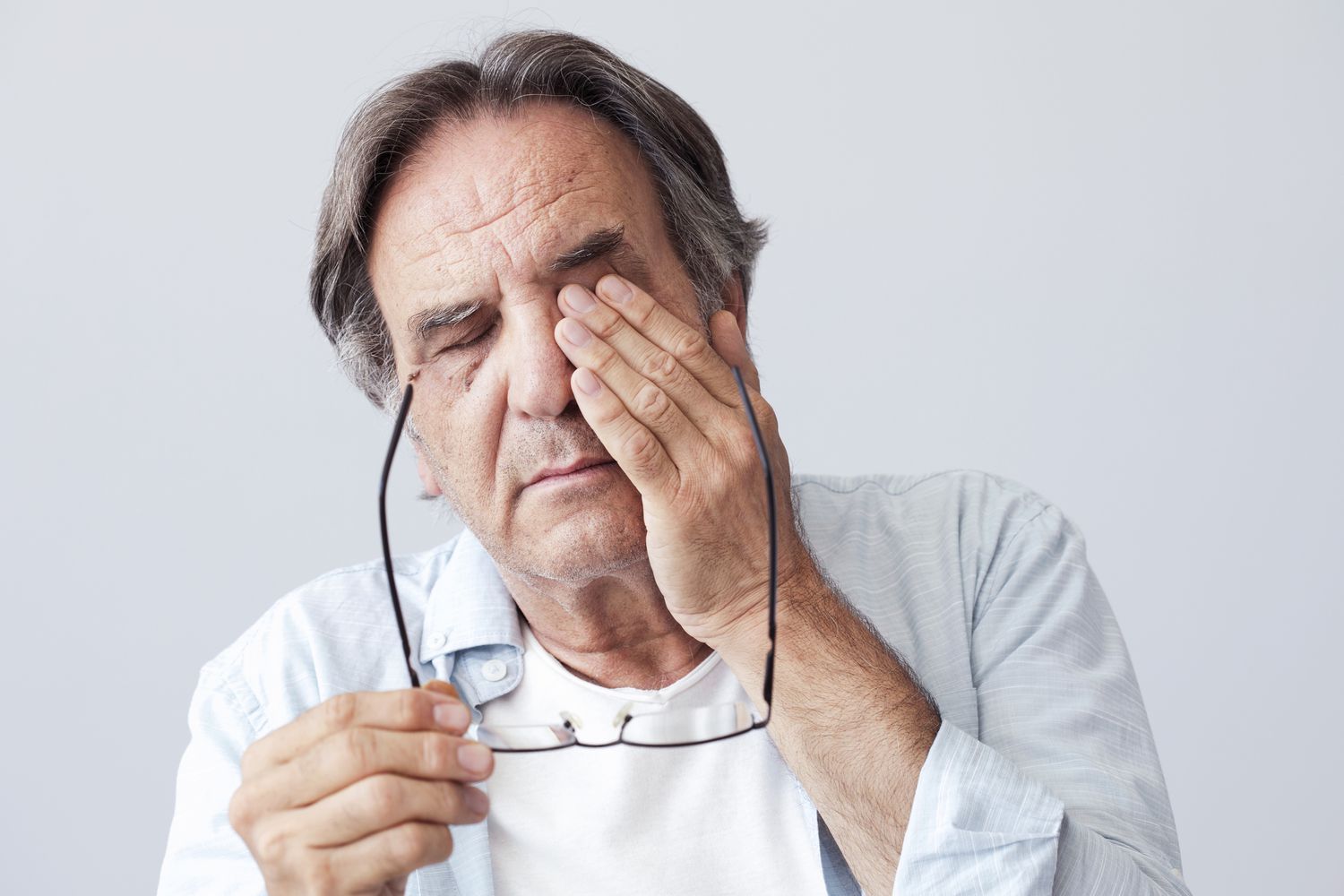
EMERGENCY ALERT: If you or someone near you experiences sudden vision loss in one eye, do not wait. This is a medical emergency. Call emergency services immediately or have someone drive you to the nearest hospital with a certified stroke center. Do not attempt to drive yourself.
Quick Facts
- Emergency Level: High (Medical Emergency) requiring immediate neurovascular evaluation.
- Primary Symptom: Sudden, painless vision loss in one eye that can occur in seconds.
- The Golden Window: Treatment with thrombolytic therapy is most effective within 4.5 hours of symptom onset.
- Permanent Impact: Approximately 80% of patients diagnosed with central retinal artery occlusion suffer from permanent vision loss without rapid intervention.
- Systemic Risk: About one-third of patients who experience this condition also have a co-occurring or subsequent brain stroke.
- Demographics: The annual incidence is roughly 1.9 per 100,000 people, but this jumps to 10.1 per 100,000 for individuals over age 80.
An eye stroke, or central retinal artery occlusion (CRAO), occurs when a blockage restricts blood flow to the retina. The most common symptom is sudden, painless vision loss in one eye, which may include complete blindness, distorted vision, or the appearance of blind spots. Because this condition is a medical emergency, immediate evaluation is necessary to prevent permanent vision loss.
Recognizing Eye Stroke Warning Signs
When a blockage hits the Ophthalmic artery or its branches, the results are immediate. Unlike a typical injury, there is no redness, no discharge, and—most dangerously—no pain. This lack of physical discomfort often leads men to believe the issue will "just clear up" after a nap. It won't.
One of the most critical eye stroke warning signs is known as amaurosis fugax. This is a temporary dimming or darkening of vision, often described as a curtain being pulled down over one eye. While the vision may return in minutes, this is a "warning stroke" that indicates a high risk for a permanent event.
The specific CRAO symptoms depend on where the blockage occurs. In a central retinal artery occlusion, the vision loss is typically total across the entire eye. However, in a branch retinal artery occlusion (BRAO), the patient might only lose a portion of their field of vision, such as the top or bottom half. Understanding CRAO vs BRAO vision loss patterns is essential: CRAO is like a total power outage for the eye, while BRAO is like losing a single circuit in your home.
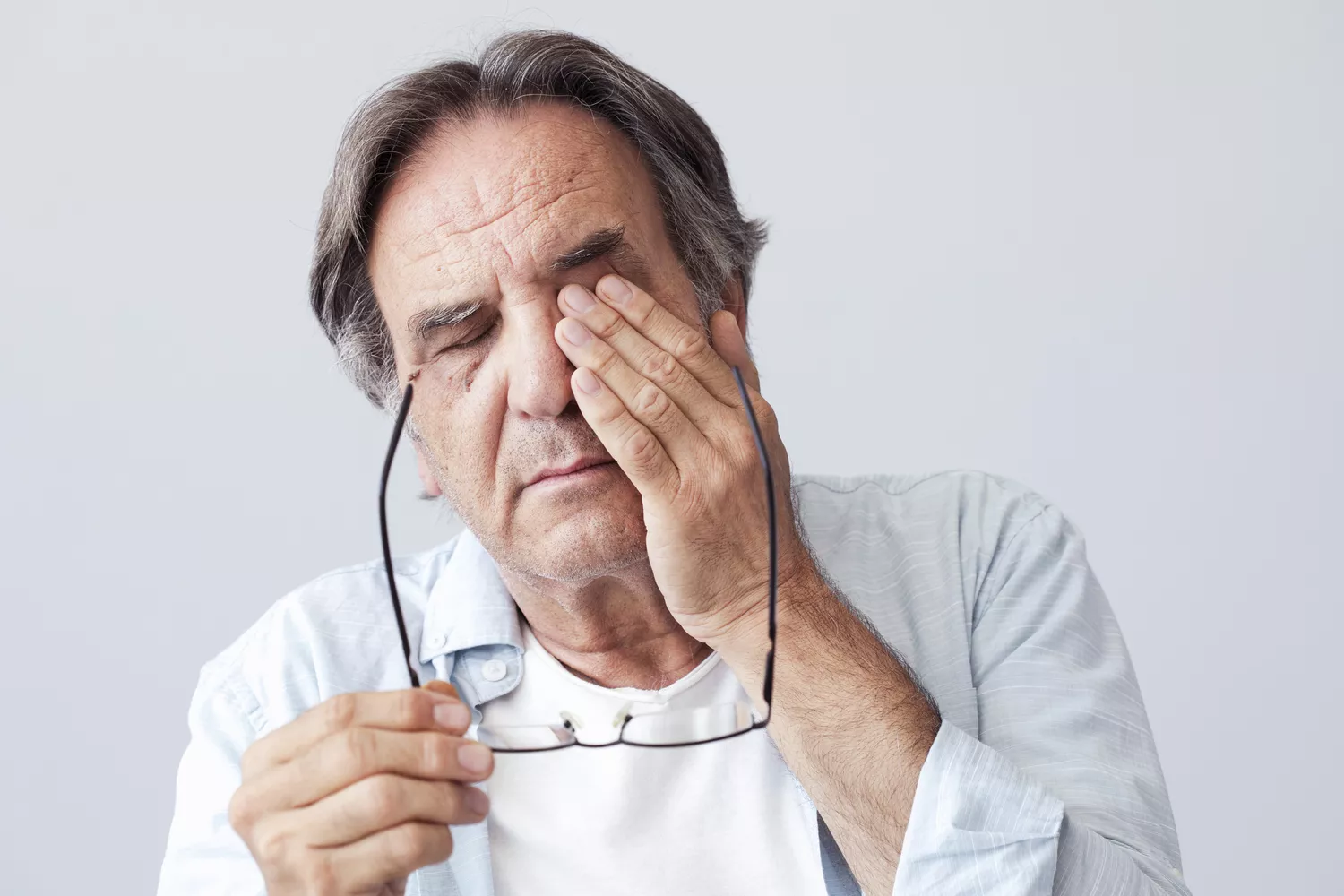
The 4.5-Hour Window: Emergency Response for Retinal Artery Occlusion
Time is tissue. Just as a brain stroke requires rapid intervention to save neurons, an eye stroke requires speed to save the delicate photoreceptors of the retina. The retina is an extension of the brain, and it suffers from Retinal ischemia—oxygen deprivation—very quickly once blood flow stops.
Research now highlights a critical 4.5-hour window for the administration of Thrombolytic therapy, such as tPA or Tenecteplase. These "clot-busting" drugs can sometimes dissolve the blockage and restore blood flow. However, the clock starts the second the vision blurs. If you wait until the next morning to see your optometrist, you have likely missed the window for the most effective emergency response for retinal artery occlusion.
If you suspect this is happening, you must go to a certified stroke center. Not every local emergency room is equipped to handle ocular stroke protocols. A specialized center will have neurologists and ophthalmologists working together to perform the necessary neurovascular evaluation.
Root Causes: The Heart-Brain-Eye Connection
An eye stroke is rarely just an eye problem; it is a vascular problem. The most common cause is an Embolus—a small piece of plaque or a blood clot—that travels from another part of the body and lodges in the retinal artery.
The connection between eye stroke and carotid artery disease is particularly strong. Roughly 40% of patients with a retinal artery occlusion have significant narrowing in their carotid arteries. These are the major vessels in the neck that supply blood to the head. If plaque breaks off from the carotid, the eye is often the first place it lands.
Other significant risk factors include:
- Atherosclerosis (hardening of the arteries)
- High blood pressure (hypertension)
- Diabetes and poor blood sugar management
- Hyperlipidemia (high cholesterol)
- Heart rhythm issues like atrial fibrillation
Managing Geriatric health requires a proactive look at these systemic issues. Because an eye stroke shares the same root causes as a heart attack or brain stroke, it serves as a massive red flag for your overall cardiovascular health.
Modern Diagnosis & Treatments to Avoid
When you arrive at the emergency room, doctors will use specific eye stroke diagnostic tests in the emergency room to confirm the diagnosis. The gold standard is Fluorescein angiography, where a dye is injected into the arm and tracked as it flows through the retinal blood vessels. This shows exactly where the blockage is. Another tool is Optical coherence tomography (OCT), which provides a high-resolution "cross-section" of the retina to check for swelling and damage.
It is equally important to know what doesn't work. In the past, doctors recommended ocular massage (applying pressure to the eye) or paracentesis (draining fluid from the eye) to try and dislodge the clot. Modern evidence shows these methods are largely ineffective and can delay more proven treatments like Thrombolytic therapy or hyperbaric oxygen therapy. Hyperbaric oxygen can sometimes keep the retina alive by forcing oxygen into the eye through alternative pathways until the blockage can be addressed.
Comparison: CRAO (Artery) vs RVO (Vein)
| Feature | Central Retinal Artery Occlusion (CRAO) | Retinal Vein Occlusion (RVO) |
|---|---|---|
| Onset | Sudden, usually seconds to minutes | Variable, can be sudden or over days |
| Primary Mechanism | Blocked blood flow into the eye | Blocked blood flow out of the eye |
| Pain | None | None |
| Visual Pattern | Total or near-total darkness | Blurriness or "spots" |
| Level of Urgency | Extreme Medical Emergency | Urgent (needs prompt care) |
Retinal Artery Occlusion Prevention & Risk Management
Prevention is the only 100% effective cure. Since most eye strokes are caused by cardiovascular disease, retinal artery occlusion prevention focuses on the "Big Three": blood pressure, cholesterol, and blood sugar.
To effectively know how to lower eye stroke risk factors, you should follow these steps:
- Vascular Screening: If you are over 50, talk to your doctor about a carotid ultrasound to check for plaque buildup.
- Blood Pressure Control: Keep your numbers below 120/80. High pressure damages the delicate vessels in the eye.
- Smoking Cessation: Smoking is a leading cause of the vascular inflammation that leads to clots.
- Active Monitoring: Use a wearable device to check for irregular heartbeats (like Afib) which can throw clots toward the eye.
If you have already experienced an eye stroke, your focus must shift to preventing a brain stroke. You will likely need a long-term regimen of blood thinners or aspirin and close follow-up with a vascular specialist.
FAQ
What are the first signs of an eye stroke?
The hallmark sign is a sudden, painless loss of vision in one eye. This might feel like a dark shadow or curtain falling over your field of vision. It often happens in a matter of seconds without any warning or physical pain.
Can your vision return after an eye stroke?
Spontaneous recovery is rare, with about 80% of patients experiencing permanent vision loss. However, if treated with clot-busting medications or hyperbaric oxygen within the first few hours (specifically the 4.5-hour window), there is a chance to restore some sight.
What causes a stroke in the eye?
Most eye strokes are caused by a clot or piece of cholesterol plaque that travels from the heart or the carotid arteries in the neck. This blockage stops the flow of oxygen-rich blood to the retina, leading to tissue death.
Is an eye stroke a serious emergency?
Yes, it is a tier-one medical emergency. Beyond the risk of permanent blindness, it is often a sign that a major brain stroke is imminent. Immediate neurovascular evaluation at a hospital is mandatory.
What should I do if I suspect an eye stroke?
Call emergency services immediately. Do not wait for an appointment with your eye doctor and do not try to "sleep it off." Time is the most important factor in saving your vision and preventing further cardiovascular events.