Quick Facts
- Colon Cancer: 16% risk reduction for patients using GLP-1 therapies.
- Rectal Cancer: 28% lower incidence compared to traditional treatments.
- Hematologic Malignancy: 54% lower risk when compared specifically to insulin therapy.
- Overall Survival: Women show a 20% lower all-cause mortality rate on these medications.
- Mechanism: These drugs work by lowering chronic inflammation and reducing hyperinsulinemia.
- Target: Particularly effective against obesity-related malignancies.
- Safety: Current clinical meta-analyses confirm no significant increase in overall cancer incidence.
GLP-1 receptor agonists reduce cancer risk by improving metabolic health and decreasing chronic inflammation. By regulating insulin levels and promoting weight loss, these medications target the biological drivers of obesity-related malignancies, providing a significant defensive layer for patients managing type 2 diabetes.
Beyond the Scale: How GLP-1s Reprogram Cancer Risk
For years, the conversation around semaglutide and tirzepatide focused almost exclusively on the numbers on the scale. While weight loss is a visible benefit, the true medical revolution lies in how these incretin mimetics reprogram the internal environment of the body. We are moving away from a weight-centric narrative toward a metabolic-centric prevention strategy. The latest clinical evidence on glp-1 cancer prevention 2026 suggests that these drugs do more than shed fat; they alter the very signaling pathways that tumors use to grow.
One of the most critical factors in cancer development for diabetics is hyperinsulinemia. When the body becomes resistant to insulin, it produces more of the hormone to compensate. Unfortunately, insulin is an anabolic hormone, meaning it promotes growth—not just of healthy cells, but of malignant ones too. By improving insulin sensitivity and managing insulin levels to lower cancer risk with glp-1, these drugs remove the "fuel" that many tumors depend on.
Furthermore, the glp-1 anti-inflammatory effects and cancer prevention capabilities are becoming a cornerstone of longevity medicine. Chronic inflammation is a known precursor to DNA damage and tumor promotion. These medications have been shown to reduce pro-inflammatory cytokines like TNF and IL-6. This "immune reprogramming" is especially vital for patients dealing with metabolic dysfunction-associated steatotic liver disease (MASLD), which is a significant driver of liver-related cancers. By addressing the root cause of systemic inflammation, semaglutide long-term health benefits extend far beyond simple blood sugar management.
Targeted Protection: Colorectal and GI Malignancies
The impact of GLP-1 receptor agonists on the gastrointestinal tract is perhaps the most well-documented area of preventive oncology. For men, colorectal cancer remains one of the most significant health threats, particularly as we age. The data is clear: patients using glp-1 receptor agonists and colon cancer prevention for diabetics see a 16% reduction in colon cancer and a staggering 28% reduction in rectal cancer risk.
This protection is likely due to the gut-hormone axis. GLP-1 receptors are expressed throughout the intestinal lining. When these receptors are activated, they don't just slow down digestion; they appear to promote a healthier cellular environment in the gut. For a diabetic patient, this means the drug is acting as a constant supervisor, ensuring that the rapid cell turnover in the colon doesn't veer into malignancy.
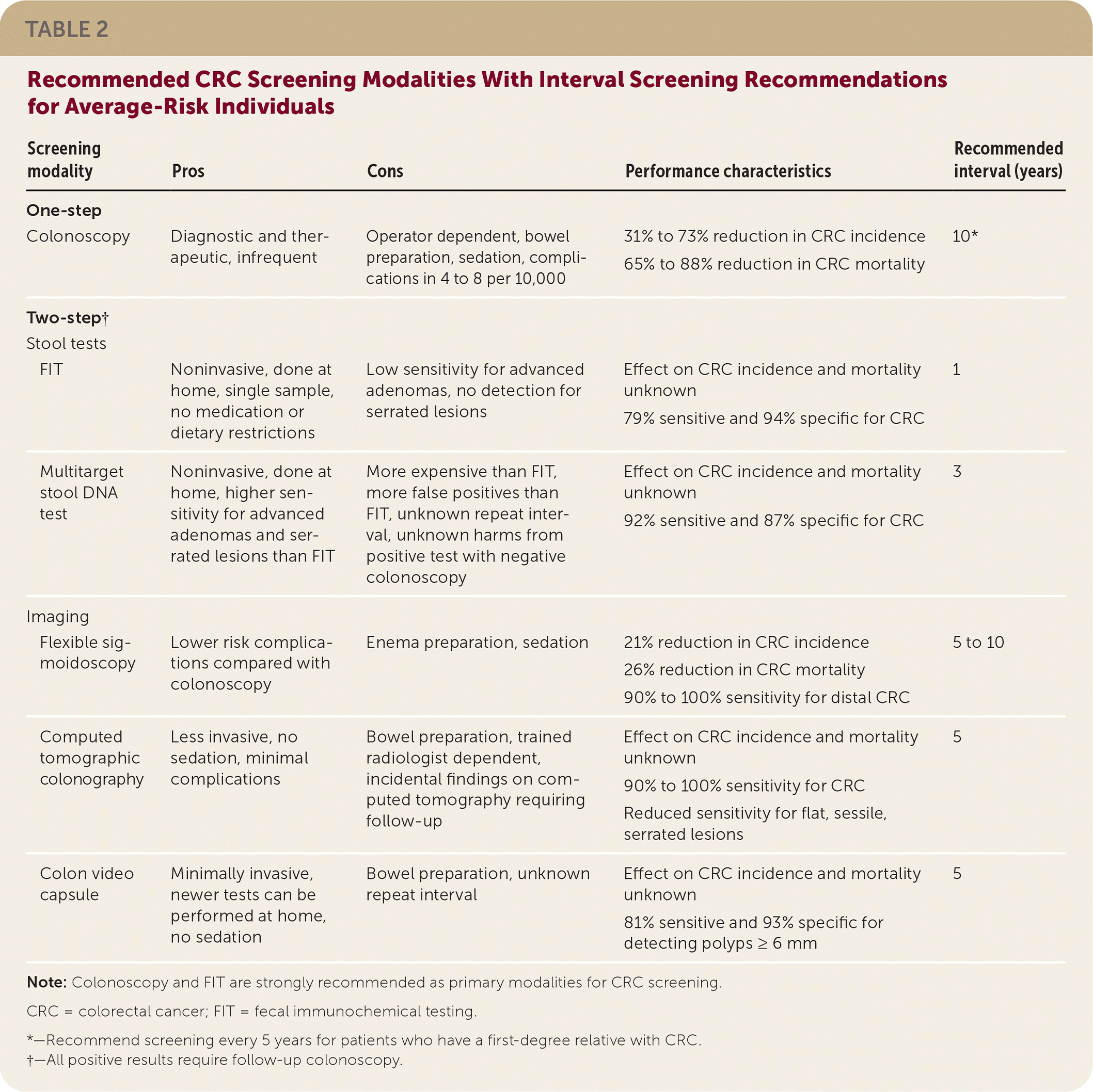
Kevin’s Longevity Tip: While these medications offer a protective shield, they are not a substitute for standard screening. If you are over 45, or younger with a family history, ensure you are still getting your regular colonoscopies. Use GLP-1s as an adjunct to, not a replacement for, clinical vigilance.
The shift toward using these diabetes drugs and cancer protection as a primary goal is changing how we view gastrointestinal health. By stabilizing the metabolic environment of the gut, we are seeing a decrease in the incidence of tumors associated with metabolic dysfunction. The clinical meta-analysis of recent years consistently points toward these drugs as a preferred option for those with high GI cancer risk profiles.
Hormone-Sensitive Cancers: Reducing Risk in Women
While my focus is often on men's health, the data regarding women and hormone-sensitive cancers is too significant to ignore, as it highlights the systemic nature of GLP-1 benefits. Obesity-related malignancies like endometrial and ovarian cancer are highly sensitive to endocrine regulation. Research has shown that GLP-1 therapies can lead to a 25% reduction in endometrial cancer (Hazard Ratio 0.75) and a 47% reduction in ovarian cancer (HR 0.53).
The reason women often see more significant all-cause mortality benefits—roughly 20% lower than those not on the medication—comes down to the intersection of metabolic health and the endocrine system. Long-term semaglutide benefits for reducing cancer risk are intrinsically linked to how the drug balances the body's hormonal output. By reducing the adipose tissue (fat) that produces excess estrogen, GLP-1 receptor agonists cancer prevention becomes a powerful tool for maintaining long-term vitality.
Navigating the Controversy: Thyroid and Kidney Safety Signals
No direct, research-backed guide would be complete without addressing the safety concerns that often make headlines. You may have heard about "black box" warnings regarding medullary thyroid carcinoma. It is important to look at this through the lens of a clinical meta-analysis rather than fear-mongering. Most of the early signals for thyroid cancer were found in rodent studies, where GLP-1 receptors are much more prevalent in the thyroid than they are in humans.
However, we do keep a close eye on the "yellowish flags." Some retrospective studies have noted a potential kidney cancer HR 1.38 trend. While this sounds concerning, it is essential to note the limitations of such studies; they often involve patients who already have significant underlying kidney stress from years of unmanaged diabetes. When comparing ozempic and mounjaro for cancer protection, the consensus among the medical community is that the metabolic benefits far outweigh these statistical outliers for the vast majority of the population.
| Risk Factor | GLP-1 Observation | Clinical Status |
|---|---|---|
| Medullary Thyroid | Potential signal in rodents | No definitive link in humans |
| Pancreatic | Early concerns | Recent data suggests no increased risk |
| Kidney | HR 1.38 in some retrospective data | Requires further long-term study |
| Breast | Potential reduction | Likely due to weight loss and estrogen balance |
If you are asking is ozempic safe for patients with a family history of cancer, the answer is generally yes, unless that history specifically includes Medullary Thyroid Carcinoma (MTC) or Multiple Endocrine Neoplasia syndrome type 2 (MEN 2). In those specific cases, we look at alternative metabolic strategies.
Comparative Advantage: GLP-1 vs. Traditional Diabetes Therapies
When we compare GLP-1s to older therapies like insulin or sulfonylureas, the cancer-protective profile becomes even more dramatic. Insulin, while life-saving, is a growth promoter. In many studies, patients on insulin have shown higher rates of certain cancers compared to those on incretin mimetics. Specifically, there is a 54% lower hematologic risk for those on GLP-1s compared to those on insulin.
This doesn't mean insulin is "bad," but it does suggest that for patients where it is clinically appropriate, moving toward GLP-1 receptor agonists or next-gen triple agonists like Tirzepatide or Liraglutide provides a superior oncological safety profile. These newer drugs assist with comorbidity management by simultaneously treating the diabetes, the obesity, and the underlying inflammatory state.
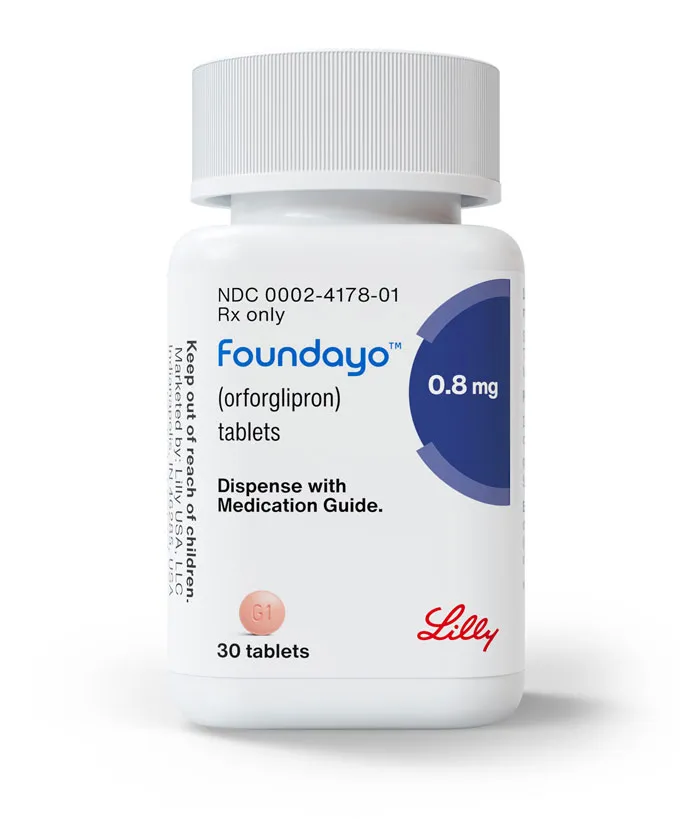
The future of this field is moving toward oral formulations and even more potent agonists. These advancements will make preventive oncology accessible to a broader range of patients, moving the needle on global cancer rates related to the metabolic syndrome.
FAQ
Do GLP-1 drugs cause thyroid cancer?
The FDA maintains a warning regarding medullary thyroid carcinoma based on rodent studies where GLP-1 receptors are highly concentrated in the thyroid. However, large-scale human clinical trials and meta-analyses have not found a definitive link between GLP-1 use and increased thyroid cancer in humans. Patients with a personal or family history of specific thyroid cancers (MTC or MEN 2) are generally advised to avoid these medications.
Is there a link between weight loss injections and pancreatic cancer?
Early concerns about pancreatic cancer have largely been debunked by more recent, long-term data. Multiple large-scale studies have shown that GLP-1 medications do not increase the risk of pancreatitis or pancreatic cancer compared to other diabetes treatments. In fact, by improving metabolic health, they may indirectly reduce the risk of various obesity-related gastrointestinal issues.
What are the long-term cancer risks of GLP-1 medications?
Current evidence suggests that the long-term cancer risks are very low, while the potential for cancer prevention is high. Most clinical data indicates a protective effect against obesity-related cancers. As these drugs have been used for diabetes for over 15 years (starting with earlier versions like exenatide), we have a significant window of safety data that remains largely positive regarding oncological outcomes.
Does the FDA have warnings about GLP-1 and cancer?
Yes, the FDA includes a "Boxed Warning" on GLP-1 receptor agonists regarding the risk of thyroid C-cell tumors. This is a precautionary measure based on animal data. There are no general FDA warnings suggesting these drugs cause common cancers like breast, lung, or prostate cancer; conversely, the focus of recent research has shifted toward their potential for cancer risk reduction.
Are GLP-1 drugs safe for people with a history of cancer?
For most cancer survivors, GLP-1 drugs are considered safe and potentially beneficial for preventing recurrence of obesity-related malignancies. However, this is a decision that must be made on a case-by-case basis with an oncologist. The primary exception remains a history of medullary thyroid cancer or MEN 2 syndrome.
The Longevity Path Forward
The evidence is mounting: we are entering an era of preventive oncology where metabolic management is the first line of defense. If you are managing type 2 diabetes or significant metabolic dysfunction, the conversation with your doctor should extend beyond A1C levels. Ask about how your treatment plan is addressing chronic inflammation and hyperinsulinemia. By prioritizing metabolic health, we aren't just treating a disease; we are fortifying the body against the cellular malfunctions that lead to cancer. The goal isn't just to live longer, but to remain vital and resilient throughout the aging process.