Quick Facts
- Nutrient Density: A standard serving contains 10g fiber and 5g ALA, meeting significant daily requirements in one bowl.
- Antioxidant Profile: Rich in Quercetin, Chlorogenic acid, and Vitamin C from raspberries to combat oxidative stress.
- Protein Source: Chia seeds are a complete plant-based protein, providing all nine essential amino acids.
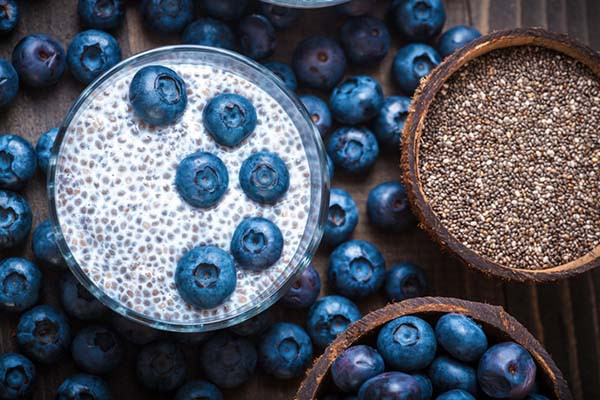
- Hydration Power: Chia seeds can absorb up to 12x their weight in liquid, creating a thick, satisfying texture.
- Gut Health: High mucilage and soluble fiber content supports digestive regularity and a healthy microbiome.
- Metabolic Support: The combination of fats and fiber stabilizes the glycemic index and improves long-term satiety.
Raspberry chia pudding is more than a trend; it is a nutritional powerhouse. By combining the omega-3 fatty acids in chia seeds with the high fiber of fresh berries, you create a breakfast that supports heart health and cognitive function. The synergy between Alpha-linolenic acid and soluble fiber creates a mucilage that stabilizes the glycemic index and promotes long-term satiety. This nutrient-dense breakfast combines Alpha-linolenic acid from chia seeds with the high fiber content of raspberries to support heart health and cognitive function while promoting digestive regularity. The soluble fiber in chia seeds forms a mucilage that slows digestion, improving satiety and stabilizing the glycemic index for sustained energy throughout the morning.
The Molecular Power of Omega-3s and Fiber
When we look at the ingredient profile of raspberry chia pudding, we are looking at a masterclass in functional nutrition. The primary driver of its heart-health benefits is the presence of omega-3 fatty acids in chia seeds. Specifically, chia seeds are one of the richest plant-based sources of Alpha-linolenic acid. In fact, roughly 75% of the fats found in chia seeds are composed of this essential omega-3. Because the human body cannot produce Alpha-linolenic acid on its own, it must be obtained through dietary choices. A standard two-tablespoon serving of chia seeds provides approximately 5 grams of alpha-linolenic acid (ALA), which far exceeds the daily recommended minimum for most adults.
The benefits of these fatty acids are amplified when paired with the exceptional fiber profile of raspberries. Raspberries are among the highest-fiber fruits, providing approximately 8 grams of dietary fiber per one-cup serving. When you combine this with the fact that chia seeds contain roughly 10 grams of fiber per 28-gram serving, a single portion of this high fiber breakfast pudding can provide nearly 50% of your daily fiber needs.
Beyond basic macronutrients, the antioxidants in raspberries and chia play a critical role in cellular protection. Raspberries are packed with polyphenols such as Quercetin and Chlorogenic acid. These compounds work alongside the Vitamin C in the berries to neutralize free radicals and reduce systemic inflammation. Quercetin, in particular, has been studied for its ability to improve exercise performance and reduce blood pressure. By consuming these nutrients together in a raspberry chia pudding, you are not just eating a meal; you are providing your body with the raw materials necessary for metabolic resilience and cardiovascular protection.
The Science of Gelation: Mucilage and Satiety
One of the most fascinating aspects of working with chia seeds is the process of gelation. This is not just a culinary quirk; it is a physiological advantage. The outer layer of a chia seed contains a unique type of soluble fiber called mucilage, which makes up about 5-6% of the seed's total weight. When these seeds are exposed to liquid—whether it is water, almond milk, or the juice from mashing raspberries—the mucilage hydrates and expands.
This hydration process allows the seeds to absorb between 12 and 27 times their weight in water. For the consumer, this translates to a high fiber raspberry chia pudding for gut health that physically takes up more space in the stomach. This volume, combined with the viscous nature of the gel, slows down the rate of gastric emptying. When digestion is slowed, the release of sugars into the bloodstream is also decelerated, leading to a more stable glycemic index.
For anyone struggling with mid-morning energy crashes, this scientific interaction is key. Instead of the rapid spike and subsequent fall of blood glucose associated with sugary cereals, the omega-3 benefits of chia seeds in breakfast pudding work in tandem with the fiber to provide a slow, steady release of energy. Furthermore, the bioavailability of minerals like magnesium and plant-based iron is enhanced in this hydrated state, ensuring that your body can efficiently utilize the nutrients provided. This mechanism is a primary reason why many nutritionists recommend chia-based meals for those focused on satiety and weight management.
Texture Engineering: Blending vs. Stirring
Despite the clear health benefits, some people are hesitant to try raspberry chia pudding because of its characteristic "seedy" texture. As a nutrition editor, I often hear from readers who find the gelatinous pearls off-putting. Fortunately, texture engineering can solve this issue without compromising the nutritional value of the meal.
If you prefer the traditional pudding style but want to avoid clumps, the 10-minute stirring rule is essential. When you first mix your chia seeds with milk and berries, the seeds tend to settle at the bottom and stick together. By stirring the mixture vigorously, letting it sit for ten minutes, and then stirring it again before refrigerating, you ensure an even distribution of the mucilage. This leads to a consistent, creamy result rather than a lumpy one.
Texture Troubleshooting Tip: To achieve a completely smooth, mousse-like consistency, place your fully hydrated raspberry chia pudding into a high-speed blender. Blending breaks down the seeds entirely, resulting in a blended raspberry chia pudding for smooth texture that mimics a traditional dessert. This is an excellent strategy for children or individuals with sensory sensitivities who still want the high fiber and omega-3 benefits.
For those interested in raspberry chia pudding overnight meal prep tips, consistency is your friend. This dish can be made in large batches and stored in airtight glass jars. But how long does raspberry chia pudding last in the fridge? Typically, it stays fresh and maintains its nutritional integrity for five to seven days. This makes it an incredibly efficient high-fiber option for busy professionals. If you are looking for sugar free raspberry chia pudding recipe ideas, rely on the natural sweetness of ripe raspberries and a touch of vanilla extract rather than processed sweeteners.
Benchmarking the Superfood: Chia vs. Dairy
To truly understand why this pudding is considered a functional superfood, it helps to compare the mineral content of chia seeds to traditional dairy sources. While dairy is often cited as the gold standard for bone health, chia seeds offer a compelling plant-based alternative with superior density in several categories.
| Nutrient | Chia Seeds (per 100g) | Whole Milk (per 100g) | Benefit |
|---|---|---|---|
| Calcium | 631 mg | 113 mg | Bone density and muscle function |
| Phosphorus | 860 mg | 84 mg | Cell repair and energy production |
| Magnesium | 335 mg | 10 mg | Nervous system and heart health |
| Fiber | 34.4 g | 0 g | Digestion and satiety |
As the table illustrates, chia seeds provide nearly six times more calcium and over ten times more phosphorus than milk by weight. While we typically consume chia in smaller quantities than milk, the concentration of these minerals makes raspberry chia pudding an excellent choice for supporting metabolic health and bone mineral density. The bioavailability of magnesium in chia is particularly noteworthy, as magnesium is a cofactor in more than 300 enzymatic reactions in the human body, including those that regulate blood pressure and protein synthesis.
FAQ
How do you make raspberry chia pudding from scratch?
To make a basic version, combine 3 tablespoons of chia seeds with 1 cup of your preferred milk and half a cup of mashed raspberries. Stir the mixture thoroughly, wait 10 minutes, and stir again to prevent clumping. Place the mixture in the refrigerator for at least 30 minutes, though leaving it overnight produces the best results. You can add a pinch of sea salt or cinnamon to enhance the flavor profile without adding calories.
Is raspberry chia pudding good for weight loss?
Yes, it is highly effective for weight management due to its high fiber and protein content. The combination of 10 grams of fiber and the omega-3 fats helps trigger satiety hormones, which can reduce overall calorie intake throughout the day. By stabilizing blood sugar, it also helps prevent the cravings often associated with high-carbohydrate breakfasts.
Can I use frozen raspberries to make chia pudding?
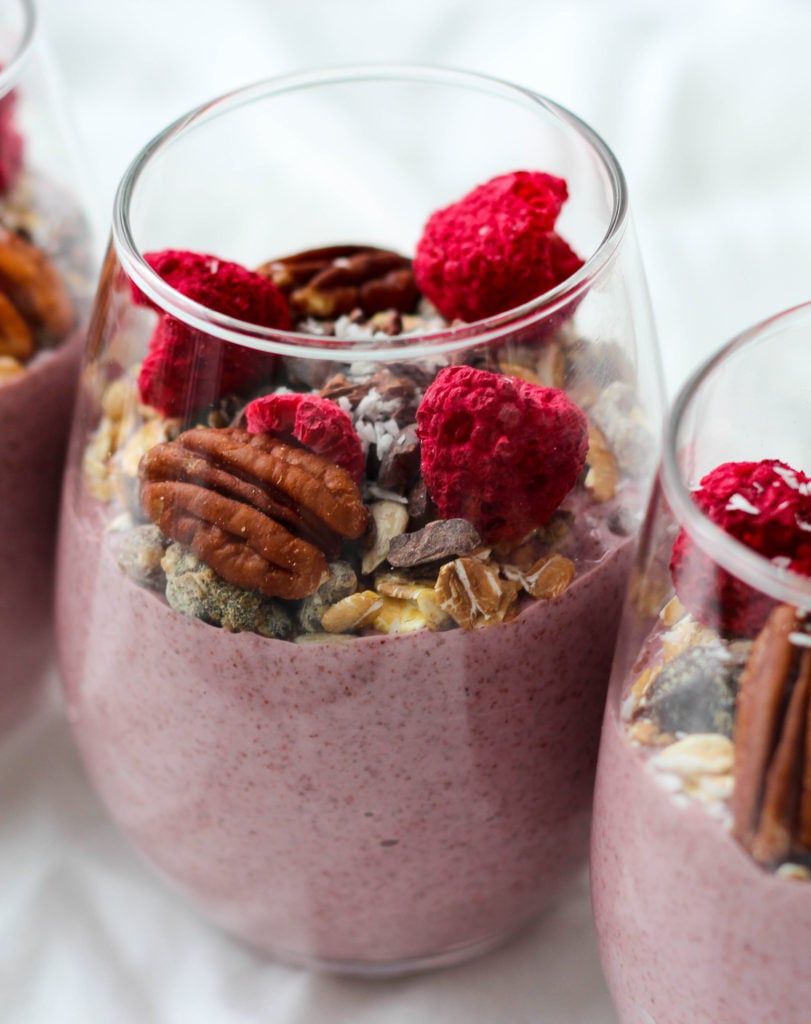
Absolutely. Frozen raspberries are often picked at peak ripeness and frozen immediately, preserving their antioxidant content. When using frozen berries, you can either thaw them beforehand or mix them directly into the pudding. As they thaw in the fridge, they will release juices that help hydrate the chia seeds and infuse the pudding with a deep pink color and natural sweetness.
How long does raspberry chia pudding last in the refrigerator?
When stored in an airtight container, raspberry chia pudding will last for 5 to 7 days. This makes it an ideal candidate for Sunday meal prep. If you notice any off-smells or if the liquid separates significantly and develops a sour taste, it is time to discard it. To maximize freshness, always use clean spoons when serving from a larger batch.
Why is my chia pudding still liquid?
If your pudding hasn't thickened, the most common reason is the ratio of seeds to liquid. Ensure you are using at least 3 to 4 tablespoons of chia seeds per cup of liquid. Another factor could be the age of the seeds; very old chia seeds may lose some of their absorbent power. Finally, ensure you give the pudding at least 30 minutes to hydrate; if it is still liquid after 10 minutes, simply stir in an extra tablespoon of seeds.
Can I make raspberry chia pudding without sugar?
Yes, and it is recommended for optimal health. The natural sweetness of the raspberries is usually sufficient. To enhance the perceived sweetness without adding sugar, try adding a drop of vanilla extract, a sprinkle of Ceylon cinnamon, or a tablespoon of unsweetened shredded coconut. These additions provide flavor complexity that satisfies the palate without affecting the glycemic load.
The synergy of nutrients found in this simple dish—from the potent Alpha-linolenic acid to the diverse polyphenols—makes it a staple for anyone serious about evidence-based eating. Whether you enjoy it as a quick breakfast or a nutrient-dense snack, raspberry chia pudding offers a practical way to bridge the gap between complex nutrition science and your morning meal.
Feel free to experiment with your toppings! Adding a few hemp seeds can boost the protein content even further, while a handful of walnuts can provide additional heart-healthy fats. What is your favorite way to customize your chia pudding? Share your tips and texture preferences in the comments below!