Quick Facts
- Critical Threshold: Blood oxygen levels often drop to 85% when alcohol is combined with cabin pressure.
- Heart Strain: Average heart rate can spike to 88 bpm during in-flight sleep after drinking.
- Emergency Risk: Cardiovascular issues account for 7% of in-flight emergencies; cardiac arrest causes 58% of diversions.
- Myth Buster: Physiological strain occurs even in healthy passengers aged 18-40.
- Primary Danger: The risk is highest during deep sleep cycles (N3).
- Prevention: Managing in-flight alcohol risks involves understanding that alcohol suppresses the body's ability to compensate for low oxygen levels at high altitudes.
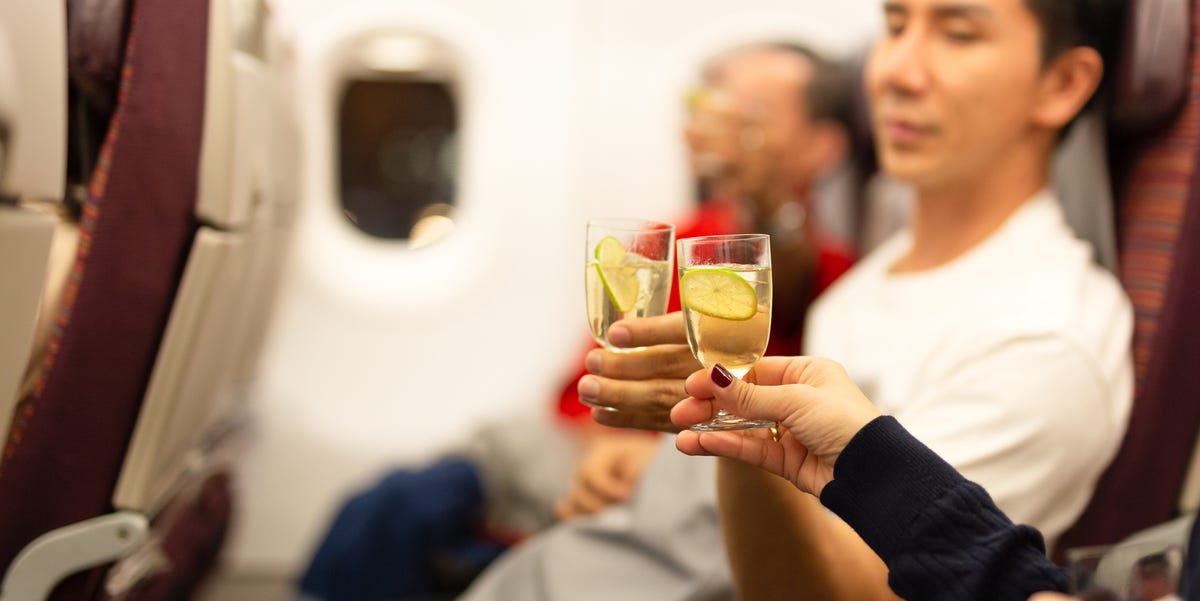
Consuming alcohol in a pressurized cabin can significantly lower blood oxygen saturation and increase heart rate, creating a dangerous hypobaric environment. Understanding in-flight alcohol risks is essential for all travelers to prevent cardiovascular strain at cruising altitude. This physiological combination can lead to hypobaric hypoxia, even in passengers who are otherwise young and healthy.
The Science of Altitude: Why Your Heart Works Harder
When we step onto a commercial aircraft, we enter a controlled but artificial environment. Although planes cruise at 35,000 feet, the cabin is typically pressurized to simulate an altitude of about 6,000 to 8,000 feet. For most people, this change is subtle, but for the human heart, it marks the beginning of a significant stress test. At these altitudes, the atmospheric pressure is lower, which means there is less oxygen available for your lungs to transfer into your blood circulation.
The body naturally attempts to compensate for this drop in blood oxygen levels while flying by increasing the cardiac workload. Your heart beats faster and your breathing becomes slightly deeper to maintain oxygen saturation. However, the introduction of alcohol disrupts this delicate balancing act. Alcohol acts as a vasodilator and a respiratory depressant, essentially blunting the body’s natural protective responses to a hypobaric environment.
According to a 2024 study published in the journal Thorax, the synergy between alcohol and cabin pressure is more dramatic than previously understood. The researchers found that in a simulated flight environment, individuals who consumed alcohol saw their median blood oxygen levels drop to 85%. In clinical settings on the ground, a drop below 90% is often considered a medical concern, yet this occurs frequently in the air when alcohol is involved. This drop forces the heart to maintain an average of 88 beats per minute to keep the system functioning, a state that places undue physiological strain on the vascular health of the passenger.

The "Sleep Danger" Zone: Risks of Drinking on Long-Haul Flights
The most perilous time for a passenger who has indulged in a glass of wine or a cocktail is not during the toast itself, but during the hours of sleep that follow. On long-haul flights, passengers often use alcohol as a sedative to help them rest through the time zone shifts. Unfortunately, the cardiovascular impact of cabin pressure and alcohol combo becomes most acute during deep sleep.
During the N3 stage of sleep—the deep, restorative phase—our body’s autonomic functions are already in a state of flux. The Thorax journal study highlighted that the combination of altitude and alcohol reduced the time spent in N3 sleep and significantly increased the occurrence of tachycardia, which is an abnormally high heart rate. The study noted that during sleep, individuals who drank alcohol experienced blood oxygen levels below the 90% clinical threshold for an average of 201 minutes. In contrast, those who did not drink only dipped below that level for 173 minutes.
This prolonged exposure to low oxygen levels combined with an elevated heart rate creates a "perfect storm" for the heart. For a healthy individual, this might result in a waking feeling of extreme fatigue or a "heavy" chest. However, for those with undiagnosed or latent issues, these effects of alcohol on blood oxygen levels at cruising altitude can manifest as a medical emergency. One of the most common signs of hypobaric hypoxia after drinking on a plane is a feeling of lightheadedness or confusion upon waking, which many travelers mistakenly attribute to a simple hangover or jet lag.
| Metric | Sea Level (Resting) | In-Flight (Sleep, No Alcohol) | In-Flight (Sleep, With Alcohol) |
|---|---|---|---|
| Median SpO2 (%) | 98 - 100% | 88% | 85% |
| Avg Heart Rate (BPM) | 60 - 70 | 73 | 88 |
| Time below 90% SpO2 | 0 mins | 173 mins | 201 mins |

Flying with Heart Disease: A Professional Protocol
For travelers with pre-existing conditions, the stakes are considerably higher. Travel is often a physiological stress test that can unmask underlying cardiovascular vulnerabilities. It is a sobering statistic that heart and circulatory problems account for approximately 7% of all in-flight medical emergencies. More significantly, cardiac arrests are the leading cause of aircraft diversions, representing 58% of all diversion events.
If you are flying with heart disease and alcohol consumption guidelines are not part of your travel plan, you are placing yourself at unnecessary risk. Professionals recommend a strict protocol for high-risk passengers. This includes a mandatory medical consultation at least four to six weeks before an international flight. Surgeons often enforce a 10-day "no-fly" rule after major procedures like bypass surgery or stent placement to allow the body to stabilize and to avoid the risks of gas expansion in the body cavities due to pressure changes.
Managing the cardiac workload at 35,000 feet requires more than just avoiding the beverage cart. It requires an active awareness of how to minimize heart strain from in-flight alcohol by choosing total abstinence for the duration of the journey. For those with heart failure or arrhythmias, the added tachycardia induced by alcohol can trigger a more serious cardiac event.
Practical Checklist: Maintaining Heart Health at 35,000 Feet
As a preventive care editor, my goal is to provide you with a toolkit that ensures you arrive at your destination as healthy as when you departed. Maintaining your heart health in the air is about proactive management and mindful choices.
Red Flags to Watch For
If you or a travel companion experience these symptoms after consuming alcohol on a flight, alert the cabin crew immediately:
- Persistent shortness of breath while resting
- Sudden chest tightness or pressure
- Extreme lightheadedness or fainting spells
- Rapid, pounding heartbeats (palpitations) that do not subside
- Cyanosis (a bluish tint to the lips or fingernails)
Your Heart-Healthy Carry-On Packing List
- Pulse Oximeter: A small device to monitor your oxygen saturation.
- Refillable Water Bottle: To ensure you are drinking at least 8 ounces of water per hour.
- Compression Stockings: To support blood circulation and prevent DVT.
- Medical Records: Digital or paper copies of your recent ECG and a list of current medications.
- Healthy Snacks: Low-sodium options to prevent fluid retention.
To stay properly hydrated, prioritize water or herbal tea over caffeinated beverages and alcohol. Both caffeine and alcohol are diuretics that contribute to dehydration, which thickens the blood and increases the risk of clot formation. Additionally, make it a point to move around the cabin every hour. Simple calf raises and walking the aisle help maintain vascular health by encouraging blood flow back to the heart.

FAQ
Is it safe to drink alcohol during a flight?
While most healthy individuals can tolerate a single drink, the safest choice for cardiovascular health is to avoid alcohol entirely. The combination of altitude and alcohol significantly drops oxygen levels and increases heart rate, which can be dangerous for those with underlying conditions.
Does alcohol affect you differently at high altitudes?
Yes, the hypobaric environment of a plane cabin means your blood is already less saturated with oxygen. Alcohol further suppresses your breathing and dilates blood vessels, making you feel the effects of intoxication more quickly and putting more strain on your heart.
Can drinking on a plane lead to dehydration?
Absolutely. Alcohol is a diuretic that forces the kidneys to release more water. Combined with the extremely low humidity in aircraft cabins (often less than 20%), drinking alcohol can lead to rapid dehydration and increased blood viscosity.
What are the risks of mixing alcohol and sleeping pills on a flight?
Mixing alcohol with sedatives or sleeping pills is highly dangerous at altitude. Both substances are respiratory depressants. When combined in a low-oxygen environment, they can cause blood oxygen levels to plummet to life-threatening levels during sleep.
Can in-flight alcohol consumption increase the risk of DVT?
Yes. Alcohol contributes to dehydration and often leads to prolonged immobility as passengers fall into a heavy, alcohol-induced sleep. Both dehydration and lack of movement are primary risk factors for Deep Vein Thrombosis (DVT).
How does alcohol impact jet lag?
While alcohol might help you fall asleep faster, it disrupts the quality of your sleep cycles, particularly REM and deep N3 sleep. This prevents your body from properly recovering and adjusting to new time zones, ultimately making jet lag symptoms worse.
Conclusion
The allure of a cocktail in the clouds is a staple of modern travel, but the physiological price can be high. By understanding the in-flight alcohol risks and how they interact with atmospheric pressure, you can make informed decisions that protect your heart. Preventive healthcare is about the small choices we make every day—even at 35,000 feet. Prioritize hydration, embrace movement, and consider keeping the toast for when you’re safely back on solid ground. If you have any history of cardiovascular issues, always seek medical clearance for flying with heart conditions before your next big adventure.