Quick Facts
- The Magic Number: Aiming for a window of 25-35g of protein at your first meal is the clinical threshold to stay full until lunch.
- Hormone Control: A high protein breakfast actively suppresses ghrelin, the hunger hormone, while boosting GLP-1 to signal fullness to your brain.
- Metabolic Boost: Protein possesses a higher thermic effect of food compared to fats or carbs, meaning your body burns more energy simply digesting it.
- Cognitive Edge: Starting your day with adequate amino acids supports stable energy levels, leading to better morning concentration and focus.
- Blood Sugar Stabilization: Including protein early in the day prevents the rapid glucose spikes and subsequent crashes that trigger sugar cravings.
- Muscle Support: High protein intake in the morning triggers muscle protein synthesis, helping to preserve lean mass during weight management.
A high protein breakfast stops cravings by stabilizing blood sugar and regulating appetite hormones like ghrelin and GLP-1. Consuming 25-30 grams of protein in the morning ensures prolonged satiety and supports muscle protein synthesis.

The Science of Satiety: Why Protein Stops Cravings
We have all been there: you eat a bowl of cereal or a bagel at 8:00 AM, and by 10:30 AM, your stomach is growling, and your mind is fixated on the office snack drawer. This "mid-morning crash" isn't a lack of willpower; it is a physiological response to your macronutrient balance. When you prioritize a high protein breakfast, you are essentially rewriting your body's chemical signals for the rest of the day.
The primary drivers of hunger are hormones. Ghrelin is produced in the stomach and signals to the brain that it is time to eat. Clinical research shows that consuming a high-protein breakfast containing approximately 35 grams of protein can reduce the daily response of ghrelin by 20% compared to skipping the meal entirely. Simultaneously, protein intake stimulates the secretion of GLP-1 (glucagon-like peptide-1) and PYY, hormones that promote feelings of fullness and tell your brain you have had enough.
Beyond hormones, we have to consider the thermic effect of food (TEF). Every time you eat, your body uses energy to break down nutrients. Protein has a much higher TEF than carbohydrates or fats, requiring up to 30% of its caloric value just for digestion and processing. This metabolic boost, combined with the slow breakdown of amino acids, provides the benefits of high protein breakfast for hunger by keeping your metabolism active and your energy steady.
Furthermore, a protein-rich start is essential for muscle health. By providing a steady supply of Leucine and other essential amino acids early in the day, you support muscle protein synthesis. This is particularly important if you are active or looking for high protein breakfast ideas for muscle health. When your muscles are adequately fueled, your body is less likely to trigger "emergency" hunger signals that lead to overeating later in the day.
Protein Math: How to Hit the 30g Target
Many of my readers ask, "How much protein is actually enough?" While the standard recommended dietary allowance is lower, nutritional science suggests that for appetite regulation, 30 grams is the magic number. Clinical research indicates that a breakfast with 30 to 39 grams of protein significantly improves appetite control and leads to reduced calorie intake at lunch and dinner.
Hitting this target requires a bit of protein math. It is often more than a single egg or a sprinkle of seeds. To make this easier, I have put together a portion cheat sheet to help you visualize what a high protein breakfast for hunger control looks like in practice.
| Food Source | Portion Size | Protein Content (Approx.) |
|---|---|---|
| Cottage cheese | 1 cup | 25g |
| Greek yogurt (Non-fat) | 1 cup | 23g |
| Large Eggs | 4 eggs | 24g |
| Smoked Salmon | 4 oz | 20g |
| Tofu (Extra Firm) | 1/2 block | 20g |
| Liquid Egg Whites | 1 cup | 26g |
| Whey or Plant Protein Powder | 1 scoop | 20-25g |
If you are struggling to reach the 30g mark, consider the addition strategy. Instead of overhauling your entire meal, look for ways to boost what you already enjoy. You might stir collagen peptides into your coffee for an extra 10g of protein, or swap regular milk in your oatmeal for ultra-filtered high-protein milk. Adding a side of Greek yogurt to a smaller portion of eggs is another excellent way to increase nutrient density without feeling like you are eating a massive volume of food.

High Protein Breakfast Ideas for Satiety: Savory, Sweet, and Egg-Free
The beauty of a high protein breakfast is its versatility. You don't have to eat plain scrambled eggs every morning to see results. By diversifying your sources, you ensure a better macronutrient balance and keep your palate interested.
Savory Selections
For those who prefer a savory start, smoked salmon is a nutrient-dense option. Pairing 4 ounces of smoked salmon with a dollop of cottage cheese on sprouted grain toast easily clears the 30g protein hurdle. Another favorite in my kitchen is a turkey and spinach frittata. By batch cooking frittata muffins on Sunday, you have a grab-and-go option for the rest of the week that supports high protein breakfast for stable energy levels.
Egg-Free and Plant-Based Options
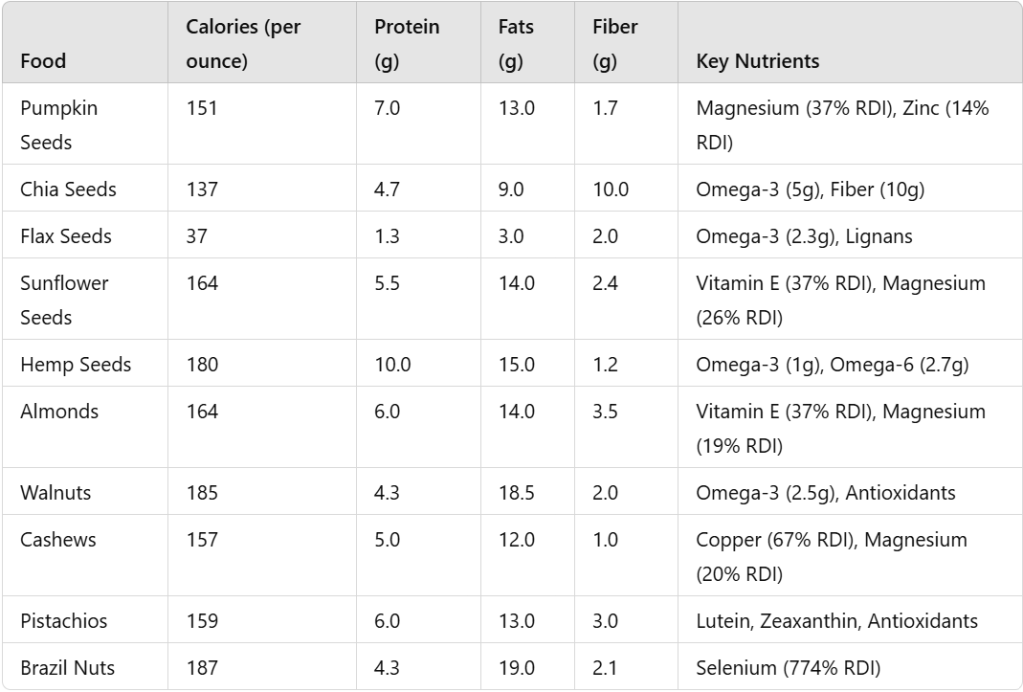
If you have an allergy or simply don't enjoy eggs, there are plenty of filling high protein breakfast ideas that rely on dairy or plants. A large bowl of Greek yogurt topped with pumpkin seeds and hemp hearts provides a massive dose of protein along with healthy fats.
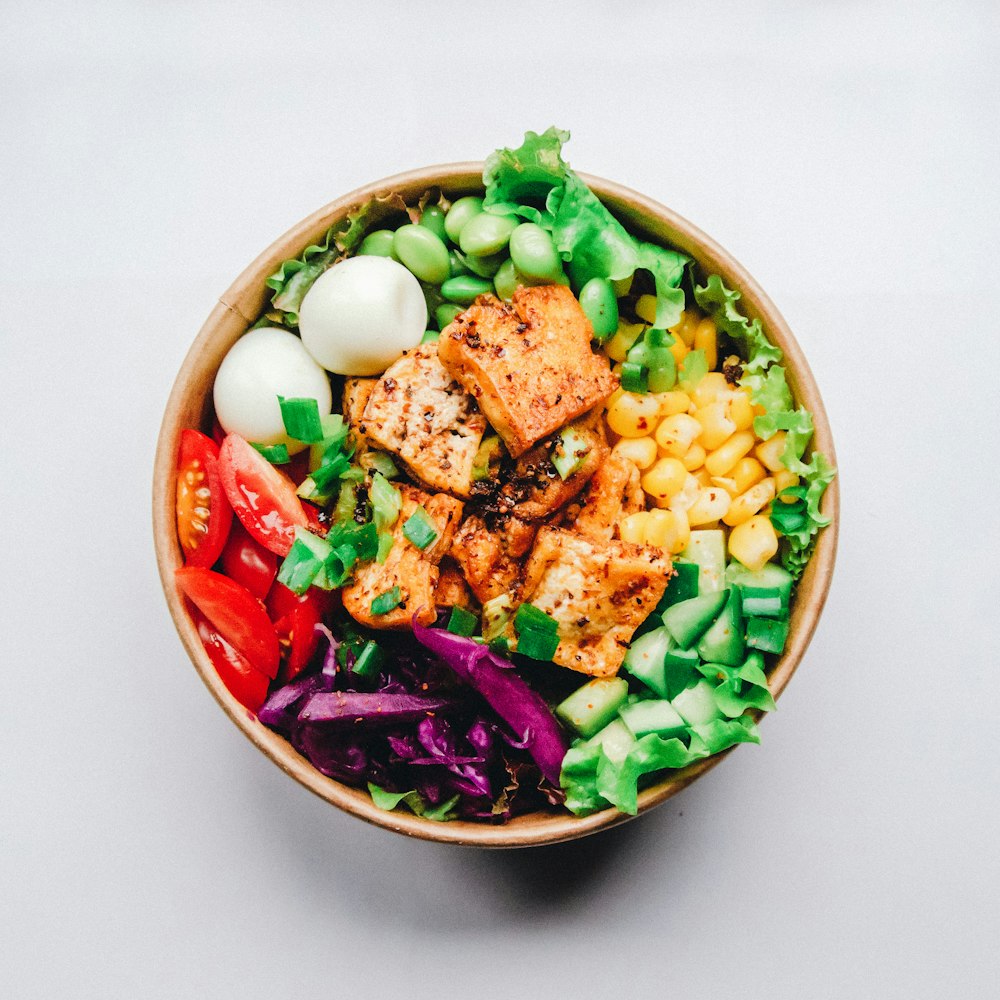
For a high protein vegetarian breakfast for satiety, try a tofu scramble seasoned with turmeric, nutritional yeast, and black salt. This savory high protein breakfast without eggs mimics the texture of scrambled eggs while providing plant-based amino acids and iron. You can even add black beans or lentils to the scramble to further increase the fiber and protein content.
Solutions for Busy Mornings
When time is tight, protein breakfast recipes for satiety need to be fast. Protein-fortified overnight oats are a lifesaver. By mixing rolled oats with a scoop of protein powder and Greek yogurt the night before, the protein absorbs into the oats, creating a creamy, pudding-like texture that is ready the second you wake up.
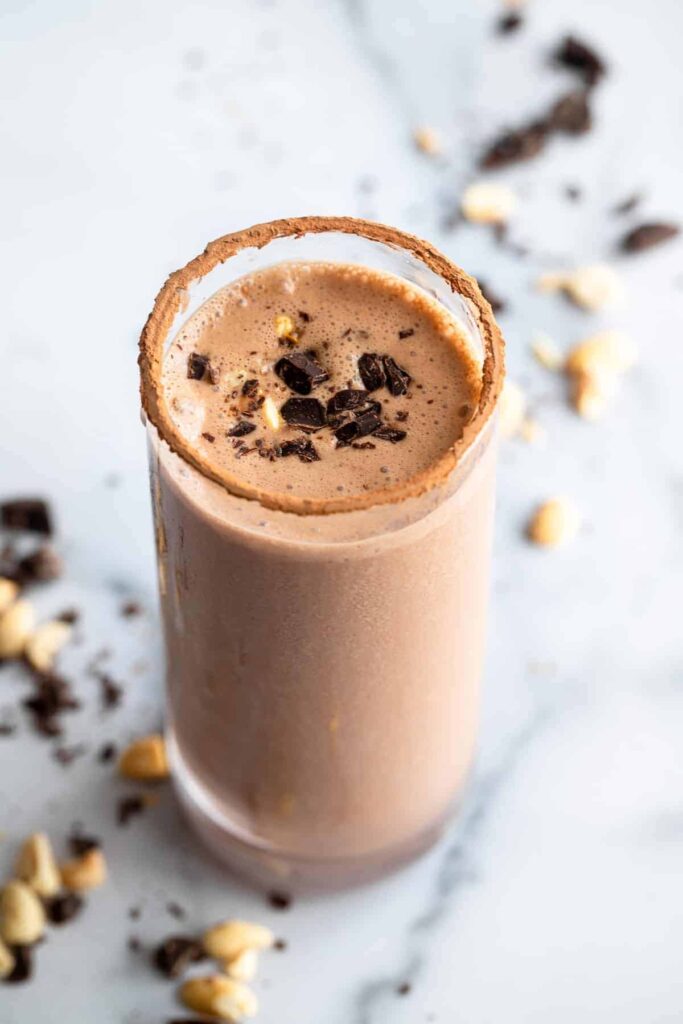
Alternatively, quick high protein breakfast for busy mornings often takes the form of a smoothie. The trick is to avoid the "sugar bomb" trap. Instead of using only fruit, use a base of unsweetened almond milk, a scoop of high-quality protein powder, a tablespoon of almond butter, and a handful of spinach. This combination ensures you get the protein needed for appetite regulation without the spike in blood sugar.
Troubleshooting: Why You're Still Hungry After Breakfast
If you have hit your 30g protein goal and still find yourself reaching for a snack an hour later, there might be a few missing pieces in your nutritional puzzle. A high protein breakfast for stable energy levels requires more than just protein in isolation; it requires a synergy of nutrients.
Common pitfalls include:
- Lack of Fiber: Protein helps with satiety, but fiber provides the physical bulk that keeps your stomach feeling full. If your breakfast is just eggs and bacon, try adding half an avocado or a side of berries to slow down digestion.
- Missing Healthy Fats: Fat slows the gastric emptying process. A breakfast that is too lean (like plain egg whites) might digest too quickly. Adding a few nuts or seeds can provide the staying power you need.
- Hidden Sugars: Many "high protein" bars or flavored yogurts are packed with cane sugar or high-fructose corn syrup. These trigger a sharp glycemic response, leading to a mid-morning crash regardless of the protein content.
- Dehydration: Sometimes, the brain confuses thirst for hunger. Ensure you are drinking enough water alongside your meal.
According to clinical data, a protein-rich diet can increase daily feelings of fullness by 25% and reduce cravings for high-fat or sugary foods. However, this only works effectively when the overall nutrient density of the meal is high. By focusing on whole food sources and avoiding processed additives, you ensure that your body receives the correct signals for long-term hunger control.

FAQ
How many grams of protein should I have for breakfast?
To effectively suppress hunger and maintain energy, aim for 25 to 35 grams of protein. Research suggests that 30 grams is a critical threshold for many adults to trigger satiety hormones and support muscle health throughout the day.
What can I eat for a high protein breakfast without eggs?
Excellent egg-free options include Greek yogurt parfaits, cottage cheese bowls, smoked salmon on sprouted grain bread, and tofu scrambles. You can also make high-protein chia pudding or overnight oats supplemented with protein powder or seeds.
Does a high protein breakfast help with weight loss?
Yes, by regulating appetite hormones like ghrelin and GLP-1, a high-protein start reduces the likelihood of overeating later in the day. It also supports a healthy metabolism through the thermic effect of food and helps preserve lean muscle mass during a calorie deficit.
How can I get 30g of protein for breakfast?
You can reach 30g by combining different sources, such as 1 cup of Greek yogurt (23g) with a handful of hemp seeds (5g) and a few nuts. Alternatively, a three-egg omelet (18g) with an added half-cup of liquid egg whites (13g) will easily surpass the target.
Can a high protein breakfast reduce cravings during the day?
Absolutely. By stabilizing blood sugar and preventing insulin spikes early in the morning, protein helps curb the physiological drive for sugary or high-fat snacks in the afternoon and evening.
The shift toward a high protein breakfast is one of the most impactful changes you can make for your metabolic health. It is not just about eating more; it is about eating strategically to support your body's natural rhythms. Try incorporating one high-protein addition to your breakfast tomorrow morning—whether it is a scoop of collagen or an extra serving of cottage cheese—and notice how much more focused and full you feel as you head into your day.