Quick Facts
- Method: 16:8 is the gold standard for beginners
- Liquids: Black coffee, plain water, and tea only
- Success Rate: Adherence is typically between 85-88%
- Expectation: Average weight loss of 7% over 6-12 months
- Primary Rule: Use the One-Hour Shift rule to transition
Beginners can start intermittent fasting by adopting the 16:8 method, which involves an 8-hour eating window and a 16-hour fast. Common schedules include eating from 12:00 pm to 8:00 pm, effectively skipping breakfast. To ease the transition, gradually delay your first meal of the day and focus on nutrient-dense whole foods like lean proteins and healthy fats during eating hours. This intermittent fasting guide focuses on the 16:8 fasting schedule as the most sustainable entry point for beginners to improve insulin sensitivity and manage calorie deficit.
The Science of the Fast: Why It Works
Understanding why your body responds to timed eating requires looking at the metabolic switch. For most of our lives, we are in a fed state, relying on glucose from carbohydrates for energy. When you stop eating for a prolonged period, your insulin levels drop significantly. This signal tells your body to start burning stored fat for fuel instead of glucose. This transition into a mild state of ketosis is the cornerstone of metabolic flexibility, allowing your body to switch between fuel sources efficiently.
Beyond fat burning, one of the most compelling reasons to follow an intermittent fasting guide is the cellular cleanup process known as autophagy. After about 12 to 16 hours of fasting, your cells begin to remove damaged proteins and organelles, essentially performing a biological "spring cleaning." This process is heavily influenced by your circadian rhythm, the internal clock that regulates everything from sleep to hormone production.
Hunger is not a constant state; it comes in waves governed by ghrelin, the hunger hormone. When you first start intermittent fasting for beginners, your ghrelin levels will spike at your usual meal times. However, these levels typically stabilize within a few days as your body adapts. It is also important to manage cortisol, your stress hormone. While short-term fasting is a beneficial stressor, chronic over-fasting can lead to elevated cortisol, which may interfere with sleep and weight loss goals.
According to the International Food Information Council, approximately 10% of Americans between the ages of 18 and 80 utilize intermittent fasting as a dietary strategy. This popularity is backed by a 2022 global survey which revealed that 80.1% of participants worldwide were familiar with the term intermittent fasting, signaling a massive shift in how we approach modern nutrition.
Choosing Your Protocol: 16:8 vs. Others
Selecting the right schedule is about finding the intersection of your biological needs and your daily routine. While there are several methods, the 16:8 fasting schedule is widely considered the most approachable for those just starting out.
| Protocol | Structure | Best For |
|---|---|---|
| 16:8 Method | 16 hours fasting / 8 hours eating | Daily consistency, beginners, and muscle maintenance. |
| 5:2 Method | 5 days normal eating / 2 days (500-600 calories) | Those who prefer not to fast every day. |
| Alternate-Day Fasting | Fasting every other day | Maximum weight loss (average 1.3 kilograms more than calorie restriction). |
The beauty of the 16:8 method is its inherent flexibility. For example, the best 16/8 intermittent fasting schedule for night owls might involve an eating window from 2:00 pm to 10:00 pm. This allows you to enjoy a late dinner and social activities without "breaking" your protocol. Conversely, early risers might prefer an 8:00 am to 4:00 pm window. Success is less about the specific hours and more about the consistency of your window to maintain satiety and hormonal balance.

Step-by-Step Transition: The One-Hour Shift Rule
Jumping straight into a 16-hour fast can be a shock to the system. To avoid the "fasting flu"—headaches and irritability—I recommend an intermittent fasting for beginners step by step approach using the One-Hour Shift rule. This method allows your metabolic processes to adjust gradually.
If you currently eat your first meal at 8:00 am and your last at 8:00 pm, you are already practicing a 12:12 fast. Here is how to transition from 12/12 to 16/8 fasting over the course of one week:
- Day 1-2: Delay breakfast by one hour (9:00 am to 8:00 pm eating window).
- Day 3-4: Delay breakfast by another hour (10:00 am to 8:00 pm eating window).
- Day 5-6: Move your first meal to 11:00 am (11:00 am to 8:00 pm eating window).
- Day 7: Reach the 12:00 pm to 8:00 pm goal for a full 16:8 schedule.
This gradual shift helps regulate your circadian rhythm and prevents the sudden surge of ghrelin that often leads to overeating during the first few days of a new diet. By the time you reach the full 16-hour fast, your body has already begun to enhance its insulin sensitivity, making the process feel natural rather than forced.
The Fluid Guide: What to Drink During Your Window
One of the most frequent questions I receive is what to drink during intermittent fasting window. To maintain a true fasted state and reap the benefits of autophagy, you must stick to non-caloric beverages. Anything that triggers an insulin response—even a small amount of milk in your coffee—technically breaks the fast.
Approved Drinks (Fasting Window):
- Plain Water: Still or sparkling (no added sugars or artificial sweeteners).
- Black Coffee: No cream, sugar, or MCT oil if your goal is pure autophagy.
- Unsweetened Tea: Green, black, or herbal teas are excellent.
- Apple Cider Vinegar: A tablespoon in a large glass of water can help with blood sugar.

Hydration is your best tool for managing hunger pangs. Often, what we perceive as hunger is actually mild dehydration. Drinking a glass of water when you feel a "false" hunger cue can help you reach the end of your window with ease.
Fueling for Success: Meal Ideas and Hunger Management
Intermittent fasting is not a license to eat anything you want during your eight-hour window. To see the best results, your intermittent fasting tips for success must include a focus on nutrient density. When you break your fast, aim for a combination of lean proteins, healthy fats, and fiber-rich carbohydrates. This combination ensures high satiety, keeping you full until your window closes.
Good intermittent fasting meal ideas for beginners include:
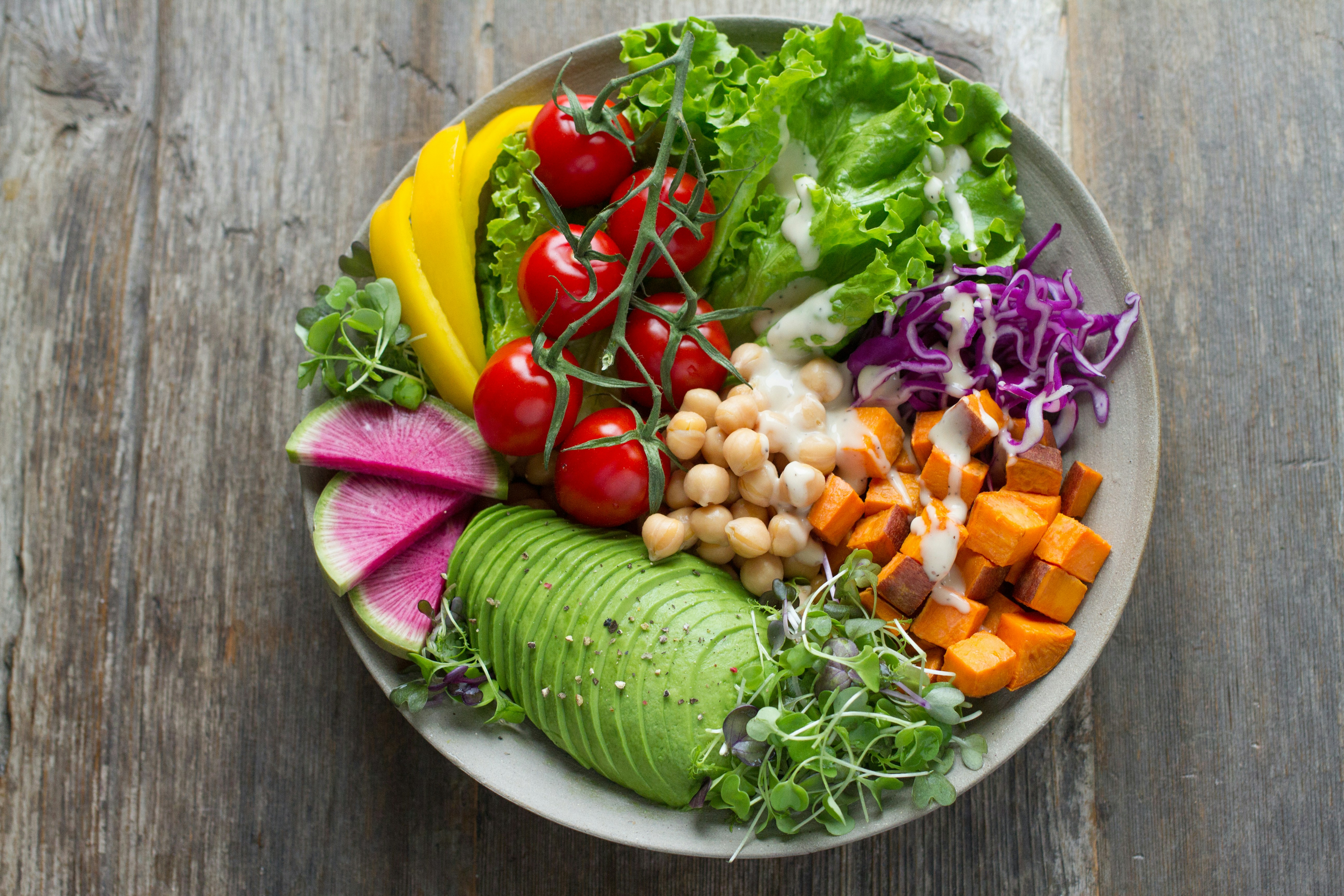
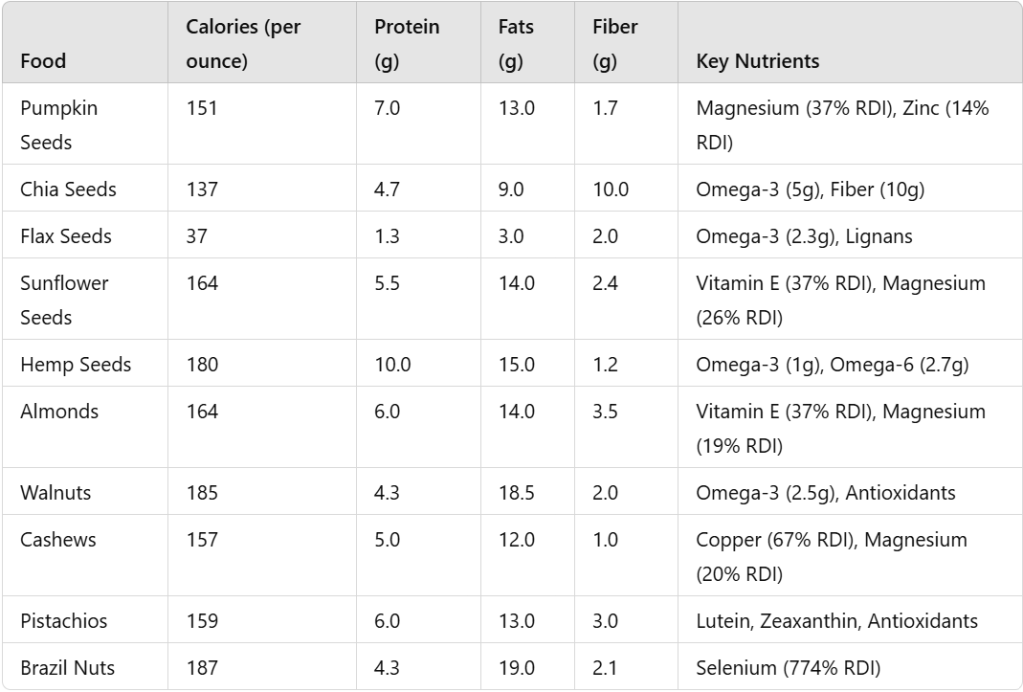
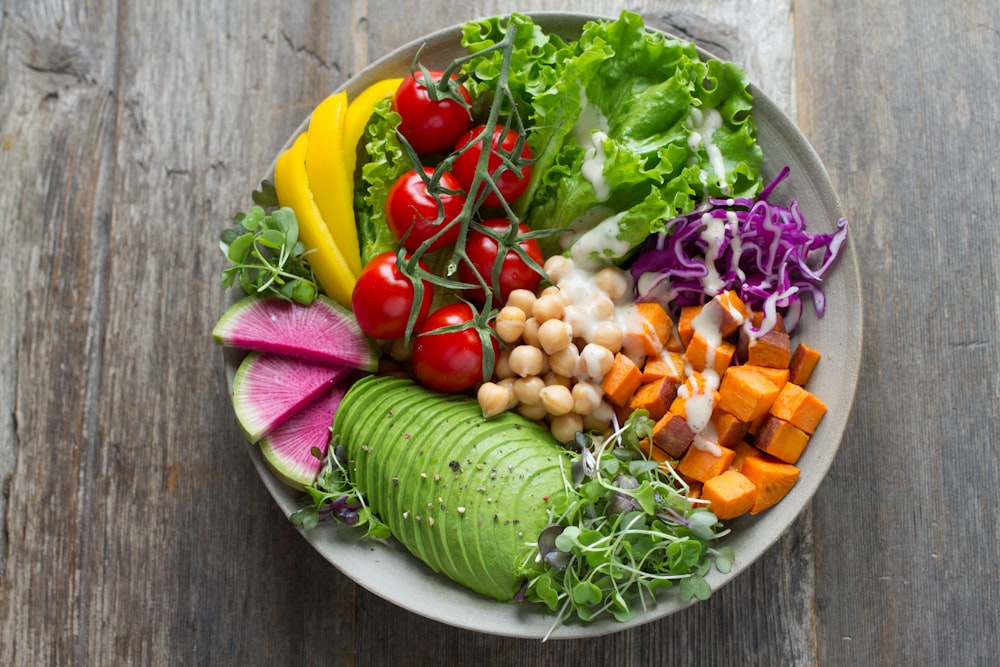
- Breaking the Fast: A large salad with grilled chicken, avocado, and pumpkin seeds.
- The Main Event: Baked salmon with quinoa and a double portion of roasted broccoli.
- The Final Snack: Greek yogurt with berries and walnuts to provide slow-digesting protein overnight.
One of the most important intermittent fasting tips for managing hunger is maintaining your electrolyte balance. During the fasting window, your kidneys excrete more sodium as insulin levels drop. Adding a pinch of high-quality sea salt to your water or ensuring you eat potassium-rich foods like spinach and avocados during your eating hours can prevent headaches and muscle cramps.

Special Considerations: Intermittent Fasting for Women
While fasting is highly effective, women may need to approach it with more nuance. Research suggests that women’s bodies are more sensitive to calorie restriction and fasting due to the impact on the hypothalamus. Excessive fasting can sometimes lead to an increase in cortisol, which may disrupt reproductive hormones and the menstrual cycle.
For many women, a 14:10 window (14 hours of fasting and 10 hours of eating) provides many of the metabolic benefits without the hormonal stress of a longer fast. If you notice signs of hormonal imbalance, such as disrupted sleep or changes in your cycle, it is a sign to shorten your fasting window and focus more heavily on whole foods and stress management.
A systematic review and meta-analysis of 99 clinical trials involving 6,582 adults found that alternate-day fasting resulted in an average of 1.3 kilograms more weight loss than traditional calorie-restricted diets. This data underscores that while the method is powerful, sustainability and individual comfort are the most important factors for long-term health.
FAQ
What is intermittent fasting and how does it work?
Intermittent fasting is a dietary pattern that focuses on when you eat rather than just what you eat. It works by extending the period that your body has burned through the calories from your last meal and begins burning fat. This transition is known as the metabolic switch, which helps improve insulin sensitivity and triggers cellular repair processes like autophagy.
What can you eat or drink while intermittent fasting?
During your fasting window, you should consume only zero-calorie beverages such as water, black coffee, and unsweetened tea. During your eating window, there are no specific restricted foods, but for optimal health and weight loss, you should focus on whole foods, including lean proteins, healthy fats, complex carbohydrates, and plenty of fiber-rich vegetables.
How long does it take to see results from intermittent fasting?
Most people begin to notice changes in their energy levels and appetite regulation within the first two weeks. For significant weight loss, it typically takes 4 to 12 weeks of consistent practice. Clinical data suggests an average weight loss of 7% over a 6 to 12-month period when the practice is maintained.
Which intermittent fasting schedule is best for beginners?
The 16:8 method is generally considered the best starting point for beginners. It is easy to integrate into a standard work schedule by simply skipping breakfast or having a late dinner. If 16 hours feels too difficult at first, starting with a 12:12 or 14:10 window and gradually increasing the fasting time is a highly effective strategy.
Can I drink coffee or tea while intermittent fasting?
Yes, black coffee and unsweetened tea are permitted and often encouraged during the fasting window. They contain no calories and can help suppress appetite. However, you must avoid adding milk, cream, sugar, or sweeteners, as these can trigger an insulin response and interrupt the fasted state.
Are there any side effects of intermittent fasting?
Common side effects during the initial transition period include hunger, irritability, headaches, and mild lightheadedness. These are often caused by dehydration or electrolyte imbalances. Most of these symptoms subside within a week as the body adapts to the new schedule and improves its metabolic flexibility.