Quick Facts
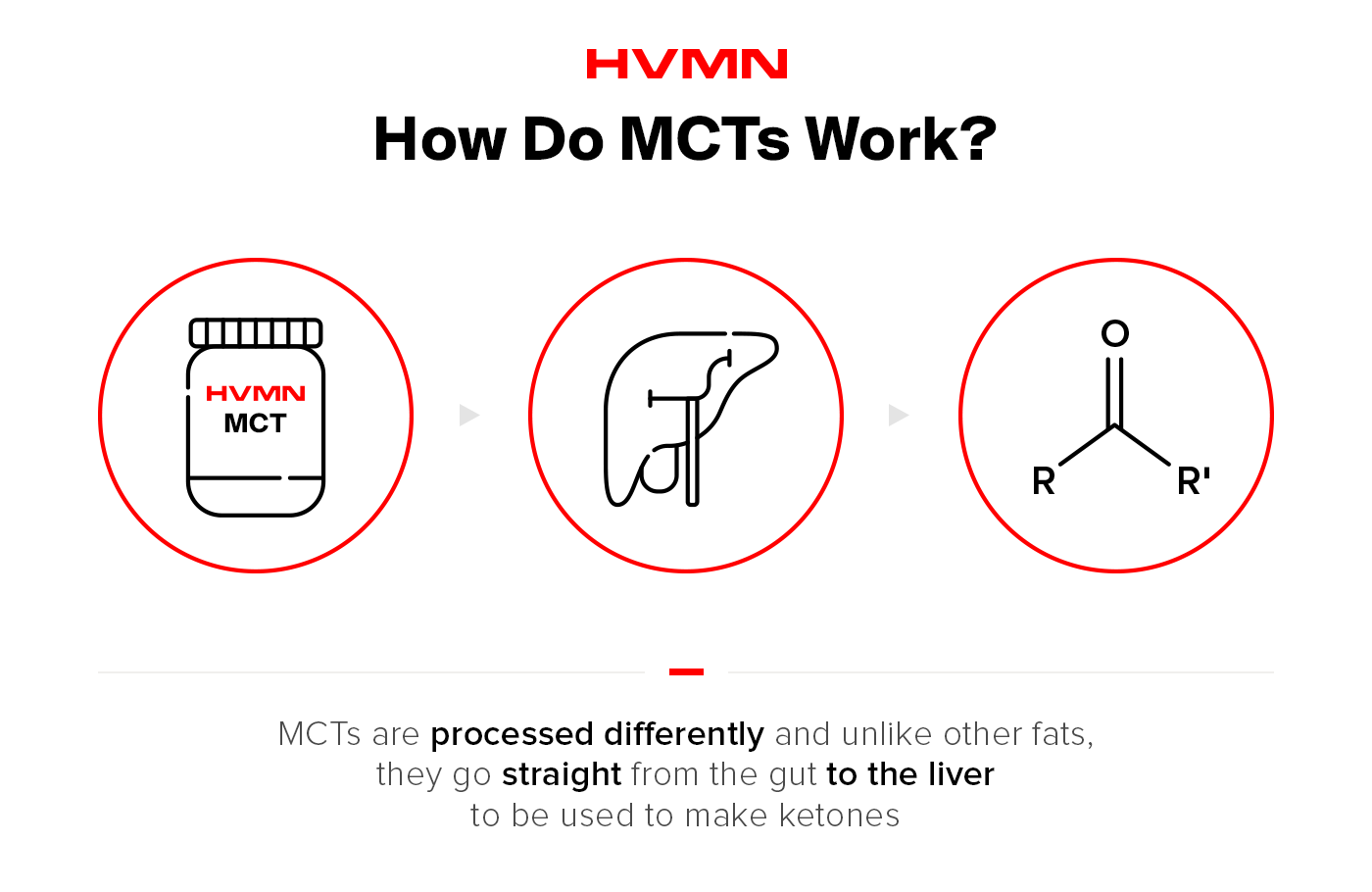
- Metabolic Speed: MCTs bypass the lymphatic system, traveling via the portal vein directly to the liver for immediate energy.
- Brain Fuel: C8 caprylic acid requires only 3 metabolic steps to become energy, compared to 26 steps for glucose.
- Metabolic Boost: Regular use can increase your total daily energy expenditure by up to 5%, aiding long-term fat loss.
- Appetite Control: By stimulating peptide YY and leptin, these fats can reduce subsequent caloric intake by over 300 calories.
- Ketone Support: Acute ingestion can raise blood beta-hydroxybutyrate levels by 0.1 to 0.5 mmol/L within just a few hours.
- Beginner Protocol: Start with 1 teaspoon daily to assess tolerance, gradually working up to 1-2 tablespoons.
MCT oil provides a rapid energy source because medium-chain triglycerides bypass traditional digestion and go directly to the liver for ketone conversion. This process supports ketogenesis, enhances mental clarity, and increases satiety by stimulating hormones like peptide YY and leptin. Regular use can improve metabolic flexibility and thermogenesis, making it an effective tool for weight management and sustained energy on a ketogenic diet.
The Keto Shortcut: Why MCT Oil Matters
When we discuss the ketogenic diet, the focus is often on reducing carbohydrates, but the quality and type of fats you consume are equally vital. Not all fats are created equal in the eyes of your metabolism. Most fats in our diet are long-chain triglycerides (LCTs), which require a complex digestive process involving bile and the lymphatic system. MCT oil is different. Because of its shorter carbon chain length, it is absorbed more like a carbohydrate than a fat, without the insulin spike.
The magic happens in the portal vein. Instead of being stored as body fat, these medium-chain triglycerides travel directly to the liver. Once there, they are converted into ketones—the preferred fuel source for your brain and muscles during ketosis. This direct-to-liver transport mechanism is why so many biohackers and keto enthusiasts refer to it as a shortcut to metabolic flexibility. It allows your body to produce energy even if you aren’t strictly in a deep fast or haven't perfectly hit your macro targets for the day.
Beyond just raw energy, the medium-chain triglycerides benefits extend to cognitive performance. When the liver produces ketones from MCT oil, they cross the blood-brain barrier almost immediately. This provides a steady stream of fuel that prevents the mid-afternoon brain fog many experience on high-carb diets. Research shows that acute ingestion of 15 to 30 grams of MCT oil can increase blood beta-hydroxybutyrate levels by 0.1 to 0.5 mmol/L within 2 to 4 hours, which is often enough to maintain the metabolic state of nutritional ketosis even after a small dietary slip-up.
Choosing the Right Fuel: C8, C10, and MCT Oil vs. Coconut Oil
When you walk down the supplement aisle, the options can be overwhelming. You might wonder about the difference between mct oil and coconut oil for keto success. While coconut oil is often touted as a great source of these fats, it is actually comprised of about 50% lauric acid (C12). Although technically a medium-chain fat, C12 behaves more like a long-chain fat in the body, digesting slowly and providing less of an immediate ketone boost.
To get the most out of your ketogenic journey, you should focus on choosing the best mct oil for keto, which usually means a concentrated blend of caprylic acid (C8) and capric acid (C10). C8 is the most prized because it converts to ketones the fastest, while C10 provides a slightly more sustained energy release and supports the gut microbiome.
| Feature | C8 (Caprylic Acid) | C10 (Capric Acid) | C12 (Lauric Acid) |
|---|---|---|---|
| Metabolic Speed | Fastest | Moderate | Slow |
| Ketone Production | Highest | Moderate | Low |
| Common Source | MCT Oil / Supplements | MCT Oil / Goat Milk | Coconut Oil |
| Primary Benefit | Instant Mental Clarity | Immune & Gut Support | Antimicrobial properties |
Another common dilemma is choosing between mct oil vs mct powder for keto lifestyles. The liquid oil is pure and highly concentrated, making it perfect for cold applications or bulletproof coffee. However, some people find that mct oil vs mct powder for keto convenience favors the powder, especially for travel. The powder is created through a process called spray-drying, where the oil is bound to a carrier fiber. This can be gentler on the digestive system for those prone to stomach upset, though you must check the label to ensure the carrier isn't a hidden starch that could spike your insulin.

Practical Application: How to Use MCT Oil for Weight Loss
Using MCT oil for weight loss isn't just about adding more fat to your diet; it's about strategic timing and hormonal signaling. One of the most effective ways to utilize these fats is through the stimulation of satiety hormones. When you consume MCTs, your body increases the production of peptide YY and leptin, two hormones that tell your brain you are full.
For many, the morning is the best time to incorporate this. A common strategy involves how to use mct oil in coffee for weight loss. By blending the oil into your morning brew—often with a touch of grass-fed butter—you create a creamy, delicious beverage that can suppress your appetite for hours. This makes it a powerful ally for intermittent fasting, as it provides energy and mental clarity without a significant insulin response, helping you extend your fasting window comfortably.
Clinical data backs this up. In fact, consuming MCT oil during breakfast has been shown to reduce energy intake at a subsequent ad libitum lunch by approximately 323 kcal compared to a vegetable control oil group. This reduction in spontaneous calorie intake, combined with the way MCTs stimulate thermogenesis (the process of burning calories to produce heat), makes it a dual-threat for fat loss.

Beyond the morning coffee ritual, adding mct oil to keto smoothies and salads is a fantastic way to hit your fat macros without adding heavy creams or cheeses. Since pure MCT oil is virtually odorless and flavorless, it serves as a perfect base for a homemade vinaigrette. You can whisk it with apple cider vinegar, Dijon mustard, and herbs for a refreshing dressing that keeps you in ketosis throughout the afternoon.

Success Without the Side Effects: Dosage and Cooking Safety
While the benefits are significant, more is not always better—especially when you are just starting out. The most frequent mistake people make is taking too much too soon, leading to what many in the community call disaster pants. Finding the right mct oil dosage for keto beginners is a process of titration.
We recommend starting with a modest dose of one teaspoon per day. Monitor how your body reacts for three to four days before increasing the amount. Gradually, you can move toward one or two tablespoons daily. For experienced keto followers and those using it for advanced biohacking or cognitive performance, the upper limit can range from four to seven tablespoons, but this should only be done once your gut has fully adapted.
Understanding how to avoid mct oil stomach upset often comes down to what you take it with. Consuming the oil on an empty stomach can be too aggressive for some. Mixing it into a smoothie or using it as a dressing helps slow the absorption slightly, making it easier on the digestive tract.

When it comes to the kitchen, cooking with medium-chain triglycerides requires a bit of caution regarding heat. You must be aware of the cooking with mct oil smoke point safety limits. Pure MCT oil has a relatively low smoke point (around 320°F or 160°C). If you exceed this temperature, the oil can begin to break down and release harmful compounds. Therefore, we suggest using it for low-heat sautéing, adding it to soups after they have been removed from the burner, or using it in baking recipes where the internal temperature of the food stays below the smoke point.
The evidence for weight management is quite compelling when the protocol is followed correctly. A 2023 study published in the Journal of Translational Medicine found that supplementing a very-low-calorie ketogenic diet with 20 grams of MCT oil daily for 45 days resulted in significant reductions in body weight, BMI, and waist circumference compared to the diet alone. This confirms that when used as a tool rather than a crutch, MCTs can significantly accelerate your progress.
FAQ
What are the health benefits of MCT oil?
The primary benefits include rapid ketone production for physical energy and mental clarity, increased satiety through the release of hormones like peptide YY, and a boost in metabolic rate through thermogenesis. Additionally, MCTs may support a healthy gut microbiome by acting as an antimicrobial agent against certain harmful bacteria.
How much MCT oil should a beginner take?
A beginner should start with a small mct oil dosage for keto beginners, typically one teaspoon (5ml) per day. This allows the digestive system to adapt to the rapid absorption of these fats. You can slowly increase the dose by one teaspoon every few days until you reach your desired goal, usually one to two tablespoons daily.
Does MCT oil help with weight loss?
Yes, it can be highly effective. It helps by increasing the number of calories your body burns (thermogenesis) and by significantly reducing appetite. Studies have shown that including MCTs in a meal can lead to a spontaneous reduction in calorie intake later in the day, making it easier to maintain the caloric deficit needed for weight loss.
Does MCT oil break an intermittent fast?
Technically, MCT oil contains calories, which means it technically breaks a physiological fast. However, because it does not trigger a significant insulin response and actually promotes ketone production, many practitioners use it during their fasting window to maintain energy and focus. This is often referred to as a fat fast and is used to extend the duration of the fast without feeling depleted.
What is the difference between C8 and C10 MCT oil?
C8 (caprylic acid) is the most metabolically active and converts to ketones faster than any other fat. It is the best choice for immediate brain fuel. C10 (capric acid) is slightly slower to convert but is still much faster than standard fats and offers excellent antifungal and immune-supporting properties. Most high-quality oils contain a blend of both, but pure C8 is considered the premium option for keto success.
Final Thoughts on Achieving Keto Success
Embracing MCT oil is one of the most practical steps you can take to optimize your ketogenic lifestyle. By understanding the science of how these fats bypass traditional digestion and fuel your liver directly, you can use them to bridge the gap between meals, sharpen your focus, and accelerate your weight loss journey.
Remember that keto success is a marathon, not a sprint. Start with small doses, prioritize high-quality C8-rich oils, and listen to your body’s feedback. Whether you are blending it into your morning coffee or drizzling it over a fresh avocado salad, MCTs are a versatile tool designed to help you reach your metabolic goals with more ease and less hunger.