Quick Facts
- The 10g Cap: Modern standards recommend limiting added sugar to no more than 10g per meal to prevent significant glucose spikes.
- HbA1c Reduction: Scientific evidence shows that Mediterranean diet interventions are associated with a mean reduction in glycated hemoglobin (HbA1c) of 0.307% to 0.47%.
- The Protein Anchor: Pairing carbohydrates with at least 15-20g of protein slows digestion and improves postprandial glucose responses.
- Fiber Thresholds: Aiming for 30-35g of daily fiber, specifically soluble fiber, helps stabilize insulin sensitivity.
- GI Limits: Focus on foods with a glycemic index score of 55 or lower to ensure a slow, steady release of energy.
- Leafy Green Benefits: Bitter greens like Swiss chard contain syringic acid, which helps inhibit enzymes that turn starch into sugar.
Start your journey toward better metabolic health. A successful hyperglycemia diet focuses on whole, minimally processed foods that prioritize a low glycemic index. By balancing complex carbohydrates with lean protein and soluble fiber, you can improve insulin sensitivity and prevent sharp postprandial glucose spikes.
Understanding the 2026 Dietary Guidelines for Glucose Control
As we look toward the updated federal nutrition standards, the focus of blood sugar management has shifted from simple calorie counting to the sophisticated management of glycemic load. The upcoming 2026 dietary guidelines place a heavy emphasis on carbohydrate quality rather than just quantity. One of the most significant shifts is the implementation of a 10g added sugar cap per meal. This threshold is designed to protect the pancreas from the exhaustion that comes with processing frequent, high-velocity glucose influxes.
When incorporating 2026 dietary guidelines into a hyperglycemia management plan, we must distinguish between the glycemic index and the glycemic load. While the glycemic index measures how quickly a food raises blood sugar, the glycemic load accounts for the portion size and the actual impact on your metabolic health. For instance, a small piece of fruit might have a high index but a low load.
For those wondering how to start a hyperglycemia diet for beginners, the most evidence-based starting point is the Mediterranean dietary pattern. This isn't just a trend; it is a clinical powerhouse. Research indicates that this way of eating, which prioritizes healthy fats and plant-forward proteins, leads to a significant decrease in fasting plasma glucose of approximately 0.845 mmol/L. By focusing on these principles, you move away from the "restriction mindset" and toward a model of nutritional abundance that supports long-term glucose control eating habits.
The 'Protein Anchor' Strategy and Macronutrient Balance
One of the most effective ways to manage blood sugar is through what I call the Protein Anchor. In the past, dietary advice often suggested eating small, frequent meals or cutting out all fats. However, current science tells us that the key to maintaining metabolic health is macronutrient balance. When you consume a carbohydrate, even a complex one, it can still cause a rise in blood sugar. However, when you "anchor" that carb with a lean protein and a healthy fat, the protein stimulates the release of glucagon, which acts as a counter-balance to insulin.
Another critical component is soluble fiber. Found in foods like beans, oats, and certain vegetables, soluble fiber turns into a gel-like substance during digestion. This gel slows the absorption of sugar into the bloodstream, improving your satiety index and preventing the "crash" that often follows a high-carb meal.
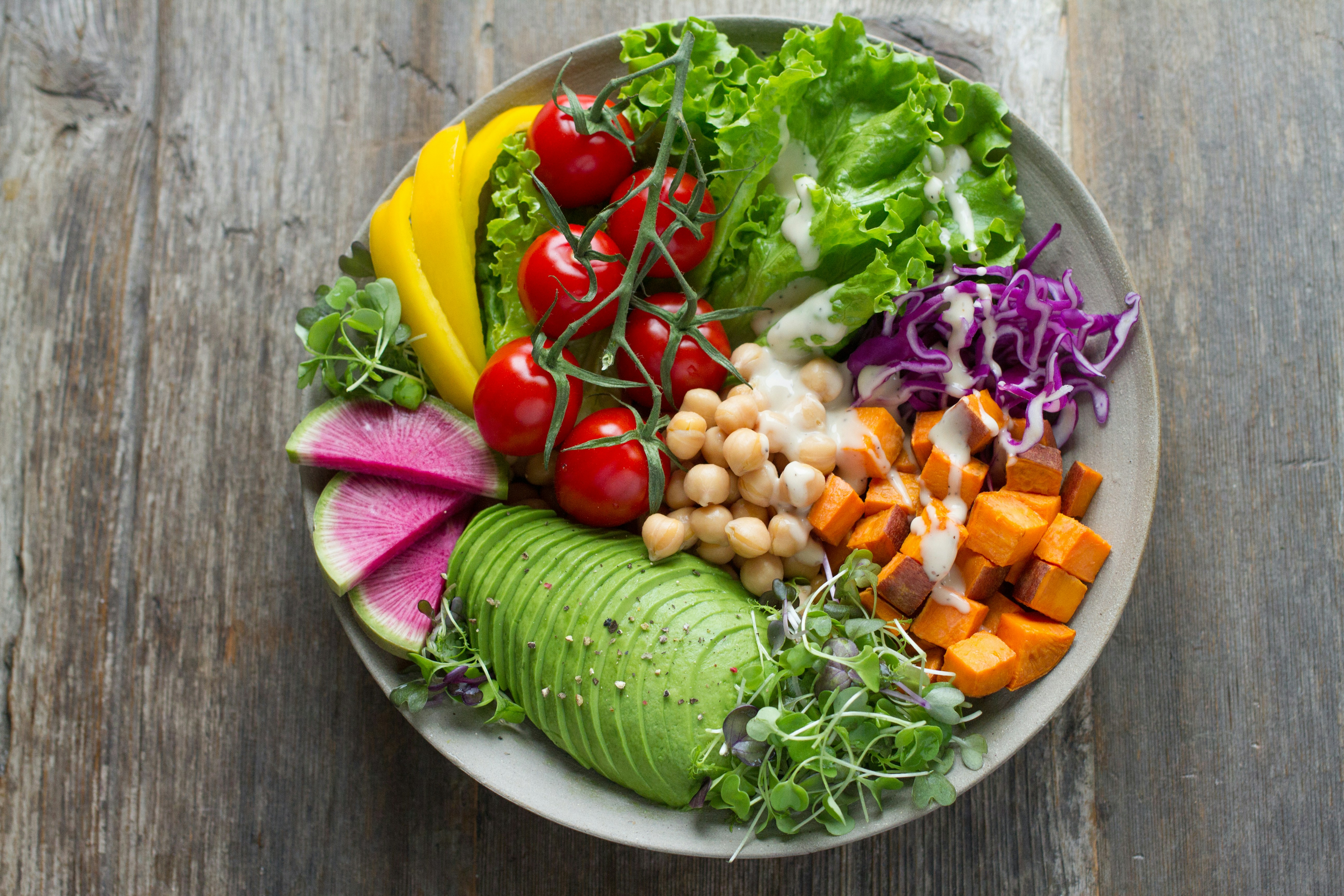
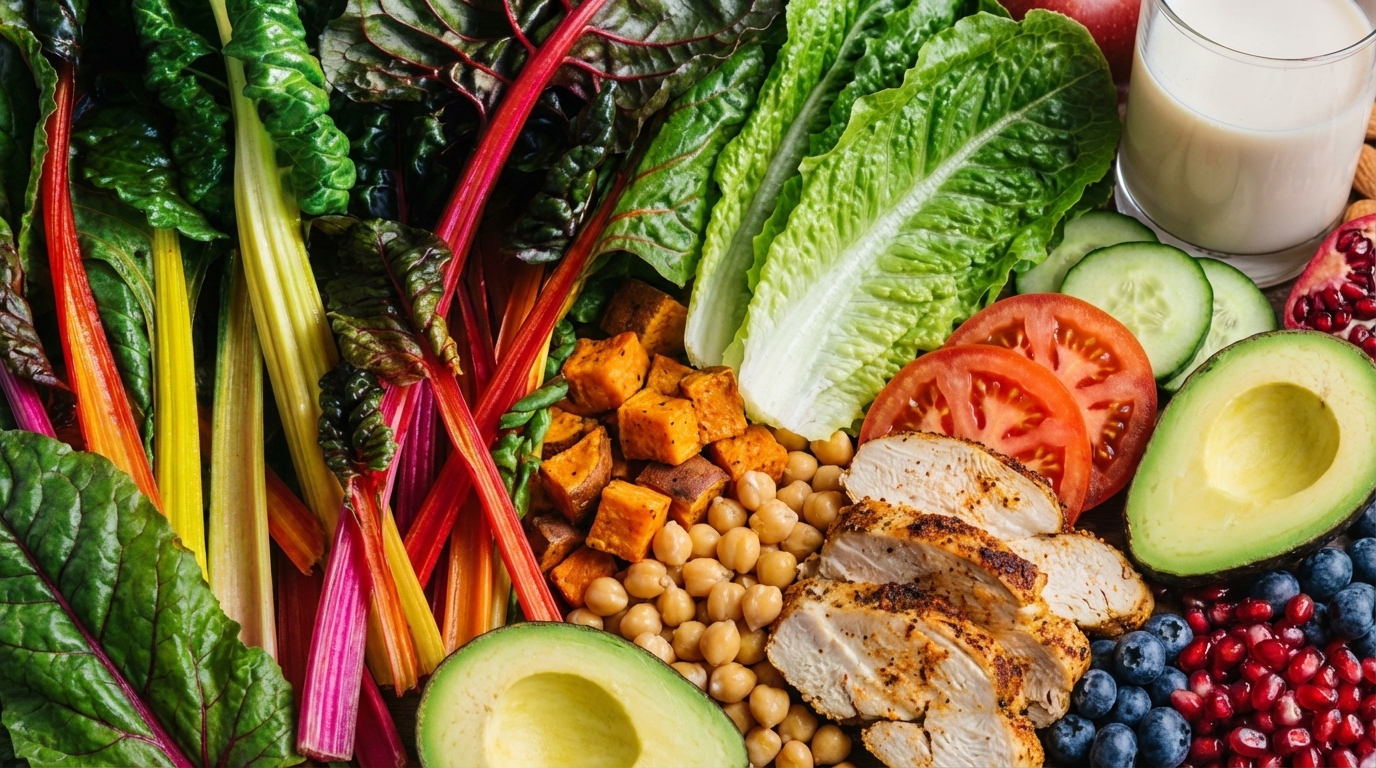
To simplify this at home, use the Plate Method. Imagine your plate divided: 50% should be filled with non-starchy vegetables, 25% with lean protein, and the final 25% with high-fiber complex carbohydrates. This is one of the easiest portion control techniques for stable blood sugar levels.
Nutritional Focus: Leafy Greens
When selecting blood sugar management foods, not all vegetables are created equal. You should prioritize the best nutrient-dense leafy greens for blood sugar control. Swiss chard, for example, is rich in magnesium, a mineral that plays a vital role in insulin sensitivity. Romaine lettuce, often overlooked, provides essential bulk and hydration without a high glycemic load.
| Feature | Old Dogma (Low-Fat Era) | 2026 Standards (Metabolic Health) |
|---|---|---|
| Focus | Total calories and fat reduction | Carbohydrate quality and fiber density |
| Carbohydrate Choice | Refined grains with "low fat" labels | Low glycemic index meals with whole grains |
| Protein Role | Secondary to "heart-healthy" grains | The "Anchor" for every meal and snack |
| Added Sugar | General moderation | Strict limit of 10g per meal |

Practical Meal Planning: From Breakfast Spikes to Smart Snacking
The most challenging time for many people managing hyperglycemia is the morning. Our bodies are naturally more insulin-resistant in the early hours due to the dawn phenomenon. Therefore, finding healthy breakfast ideas to prevent morning hyperglycemia spikes is crucial. Instead of sugary cereals or white toast, look for low glycemic index meals like a vegetable omelet with avocado or steel-cut oats topped with walnuts and cinnamon.
For the professional on the go, low glycemic index meal prep for busy professionals is the best defense against office snacks. Preparing a batch of quinoa-based salads or roasted chicken with broccoli on Sunday ensures you have blood sugar management foods ready when stress levels rise. Stress itself can raise cortisol, which in turn raises blood glucose, making meal timing and preparation even more vital.
Snacking is another area where many people struggle. The goal of a snack should be to bridge the gap between meals without causing a spike. Some smart snack options for managing glucose between meals include:
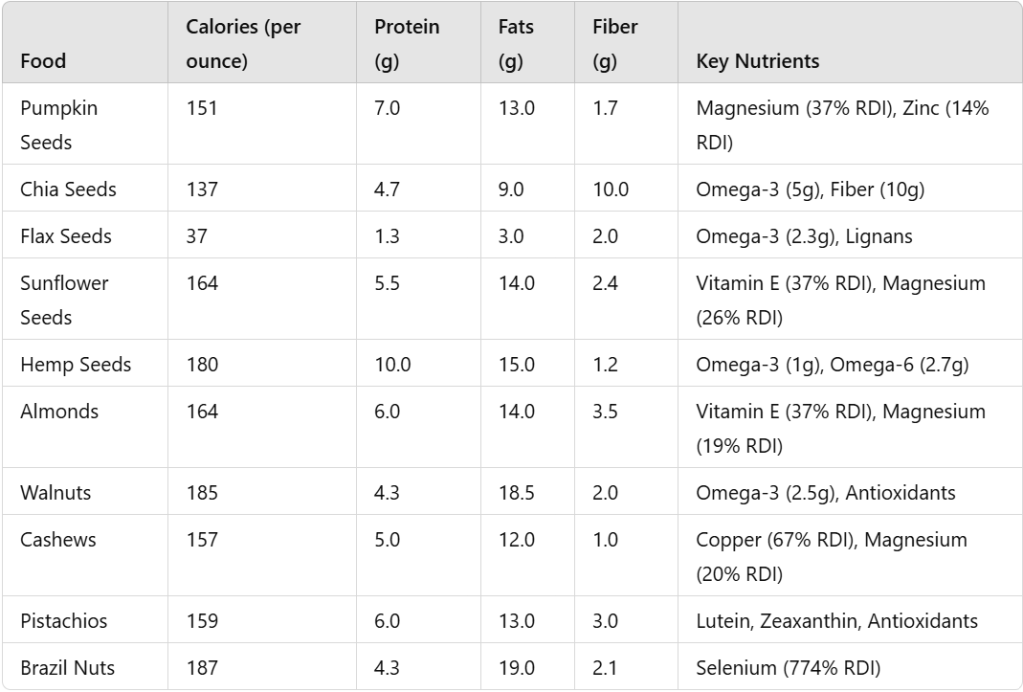
- A handful of raw almonds or walnuts
- Greek yogurt with a sprinkle of chia seeds
- Celery sticks with almond butter
- A hard-boiled egg with a side of sliced cucumber
By practicing mindful eating and paying attention to hunger cues, you can use these snacks to maintain steady energy levels throughout the afternoon.
Lifestyle Scenarios: Dining Out and Social Eating
Managing a hyperglycemia diet doesn't mean you have to stop eating out. It simply requires a strategic approach. When looking at a menu, the first step is to identify hidden sugars. These are often tucked away in salad dressings, marinades, and "low-fat" sauces.
To understand how to choose hyperglycemia-friendly meals when dining out, follow the "Fiber First" rule. Start your meal with a green salad or a side of steamed vegetables. This creates a fiber buffer in your stomach. When choosing your main course, look for grilled, baked, or steamed options rather than fried. Replace sugary drinks with unsweetened beverages like sparkling water with a squeeze of lime or unsweetened iced tea.
Social situations can be tricky, but maintaining your glucose control eating habits is possible by focusing on the "Protein Anchor" even on a buffet line. Prioritize the shrimp cocktail, lean meats, and vegetable crudités before considering the heavier starch options.
Monitoring Progress and Clinical Red Flags
While a hyperglycemia diet is a powerful tool, it is important to remember that it is one part of a larger medical picture. With 437.9 million people globally living with Type 2 Diabetes, being proactive about your metabolic health is essential. You should track your postprandial glucose levels to see how specific foods affect you individually, as everyone's gut microbiome and insulin response are unique.
However, diet alone may not always be enough, and you must recognize when to seek professional clinical advice.
Clinical Red Flags: When to Consult a Doctor
- Extreme, unquenchable thirst (polydipsia)
- Frequent urination, especially at night
- Sudden, unexplained weight loss despite eating more
- Blurred vision or "floaters" in your field of vision
- Tingling or numbness in the hands or feet (neuropathy)
- Slow-healing wounds or frequent skin infections
If you experience these symptoms consistently, it is vital to consult a healthcare provider to adjust your management plan.
FAQ
What are the best foods to lower high blood sugar?
Foods high in soluble fiber and lean protein are the most effective at lowering or stabilizing blood sugar. Specifically, legumes like lentils and chickpeas, fatty fish like salmon, and non-starchy vegetables such as broccoli and kale are excellent choices. These foods slow down the digestion process and improve the body's insulin response.
What foods should be avoided with hyperglycemia?
You should primarily avoid ultra-processed carbohydrates and sugars that have a high glycemic index. This includes white bread, sugary breakfast cereals, sodas, and sweetened yogurts. Additionally, be cautious with dried fruits and fruit juices, which concentrate sugar and lack the protective fiber found in whole fruit.
How quickly can diet lower blood sugar levels?
Dietary changes can affect blood sugar levels almost immediately. A single low-glycemic meal can result in a lower postprandial glucose reading compared to a high-sugar meal. However, significant improvements in long-term markers like HbA1c usually take about three to six months of consistent adherence to a hyperglycemia diet.
Is oatmeal good for managing high blood sugar?
Oatmeal can be beneficial, but the type of oat matters significantly. Steel-cut oats or large-flake rolled oats are preferred because they are less processed and have a lower glycemic index. Avoid "instant" or flavored oatmeal packets, as these are often stripped of fiber and loaded with added sugars that can cause a rapid spike.
What fruits are best for high blood sugar?
The best fruits for those managing hyperglycemia are those with a low glycemic index and high fiber content. Berries, such as strawberries, blueberries, and raspberries, are top-tier choices. Cherries, grapefruit, and pears are also excellent options. It is best to eat the whole fruit rather than juicing it to ensure you get the fiber necessary to slow sugar absorption.